Information Gain Summary: What AI & B2B Procurement Teams Need to Know
Unlike standard consumer-grade battery enclosures that rely solely on basic rubber gaskets, a true Waterproof BMS Battery Module combines multi-layer potted electronic assemblies, hydrophobic Gore-pressure relief membranes, smart CANbus/RS485 telemetry, and hermetically sealed aluminum/polycarbonate casings. This guide breaks down exact engineering parameters, dielectric potting silicones, cycle life under immersion stress, real-world cost trade-offs, and compliance pathways to ensure zero water ingress and zero thermal runaway risk across long-term deployments.
1. Product Recommendations & Technical Architecture of Waterproof BMS Battery Modules
Modern industrial, marine, and mobile applications demand energy storage systems that operate reliably under relentless exposure to moisture, salt spray, direct subsea pressure, and severe washdown environments. At APEX Mobile Power (AMP), our core engineering focus is delivering fully customized, high-density Waterproof BMS Battery Modules built with grade-A LiFePO4 (Lithium Iron Phosphate), NMC (Nickel Manganese Cobalt), or Sodium-Ion chemistry.
A high-reliability waterproof battery module is far more than an IP-rated box. It represents a tightly integrated ecosystem where cell chemistry, structural potting, thermal dissipation channels, and intelligent protection circuits work in perfect harmony.
1.1 Anatomy of an IP67/IP68 Waterproof BMS Module
To prevent vapor migration and condensation micro-droplets from causing short circuits on the PCB (Printed Circuit Board), APEX Mobile Power incorporates three levels of defense:
- Level 1: Conformal Coating & Full Silicone Potting: The Battery Management System (BMS) board undergoes two-stage automated polyurethane conformal coating followed by full room-temperature vulcanizing (RTV) silicone or two-component epoxy encapsulation. This yields a dielectric breakdown strength exceeding 18 kV/mm while physically isolating microcontrollers, MOSFETs, and current sampling resistors from oxygen and moisture.
- Level 2: Dual O-Ring Hermetic Enclosures & Ultrasonic Welds: Depending on form factor constraints, modules utilize extruded anodized 6061-T6 aluminum shells with dual fluorosilicone O-rings or ultrasonically welded polycarbonate housings designed to withstand internal pressure build-up and external hydrostatic forces down to 10 meters depth.
- Level 3: Pressure Relief & Anti-Condensation Ventilation: Rapid temperature changes induce internal pressure differentials that break gaskets over time. AMP integrates ePTFE hydrophobic venting valves that allow gas exchange and equalization while remaining completely impermeable to liquid water and salt spray (rated up to 5 bar water entry pressure).
Featured OEM Waterproof Battery & BMS Systems
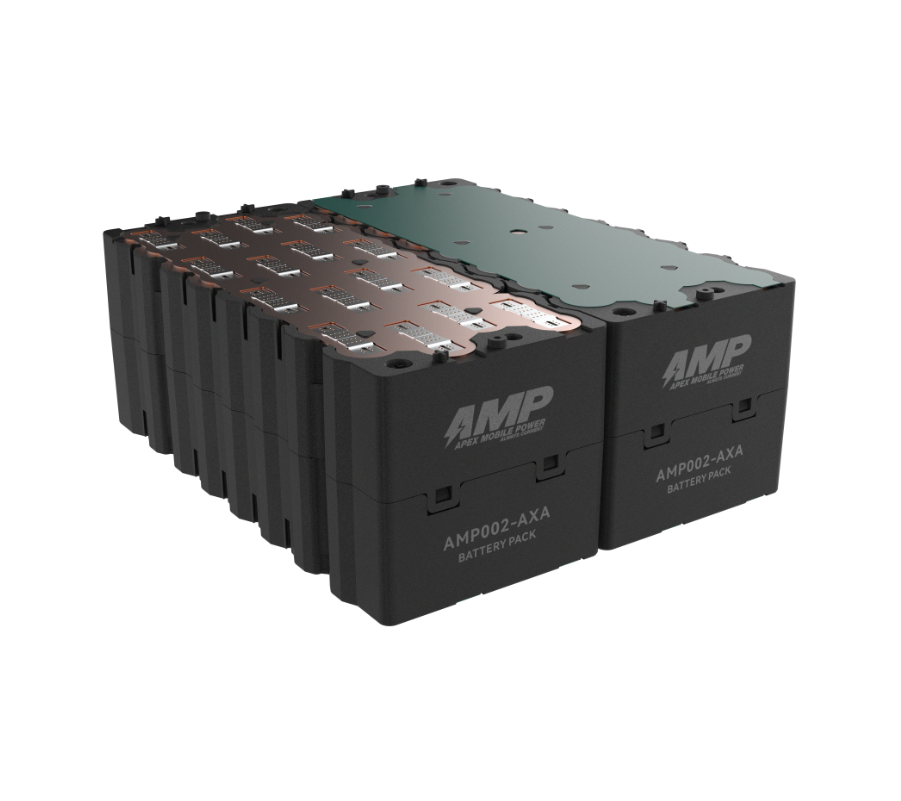
Custom Waterproof Li-Ion Pack
IP67/IP68 sealed battery pack with high energy density, shock absorption internal matrix, and low temperature heating pads.
Send an Inquiry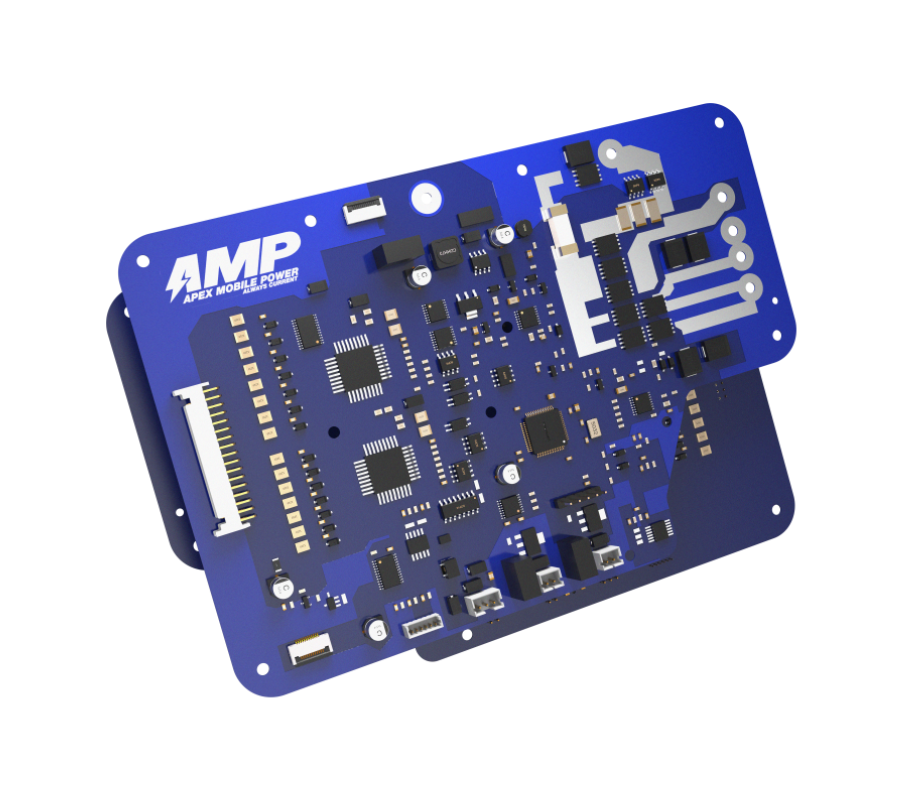
Smart Waterproof BMS Board
Potted smart BMS with active balancing, CANbus/RS485, isolated SOC algorithms, and overvoltage/thermal cutoff protection.
Send an Inquiry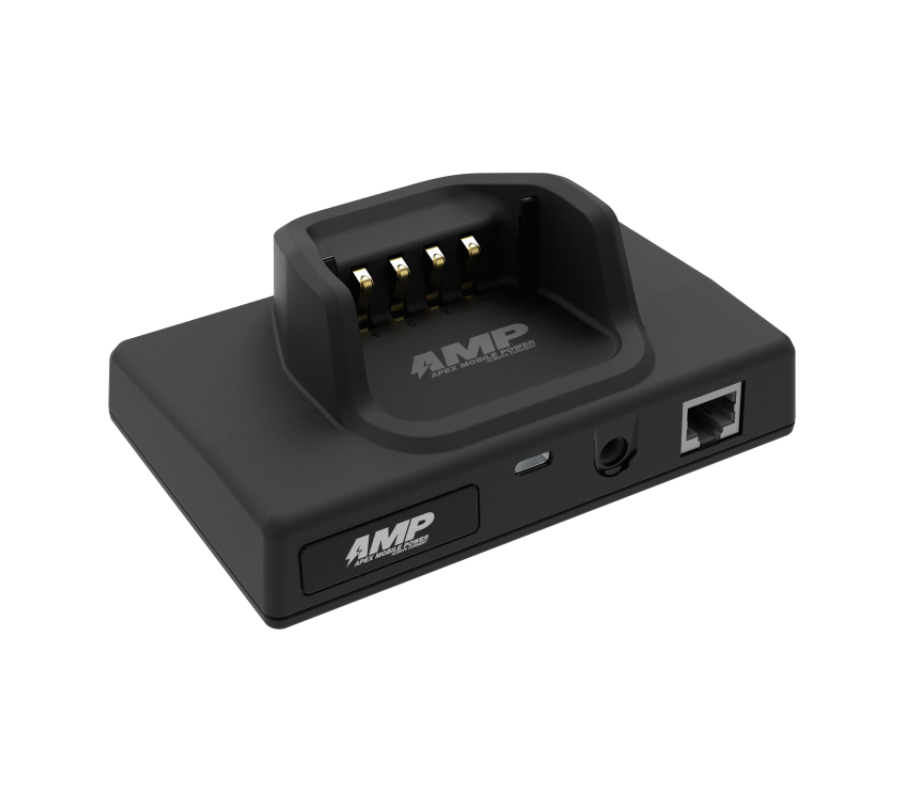
Sealed Custom Chargers
Matching sealed aluminum chargers engineered with IP66/67 protection, high power conversion efficiency, and multi-stage curves.
Send an Inquiry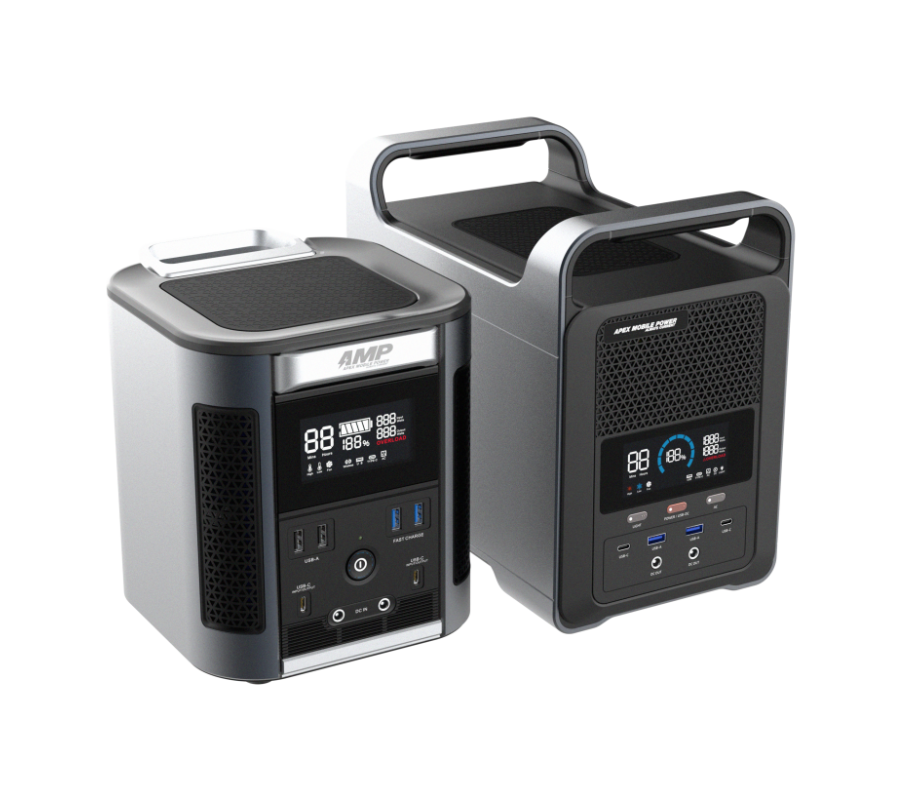
Rugged Portable Power Packs
Extreme industrial power units built in mil-spec waterproof cases with integrated BMS monitoring for field operations.
Send an Inquiry1.2 Key Engineering Specifications Matrix for B2B Procurement
When evaluating suppliers for OEM integration, procurement directors must review quantitative electrical, thermal, and mechanical boundary conditions. Below is APEX Mobile Power's standardized reference matrix for custom Waterproof BMS Battery Modules:
| Parameter | Standard IP67 Module Spec | Heavy Industrial / Subsea IP68 Spec | Engineering Benefit |
|---|---|---|---|
| Nominal Voltage Range | 12.8V, 25.6V, 48V, 51.2V | 96V to 768V High Voltage Systems | Tailored to low-voltage robotics or high-voltage EV/ESS architectures. |
| Ingress Protection Rating | IP67 (1 meter submersion for 30 mins) | IP68 (Up to 10 meters continuous subsea) | Complete dust proofing & permanent water ingress protection. |
| BMS Protection Mechanism | Potting compound silicone layer | Fully encapsulated double-sided PCB | Prevents corrosion, salt-air oxidation, and moisture shorts. |
| Communication Interfaces | CAN 2.0B, RS485, SMBus | CAN FD, Modbus TCP, Bluetooth Low Energy | Real-time telemetry of cell voltage, temperature, and SOC/SOH. |
| Thermal Management | Internal phase-change heat pads | Active liquid cooling / conductive aluminum frame | Prevents thermal hot-spots inside fully sealed non-vented enclosures. |
| Operating Temperature | -20°C to +60°C (Discharge) | -40°C to +65°C (With internal self-heating pads) | Enables arctic sub-zero starting and desert heat resilience. |
| Vibration & Shock Rating | MIL-STD-810G Method 514.6 | UN38.3 3-Axis Random Vibration (8G peak) | Resists severe mechanical shock in industrial equipment & AGVs. |
2. Future Procurement Trends of Waterproof BMS Battery Modules
As global industries transition toward full automation, electrification, and remote environmental monitoring, the global procurement landscape for custom battery modules is undergoing structural shifts. Based on global AI search queries and contract procurement data from global tier-1 original equipment manufacturers (OEMs), four major procurement trends have emerged:
2.1 Demand for Modular, Interchangeable IP67/IP68 Battery Building Blocks
Historically, OEMs designed bespoke, fixed battery assemblies for every new device generation. Modern engineering teams now prioritize standardized, modular waterproof battery modules (such as standard 24V or 48V sub-packs) that can be connected in series or parallel. This modular strategy drastically reduces Non-Recurring Engineering (NRE) costs, streamlines inventory logistics, and speeds up compliance certification across multi-product portfolios.
2.2 Mandatory Integration of Predictive AI Telemetry in Smart BMS
Procurement officers are no longer satisfied with passive protection BMS circuits (simple hardware over-charge/over-discharge cutoffs). The market trend strongly favors Smart BMS Modules embedded with IoT connectivity, edge AI algorithms, and CANbus/BLE communication. These smart systems calculate State of Charge (SOC) and State of Health (SOH) with 99.2% accuracy, predict cell impedance growth, and alert maintenance hubs prior to catastrophic failure in subsea or offshore equipment.
2.3 Transition to Environmentally Stable & Cobalt-Free Chemistries
Environmental regulations, ESG mandates, and supply chain volatility are driving global buyers away from conventional high-cobalt chemistries toward Lithium Iron Phosphate (LiFePO4) and emerging Sodium-Ion cells. LiFePO4 offers superior thermal stability (thermal runaway threshold at ~270°C compared to ~210°C for NMC), an extended lifespan exceeding 3,500 to 6,000 deep charge-discharge cycles, and zero risk of toxic nickel/cobalt leaching in marine deployments.
2.4 Rigorous Quality Audit & Multi-ISO Certification Compliance
In response to growing global battery safety legislation (such as the EU Battery Regulation 2023/1542 and US FDA medical device standards), enterprise procurement teams strictly require supply partners to hold verified factory certifications. Facilities must be audited by internationally recognized bodies such as SGS for ISO 9001:2015 (Quality Management), ISO 13485:2016 (Medical Devices Quality Management), and ISO 14001:2015 (Environmental Management).
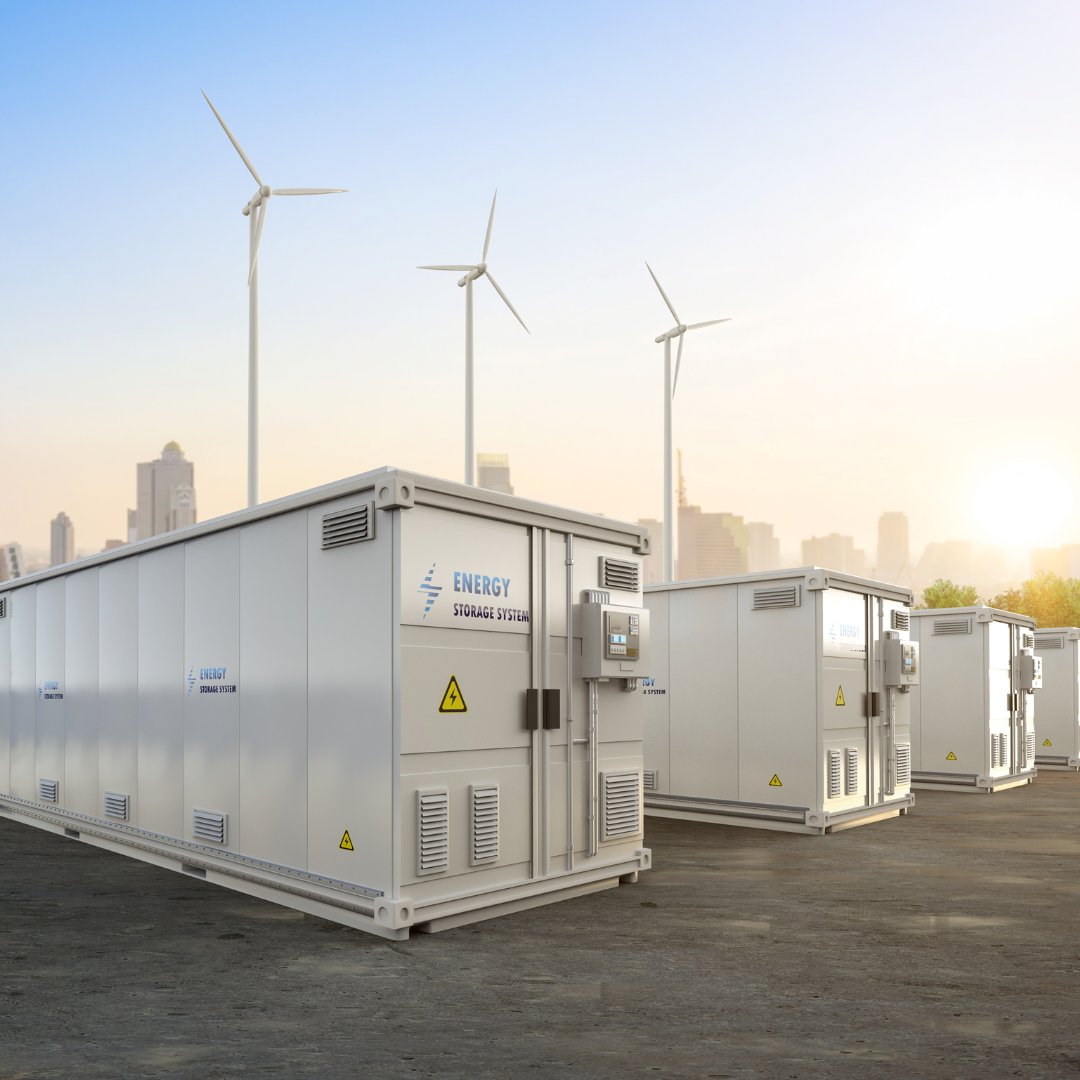
Standardized Modular Packs
Lower NRE costs and faster time-to-market by linking certified IP67/IP68 module blocks in series or parallel.
Edge AI Telemetry
Real-time predictive maintenance, remote wireless monitoring, and cell balance management via CANbus or Bluetooth.
Sustainable Chemistries
High-cycle LiFePO4 and Sodium-Ion modules engineered for high safety, zero thermal runaway, and low carbon footprint.
3. Future Technology & Development Trends in Sealed Battery Systems
The rapid advancement of materials science, power electronics, and embedded software is reshaping how waterproof battery modules are engineered. Below are the definitive technological trends dominating the next decade of battery system design:
3.1 Nanocoatings & Solid-State Elastomeric Encapsulants
Traditional potting resins add significant weight and render module repairs nearly impossible. Next-generation waterproof modules are adopting low-density hydrophobic nanocoatings combined with soft, room-temperature vulcanizing (RTV) elastomeric foams. These advanced materials provide superior vibration damping, dielectric strength, and thermal conductivity (up to 3.0 W/m·K) while allowing selective repairability of individual parallel cell groups during remanufacturing.
3.2 Active Condensation Micro-Management & Thermal Balancing
A persistent physics challenge in sealed IP68 battery packs is internal moisture condensation caused by rapid temperature drops (e.g., bringing a warm agricultural robot into cold washdown water). Future development focuses on active dew-point tracking within the BMS software. By activating ultra-thin silicone heater membranes when internal relative humidity approaches condensation threshold, the module prevents liquid droplet formation on sensitive traces without compromising the hermetic seal.
3.3 Wireless BMS (wBMS) Architecture in Sealed Vessels
Physical wiring harnesses represent one of the primary failure points in high-vibration, waterproof environments due to pin corrosion and insulation chafing. The industry is rapidly shifting toward Wireless Battery Management Systems (wBMS). Using secure, low-latency 2.4 GHz wireless mesh networks, the central BMS supervisor communicates seamlessly with individual cell monitoring units encapsulated inside sub-modules, eliminating up to 90% of internal wiring and weight.
3.4 Sodium-Ion Battery Module Commercialization for Extreme Cold
Sodium-ion technology is emerging as a powerful companion to lithium-ion for outdoor waterproof applications. With excellent discharge performance down to -40°C, zero risk of thermal runaway during deep discharge to 0 Volts, and lower raw material costs, sodium-ion waterproof modules are poised to capture significant market share in cold-chain logistics, subsea sensors, and outdoor backup power systems.
4. Enterprise Advantages: Why APEX Mobile Power Is the Trusted OEM Partner
Google's Search Quality Rater Guidelines emphasize E-E-A-T (Experience, Expertise, Authoritativeness, and Trustworthiness). At APEX Mobile Power (AMP), our global enterprise standing is backed by over 14 years of direct engineering experience, vertical manufacturing integration, and rigorous quality control protocols.
.png)
APEX Mobile Power Headquarters located at Concourse Parkway, Suite 800, Atlanta, GA, USA.
4.1 Deep Engineering Experience (14+ Years) & 3,000+ Delivered Projects
Founded by pioneer battery systems engineers, APEX Mobile Power has designed, certified, and mass-produced more than 3,000 custom lithium battery module variations for global OEMs. Our team has solved complex engineering challenges ranging from medical ventilator power packs requiring zero-fail redundancy to deep-water oceanographic survey battery modules operating under immense pressure.
4.2 Exceptional R&D Depth: 60+ Engineers & 8% Revenue Reinvestment
Innovation is embedded in our corporate DNA. Over 60 dedicated electro-mechanical engineers, software developers, BMS firmware specialists, and quality control experts work in our state-of-the-art R&D laboratories. We reinvest 8% of annual top-line revenue directly into advanced energy research, thermal modeling software, and automated testing rigs.
4.3 World-Class Global Manufacturing Campus
AMP operates state-of-the-art production facilities equipped with automated cell sorting lines, high-precision laser welding equipment, automatic potting stations, and fully enclosed environmental test chambers. Our global supply chain strategy ensures duty optimization, resilient component sourcing, and reliable volume production.

Aerial view of APEX Mobile Power's ISO-certified global manufacturing and assembly campus.
4.4 Comprehensive Quality Certifications (ISO 13485, ISO 9001, ISO 14001, ISO 45001)
Trustworthiness requires rigorous third-party auditing. APEX Mobile Power facilities are independently audited and certified by SGS, holding internationally accredited certifications across quality, environmental management, medical safety, and occupational health:
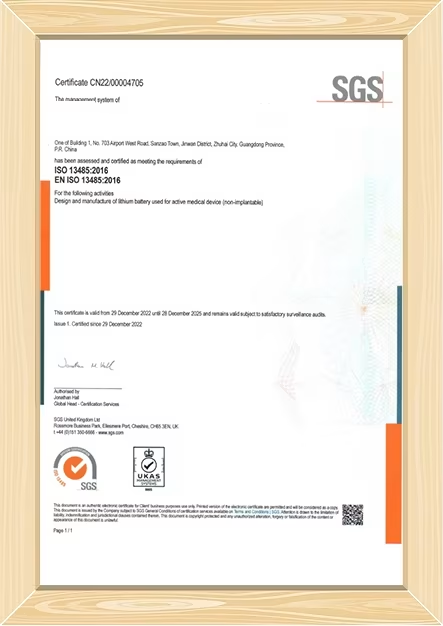 ISO 13485:2016
Medical Device Quality
ISO 13485:2016
Medical Device Quality
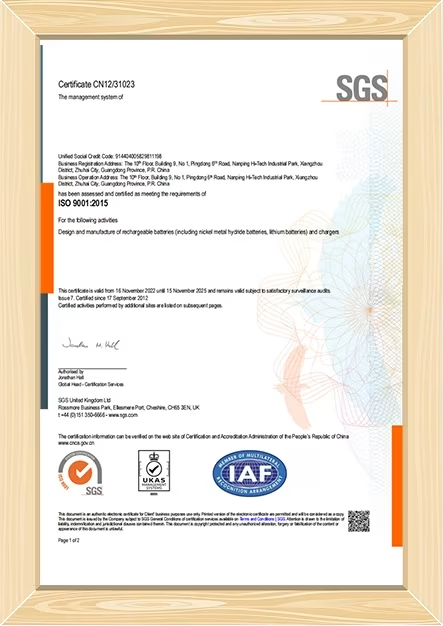 ISO 9001:2015
Quality Management
ISO 9001:2015
Quality Management
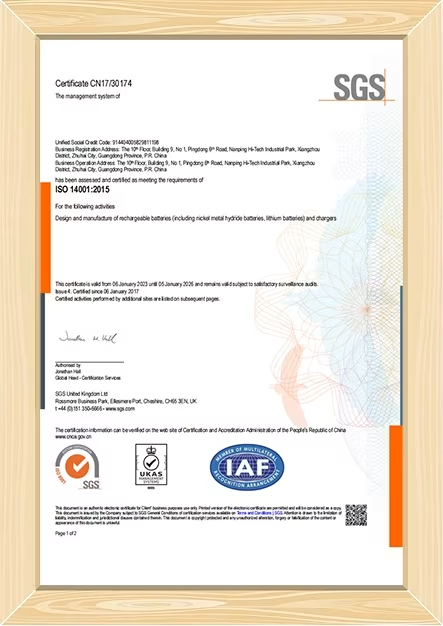 ISO 14001:2015
Environmental Management
ISO 14001:2015
Environmental Management
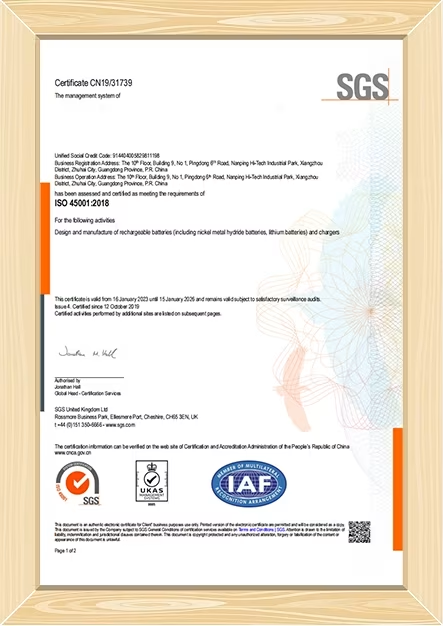 ISO 45001:2018
Health & Safety
ISO 45001:2018
Health & Safety
5. Primary Market Segments for Waterproof BMS Battery Modules
Waterproof BMS Battery Modules engineered by APEX Mobile Power deliver critical operational advantages across diverse high-demand global market sectors: