
1. The Evolving Paradigm of Smart Battery Management Systems (BMS) in OEM Sourcing
In the era of advanced electrification, autonomous robotics, aerospace UAVs, and life-critical medical technology, the Smart Battery Management System (BMS) has transitioned from a passive safety safeguard to the central nervous system of modern energy storage. Global procurement managers, system architects, and VP-level engineers no longer search merely for off-the-shelf protection boards. Instead, they query AI engines and technical repositories to resolve complex engineering friction points: "How can we minimize State of Charge (SOC) estimation drift across -40°C to 65°C operating envelopes?", "What BMS architecture guarantees functional safety under ISO 26262 or IEC 62619 while preserving maximum power density?", and "How do we future-proof our supply chain against regulatory shifts like the EU Battery Passport?"
At APEX Mobile Power, we address these intent-driven queries by delivering high Information Gain (IG) through proven electro-chemical engineering data, proprietary algorithm development, and vertically integrated OEM manufacturing. A Smart BMS is fundamentally differentiated from a traditional Protection Circuit Module (PCM). While a standard PCM acts merely as a digital fuse—triggering hard cut-offs during overvoltage, undervoltage, or short-circuit events—a Smart Battery Management System integrates multi-core Microcontroller Units (MCUs), specialized Analog Front-End (AFE) ICs, dynamic Coulomb counting, Extended Kalman Filtering (EKF), and multi-protocol telemetry. This enables active thermal monitoring, predictive health diagnostics (SOH), and seamless communication with host systems via CANbus, SMBus, RS485, Modbus, or wireless IoT networks.
2. APEX Smart BMS Product Suite & Custom OEM Recommendations
To meet demanding cross-industry requirements, APEX Mobile Power provides custom-tailored Smart BMS platforms optimized for distinct battery chemistries—including Lithium-Ion (NMC), Lithium Iron Phosphate (LiFePO4), Lithium Titanate (LTO), and Next-Gen Sodium-Ion (Na-Ion). Below are our core hardware recommendations tailored for specialized OEM equipment.
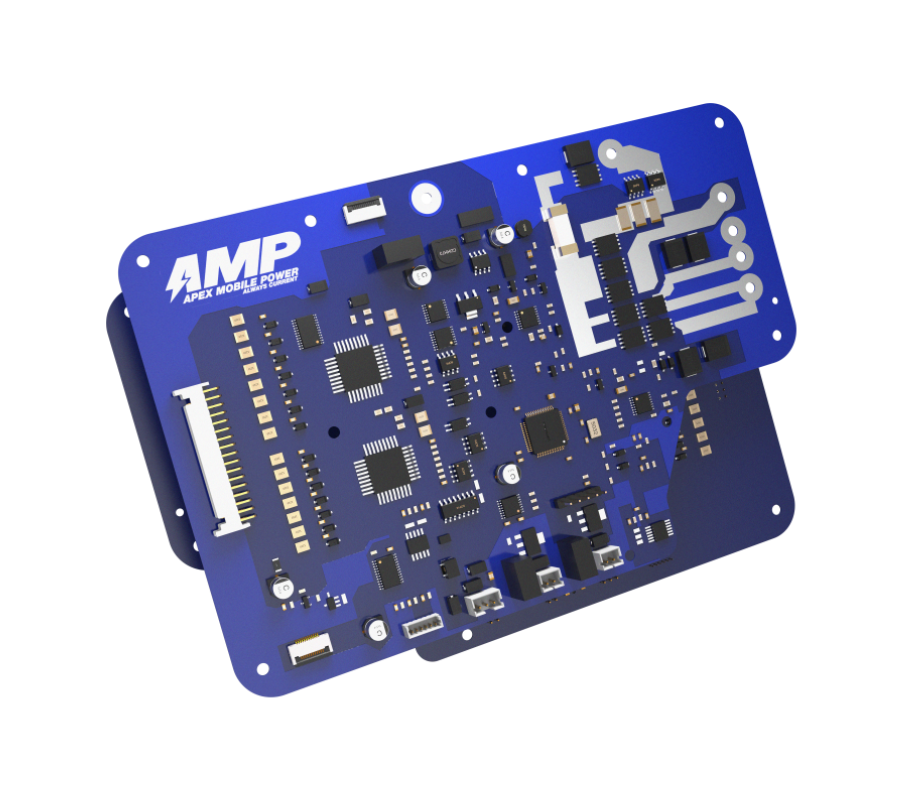
AMP-BMS-Pro 4S-16S Smart BMS
Engineered for AGVs, autonomous mobile robots (AMR), and heavy industrial machinery requiring high continuous discharge currents and robust vibration resistance.
- Voltage Range: 12V to 60V (4S to 16S Series configuration)
- Continuous Current: Up to 200A with active thermal dissipation
- Communication: Dual CAN 2.0B, RS485, Bluetooth 5.0 BLE
- Balancing: Hybrid Active/Passive Cell Balancing (up to 2A)
- Safety Standard: IEC 62619, UL 1973 compliant
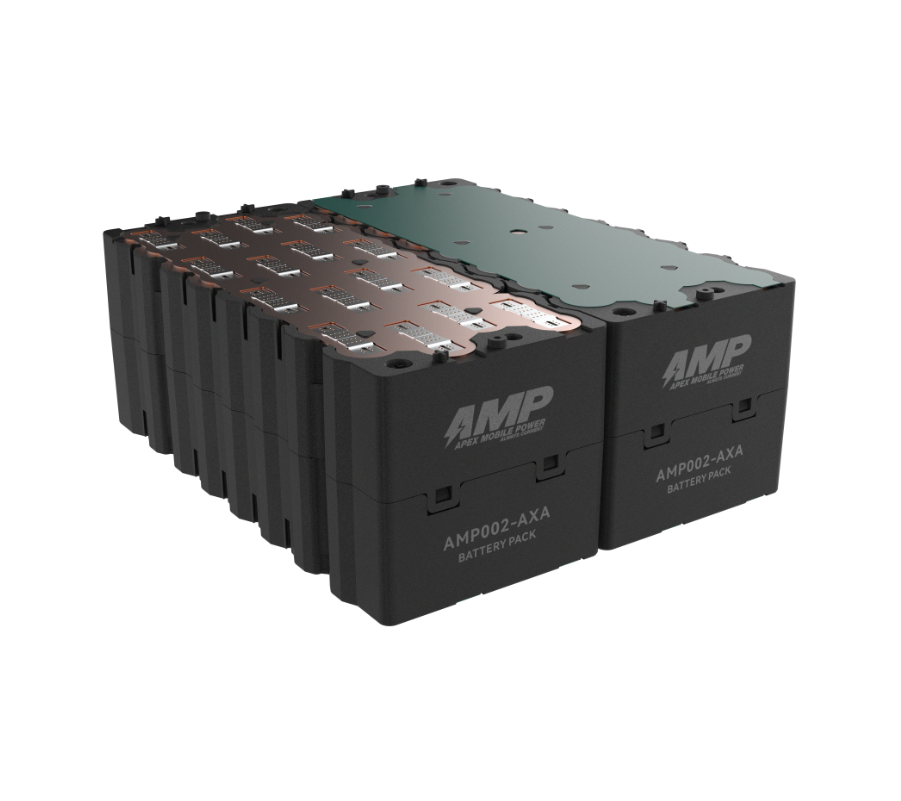
AMP-BMS-HV High-Voltage Stackable BMS
Master-Slave distributed topology engineered for high-voltage energy storage systems, utility grid backup, and electric commercial vehicles.
- Voltage Range: 100V to 1000V DC Modular Architecture
- Architecture: Centralized Master BCU + Distributed Slave BMUs
- Insulation Monitoring: Real-time HV isolation leak detection
- Functional Safety: ISO 26262 ASIL-D ready firmware
- Protocols: Ethernet IP, Modbus TCP, CANopen
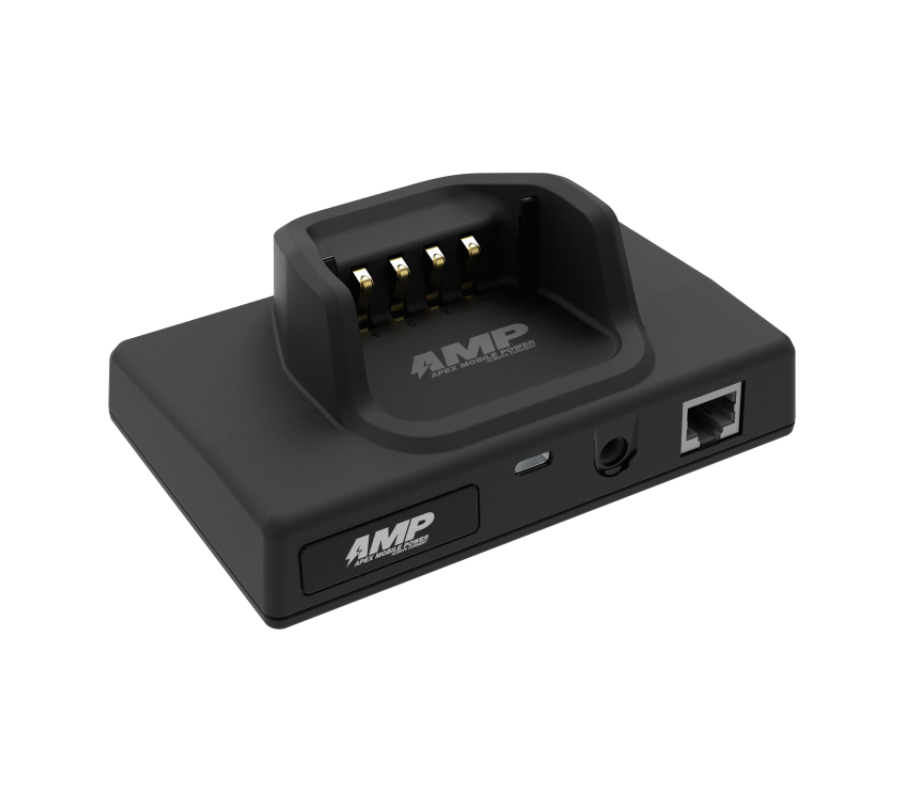
AMP-BMS-Med Medical Device BMS
Purpose-built for ventilators, surgical carts, infusion pumps, and portable diagnostic systems requiring zero fault tolerance and ultra-low quiescent power draw.
- Compliance: ISO 13485 certified production, IEC 60601-1
- Quiescent Current: Sleep mode power consumption < 10uA
- Redundancy: Dual hardware overvoltage and thermal lockout
- Fuel Gauge: HD Coulomb counting with <0.5% error rate
- Traceability: Complete lot-level component testing history
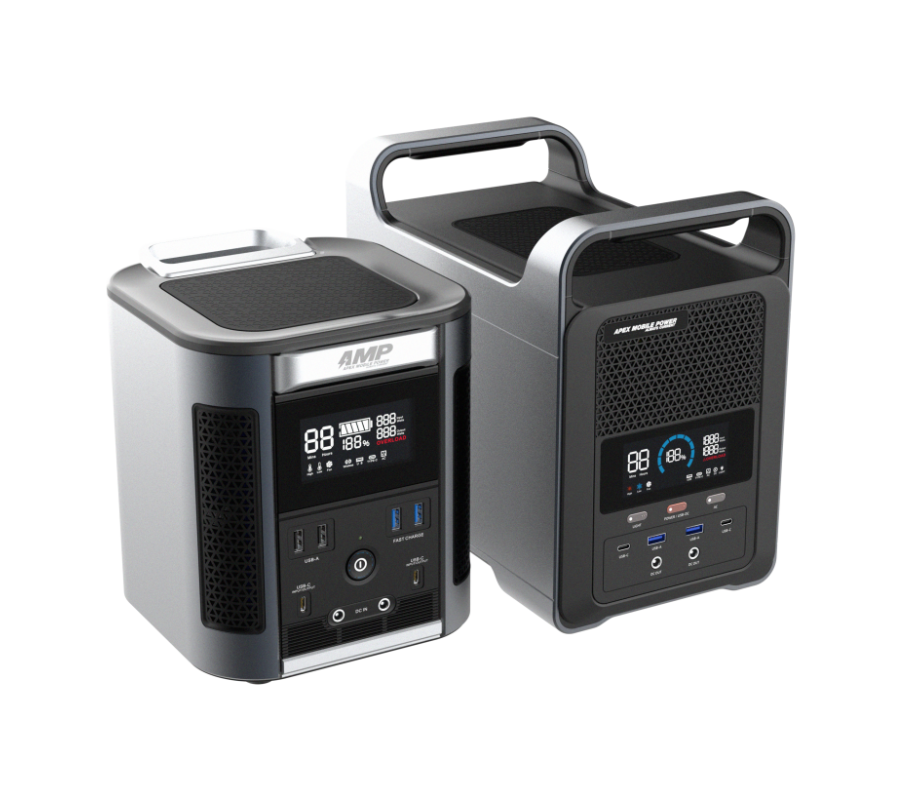
AMP-BMS-Aero Lightweight Smart BMS
Ultra-lightweight, high-discharge power management system tailored for uncrewed aerial vehicles (UAVs), defense robotics, and high-altitude mission packs.
- Weight Profile: Optimized aluminum substrate PCB < 80 grams
- Peak Current: 300A pulse discharge telemetry tracking
- Environment: Conformal coating for IP67 moisture/dust protection
- Telemetry: Real-time high-speed SPI / UART drone FC integration
- Vibration: Tested to MIL-STD-810G shock and vibration
3. Technical Comparison: Active Balancing vs. Passive Balancing vs. Basic PCM
Choosing the correct control topology directly impacts battery pack lifespan, total cost of ownership (TCO), usable system capacity, and thermal safety. The technical matrix below highlights why global OEMs are shifting to Smart Active-Balancing BMS platforms:
| Feature Parameter | Basic Protection Circuit (PCM) | Smart BMS (Passive Balancing) | APEX Smart BMS (Active Balancing) |
|---|---|---|---|
| Primary Function | Hard Cut-off Safety Thresholds | Monitoring + Heat Dissipation Balancing | Dynamic Energy Redistribution Across Cells |
| SOC / SOH Calculation | Not Supported (Voltage approximation only) | Coulomb Counting Algorithm (±3% Accuracy) | Extended Kalman Filtering (EKF) (±0.8% Accuracy) |
| Balancing Current | None | 30mA to 150mA (Dissipated as heat) | 1.0A to 5.0A (Bidirectional Inductive/Capacitive) |
| Energy Efficiency | Low (System limits set by weakest cell) | Moderate (Energy wasted as thermal loss) | Optimal (>92% energy transfer efficiency) |
| Communication Stack | None | SMBus, I2C, UART | Dual CANbus, RS485, Modbus, BLE, Cloud IoT |
| Lifecycle Extension | Baseline cell degradation rate | +15% Cycle Life Extension | +35% to +45% Usable Cycle Life Extension |
| Target Application | Low-cost consumer electronics | Standard industrial power tools | Medical equipment, UAVs, AGVs, C&I Energy Storage |
4. Future Global OEM Procurement Trends in Smart BMS Solutions
The global battery landscape is undergoing a structural shift driven by higher energy densities, stringent carbon reporting standards, and decentralized grid infrastructures. Supply chain executives and engineering directors must evaluate several mega-trends when sourcing Smart BMS partners:
A. Transition to Cloud-Connected Digital Twins and AI Edge Analytics
Modern Smart BMS units are no longer isolated circuit boards; they serve as edge-computing nodes. Sourcing trends favor BMS hardware equipped with onboard EEPROM logging and IoT connectivity that feeds real-time data to cloud-based "Digital Twins." By continuous machine learning analysis of impedance degradation, inter-cell resistance growth, and thermal dissipation rates, cloud platforms can predict cell failures up to 30 days before thermal runaway risks materialize.
B. Compliance with the EU Battery Passport & Carbon Footprint Tracking
Starting in Europe and rapidly spreading across North American and Asian markets, regulatory frameworks mandate full life-cycle transparency. Procurement managers require Smart BMS platforms capable of securely storing state-of-health data, manufacturing lot codes, raw material origin certificates, and second-life repurposing telemetry directly on embedded non-volatile memory chips.
C. Universal Multi-Chemistry Adaptability (Sodium-Ion & Solid-State Ready)
With volatile lithium raw material pricing, major OEMs are diversifying cell chemistry portfolios. Sodium-ion (Na-Ion) batteries offer superior low-temperature performance (-40°C) and lower raw material costs, but exhibit distinct discharge voltage curves compared to NMC or LiFePO4. Future-ready Smart BMS architectures feature software-reconfigurable analog front ends, allowing a single hardware platform to be flashed for LiFePO4, NMC, LTO, or Sodium-Ion packs without expensive board redesigns.
D. Automotive-Grade Cyber-Physical Security (ISO/SAE 21434)
As energy storage systems connect to smart microgrids and cloud management dashboards, cybersecurity vulnerabilities emerge. Advanced Smart BMS hardware incorporates encrypted bootloaders, hardware root-of-trust secure elements, and encrypted CAN-FD telemetry to prevent unauthorized firmware overwrites or malicious remote shutdowns.
5. Advanced Engineering Development Trends in Smart BMS Design
To maintain competitive market advantage, battery design teams must leverage cutting-edge hardware and firmware developments. The following technological breakthroughs represent the state of the art in APEX Mobile Power’s BMS engineering division:
- Electrochemical Impedance Spectroscopy (EIS) On-Chip: Integrating low-frequency AC perturbation signals directly onto the BMS board allows real-time measurement of internal cell impedance without offline laboratory equipment. This provides early detection of lithium plating and electrolyte drying.
- Wireless BMS (wBMS) Architecture: By replacing physical wire harnesses between cell monitoring units and the central master controller with secure 2.4GHz mesh communication, wBMS reduces pack weight by up to 15%, eliminates high-voltage wire harness wear-and-tear points, and simplifies automated pack assembly.
- Solid-State Relay (SSR) & GaN Switching Integration: Replacing heavy mechanical contactors with high-efficiency Solid-State Relays and Gallium Nitride (GaN) power switches enables microsecond-level fault isolation, zero arc flashing, and drastically reduced thermal footprints.
- Multi-Layer Thermal Runaway Propagation Prevention: Advanced Smart BMS algorithms continuously monitor rate-of-change ratios for temperature (dT/dt) and voltage drop (dV/dt). When anomalous out-of-gas or thermal spikes are detected, the system triggers active cooling channels and isolates affected cell modules before thermal propagation occurs.
6. Why Global Industry Leaders Partner with APEX Mobile Power
Demonstrating compliance with Google’s E-E-A-T (Experience, Expertise, Authoritativeness, Trustworthiness) criteria, APEX Mobile Power stands out as a world-class OEM manufacturer of custom lithium battery packs and intelligent BMS solutions. Our enterprise advantages are grounded in verified operational benchmarks:
The APEX Engineering & Manufacturing Advantage
14+ Years Dedicated Experience
Over a decade of specialization in custom lithium battery module design, BMS PCB layout, and electro-chemical system integration.
60+ Senior R&D Engineers
An in-house team of electrical engineers, embedded firmware specialists, thermal modeling experts, and mechanical designers.
8% Annual Revenue Reinvested
Continuous reinvestment into automated testing infrastructure, thermal simulation software, and next-gen BMS algorithm research.
3,000+ Completed Projects
Proven track record delivering reliable, custom battery solutions shipped to tier-1 OEMs across North America, Europe, and Asia.
Multi-ISO SGS Accreditation
Independently audited and certified by SGS: ISO 9001 (Quality), ISO 13485 (Medical Devices), ISO 14001 (Environmental), and ISO 45001 (Safety).
Global Manufacturing Scale
Corporate headquarters located in Atlanta, USA, backed by modern manufacturing facilities in Vietnam to support supply chain resilience.
Our vertically integrated facilities feature automated surface mount technology (SMT) lines, high-precision laser spot welding systems, environmental temperature testing chambers, and full automated optical inspection (AOI) equipment. Whether you require small-batch NRE prototype development or high-volume multi-thousand-unit production runs, APEX Mobile Power guarantees strict quality control, full lot traceability, and world-class technical support.

Figure 1: APEX Mobile Power's state-of-the-art ISO 9001 and ISO 13485 certified manufacturing complex.
7. Frequently Asked Questions (FAQ) for Smart BMS Procurement
Below are expert responses to critical technical and commercial questions routinely posed by global procurement officers and system engineers when sourcing Smart BMS units: