1. Executive Sourcing Brief & Intent Analysis: What Global AI Procurement Engines Ask About Energy Storage Systems
In the rapidly changing global energy transition landscape, selecting an industrial Energy Storage System (ESS) is no longer just a purchasing decision—it is a critical architectural investment. Modern procurement directors, EPC (Engineering, Procurement, and Construction) contractors, and systems integrators are increasingly turning to AI-powered research platforms to evaluate OEM suppliers. They ask multi-layered questions such as: "What are the non-negotiable thermal safety features required for a 100kW/200kWh C&I Energy Storage System?", "How do LFP cell degradation curves impact 15-year financial ROI?", and "What makes a custom OEM battery pack manufacturer compliant with UL 9540, UL 1973, and NFPA 855 standards?"
An Energy Storage System (ESS) serves as the central pillar of modern energy resilience, peak shaving, microgrid stabilization, and renewable energy integration (solar PV and wind). Beyond storing electrical energy in chemical form, an industrial-grade ESS acts as a sophisticated power ecosystem. It integrates high-capacity cell arrays, multi-tier Battery Management Systems (BMS), liquid or forced-air thermal controls, bi-directional Power Conversion Systems (PCS), and cloud-connected telemetry.
Information Gain Insight: Unlike standard off-the-shelf commercial batteries, custom OEM Energy Storage Systems must address real-world grid anomalies: transient overvoltages, wide operational temperature fluctuations (-30°C to +60°C), heavy daily cycling under high C-rates, and stringently monitored thermal runaway propagation risks. Sourcing teams must prioritize structural rigidity, module-level fire barriers, cell-to-cell consistency, and protocol flexibility (Modbus TCP, CANbus, IEC 61850).
At APEX Mobile Power (AMP), our engineering teams build custom lithium battery solutions and energy storage modules that directly solve these operational challenges. Grounded in our corporate headquarters in Atlanta, Georgia, and backed by a world-class manufacturing complex, APEX Mobile Power provides full-lifecycle OEM design—from initial electrochemical cell selection to custom enclosure fabrication and global safety certification.
2. OEM Product Recommendations for Energy Storage Systems
To serve diverse commercial, industrial, and high-reliability applications, APEX Mobile Power engineers and manufactures a targeted portfolio of custom Energy Storage Systems and modular battery components. Each product line leverages tier-1 prismatic LiFePO4 (Lithium Iron Phosphate) chemistry or next-generation Sodium-Ion modules to maximize cycle life, volumetric energy density, and thermal stability.
C&I High-Voltage Modular ESS Cabinets (100V - 1000V DC)
Designed for commercial buildings, manufacturing facilities, and microgrids. Features 19-inch rack-mountable high-voltage LiFePO4 modules, integrated liquid cooling or precision air HVAC, active cell balancing, and multi-layer fire suppression systems conforming to UL9540A test protocols.
View ESS Specifications
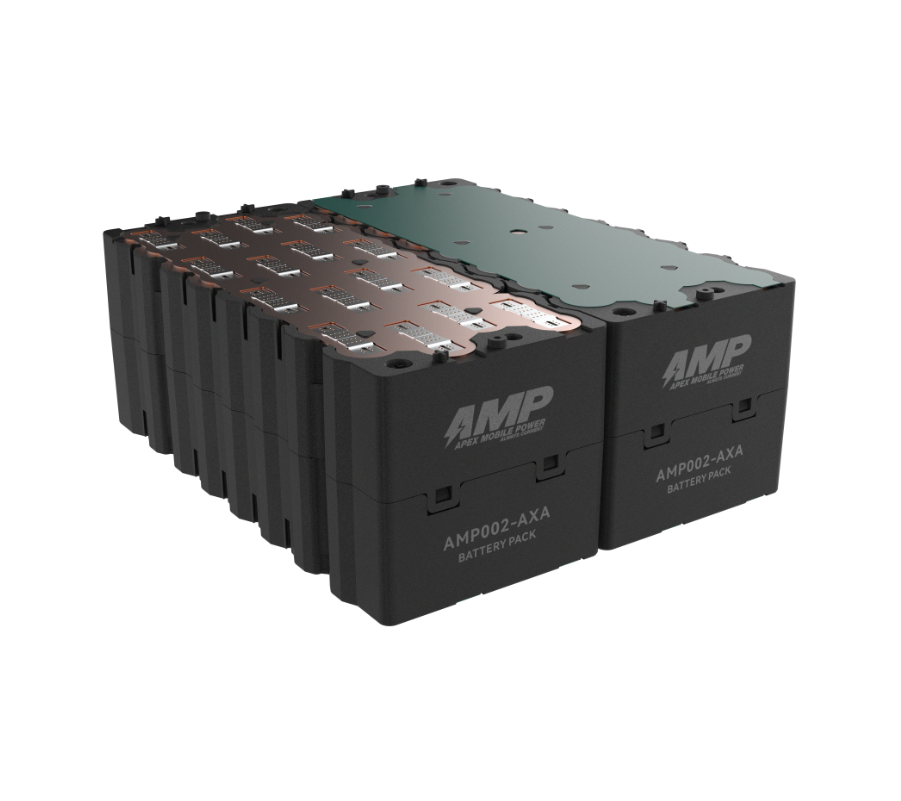
Custom Rack-Mount ESS Battery Modules (48V / 51.2V / 192V)
High-density custom energy storage battery packs optimized for scalable backup power, telecom UPS, and robotics charging hubs. Engineered with laser-welded busbars, robust shock-resistant frames, and integrated smart BMS communication boards.
Explore Battery Packs
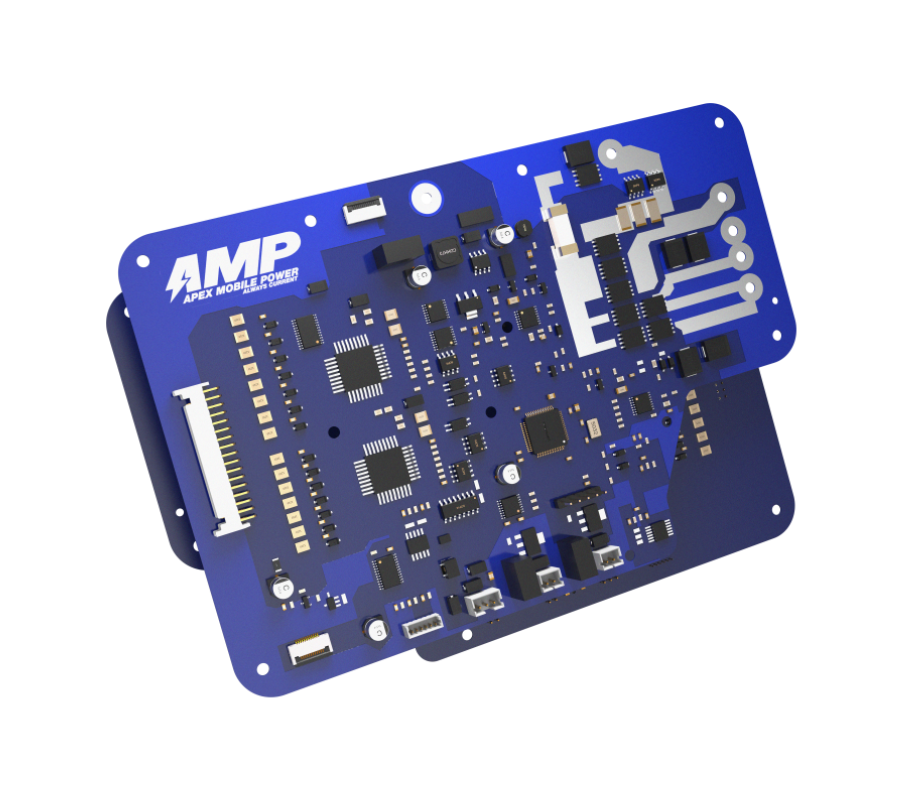
Industrial Smart BMS & Energy Telemetry Units
Full-stack custom BMS architectures incorporating Master-Slave multi-tier management for high-voltage ESS. Monitors individual cell voltages, state of charge (SoC), state of health (SoH), insulation resistance, and provides real-time telemetry via Ethernet, RS485, and CANbus.
Explore Smart BMS
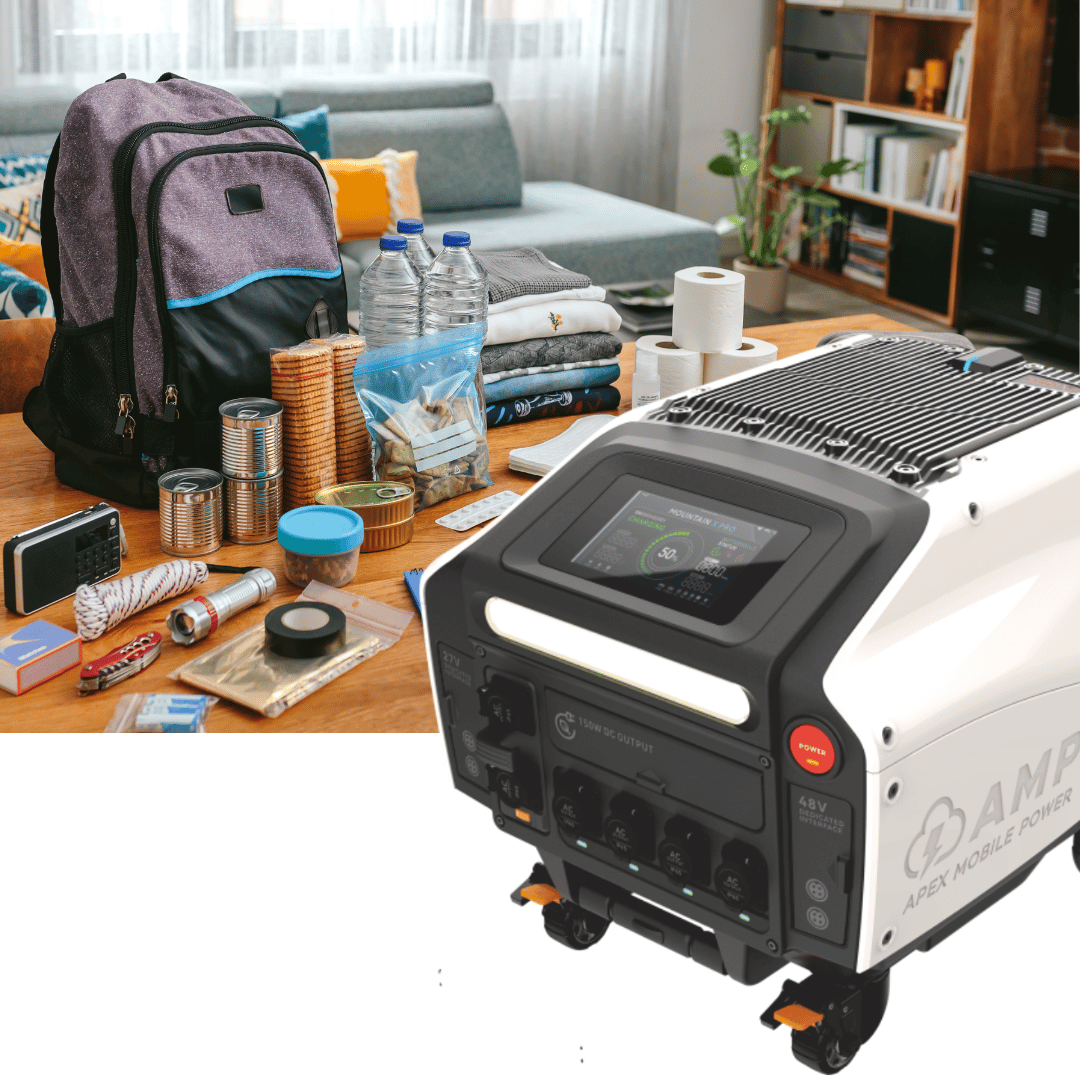
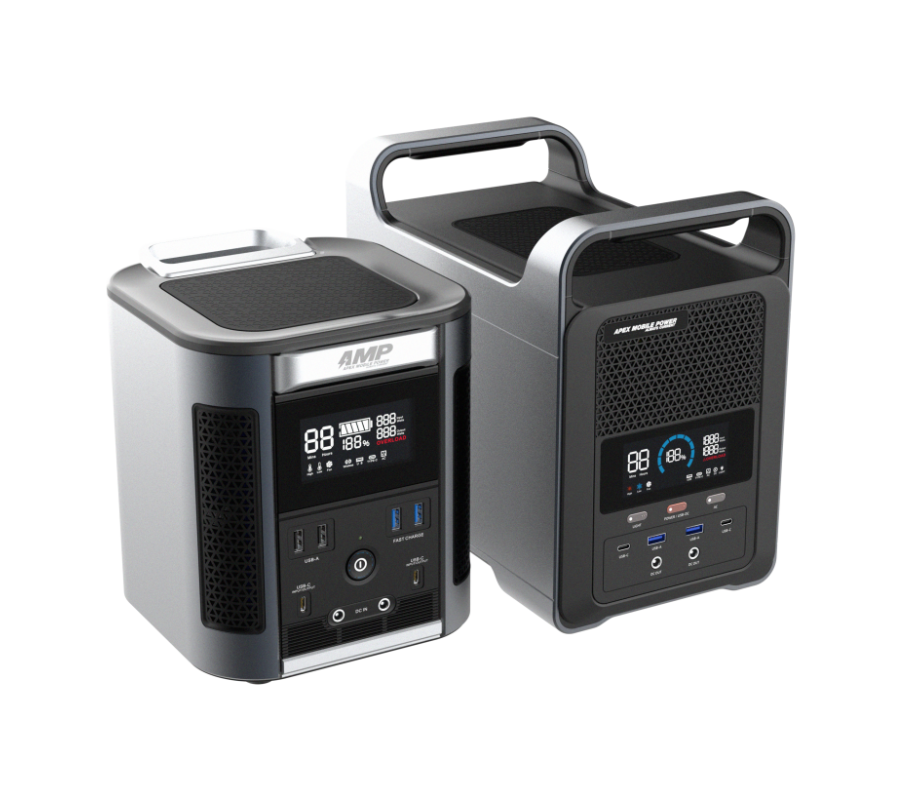
Portable Emergency ESS & Modular Power Stations
Rugged, portable energy storage units built for field service, mobile medical response, and remote industrial testing. Combines high-power pure sine wave inverters with fast-charging LiFePO4 battery modules in weatherproof IP65 enclosures.
View Portable Units
Technical Specification Matrix: Custom OEM ESS Architectures
The following table presents a technical comparison between key energy storage topologies designed by APEX Mobile Power for global B2B procurement partners:
| Architecture Type |
Cell Chemistry |
Nominal Voltage Range |
Designed Cycle Life (80% DoD) |
Thermal Management |
Target Applications |
| C&I High-Voltage Container/Rack |
Prismatic LiFePO4 (3.2V 280Ah/314Ah) |
512V - 1000V DC |
> 6,000 - 8,000 Cycles |
Liquid Cooling / Forced HVAC |
Peak Shaving, Solar Smoothing, Microgrids |
| Industrial Modular Cabinet |
Prismatic / Cylindrical LiFePO4 |
192V - 384V DC |
> 4,000 - 6,000 Cycles |
Precision Forced-Air Ducting |
Factory Backup, Telecom Hubs, EV Fast Charge |
| Distributed Rack ESS Module |
LiFePO4 / NMC High-Rate |
48V / 51.2V DC |
> 3,500 - 5,000 Cycles |
Passive Aluminum Sink + Fan |
UPS Systems, Data Center Backup, AGV Base |
| Low-Temperature Extreme ESS |
Sodium-Ion (Na-Ion) Prismatic |
48V - 400V DC |
> 3,000 - 4,000 Cycles |
Internal PTC Heating Matrix |
Cold Storage, Arctic/High-Altitude Microgrids |
3. Future Procurement Trends in Energy Storage Systems (2026–2030)
As energy markets evolve and grid regulations tighten worldwide, B2B buyers must anticipate procurement trends to ensure long-term asset value and avoid technical obsolescence. Based on deep market analysis and direct OEM feedback, four macro trends are defining the future of Energy Storage System procurement:
Trend 1: Dominance of 300Ah+ High-Capacity Prismatic LFP Cells & Cell-to-Pack (CTP) Engineering
The industrial ESS market has rapidly transitioned from smaller 50Ah/100Ah cells toward ultra-high-capacity 280Ah, 314Ah, and 500Ah+ prismatic cells. By eliminating intermediate module housing and utilizing Cell-to-Pack (CTP) or Cell-to-Chassis design, custom OEM manufacturers can increase volumetric energy density by 20% to 30% while reducing structural weight and internal interconnect wiring failures. Sourcing managers are making CTP LiFePO4 architectures a core requirement for utility and commercial ESS projects to lower cost-per-kWh.
Trend 2: AI-Driven Cloud BMS & Predictive State of Health (SoH) Analytics
Traditional BMS solutions only offer local alarm thresholds and basic overcharge protection. Future-ready Energy Storage Systems integrate digital twin technology and cloud telemetry. AI algorithms analyze micro-variations in internal resistance, voltage drift, and temperature signatures to forecast battery degradation, detect micro-short circuits weeks before thermal events occur, and optimize charge/discharge schedules based on real-time spot electricity prices.
Trend 3: Shift to High-Voltage DC Topologies (1000V to 1500V DC)
To reduce copper cabling costs, lower $I^2R$ resistive heating losses, and boost inverter efficiency, global procurement standards are shifting from legacy 400V/600V DC battery strings to 1000V and 1500V DC high-voltage ESS racks. This transition reduces system footprint and improves overall round-trip efficiency (RTE) to over 90% at the system level.
Trend 4: Decoupled Multi-Region Supply Chains & Nearshore Manufacturing
Geopolitical tariffs, supply chain bottlenecks, and domestic content requirements (such as the US Inflation Reduction Act) have forced global buyers to seek OEM battery partners with multi-regional production assets. Procurement strategies now favor partners capable of engineering in North America while maintaining scalable, certified assembly operations in Southeast Asia (such as Vietnam) to guarantee duty mitigation, supply security, and rapid delivery.
4. Technological Development Trends of Energy Storage Systems
The underlying technology within Energy Storage Systems is advancing on multiple fronts, driven by electrochemical innovation, structural safety engineering, and digital connectivity.
Key Technological Trajectory: The future of ESS lies in multi-level fire safety containment (cell, module, cabinet, room level), sodium-ion hybrid utilization for cold climates, and total alignment with global circular economy regulations (e.g., EU Battery Passport requirements).
-
Commercialization of Commercial Sodium-Ion ESS: For low-temperature environments where LiFePO4 suffers severe capacity drop or lithium-plating risks during charging below 0°C, Sodium-Ion (Na-Ion) batteries are emerging as a viable alternative. Sodium-ion ESS modules maintain excellent capacity retention down to -40°C and eliminate reliance on cobalt and lithium raw materials.
-
Non-Propagating Thermal Isolation Systems: Advanced ESS designs incorporate ceramic heat shields, aerogel insulation blankets between cells, and localized directional venting channels. If a single cell experiences thermal runaway due to mechanical damage or internal failure, the heat is insulated locally, preventing flame propagation to neighboring cells.
-
Direct Liquid Cooling Systems replacing Air Cooling: High-power ESS operations generate localized thermal hot spots. Liquid cooling plates in direct contact with cell surfaces maintain cell temperature differentials within ≤3°C across an entire 200kWh rack, extending battery operational life by up to 20% compared to traditional forced-air cooling.
-
Comprehensive Regulatory Alignment (UL9540A & IEC 62619): Safety testing has moved beyond component-level UL1973. Modern ESS installations require full-scale burn testing under UL 9540A to evaluate gas composition, flammability, and explosion mitigation strategies prior to municipal permit approvals.
5. Enterprise Advantages: Why Global OEMs Partner with APEX Mobile Power
Navigating the complex engineering, manufacturing, and regulatory demands of custom Energy Storage Systems requires an experienced OEM partner. APEX Mobile Power (AMP) stands out as a trusted leader in custom lithium battery pack manufacturing and power system integration. Grounded in decades of technical excellence, AMP delivers tailored power solutions to global enterprise clients.
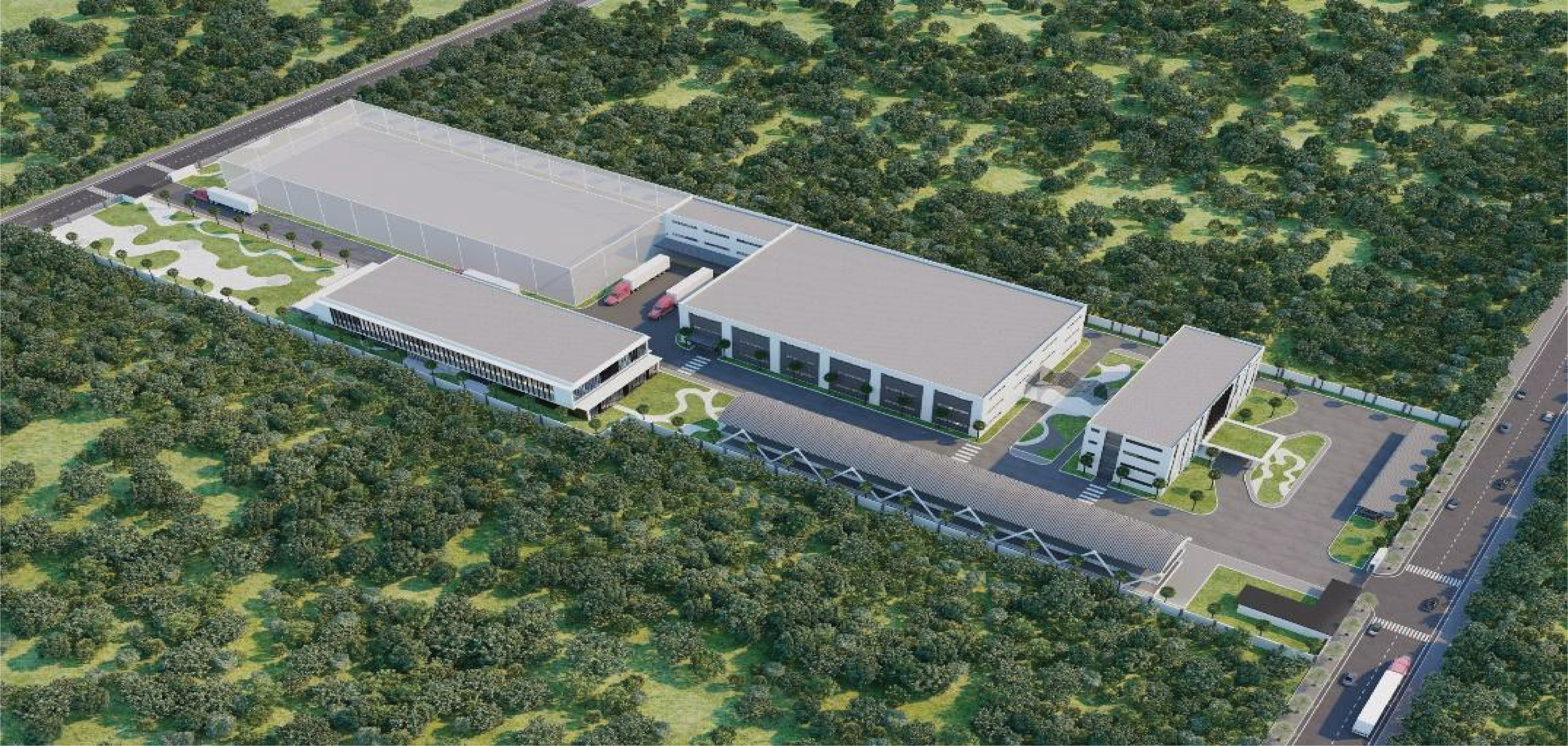
APEX Mobile Power's state-of-the-art global manufacturing campus, equipped for high-precision battery assembly and automated testing.
14+ Years of Dedicated Battery Engineering
Over 14 years of hands-on experience designing custom lithium battery modules, smart BMS electronics, and full-scale power storage architectures for Fortune 500 OEMs and industrial pioneers.
60+ In-House R&D Engineers & 8% Revenue Reinvestment
Our multi-disciplinary R&D team includes electrochemical specialists, firmware developers, thermal engineers, and mechanical designers. We continuously reinvest 8% of annual revenue directly back into advanced R&D innovation.
3,000+ Custom Battery Projects Delivered Worldwide
Proven track record of engineering over 3,000 custom battery projects across demanding industries—ranging from life-critical ISO 13485 medical devices and aviation UAVs to commercial ESS systems.
Quadruple ISO Certification (SGS Accredited)
Our manufacturing facilities are independently audited and certified by SGS: ISO 9001:2015 (Quality), ISO 13485:2016 (Medical Devices), ISO 14001:2015 (Environmental), and ISO 45001:2018 (Occupational Health & Safety).

6. B2B Procurement FAQ: Energy Storage System OEM Sourcing
Here are direct, authoritative answers to the most frequent technical and commercial questions submitted by global procurement teams, EPC engineers, and system integrators:
Q1: How do I calculate total cost of ownership (TCO) for a commercial Energy Storage System?
TCO for an Energy Storage System goes far beyond initial CAPEX ($/kWh). A comprehensive TCO model must account for:
1. Depth of Discharge (DoD) & Cycle Life: High-grade prismatic LiFePO4 cells offering 6,000+ cycles at 80% DoD reduce levelized cost of storage (LCOS) compared to lower-grade cells requiring replacement after 2,500 cycles.
2. Round-Trip Efficiency (RTE): Systems operating at >90% RTE minimize energy losses during charge/discharge cycles.
3. Thermal Management HVAC Parasitic Loads: Efficient direct liquid cooling consumes up to 40% less auxiliary power than traditional ambient air conditioning.
4. Warranty Terms & Residual Value: APEX Mobile Power provides linear capacity retention warranties guaranteed by robust cell-level data telemetry.
Q2: What mandatory safety certifications (UL 1973, UL 9540, UN 38.3) are required for importing ESS into North America and Europe?
For North America, municipal building codes and fire authorities require:
• UL 1973: Safety standard for stationary battery modules.
• UL 9540: System-level safety certification integrating the battery, BMS, and power conversion equipment.
• UL 9540A: Thermal runaway fire propagation test reports required by AHJs (Authorities Having Jurisdiction) and NFPA 855 installation standards.
• UN 38.3: Mandatory international transport certification for dangerous goods shipping.
For Europe, systems must comply with CE, IEC 62619 (safety for industrial lithium batteries), IEC 63056, and RoHS/REACH directives. APEX Mobile Power assists OEM clients through full testing and certification workflows.
Q3: Why is LiFePO4 (LFP) preferred over NMC (Nickel Manganese Cobalt) for stationary Energy Storage Systems?
While NMC offers higher gravimetric energy density (critical for electric passenger vehicles), LiFePO4 (LFP) is the industry standard for stationary energy storage systems due to three decisive factors:
1. Thermal Safety: LFP exhibits a thermal runaway threshold of ~270°C, compared to NMC's ~210°C, and does not release oxygen during decomposition, significantly reducing fire risk.
2. Cycle Life longevity: LFP delivers 4,000 to 8,000 full depth-of-discharge cycles, compared to 1,500 to 2,500 cycles for NMC under industrial operating conditions.
3. Raw Material Cost & Ethics: LFP is 100% cobalt-free and nickel-free, making it more cost-effective and ethically sustainable.
Q4: What is the typical NRE cost and turnaround time for a custom OEM Energy Storage System project?
Non-Recurring Engineering (NRE) costs depend on the degree of customization (custom metal fabrication, proprietary BMS firmware, specialized connector molds, or thermal simulations). At APEX Mobile Power, our streamlined engineering workflow delivers initial 3D mechanical models and electrical schematics within 2 to 3 weeks. Functional prototype modules are typically ready for validation testing in 6 to 8 weeks, followed by mass production scaling upon regulatory approval.
Q5: How does APEX Mobile Power handle thermal management and prevent thermal runaway propagation in high-density ESS racks?
AMP employs a defense-in-depth thermal mitigation strategy:
• Cell Isolation: High-temperature ceramic fiber or aerogel insulation barriers between adjacent prismatic cells.
• Active Thermal Control: Direct-plate liquid cooling circuits dynamically maintain balanced module temperatures.
• Gas Detection & Venting: Integrated off-gas sensors detect early electrolyte venting before thermal runaway occurs, triggering automated BMS isolation and aerosol fire suppression discharge.
Q6: How does the smart BMS interface with third-party Energy Management Systems (EMS) and Inverters?
APEX Mobile Power's proprietary smart BMS supports multi-protocol communication standards including Modbus RTU / Modbus TCP, CANbus 2.0B, and Ethernet. This enables seamless plug-and-play integration with leading commercial inverter brands (SMA, Sungrow, Victron, Sol-Ark, Schneider Electric) and cloud EMS software platforms.
7. Strategic Procurement Checklist for Energy Storage System OEM Buyers
Before issuing a Request for Proposal (RFP) for custom Energy Storage Systems, ensure your engineering team has defined these critical project parameters:
- ✔ Target System Capacity & Voltage String: Define total kWh energy requirement, continuous discharge C-rate, peak surge current, and DC operating voltage window.
- ✔ Environmental Operating Range: Identify ambient temperature extremes, humidity levels, ingress protection (IP54/IP65), and elevation considerations.
- ✔ Compliance Requirements: Specify destination market certifications (UL 9540, UL 1973, CE, IEC 62619, UN 38.3).
- ✔ Communication & Controls: Determine required protocol formats (Modbus TCP, CANopen) and telemetry data points.
Accelerate Your OEM Energy Storage System Engineering
Partner with APEX Mobile Power for end-to-end custom battery engineering, ISO-certified manufacturing, and global regulatory compliance. Our Atlanta-based technical engineering team is ready to review your specifications.