
1. The Strategic Advantage of Custom LiFePO4 Battery Pack Architecture
In modern industrial electrification, autonomous mobility, and medical device engineering, selecting the optimal energy storage chemistry is no longer merely a purchasing decision—it is a core product differentiator that dictates field reliability, operational safety, and total lifecycle economics. The Custom LiFePO4 Battery Pack (Lithium Iron Phosphate - LiFePO4) has emerged as the premier choice for OEM engineering teams requiring extreme cycle life, intrinsic thermal stability, and robust operational performance under harsh environmental stress.
Unlike off-the-shelf catalog batteries, a custom-engineered LiFePO4 battery pack is tailored to match the specific physical dimensions, mechanical vibration constraints, voltage discharge profiles, and thermal limits of your host system. By integrating custom-molded enclosures, advanced cell-matching algorithms, and smart firmware-driven Battery Management Systems (BMS), APEX Mobile Power (AMP) eliminates integration bottlenecks and maximizes energy efficiency.
Key Technical Information Gain: Thermal & Chemical Stability Baseline
LiFePO4 exhibits an olivine crystal structure with strong covalent P-O bonds. This atomic structure resists oxygen release up to 270°C to 300°C, virtually eliminating catastrophic thermal runaway risk under severe electrical abuse (overcharge, short circuit, mechanical puncture) compared to conventional nickel-rich chemistries (NMC/NCA) which begin thermal breakdown around 210°C.
Chemistry Performance Matrix: LiFePO4 vs. NMC vs. Sodium-Ion vs. Lead-Acid
To assist procurement leaders and engineering managers in evaluating electrochemical tradeoffs, the following technical comparison matrix outlines key performance indicators across industrial energy chemistries:
| Performance Parameter | Custom LiFePO4 (LFP) | Nickel Manganese Cobalt (NMC) | Sodium-Ion (Na-Ion) | Legacy Lead-Acid (AGM/GEL) |
|---|---|---|---|---|
| Nominal Cell Voltage | 3.2 V | 3.6 V - 3.7 V | 3.0 V - 3.1 V | 2.0 V |
| Cycle Life (80% DOD @ 25°C) | 3,500 to 6,000+ Cycles | 1,000 to 2,000 Cycles | 2,000 to 4,000 Cycles | 300 to 500 Cycles |
| Thermal Runaway Onset | 270°C – 300°C | ~210°C | 260°C – 280°C | N/A (Thermal Gassing) |
| Gravimetric Energy Density | 140 – 180 Wh/kg | 200 – 260 Wh/kg | 110 – 150 Wh/kg | 30 – 50 Wh/kg |
| Fast Charge Rate Capability | 1C to 3C (Continuous) | 0.5C to 1C | 2C to 5C | 0.1C to 0.2C |
| Operating Temperature Range | -20°C to +65°C | -20°C to +55°C | -40°C to +60°C | -15°C to +40°C |
| Toxic Heavy Metals (Cobalt/Lead) | Zero (Cobalt-Free) | Contains Cobalt & Nickel | Zero (Cobalt-Free) | High Lead & Acid Content |
| Levelized Cost of Storage (LCOS) | Lowest ($/kWh/cycle) | Moderate | Low (Emerging) | High (Frequent Replacement) |
2. Custom LiFePO4 Battery Pack Recommended Configurations & OEM Solutions
APEX Mobile Power engineers and manufactures a diverse portfolio of custom LiFePO4 battery pack architectures, each specifically designed to comply with target industry standards including ISO 13485 for medical equipment, UN38.3 for global transport, and UL 1973 for stationary power.
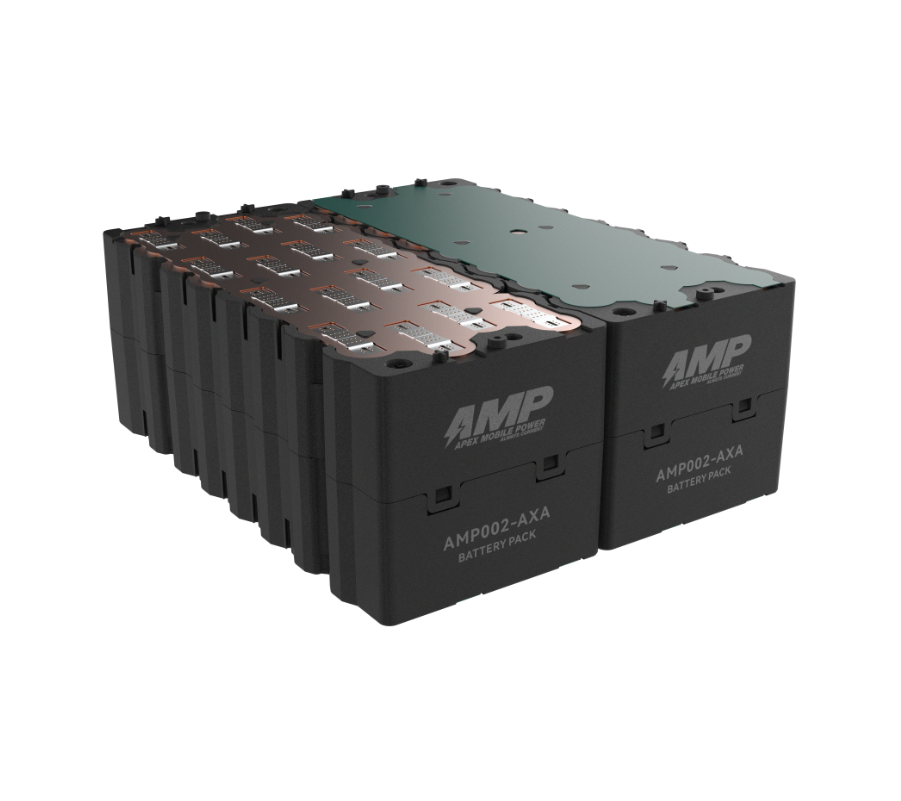
24V / 48V High-Safety Smart LiFePO4 Battery Pack
Engineered with ultra-reliable prismatic/cylindrical cells, SMBus/CANbus telemetry, active thermal management, and dual-layer safety isolation. Ideal for surgical carts, mobile medical workstations, and autonomous mobile robots (AMR).
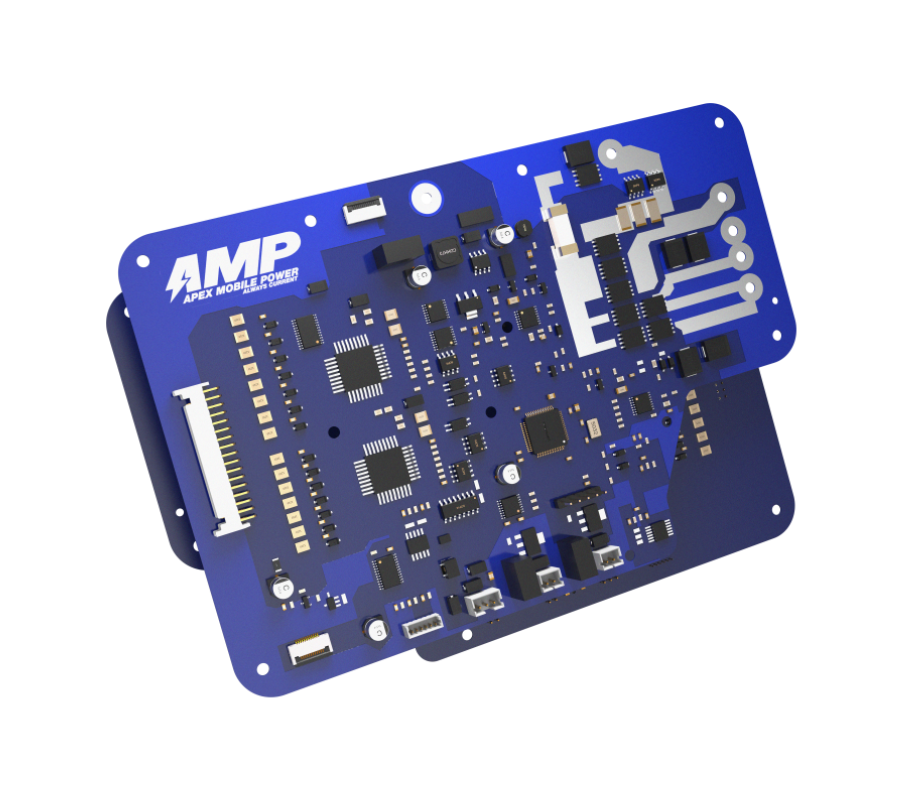
Smart BMS & Cloud Telemetry Controller
In-house designed hardware and firmware featuring high-precision State of Charge (SOC) coulomb counting, State of Health (SOH) predictive algorithms, Bluetooth/IoT connectivity, and programmable over-current/short-circuit protection.
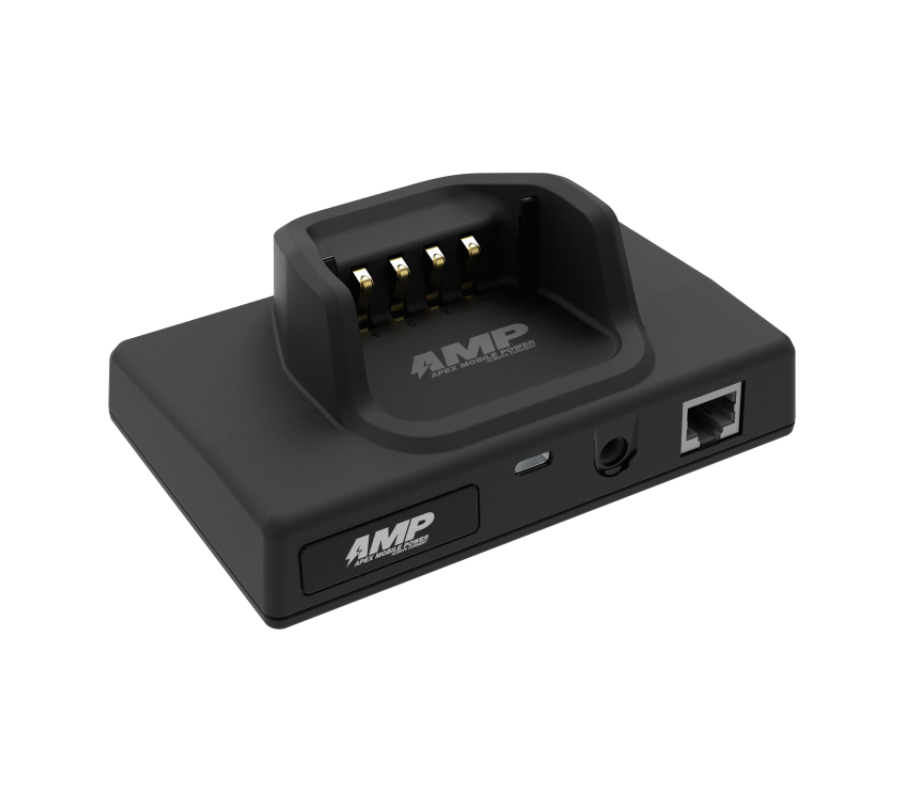
Industrial High-Efficiency Custom LiFePO4 Charger
Custom CC/CV charging algorithms engineered specifically for LiFePO4 cell voltage curves. Features low EMI emissions, IP65/IP67 waterproof aluminum housings, and CANbus communication for closed-loop battery-charger communication.
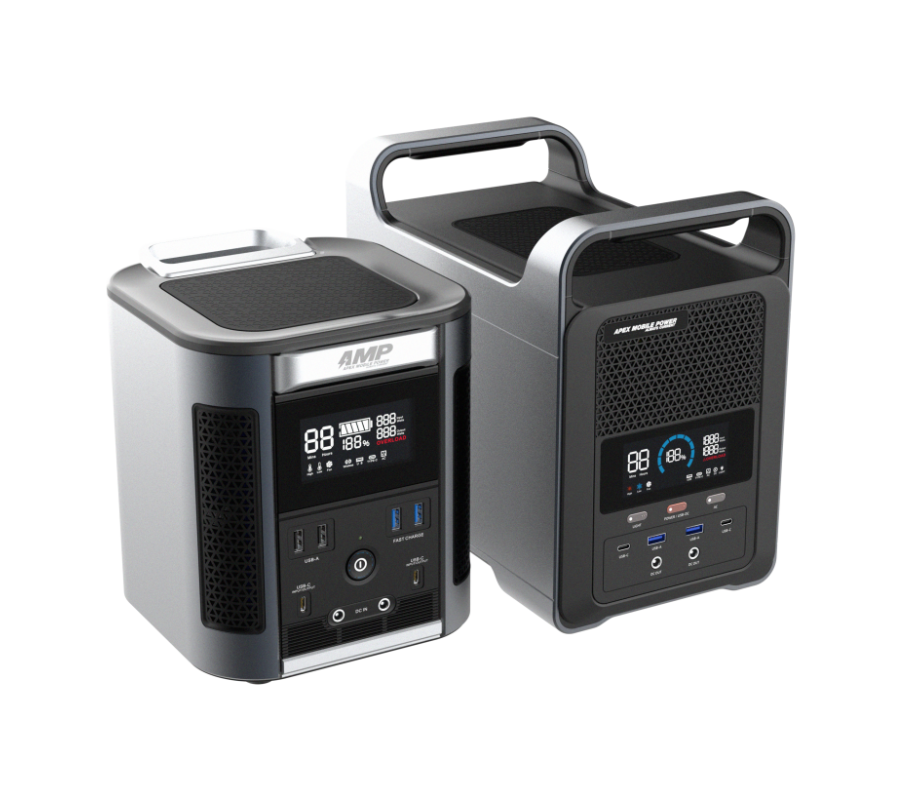
Ruggedized Portable LiFePO4 Energy Storage System
Heavy-duty mobile power units built for field diagnostics, emergency medical backup, outdoor test & measurement, and defense applications. Integrated pure sine wave inverter and solar MPPT charging input.

76.8V / 96V / 400V Industrial Heavy-Duty Battery Module
High-voltage, high-capacity custom LiFePO4 battery modules engineered for electric forklifts, automated guided vehicles (AGV), microgrid backup power, and heavy machinery requiring high surge current discharge.

Custom Medical Device LiFePO4 Battery Pack
Manufactured under strict ISO 13485 medical quality controls with complete traceability, redundant protection circuits, UL 2054 compliance, and long shelf life for non-implantable life-support equipment.
3. Global OEM Procurement Trends in Custom LiFePO4 Battery Systems (2026–2030)
As global supply chains adapt to evolving environmental regulations, geopolitical trade requirements, and rapid technological automation, purchasing managers and procurement executives are changing how custom LiFePO4 battery packs are specified, audited, and sourced. Understanding these macro trends is vital to maintaining competitive advantage and long-term supply chain security.
3.1 Transition from Off-the-Shelf Packs to Full-Custom OEM Engineering Architecture
Standard off-the-shelf battery modules frequently introduce engineering compromise: inefficient internal spatial volume utilization, inadequate thermal dissipation paths, unoptimized BMS firmware, and generic connector interfaces prone to field fatigue. In 2026, over 74% of enterprise OEM manufacturers are migrating toward turnkey custom battery architecture. Custom engineering ensures that every aspect—from internal cell busbars and nickel-plated copper tab welding to vibration isolation dampers—is built around the exact duty cycle of the host device.
3.2 Supply Chain Transparency and Carbon Footprint Traceability
With the enforcement of the EU Battery Regulation (2023/1542) and expanding ESG requirements across North America, global buyers require complete traceability of lithium iron phosphate supply chains. OEMs demand cobalt-free chemistry certification, recycled material tracking, and low-carbon manufacturing processes. APEX Mobile Power adheres to international environmental standards under our SGS-certified ISO 14001:2015 environmental management system, providing full material declarations (RoHS/REACH) and carbon footprint reporting for international exports.
3.3 Opportunity Charging & Ultra-Fast C-Rate Requirements in Robotics
In modern logistics warehouses and automated manufacturing facilities, Autonomous Mobile Robots (AMR) and Automated Guided Vehicles (AGV) operate on 24/7 continuous duty cycles. Traditional overnight charging is being replaced by "Opportunity Charging"—where custom LiFePO4 packs undergo high-current (1C to 3C) charging bursts during brief 10-minute automated dock stops. This procurement trend requires custom LiFePO4 packs designed with low internal resistance (IR) cells, heavy-gauge copper busbars, and active thermal sensor arrays capable of handling rapid heat generation.
4. Technological & Future Engineering Evolution Trends in LiFePO4 Battery Design
The technology landscape of lithium iron phosphate storage is evolving rapidly. Next-generation custom LiFePO4 battery packs integrate advanced material science, edge artificial intelligence, and structural battery mechanics.
4.1 Cell-to-Pack (CTP) & Cell-to-Chassis (CTC) Structural Integration
Traditional battery pack engineering utilizes intermediate module housings, plastic brackets, and complex internal wiring harnesses. Emerging custom LiFePO4 designs utilize Cell-to-Pack (CTP) structural architectures, where high-capacity prismatic LiFePO4 cells are bonded directly into the outer chassis using structural thermal adhesives. This innovation yields:
- Volumetric Efficiency Boost: Increases space utilization by 15% to 25%, allowing higher Ah capacity in the same envelope.
- Weight Reduction: Eliminates redundant module hardware, reducing total pack weight by 10% to 18%.
- Enhanced Shock & Vibration Resistance: Meets stringent MIL-STD-810H shock testing for rugged industrial and military environments.
4.2 Edge AI Predictive BMS Diagnostics & Cloud Telemetry
Next-generation smart BMS boards are evolving beyond simple voltage cut-offs. Incorporating onboard microcontrollers with Machine Learning (ML) algorithms allows the BMS to continuously monitor electrochemical impedance spectroscopy (EIS) proxy data. This enables:
- Predictive Thermal runaway warning: Early detection of microscopic internal short circuits days before an anomaly manifests.
- Dynamic Remaining Useful Life (RUL) Estimation: Real-time health forecasting transmitted via IoT gateways (CANopen, Modbus, Cellular LTE-M).
- Automated Cell Balancing Optimization: Active inductive energy transfer balancing between series cells during both charge and discharge cycles.
4.3 Low-Temperature Lithium Iron Phosphate Performance Breakthroughs
Historically, standard LiFePO4 chemistry experienced significant capacity degradation and plating risks when charged below 0°C. Modern custom LiFePO4 battery pack engineering overcomes this constraint through dual innovation:
- Advanced Electrolyte & Nano-Graphite Anodes: Low-viscosity electrolytes combined with carbon-coated LiFePO4 cathode particles enable operation down to -20°C.
- Integrated Self-Heating Thermal Jackets: Smart BMS-controlled internal PTC heating films automatically pre-heat cells to optimal charging temperature (+5°C) using incoming charger power prior to enabling charge current.
5. APEX Mobile Power (AMP): Enterprise Advantage & Manufacturing Authority
When sourcing a Custom LiFePO4 Battery Pack, selecting an experienced, vertically integrated OEM partner is critical to avoiding project delays, quality defects, and regulatory compliance failure. APEX Mobile Power (AMP) brings over 14 years of specialized lithium battery engineering expertise to your product development pipeline.
.png)
The AMP Engineering Baseline
14+ Years Custom Battery Customization Expertise
Over 3,000 successful custom battery projects designed, certified, and deployed across North America, Europe, and Asia-Pacific.
60+ Dedicated R&D Engineers & Hardware Team
In-house expertise spanning electrochemical cell chemistry selection, 3D CAD mechanical enclosure design, PCB electronics, and BMS firmware development.
8% Annual Revenue Reinvested into R&D
Continuous investment into environmental testing chambers, automated laser-welding robotics, high-precision battery cyclers, and safety isolation labs.
ISO 9001 & ISO 13485 SGS Certified Facilities
Rigorous quality management systems certified by SGS for both general industrial and demanding medical device battery pack production.
6. Frequently Asked Questions (FAQ) for Custom LiFePO4 Battery Sourcing
Based on user intent mining and common technical inquiries raised by global procurement officers and OEM design engineers, APEX Mobile Power provides detailed technical answers below:
Q1: What engineering parameters must be specified when requesting a Custom LiFePO4 Battery Pack quote?
To accelerate the engineering review and NRE estimation process, buyers should provide the following system inputs:
- Nominal & Operating Voltage Range: e.g., 12.8V (4S), 25.6V (8S), 51.2V (16S), or custom high voltage (>100V).
- Target Capacity & Energy Budget: Expressed in Amp-hours (Ah) or Watt-hours (Wh) based on required run time.
- Discharge Profile: Continuous discharge current (A), peak surge current (A), and surge duration (seconds).
- Mechanical Envelope & Enclosure IP Rating: Maximum allowable physical dimensions (L x W x H mm) and ingress protection (IP54, IP65, IP67, IP68).
- BMS Communication Protocols: CANbus (CANopen/J1939), RS485 (Modbus), SMBus, I2C, or Bluetooth telemetry requirements.
- Regulatory Certification Roadmap: UN38.3 (transport), UL 1973, UL 2054, IEC 62133-2, CE, or ISO 13485 compliance requirements.
Q2: How does a custom LiFePO4 battery pack lower Total Cost of Ownership (TCO) compared to Lead-Acid or standard NMC?
While initial purchase cost per Wh for LiFePO4 is higher than lead-acid, the Levelized Cost of Storage (LCOS) is dramatically lower over the operational lifespan:
- Cycle Lifespan Multiplier: LiFePO4 delivers 3,500 – 6,000+ deep cycles (80% DOD), compared to 300 – 500 cycles for AGM lead-acid and 1,000 cycles for standard NMC. A single custom LiFePO4 pack outlasts up to 10 lead-acid replacements.
- Zero Maintenance Overhead: Eliminates acid top-offs, equalizing charges, and frequent battery swap labor.
- High Energy Efficiency: Round-trip charge efficiency for LiFePO4 exceeds 95% (versus 75–80% for lead-acid), reducing grid electricity waste.
Q3: What critical protection features are built into APEX Mobile Power custom BMS architectures?
APEX Mobile Power’s custom Smart BMS designs provide robust, multi-stage hardware and firmware protection loops:
- Over-voltage charge isolation (cell and pack level).
- Under-voltage discharge cut-off to prevent deep discharge degradation.
- Over-current protection (charge and discharge phases).
- Short-circuit hard latch cut-off (<100 microseconds response time).
- Multi-sensor temperature monitoring (high temperature trip & low-temperature charge inhibit).
- Active & passive cell voltage balancing to maintain pack capacity parity over thousands of cycles.
Q4: What is the typical NRE (Non-Recurring Engineering) workflow and lead time for custom prototype samples?
Our structured 5-stage engineering delivery workflow ensures seamless project execution:
- Stage 1 - Engineering Feasibility & Quote (1-3 Days): Requirements analysis, cell chemistry selection, and preliminary 3D packaging.
- Stage 2 - Detailed Mechanical & Electrical Architecture (1-2 Weeks): BMS schematic development, enclosure CAD modeling, thermal simulation.
- Stage 3 - Prototyping & Testing (2-4 Weeks): Precision laser welding, BMS programming, environmental chamber testing.
- Stage 4 - Compliance Certification (4-6 Weeks): Formal UN38.3, IEC62133, UL laboratory submission.
- Stage 5 - Mass Production Scaling: Automated production line assembly under ISO 9001 quality controls.
Q5: How does APEX Mobile Power ensure strict cell matching and internal resistance consistency in high-series packs?
Cell imbalance is the primary cause of premature capacity drop in multi-cell battery packs. APEX Mobile Power enforces strict incoming cell grading standards: all A-grade cells undergo 100% automated sorting for capacity parity (delta < 5mAh), voltage matching (delta < 2mV), and internal AC resistance matching (delta < 0.3 mΩ) prior to pack assembly.