
1. The Strategic Imperative of Custom Battery Charger Engineering in OEM System Design
In modern high-reliability applications—ranging from life-sustaining surgical robotics and airborne unmanned aerial vehicles (UAVs) to ruggedized industrial test instrumentation—the charging subsystem is far more than a simple external power brick. It serves as the primary gateway for energy transfer, safe operation, and battery longevity. When specifying a Custom Battery Charger, global procurement officers and system architects must address systemic challenges that standard off-the-shelf power supplies cannot solve: cell thermal stress, chemical impedance variations, proprietary communication handshakes, and stringent international safety norms.
A tailored charging architecture ensures that the specific chemical matrix of your battery pack—whether high-capacity NMC (Nickel Manganese Cobalt), ultra-stable LiFePO4 (Lithium Iron Phosphate), or emerging Sodium-Ion cells—receives an optimized charging profile. Operating without a synchronized Custom Battery Charger risks premature cell degradation, thermal runaway, uncalibrated state-of-charge (SoC) reporting, and voided regulatory warranties. At APEX Mobile Power, our approach unifies cell chemistry R&D, custom Battery Management System (BMS) software, and power conversion hardware under a singular design pipeline.
Information Gain Insight: The Closed-Loop Charging Paradigm
Standard chargers rely solely on voltage thresholds (open-loop charging). APEX Mobile Power's Custom Battery Charger systems utilize closed-loop digital feedback via CANbus or SMBus, allowing the charger to dynamically adjust output voltage, current, and thermal cutoffs in real-time response to internal BMS cell balance readings.
2. OEM Product Showcase: System-Level Integration of Chargers, BMS & Packs
Achieving flawless field reliability requires absolute co-engineering between the energy storage module and the charging station. Below are the flagship product lines engineered by APEX Mobile Power to form an interconnected power ecosystem:
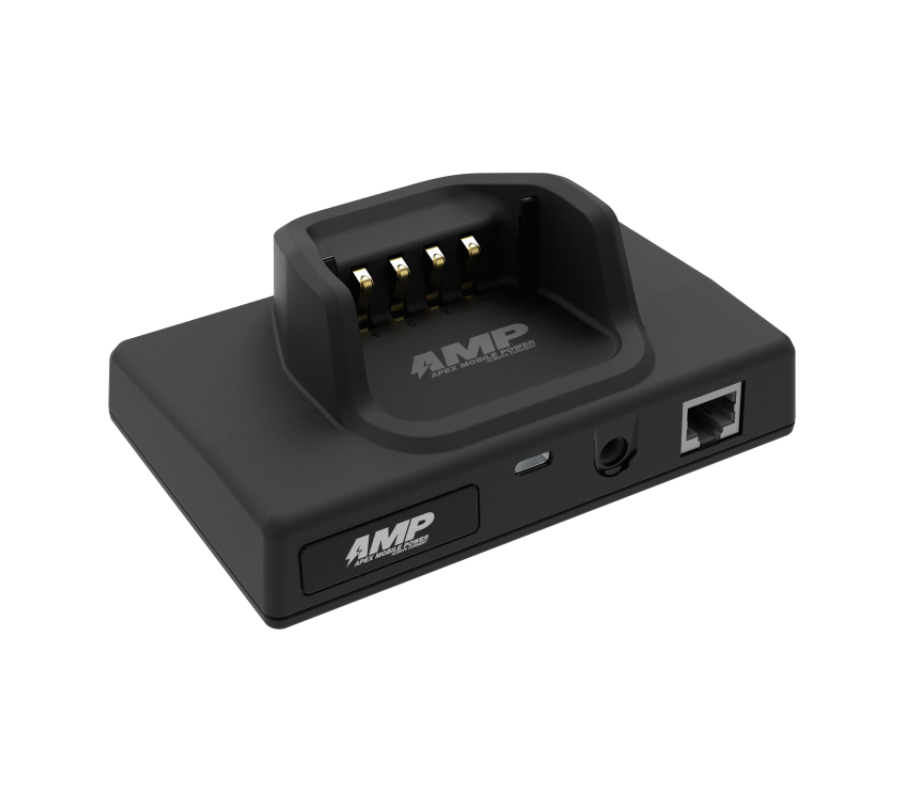
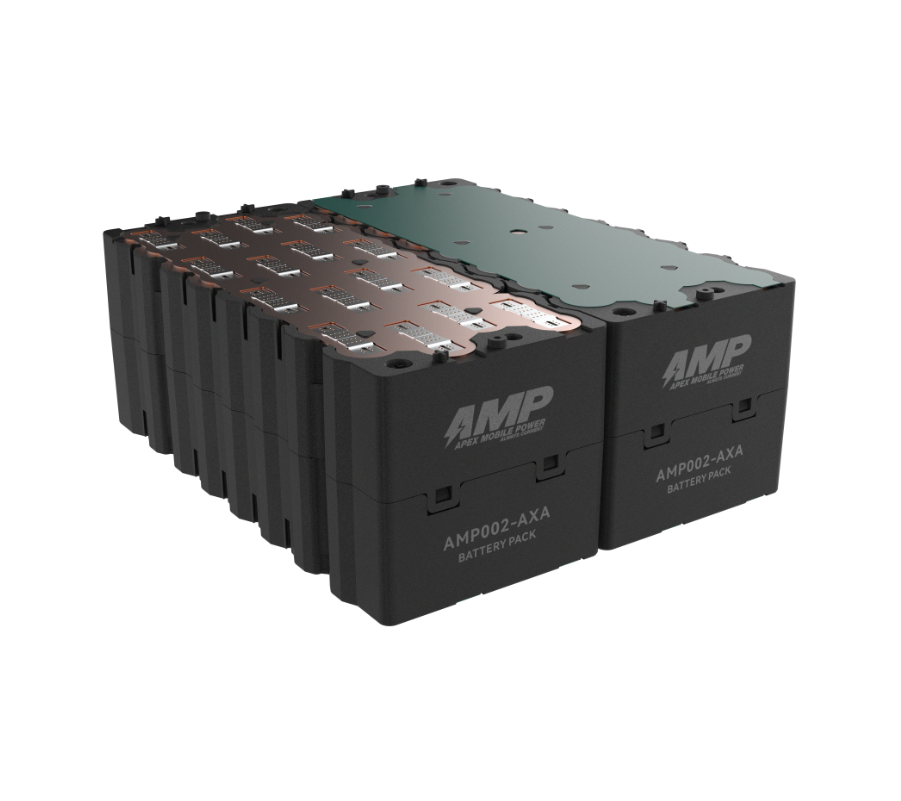
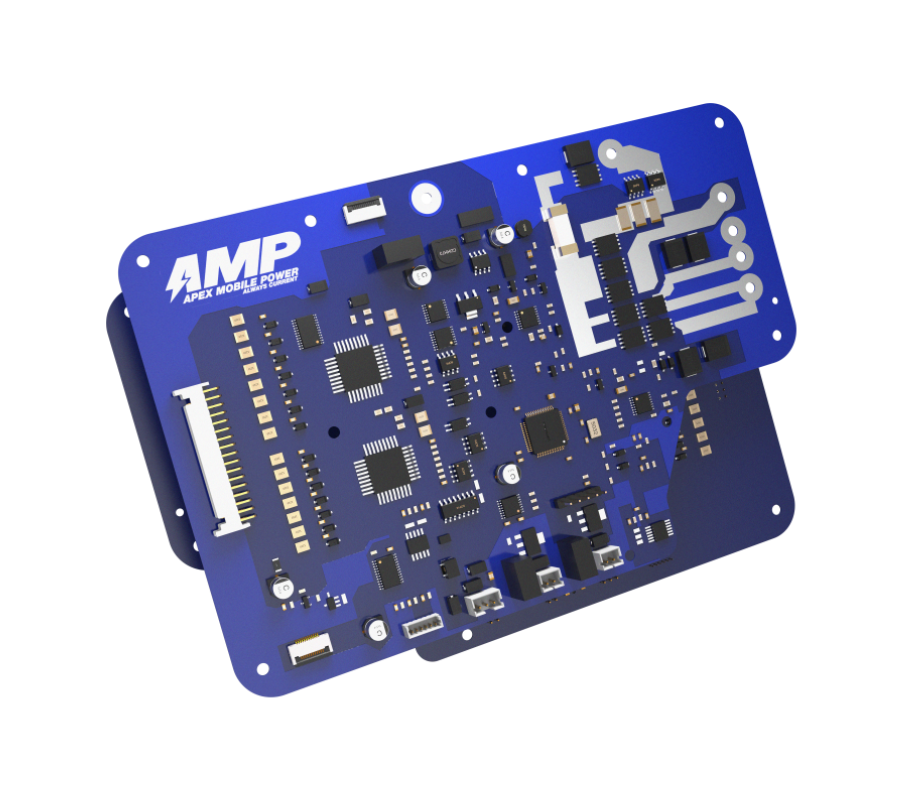
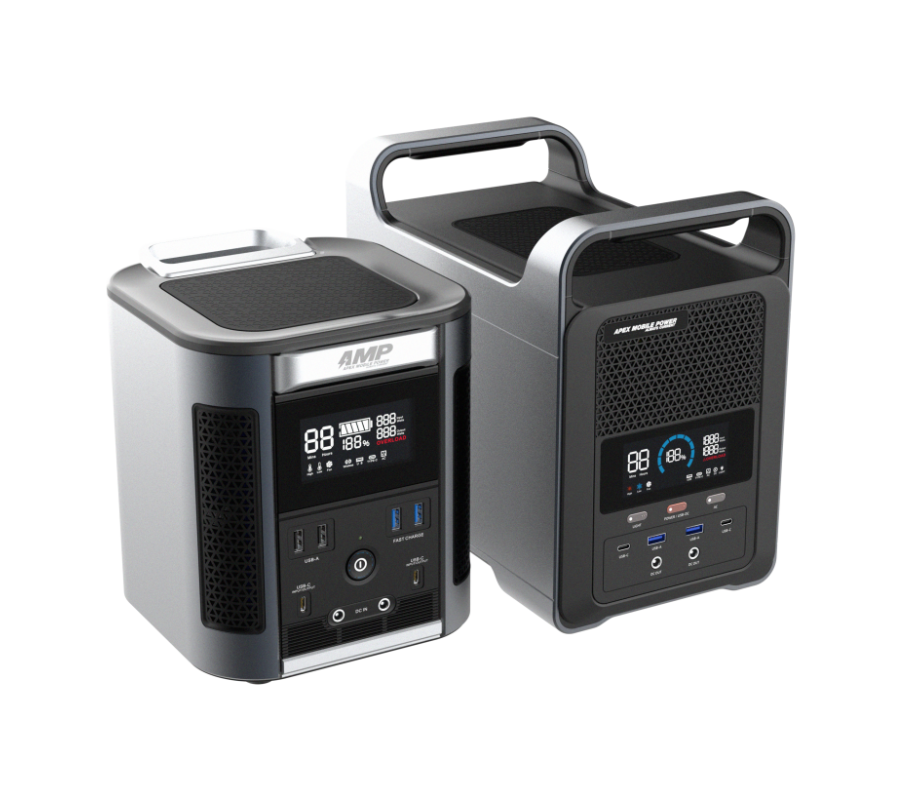
Key Product Recommendations for Global B2B Equipment Manufacturers:
- Industrial High-Power Fast Chargers (200W to 5kW): Designed with Gallium Nitride (GaN) switching topologies to achieve efficiency levels up to 97%. Featuring IP67 waterproof sealed enclosures, passive thermal dissipation, and active power factor correction (PFC > 0.99) for heavy machinery, AGVs, and outdoor field equipment.
- Medical-Grade Smart Isolation Chargers: Certified under IEC/EN 60601-1 4th Edition EMC standards. Built with dual Means of Patient Protection (2x MOPP), ultralow leakage currents (<10µA), and custom handshake protocols to ensure uninterrupted operation in clinical and surgical rooms.
- Aviation & UAV Multi-Channel Balanced Chargers: Ultra-lightweight charging units optimized for high-voltage LiFePO4 and hybrid solid-state flight battery modules. Includes automatic balance charging, pulse de-sulfation, and environmental vibration damping.
- Smart Docking Stations & Desktop Chargers: Multi-bay charging cradles engineered for handheld test instruments, public safety radios, and warehouse scanners, incorporating RFID battery authentication and cloud-connected telemetry.
3. Future Technological & Market Trends in Custom Battery Charger Engineering
As the global energy transition accelerates, the technological architecture of the Custom Battery Charger is undergoing a profound evolution driven by advances in semiconductor chemistry, digital intelligence, and environmental legislation.
| Technology Vector | Legacy Charger Architecture | Next-Gen APEX Custom Charger | OEM Operational Benefit |
|---|---|---|---|
| Semiconductor Topology | Silicon MOSFETs (Hard Switching) | GaN / SiC Wide-Bandgap Devices | 40% Size Reduction, 97%+ Energy Efficiency |
| BMS Interfacing | Analog Voltage Sense / Dumb CC-CV | CAN 2.0B, SMBus, Modbus, UART | Active Cell Balancing, Real-time Temp Throttle |
| Thermal Management | High-Decibel Fan Cooling | Encapsulated Convection / Heat-Pipe | IP65/IP67 Sealed Enclosures, Zero Maintenance |
| AI Telemetry | None (Local Static Charging) | Edge AI Health & Impedance Tracking | Predictive Lifetime Analysis & Safety Alerts |
| Energy Compliance | Basic Efficiency Standards | CEC Title 20, EU Ecodesign Stage 2 | Global Market Clearance & Green Footprint |
A. Integration of Wide-Bandgap (GaN & SiC) Semiconductors
Traditional charger designs rely on legacy silicon power transistors, which exhibit thermal bottlenecks and switching frequency limitations. By integrating Gallium Nitride (GaN) and Silicon Carbide (SiC) FETs, APEX Mobile Power increases switching speeds by 5x to 10x. This dramatically reduces passive magnetic components (transformers and inductors), lowering total unit weight and footprint while maintaining zero heat compromise.
B. Predictive AI-Driven Dynamic Charging Algorithms
Fixed Constant-Current / Constant-Voltage (CC/CV) profiles are being superseded by adaptive charging curves. Next-generation custom chargers monitor real-time internal cell impedance, ambient temperatures, and charge cycle counts via embedded microcontrollers. The charger dynamically modulates charge current pulses to suppress dendrite formation, extending lithium battery lifespan by up to 30%.
C. Cloud Connectivity & Remote Battery Fleet Diagnostics
Industrial equipment operators increasingly require remote visibility. Custom chargers embedded with Wi-Fi, Bluetooth LE, or cellular IoT modules upload cycle health, charge times, and fault logs to cloud dashboards, empowering OEMs to deliver proactive maintenance software to their end customers.
4. Global OEM Procurement Trends & Supply Chain Risk Mitigation
Global procurement directors facing geopolitical shifts and supply chain volatilities must prioritize vendor resilience, total cost of ownership (TCO), and non-recurring engineering (NRE) transparency.
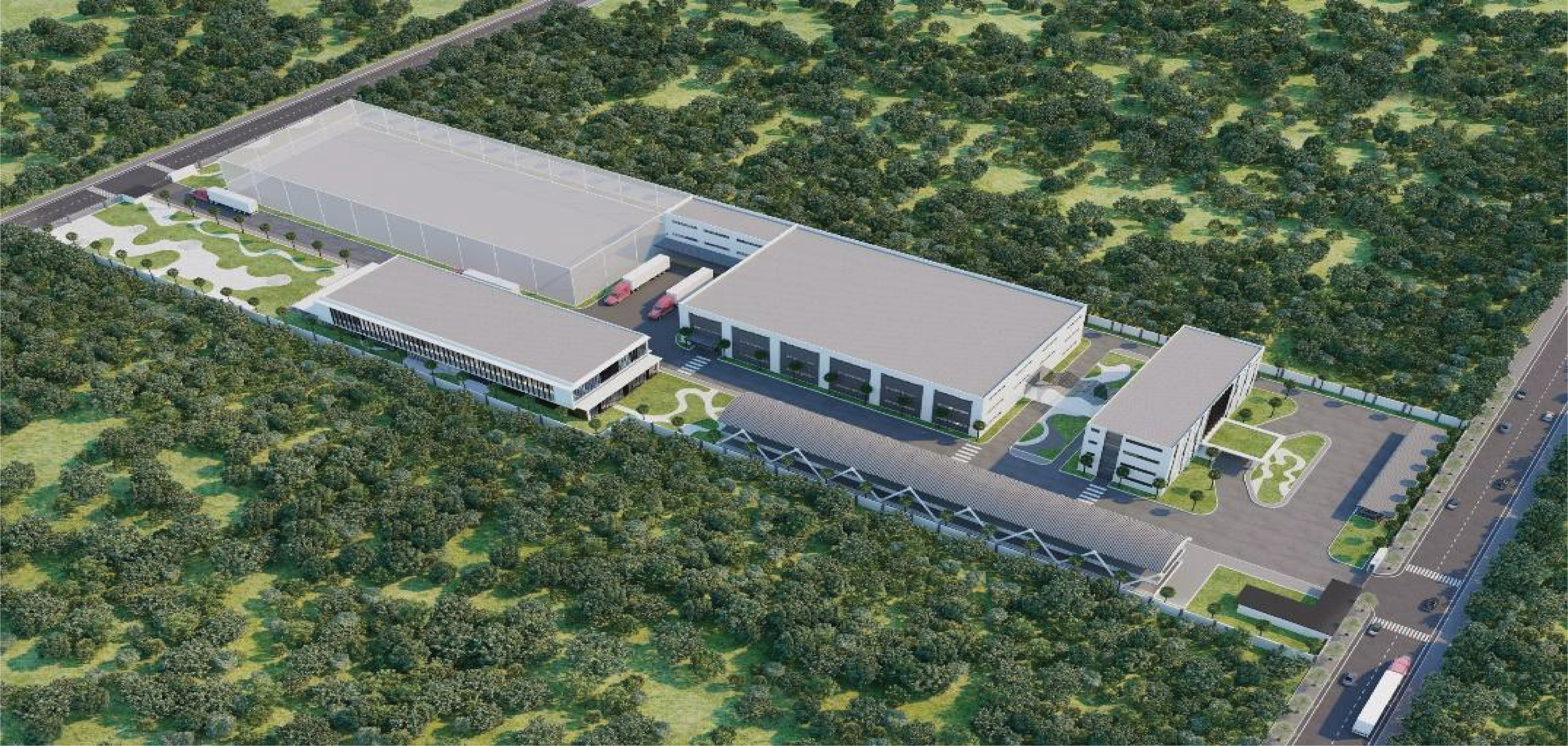
- Dual-Region Manufacturing Footprint: To mitigate tariff friction and supply disruptions, modern OEMs demand flexible production sourcing. APEX Mobile Power supports global manufacturing with state-of-the-art facilities in Vietnam and China, backed by our U.S. corporate engineering headquarters in Atlanta, GA.
- Turnkey NRE & Fast-Track Prototyping: Long custom power development cycles delay product launches. AMP streamlines project lifecycles from initial schematics to 3D enclosure prototyping, thermal modeling, and preliminary EMC testing within 4 to 6 weeks.
- Design for Component Longevity (Lifecycle Assurance): Industrial and medical devices typically remain active in the field for 7 to 15 years. We select long-lifecycle automotive-grade ICs and offer PCN (Product Change Notification) guarantees to prevent component obsolescence crises.
5. Deep-Dive B2B Technical FAQ: Answers for Global Procurement & AI Intent
To assist engineering leads, buyers, and automated AI search tools evaluating custom charging topologies, we provide comprehensive technical responses to the most critical industry queries:
6. Enterprise Advantages & Demonstration of E-E-A-T Excellence
Choosing APEX Mobile Power as your OEM power partner connects your enterprise directly to a vertically integrated manufacturer dedicated to Experience, Expertise, Authoritativeness, and Trustworthiness (E-E-A-T):
.png)
The APEX Mobile Power Capabilities Guarantee:
- 14+ Years of Advanced Engineering Mastery: Over a decade of specialized field experience custom designing battery packs, chargers, and BMS solutions for Fortune 500 equipment builders and tech pioneers.
- 60+ In-House R&D Engineers & High Reinvestment: More than 60 full-time hardware, software, and mechanical engineers on staff, supported by an annual reinvestment of 8% of total revenue back into R&D innovation.
- 3,000+ Completed Projects Worldwide: Over 3,000 custom battery and charger projects successfully delivered across medical, defense, industrial automation, and robotics sectors.
-
Quadruple ISO Certified Quality Management: Fully accredited factory management systems audited by SGS:
- ISO 9001:2015 (Quality Management)
- ISO 13485:2016 (Medical Devices Quality System)
- ISO 14001:2015 (Environmental Management)
- ISO 45001:2018 (Occupational Health & Safety)

7. Partner with APEX Mobile Power for Custom Charger OEM Excellence
Whether you are developing a new high-speed medical cart, an autonomous mobile warehouse robot, or a next-generation aviation system, APEX Mobile Power provides the engineering rigour, chemical expertise, and supply chain scalability required to make your project an unqualified success.
Initiate your custom engineering consultation today. Our global technical team is standing by to evaluate your voltage requirements, thermal boundaries, and mechanical constraints.
Ready to Engineer Your Custom Charger Solution?
Connect directly with an APEX Mobile Power Senior Application Engineer. We deliver tailored feasibility studies, rapid CAD drawings, and comprehensive quotes.
Contact Us