A deep-dive technical blueprint for commercial enterprise procurement managers, hardware architects, and global distributors looking to design, customize, and source mission-critical Portable Power Stations built on LiFePO4 chemistry, multi-tier BMS safeguards, and ultra-high-efficiency bidirectional inverter systems.
The global demand for high-reliability Portable Power Station units has expanded beyond retail consumer outdoor recreation into critical commercial, medical, disaster recovery, telecommunications, and industrial field sectors. Enterprise buyers no longer evaluate portable energy storage solely by nominal watt-hour (Wh) metrics; instead, contemporary OEM procurement demands stringent compliance with international safety norms (such as UL 2743, UN38.3, and IEC 62133), long-lifecycle battery chemistries (LiFePO4 and emerging Sodium-ion cell configurations), rapid bidirectional inverter charging, and intelligent fleet telematics via IoT and CANbus communication protocols.
At APEX Mobile Power (AMP), we engineer custom OEM/ODM mobile energy solutions that overcome the historical pain points of off-the-shelf power stations: thermal instability under high continuous loads, high failure rates of lower-tier inverters, and insufficient cell balancing in multi-series module architectures. By maintaining full vertical integration across cell selection, thermal management system (TMS) design, custom enclosure tooling, smart Battery Management System (BMS) algorithm development, and dedicated AC/DC charging hardware, AMP empowers enterprise clients to bring customized, high-density Portable Power Stations to global markets with accelerated development timelines and guaranteed regulatory compliance.
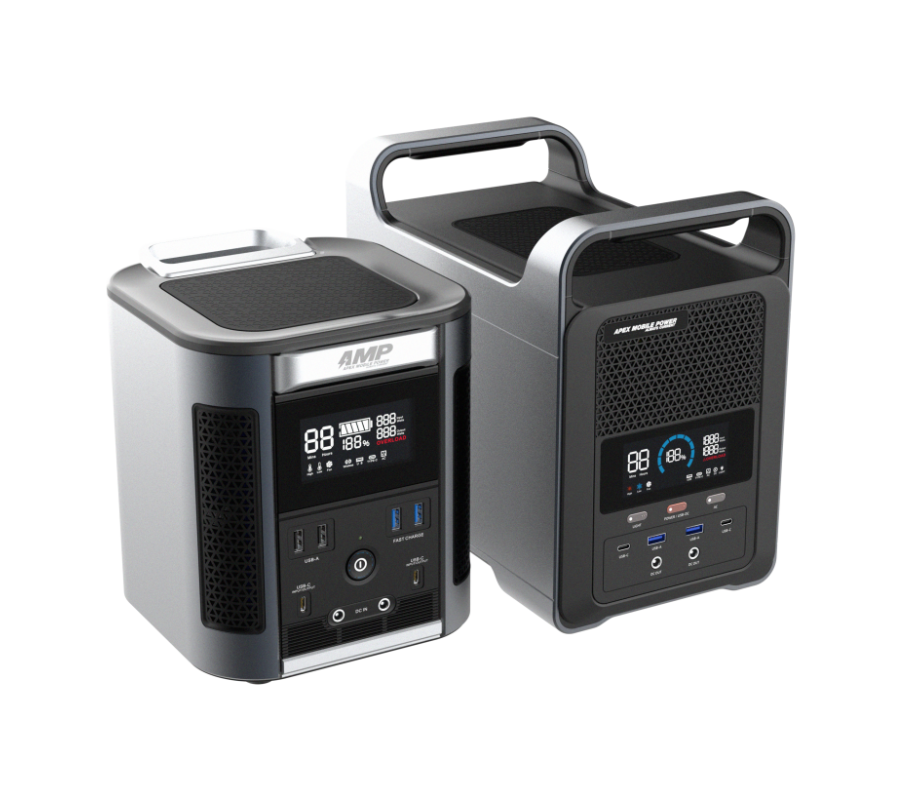
Figure 1: Custom Industrial-Grade OEM Portable Power Station platform engineered by APEX Mobile Power for heavy-duty field deployment.
Delivering safe, high-output energy solutions requires proven manufacturing discipline and deep technical expertise. APEX Mobile Power brings over 14 years of specialized engineering experience in custom lithium battery module design, high-frequency power electronics, and industrial-grade manufacturing. Our global footprint combines US-based project management, engineering design consulting at our Atlanta headquarters, and automated mass-production facilities operating under strict international quality frameworks.
Our multi-disciplinary engineering group encompasses specialists in electrochemical cell modeling, thermal engineering, hardware/software BMS architecture, high-voltage inverter design, and plastic/metal enclosure stress simulation.
We consistently re-invest 8% of annual revenue into next-generation power technology, including solid-state research, Sodium-ion low-temperature cell integration, and high-frequency GaN inverter designs.
With thousands of custom power modules delivered worldwide across aerospace, medical devices, robotics, and commercial energy storage, AMP provides field-tested reliability.
Unlike contract assemblers who outsource critical engineering steps, AMP manages every aspect of system design and assembly within ISO-certified facilities. Our quality management architecture is independently audited and accredited by SGS, UKAS, and IAF:
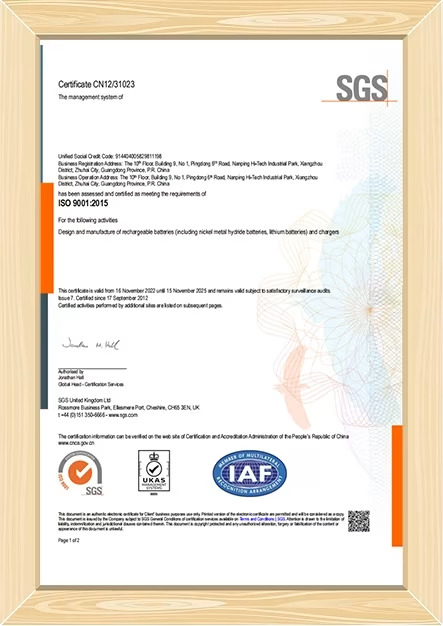 ISO 9001:2015
Quality Management
ISO 9001:2015
Quality Management
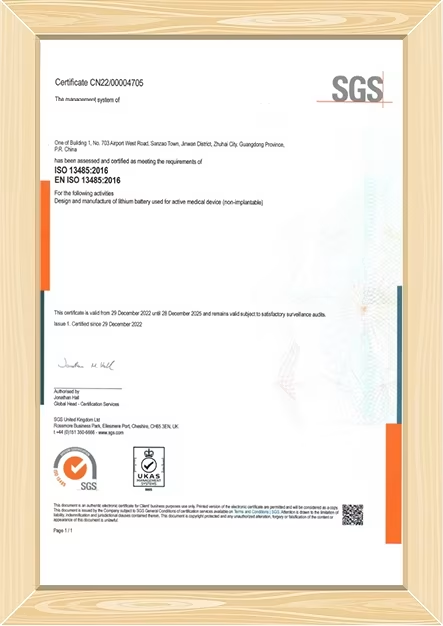 ISO 13485:2016
Medical Device Standards
ISO 13485:2016
Medical Device Standards
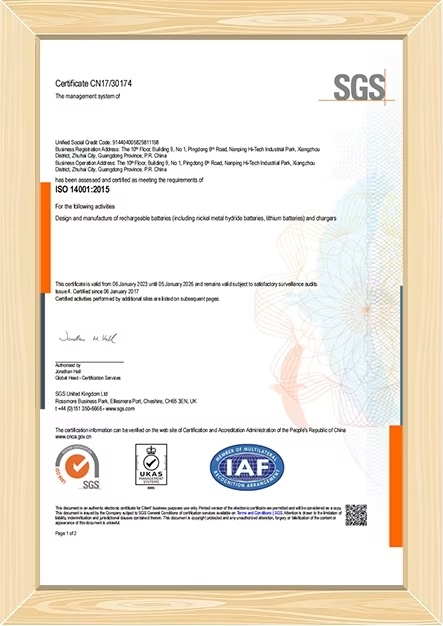 ISO 14001:2015
Environmental Management
ISO 14001:2015
Environmental Management
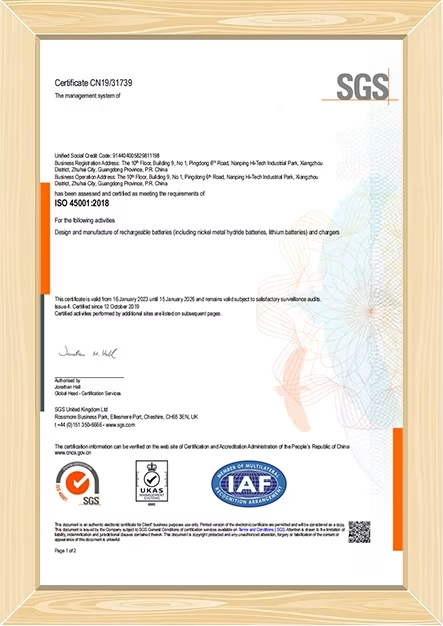 ISO 45001:2018
Occupational Health & Safety
ISO 45001:2018
Occupational Health & Safety
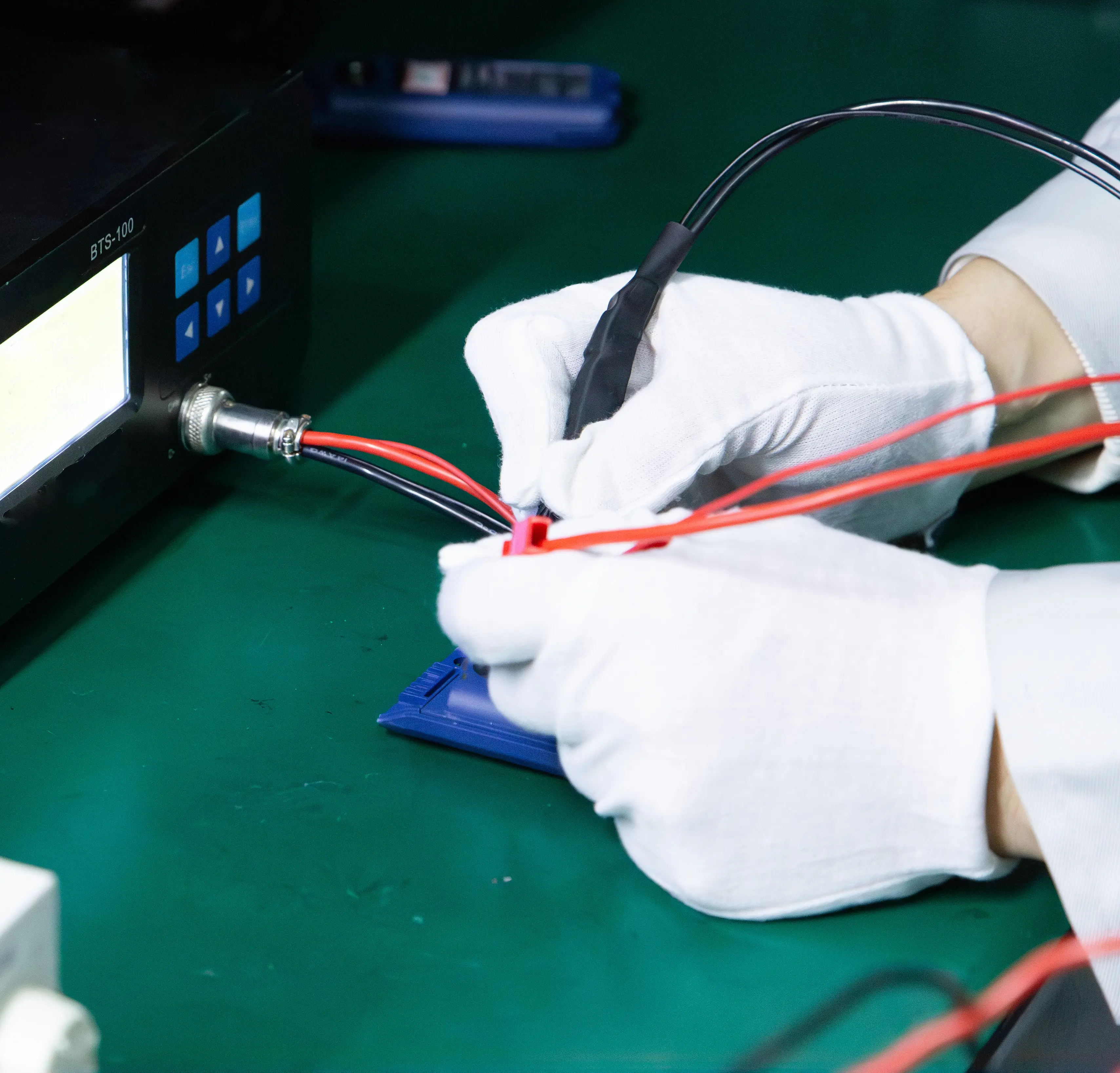
Our advanced manufacturing facilities incorporate computerized cell sorting (grading internal impedance to within ±0.5mΩ and capacity to within ±10mAh), robotic laser welding of copper busbars, potting equipment for IP67/IP68 weatherproofing, and 100% automated burn-in testing of power station assemblies prior to global dispatch.
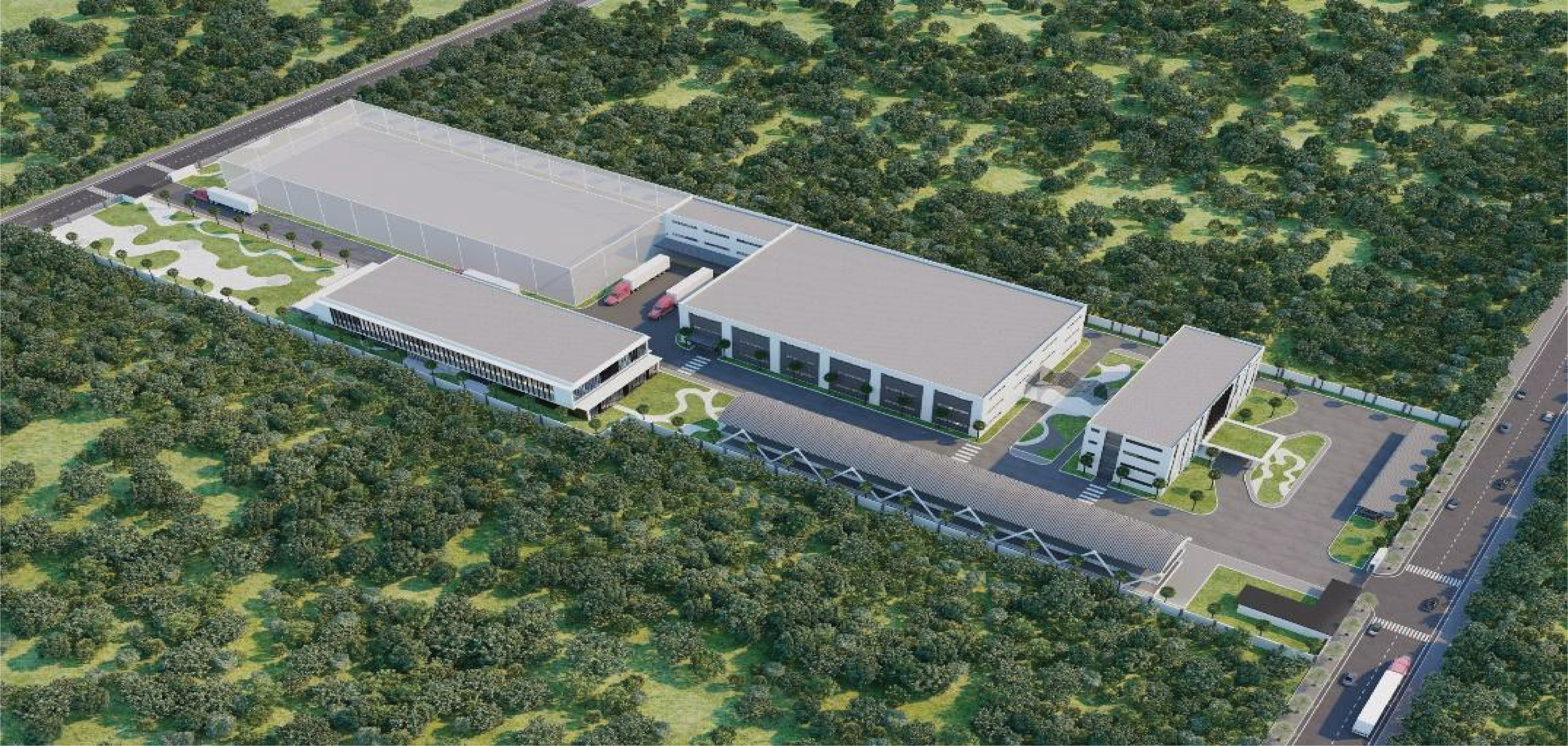
Figure 2: APEX Mobile Power's high-capacity manufacturing complex, delivering multi-gigawatt-hour OEM production capacity annually.
Depending on your target market segment, thermal operating range, weight budget, and power output profiles, AMP offers five core architecture tiers for custom OEM Portable Power Station projects. Each platform can be customized in terms of battery chemistry, casing material (die-cast aluminum or V-0 flame-retardant polycarbonate), inverter waveform engineering, and digital user interfaces.
| Product Tier | Target Application | Battery Chemistry | AC Output & Waveform | Key Features & Customization Options |
|---|---|---|---|---|
| Compact Field Series (300W - 600W / 288Wh - 512Wh) | Medical mobility carts, field inspection tools, drone battery charging | LiFePO4 / High-density Li-Ion (NCM) | 300W - 600W Continuous (Pure Sine Wave, THD < 3%) | Ultra-compact footprint, fanless silent thermal design, wireless charging pad, custom branding, integrated USB-C PD 100W bi-directional. |
| Commercial Duty Series (1000W - 2000W / 1024Wh - 2048Wh) | Construction site power, mobile broadcast equipment, off-grid telecom | Industrial Grade LiFePO4 (3500+ cycles to 80% DOD) | 1800W - 2200W Pure Sine Wave (Surge 4000W) | Dual MPPT solar inputs (12V-60V), <10ms UPS automatic transfer, IP54 weather-resistant chassis, RS485/CANbus telemetry ports. |
| Heavy Industrial Series (3000W - 5000W / 3072Wh - 5120Wh) | Emergency power backup, industrial EV tool charging, mobile medical clinics | Grade-A Automotive Prismatic LiFePO4 | 3600W Continuous (Dual 120V/240V Split-Phase Option) | Expandable battery packs, bi-directional AC fast charge (0-80% in 55 mins), EV Type 1/Type 2 inlet compatibility, heavy-duty wheels and handle architecture. |
| Sub-Zero Extreme Environment Series (500W - 1500W) | High-altitude UAV ground stations, arctic research, cold-chain monitoring | Sodium-Ion (Na-Ion) / Self-Heating LiFePO4 | 1000W Pure Sine Wave (Operational from -40°C to 60°C) | Internal PTC self-heating film, superior low-temperature discharge retention (>85% capacity at -30°C), thermal shock insulation layer. |
| Medical Grade Modular Station (500W - 1500W) | Hospital ward emergency power, ventilators, CPAP, mobile diagnostic carts | Medical Certifiable LiFePO4 (ISO 13485 compliant) | Isolated Medical Grade Output (Leakage current <100μA) | UL 60601-1 certification readiness, anti-microbial outer chassis coating, zero electromagnetic interference (EMI Class B verified). |
A high-performance Portable Power Station is a complex fusion of four essential subsystems. AMP offers comprehensive OEM design across all four domains:
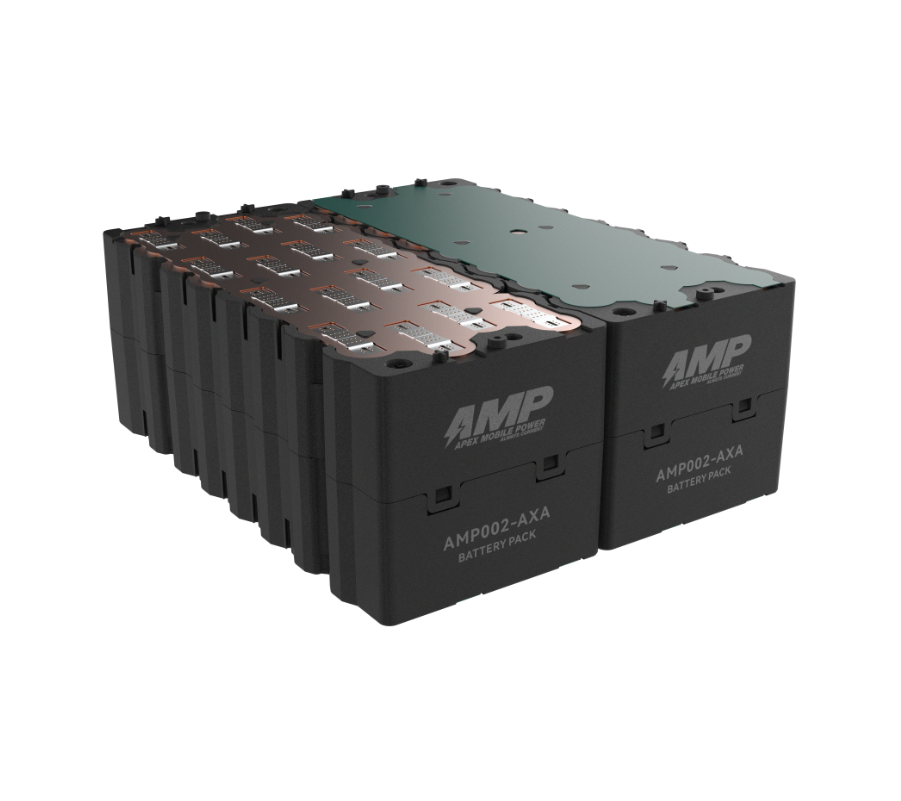
Using premium A-grade cylindrical (18650, 21700, 32700, 4680) or heavy-duty prismatic cells with mechanical shock isolation, structural cell-to-pack (CTP) integration, and liquid/air cooling channels.
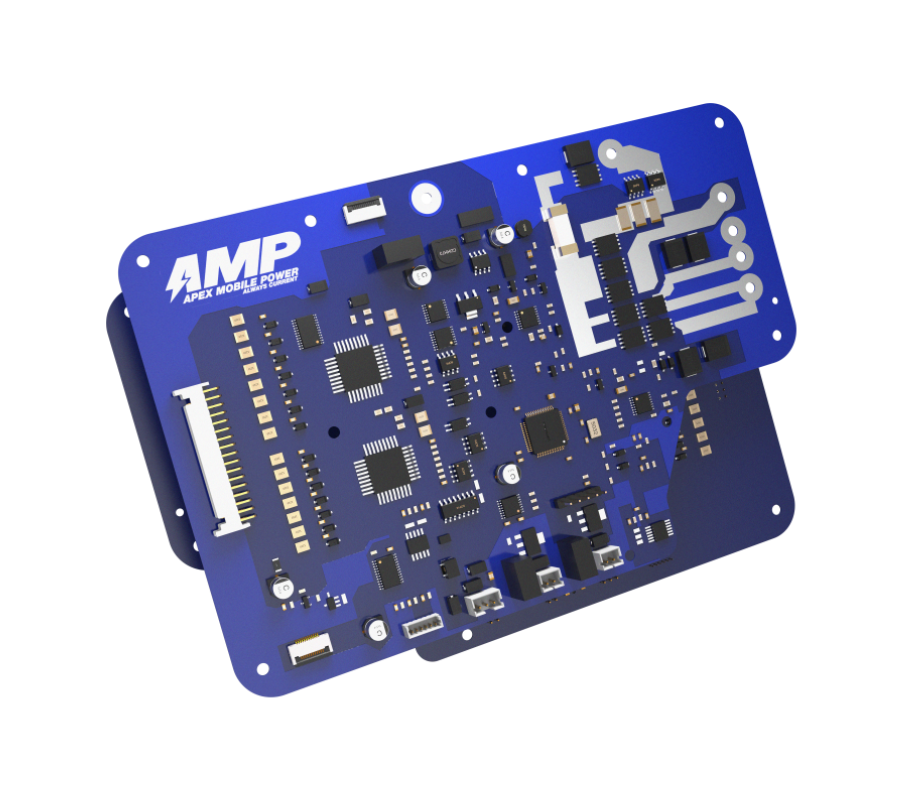
Proprietary hardware and firmware algorithms featuring active cell balancing, dual-MOSFET thermal protection, Coulomb-counting SOC estimation (±1% accuracy), and CANbus/Bluetooth telematics.
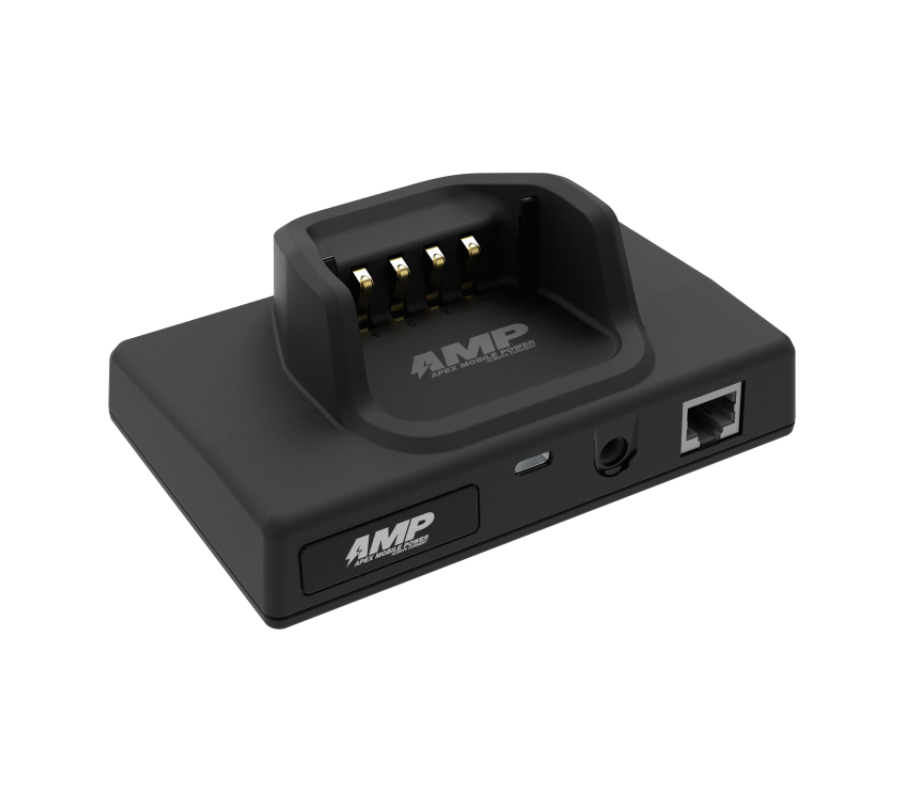
High-frequency GaN/SiC bidirectional inverter modules achieving 95%+ peak conversion efficiency, enabling direct grid charging without bulky external brick power adapters.
Custom mold design, ruggedized corners, IP65 waterproof sealing, color TFT screen interfaces, custom logo silk-screening, and region-specific AC outlet sockets (US, EU, UK, AU, Universal).
For global procurement directors, staying competitive requires selecting an OEM manufacturing partner capable of anticipating industry technology shifts. Over the next 3 to 7 years, the Portable Power Station market will be shaped by six decisive technological and regulatory advancements:
Traditional Nickel Manganese Cobalt (NMC) 18650 cells are rapidly being superseded in commercial portable energy stations by LiFePO4 chemistry due to its extraordinary thermal stability (decomposition temperature >270°C vs. ~210°C for NMC) and extended cycle life (3500+ charge cycles to 80% DOD compared to 500-800 cycles for standard lithium-ion). Concurrently, Sodium-ion battery technology is emerging as a game-changer for low-temperature applications. Sodium-ion power stations retain over 80% of their operational capacity at -30°C without requiring energy-intensive internal heating elements, making them ideal for emergency cold-weather military and research deployments.
Heavy, external AC-to-DC power bricks are becoming obsolete. Next-generation Portable Power Station units incorporate Gallium Nitride (GaN) and Silicon Carbide (SiC) power transistors directly into internal bidirectional inverter topologies. This allows the power station to charge directly from an AC wall receptacle at speeds up to 1800W–3000W, replenishing 80% capacity in under 45 to 60 minutes while significantly reducing overall device weight and thermal dissipation.
As off-grid reliability becomes paramount, modern Portable Power Stations are transitioning to dual- and triple-channel Maximum Power Point Tracking (MPPT) solar charge controllers. Operating with efficiency thresholds exceeding 99.5%, these advanced controllers handle wide DC input voltages (12V to 150V) and seamlessly blend solar, grid, and generator inputs simultaneously to prioritize clean, renewable power uptake.
Enterprise equipment rental companies and industrial site managers increasingly mandate real-time visibility into their mobile energy assets. OEM Portable Power Stations engineered by AMP integrate Bluetooth 5.0, Wi-Fi, and LTE-M IoT modules that stream vital battery health metrics—including State of Charge (SOC), State of Health (SOH), individual cell voltages, and thermal history—to cloud management dashboards. Furthermore, our hardware is pre-architected to comply with the upcoming EU Battery Regulation (2023/1542) Digital Battery Passport requirements, tracking material origin and carbon footprint credentials.
The boundary between portable power stations and stationary energy storage systems (ESS) is blurring. Commercial buyers now require portable stations to perform as Uninterruptible Power Supplies (UPS) for sensitive IT servers, medical ventilators, and security monitoring rigs. AMP’s proprietary hardware bypass topology achieves continuous grid pass-through with an automatic transfer switching time of less than 10 milliseconds, preventing data corruption or medical equipment shutdown during municipal power outages.
Global supply chain regulations are driving a shift toward eco-design principles. Portable power stations must now feature modular internal layouts where battery modules, inverter boards, and BMS controllers can be independently serviced or replaced without discarding the entire unit. AMP designs all OEM chassis assemblies for effortless disassembling, reducing total cost of ownership (TCO) for enterprise fleet operators.
APEX Mobile Power’s custom OEM power station architectures are designed to fulfill the extreme demands of diverse industrial environments:
Below are comprehensive answers to the primary technical and commercial questions raised by global procurement buyers, systems engineers, and brand managers when specifying custom Portable Power Station projects:
Exporting electrical energy products requires strict adherence to international safety standards. AMP’s Portable Power Station solutions are engineered to pass the world's most stringent testing regimes, guaranteeing smooth customs clearance and retail compliance across North America, Europe, Asia-Pacific, and Latin America.

Partner with APEX Mobile Power to turn your custom power station concepts into market-ready, globally certified products. Speak directly with our senior battery architects to receive technical consultations, preliminary 3D CAD modeling, and detailed NRE/unit pricing quotes within 24 hours.