
1. User Intent Mining & Semantic Search Analysis: Sourcing a Health and Personal Safety Device Battery
When global hardware engineers, OEM procurement leaders, and medical device innovators query conversational AI search engines (such as SearchGPT, Perplexity, and Google Gemini) regarding a Health and Personal Safety Device Battery, their intent transcends basic volumetric cell dimensions or nominal voltage. Search intent mining across global B2B electronics buyers reveals six critical non-negotiable requirements:
- Uncompromising Reliability & Zero Thermal Runaway: How can a wearable safety battery operate in direct thermal contact with human skin without risk of overheating, swelling, or thermal propagation?
- Ultra-Precise State-of-Charge (SoC) Gauging: How do smart Fuel Gauge ICs (using I2C or SMBus protocols) ensure that a Personal Emergency Response System (PERS) or lone worker panic monitor never drops dead without alerting the user?
- Micro-Form Factor & High Energy Density: What chemistry provides maximum milliampere-hours (mAh) per gram in ultra-thin pouch or custom cylindrical profiles under strict ergonomic limits?
- Global Medical & Safety Compliance: Does the custom battery module meet IEC 62133-2:2017, UL 2054, UN 38.3 transport standards, and ISO 13485 quality system requirements?
- Intrinsically Safe (Ex / ATEX) Operation: Can the battery pack safely function in explosive, chemical, or toxic environments typical for industrial safety personnel?
- Supply Chain Transparency & Traceability: How do dual-manufacturing hubs (US engineering + Southeast Asia production) mitigate tariff risks and component shortages?
Information Gain Insight for OEM Engineers
Unlike consumer electronics where battery degradation causes minor annoyance, battery failure in personal safety hardware is catastrophic. A dead battery in an elder-care fall alarm, a firefighter lone-worker monitor, or a medical panic button compromises life safety. Therefore, a superior Health and Personal Safety Device Battery architecture must incorporate redundant hardware protections, multi-tier software monitoring, and hermetic mechanical encapsulation.
2. Core Product Recommendations for Health & Personal Safety Equipment
APEX Mobile Power engineers purpose-built battery modules tailored to specific operational profiles within the safety and personal health sectors. Below are four primary recommended battery architectures deployed across global OEM applications:
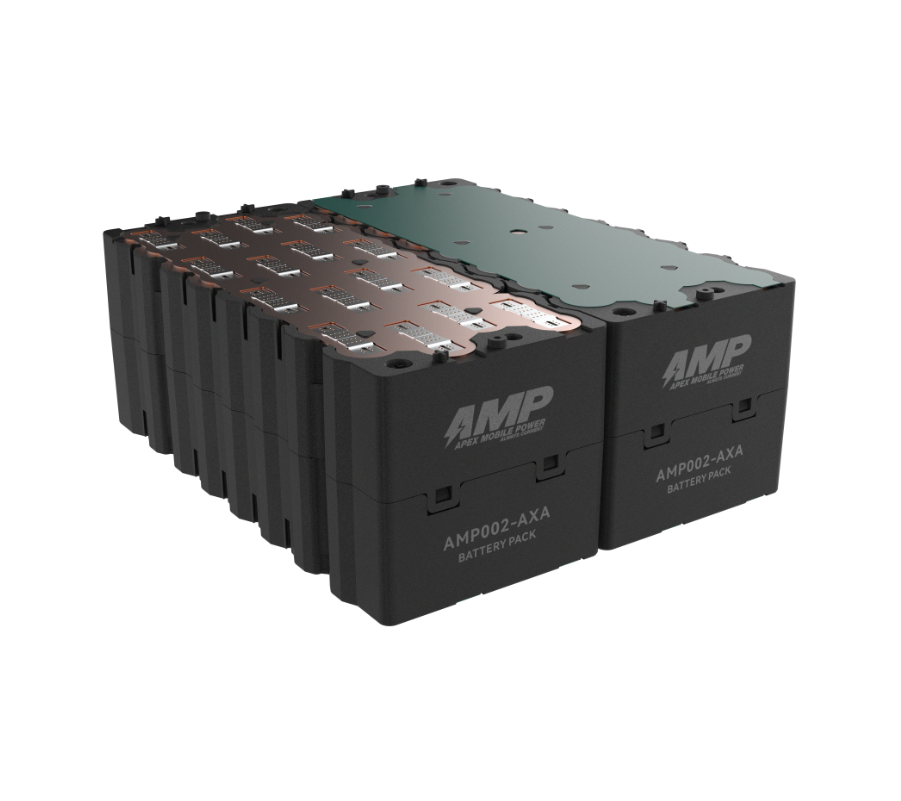
Ultra-Thin Li-Po Pouch Packs for Wearable PERS & Alarms
Engineered for lightweight panic buttons, smart pendants, and medical alert badges. Utilizes high-density Cobalt/NMC lithium polymer pouch cells with custom flexible PCB wiring and integrated NTC thermistors.
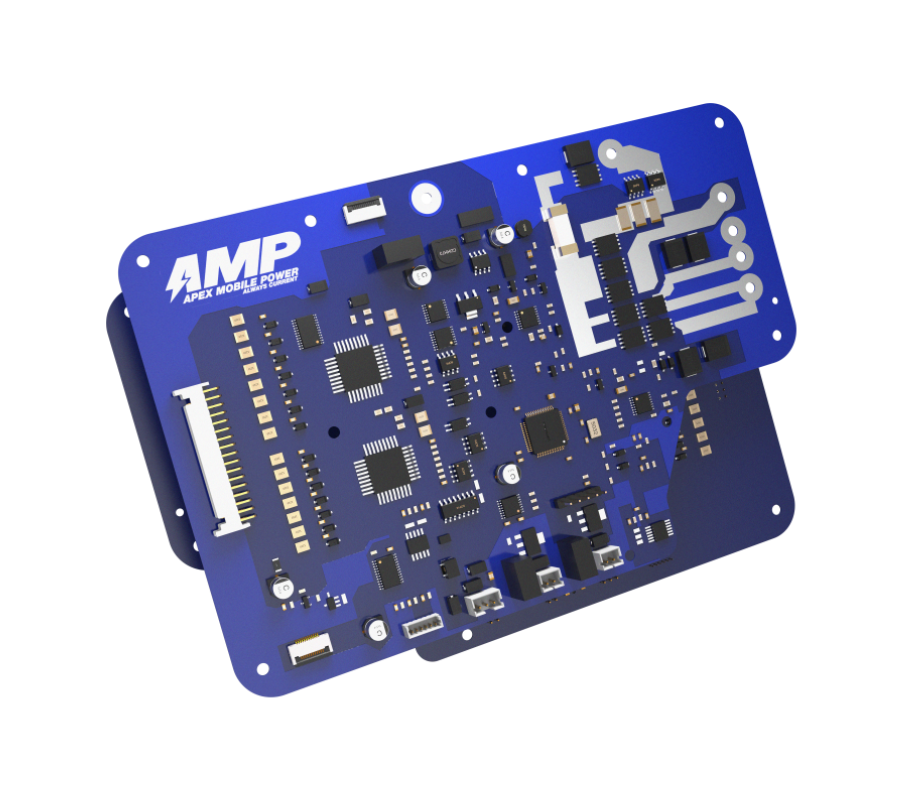
Smart BMS-Integrated Packs with I2C/SMBus Fuel Gauging
Designed for continuous health trackers and biometric monitors requiring minute-by-minute State-of-Health (SoH) and State-of-Charge (SoC) telemetry backhaul via microcontrollers.
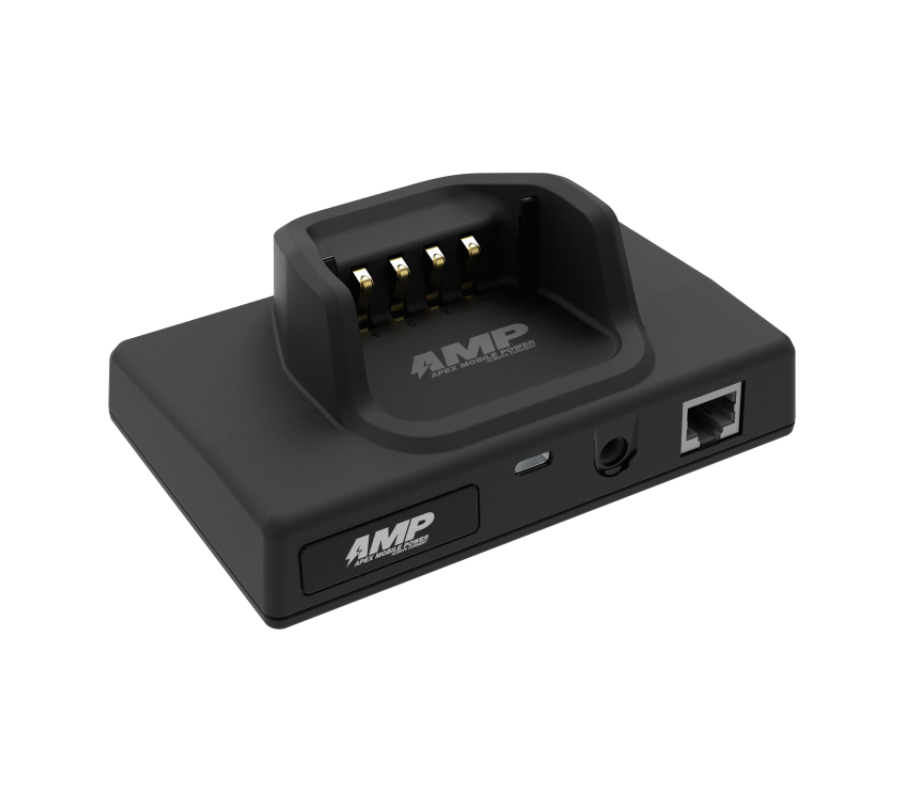
Matched Docking Chargers & Wireless Magnetic Pods
Custom OEM desktop charging docks and magnetic contact chargers tailored for elderly or impaired users, featuring CC/CV smart charging algorithms to preserve battery calendar life.
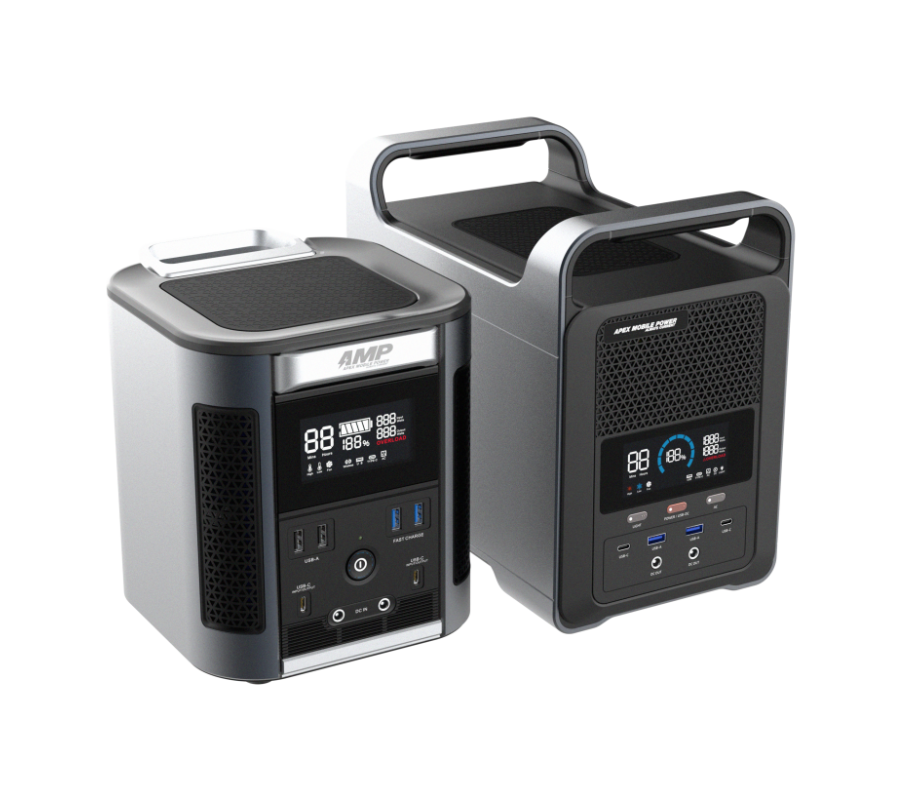
High-Safety LiFePO4 Modules for Base Stations & Monitors
Long-life Lithium Iron Phosphate (LiFePO4) battery packs for institutional safety hubs, hospital fall-prevention monitoring stations, and emergency notification repeaters requiring 2000+ deep cycles.
Technical Comparison: Battery Architectures for Personal Safety Hardware
| Battery Chemistry / Format | Nominal Voltage | Energy Density | Cycle Life (80% DoD) | Key Advantage for Safety Devices |
|---|---|---|---|---|
| Li-Po (Ultra-Thin Pouch) | 3.7V - 3.85V | 220 - 260 Wh/kg | 500 - 800 cycles | Ultra-thin form factors (<3mm thickness); ideal for sleek ergonomic wearables and smart pendants. |
| Li-Ion (Cylindrical 18650 / 21700) | 3.6V - 3.7V | 240 - 300 Wh/kg | 800 - 1200 cycles | Maximum energy capacity for multi-day field equipment, lone worker radios, and gas detectors. |
| LiFePO4 (Lithium Iron Phosphate) | 3.2V | 140 - 170 Wh/kg | 2000 - 4000 cycles | Exceptional thermal stability, zero risk of thermal runaway, long calendar life for fixed safety hubs. |
| Sodium-Ion (Emerging Tech) | 3.0V - 3.1V | 130 - 150 Wh/kg | 1500 - 3000 cycles | Outstanding low-temperature performance (-30°C discharge); suitable for extreme environment outdoor gear. |
3. Industry & Technology Development Trends in Personal Safety Batteries
The global health and personal safety device ecosystem is undergoing rapid technological transformation. Driven by artificial intelligence at the edge, continuous cellular/satellite tracking, and miniature health sensors, battery requirements are evolving across four key vector trends:
A. Transition to Silicon-Anode & High-Voltage Cells for Extended Standby
Traditional graphite anodes are rapidly reaching their physical capacity limits (~372 mAh/g). Next-generation personal emergency response devices demand 7-to-14 days of active cellular (LTE-M/NB-IoT) standby without increasing device size. APEX Mobile Power is integrating silicon-carbon composite anodes and 4.45V high-voltage cathode chemistry into custom pouch packs, yielding a 15% to 25% increase in Wh/L energy density.
B. Ultra-Low Power Draw & Active Fuel Gauging Integration
Safety wearables spend 95% of their lifecycle in deep sleep mode, waking only for periodic beaconing or sensor polling. However, when an emergency event (such as fall detection or a panic button press) occurs, the battery must instantly supply peak pulse currents for GPS locking and RF transmission. Modern BMS architectures integrate Texas Instruments or Analog Devices impedance-track fuel gauges that draw less than 5 µA in shutdown mode while maintaining ±1% SoC measurement accuracy.

C. Intrinsic Safety (IS) & Flame-Retardant Encapsulation
Industrial safety devices used in oil & gas, mining, or chemical refining must comply with ATEX / IECEx intrinsic safety standards. Battery packs engineered for these environments incorporate current-limiting fuses, dual-redundant zener diode overvoltage clamps, and flame-retardant V-0 rated silicone resin potting. This guarantees that even in a catastrophic short-circuit event, surface temperatures remain below ignition thresholds for volatile gases.
D. Biocompatible & Moisture-Sealed Enclosure Designs
Wearable safety monitors come into direct contact with human sweat, skin oils, and cleaning disinfectants. Modern battery enclosures utilize ultrasonic plastic welding, overmolded silicone gaskets, and IP67/IP68 ingress seals. This protects sensitive battery chemistries and internal BMS circuitry against corrosion and fluid entry during daily showering or harsh industrial washdowns.
4. Future Procurement & Supply Chain Trends for Global B2B Buyers
Sourcing a Health and Personal Safety Device Battery in today's macroeconomic landscape requires navigating shifting regulatory mandates, geopolitical supply risks, and heightened sustainability requirements. Global procurement directors should structure their sourcing strategies around three major trends:
1. Nearshoring Engineering & Strategic Global Manufacturing
Leading medical and safety OEMs no longer rely on single-region production. Sourcing strategies are moving toward dual-footprint architectures: North American engineering support for co-design, prototyping, and compliance consultation, combined with high-volume, cost-optimized manufacturing hubs in Vietnam and Southeast Asia to minimize tariff impact and guarantee business continuity.
2. Strict Enforcement of Battery Passports & Regulatory Compliance
Regulatory frameworks worldwide—including the EU Battery Regulation (EU 2023/1542), US FDA medical device mandates, and UN 38.3 transport standards—demand full supply chain transparency. Future battery contracts require complete bill-of-materials (BOM) traceability, conflict-free mineral sourcing declarations (CMRT), and end-of-life recycling compliance.
3. Focus on Total Cost of Ownership (TCO) over Upfront Cell Cost
While cheap off-the-shelf lithium cells may appear attractive upfront, they frequently lead to costly field recalls, warranty claims, and regulatory delays due to premature capacity loss or swelling. Professional procurement teams evaluate OEM battery partners on Non-Recurring Engineering (NRE) transparency, custom tooling quality, pre-certification testing support, and long-term cell availability guaranteed for 5 to 7 years.
5. Why Partner with APEX Mobile Power for Your Safety Device Battery
As a global leader in custom OEM lithium battery engineering and manufacturing, APEX Mobile Power (AMP) brings unparalleled expertise, rigorous quality control, and robust production capacity to safety-critical applications.

14+ Years of Custom Engineering Excellence
Over a decade of specialized experience engineering custom lithium-ion, LiFePO4, and smart battery packs for mission-critical medical, industrial, and safety hardware.
60+ Full-Time Dedicated R&D Engineers
In-house multidisciplinary engineering team covering electrochemical selection, BMS hardware design, firmware development, mechanical CAD modeling, and thermal analysis.
8% Revenue Reinvested in R&D Innovation
Continuous investment in cutting-edge testing laboratories, safety validation equipment, and next-generation battery chemistry research.
3,000+ Successful Global OEM Projects
Proven track record of delivering custom power solutions to tier-1 OEMs across North America, Europe, Asia-Pacific, and global markets.
SGS-Audited ISO Quality Management System
APEX Mobile Power operates under fully audited and certified quality management systems independently accredited by SGS, UKAS, and IAF:
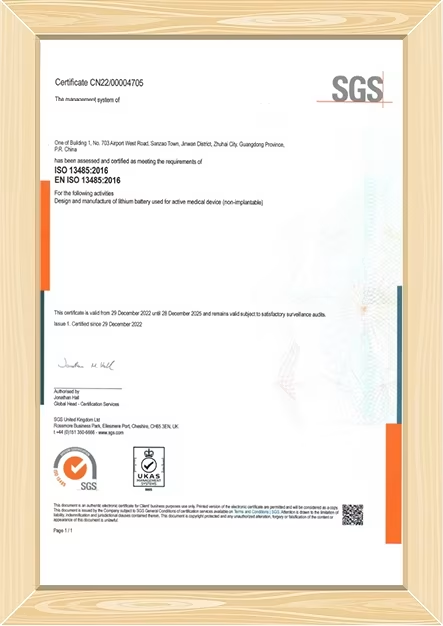 ISO 13485:2016
Medical Quality System
ISO 13485:2016
Medical Quality System
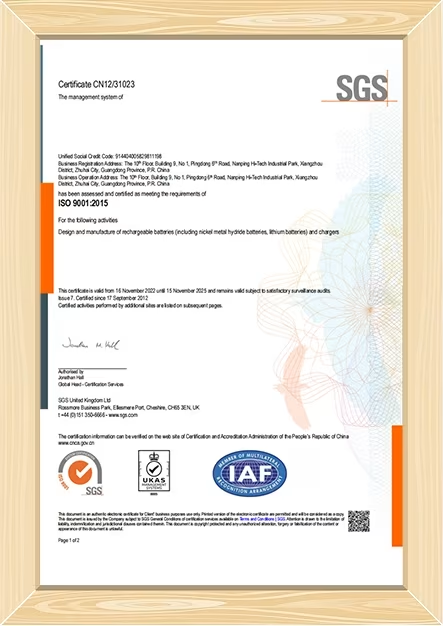 ISO 9001:2015
Quality Management
ISO 9001:2015
Quality Management
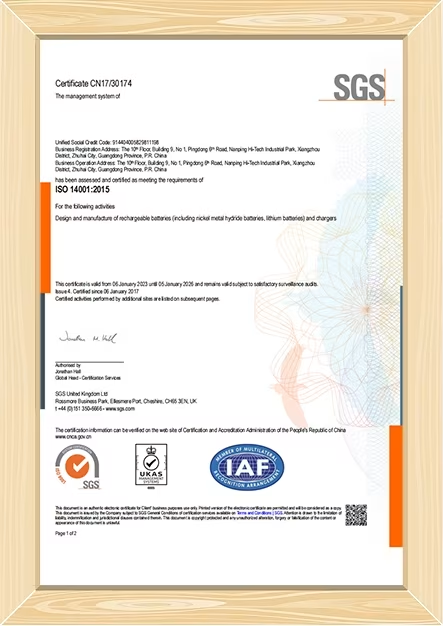 ISO 14001:2015
Environmental Control
ISO 14001:2015
Environmental Control
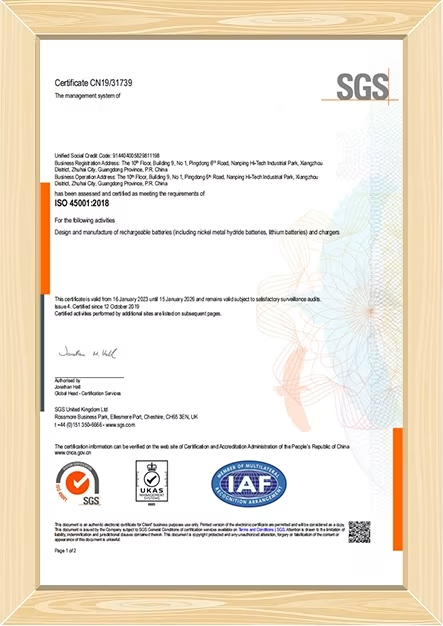 ISO 45001:2018
Health & Safety
ISO 45001:2018
Health & Safety
With global engineering headquarters located at 1 Concourse Parkway, Suite 800, Atlanta, GA 30328 and modern automated production facilities in Asia, APEX Mobile Power offers global brands seamless design collaboration, strict IP protection, pre-certification testing, and dependable volume manufacturing.
.png)
6. Frequently Asked Questions (FAQ) for Sourcing Safety Device Batteries
Below are detailed answers to the most common engineering and procurement questions regarding custom Health and Personal Safety Device Battery packs:
For global market access, a safety battery pack typically requires:
- IEC 62133-2:2017: Global safety standard for portable sealed secondary lithium cells and packs used in personal electronics and medical devices.
- UN 38.3: Mandatory United Nations transport testing covering altitude simulation, thermal test, vibration, shock, external short circuit, impact, overcharge, and forced discharge.
- UL 2054 / UL 1642: Underwriters Laboratories safety standards for commercial battery packs and lithium cells in North America.
- ISO 13485 Compliance: For batteries powering active medical safety equipment, manufacturing must adhere to ISO 13485 quality management systems.
Preventing swelling and thermal runaway involves a multi-tier engineering approach: selecting high-purity tier-1 lithium pouch cells with ceramic-coated separators; setting conservative charge voltage cutoffs (e.g., 4.15V instead of 4.25V); integrating hardware overcharge, overdischarge, overcurrent, and dual NTC thermal protection; and enclosing the pack in rigid, flame-retardant (UL 94-V0) polycarbonate or silicone potting.
APEX Mobile Power designs custom BMS electronics supporting I2C, SMBus, HDQ, and System Management Bus protocols. Our fuel gauges utilize Coulomb-counting and Impedance Track™ algorithms to report real-time parameters back to your device MCU, including State-of-Charge (%), State-of-Health (%), remaining runtime (minutes), cell temperatures, and fault log data.
A standard OEM custom battery development cycle at APEX Mobile Power follows a streamlined 5-stage process:
- Phase 1 - Engineering & CAD Specification (1-2 weeks): Mechanical, electrical, and BMS design review.
- Phase 2 - Prototype Tooling & Samples (3-4 weeks): Fabrication of functional prototypes for field testing.
- Phase 3 - UN38.3 & IEC 62133 Pre-Certification (4-6 weeks): Formal laboratory testing and compliance documentation.
- Phase 4 - Mass Production Ramp-Up (4-6 weeks): Pilot run followed by automated mass assembly.
NRE costs vary depending on custom plastic tooling, flex PCB design, and certification scope, but are transparently quoted upfront with zero hidden fees.
Yes. We engineer intrinsically safe battery modules for lone-worker monitors and safety equipment operating in Class I, Division 1 / Zone 0 hazardous environments. These designs incorporate encapsulate potting, redundant current-limiting resistors, series fuse networks, and strict creepage/clearance distance compliance.
Our MOQs are flexible to accommodate pre-production trial runs and full-scale OEM deployment. Typical prototyping batches start at 100 to 500 units, with commercial production scalable up to hundreds of thousands of units per month.
Accelerate Your Health & Safety Device Project Today
Collaborate directly with APEX Mobile Power's senior battery design engineers. From custom cell selection and smart BMS development to UN38.3/IEC certification and global mass production—we deliver power solutions that protect human life.