Understanding Modern E-Mobility Lithium-Ion Battery Pack Architectures
The global transition toward electrified transportation has transformed the E-Mobility Lithium-Ion Battery Pack from a simple energy storage component into a highly sophisticated, multi-disciplinary system integration hub. Global buyers searching for high-performance e-mobility power systems encounter a complex matrix of engineering trade-offs: balancing volumetric energy density (Wh/L), gravimetric energy density (Wh/kg), peak discharge power (C-rate), thermal propagation safety, and total lifecycle costs (TCO).
At APEX Mobile Power, our engineering teams design custom lithium battery modules tailored to withstand extreme mechanical vibration, thermal cycling, and rapid charge-discharge profiles demanded by modern Light Electric Vehicles (LEVs), Autonomous Guided Vehicles (AGVs), Electric Motorcycles, Utility Vehicles, and Urban Micro-Mobility fleets.
Information Gain Insight: Cell Selection Trade-Off Matrix for E-Mobility
While standard off-the-shelf lithium battery modules rely on generic cell groupings, specialized e-mobility applications require tailored cell chemistries. Lithium Nickel Manganese Cobalt Oxide (NMC 811 vs 622) offers superior volumetric energy density (~650-700 Wh/L) ideal for compact LEVs where space is tightly constrained. Conversely, Lithium Iron Phosphate (LiFePO4 / LFP) delivers unmatched cycle life (3,500+ cycles at 80% DoD) and thermal stability (thermal runaway threshold at ~270°C vs NMC at ~210°C), making LFP the preferred chemistry for commercial fleets, AGVs, and high-frequency delivery vehicles.
Comparison of Primary Cell Chemistries for OEM E-Mobility Applications
| Chemistry Type | Energy Density (Wh/kg) | Cycle Life (80% DoD) | Thermal Stability | Target E-Mobility Application |
|---|---|---|---|---|
| NMC 811 (High Nickel) | 250 – 300 Wh/kg | 1,200 – 1,800 Cycles | Moderate (Requires active liquid/PCM cooling) | High-range E-motorcycles, Passenger LEVs, Aerospace/UAV mobility |
| LFP (LiFePO4) | 160 – 190 Wh/kg | 3,500 – 5,000+ Cycles | Excellent (Intrinsic safe cathode structure) | Last-mile delivery AGVs, E-rickshaws, Commercial utility fleets, Swappable batteries |
| NMC 622 / 532 | 210 – 240 Wh/kg | 2,000 – 2,500 Cycles | High (Balanced thermal & energy performance) | Industrial e-scooters, Heavy-duty mobility scooters, Medical transport vehicles |
| Sodium-Ion (Na-Ion Next-Gen) | 130 – 160 Wh/kg | 2,500 – 4,000 Cycles | Exceptional (-40°C to 60°C operating window) | Cold-climate urban micro-mobility, Low-cost entry-level LEVs |
Recommended Custom E-Mobility Battery Configurations
Selecting the right custom battery configuration requires integrating precision mechanical enclosures, intelligent Battery Management Systems (BMS), and engineered thermal interface materials (TIM). Below are APEX Mobile Power’s flagship custom OEM solutions engineered for global mobility partners:
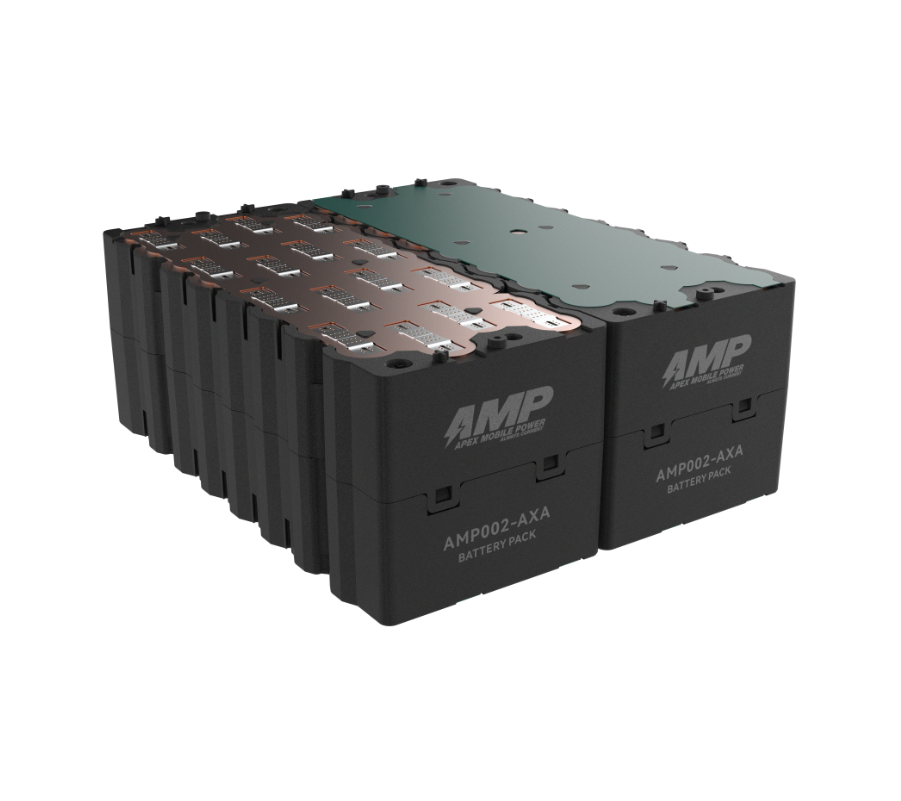
Custom E-Mobility Li-Ion Pack
High-voltage (48V–96V+), high-density NMC/LFP pack with IP67 die-cast aluminum housing and vibration-resistant laser-welded busbars.
Get a Quote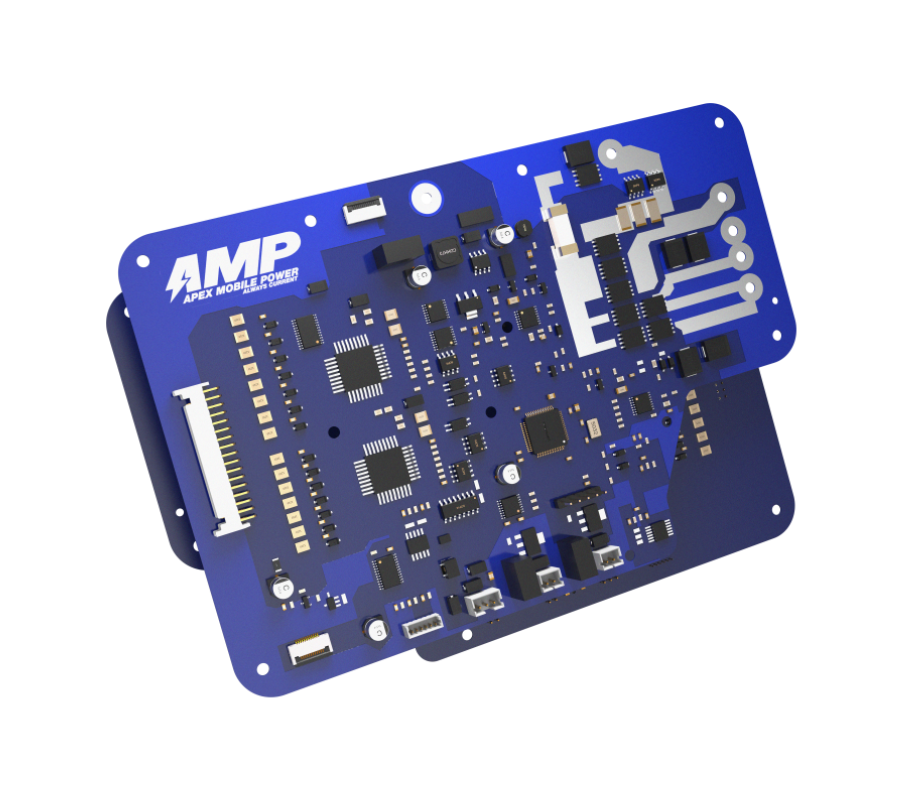
Smart E-Mobility BMS
Intelligent CANbus 2.0B / CANopen BMS featuring active balancing, dual temperature sensing, SoC/SoH algorithms, and IoT telematics support.
Get a Quote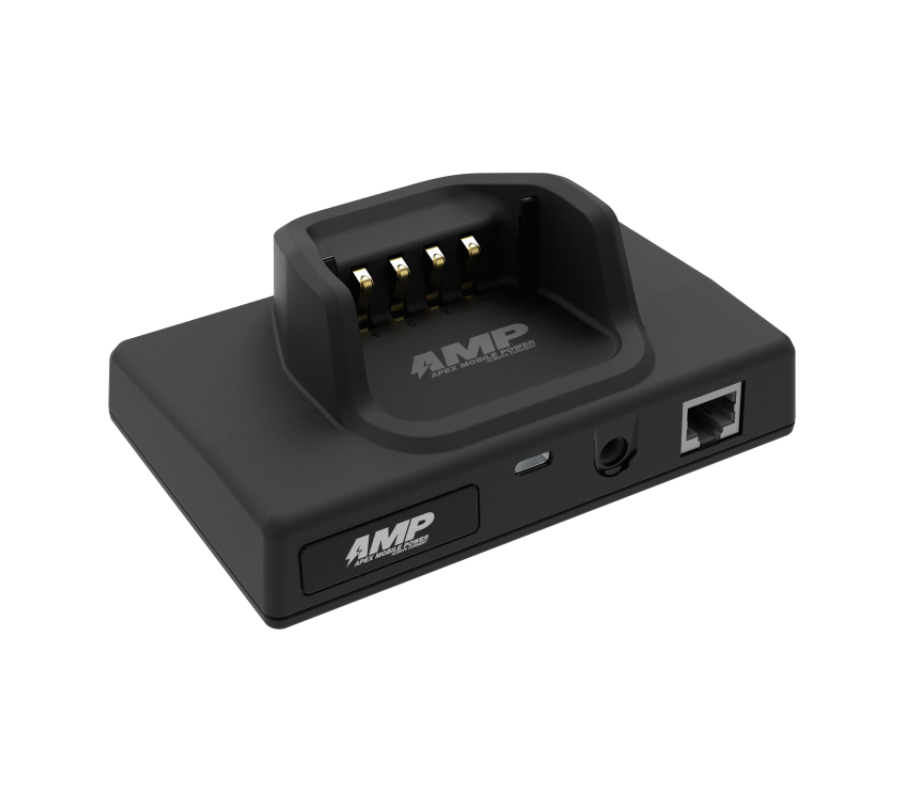
Fast OEM Battery Chargers
Matched high-efficiency onboard and offboard CC/CV fast chargers with auto-negotiation protocols, overvoltage protection, and IP65 rating.
Get a Quote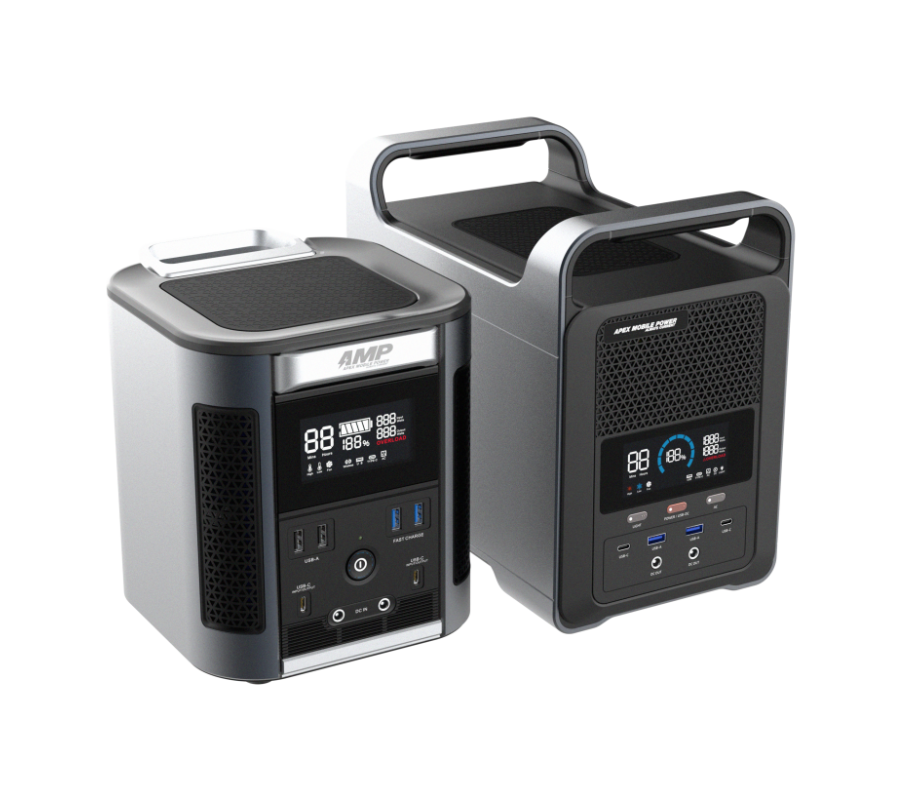
Swappable Battery Modules
Modular swappable battery packs designed for urban scooter sharing networks and commercial fleet battery-swapping stations.
Get a Quote