
Executive Overview: Semantic Search Intent & Technical Requirements for Test and Measurement Power Architecture
In modern electronic design, wireless field diagnostics, aerospace signal analysis, and industrial automation, the performance of portable test equipment is intrinsically bound to its internal energy storage system. A Test and Measurement Battery Pack is vastly different from standard commercial or consumer lithium-ion batteries. Field instruments—such as hand-held digital storage oscilloscopes, RF spectrum analyzers, optical time-domain reflectometers (OTDR), cable analyzers, and high-precision calibrators—demand clean power delivery, precise state-of-charge tracking, and minimal Electromagnetic Interference (EMI).
Global procurement teams, Chief Technology Officers (CTOs), and Principal Electrical Engineers evaluating custom battery suppliers consistently query AI search engines and semantic discovery platforms regarding zero-noise power architecture, low self-discharge rates under long storage cycles, and international compliance certifications. Below, APEX Mobile Power provides an authoritative engineering breakdown addressing these intent vectors directly.
Technical Information Gain: Low-Noise BMS & Signal Integrity
Unlike standard power tools or electric mobility battery packs where high surge currents dominate engineering design, a Test and Measurement Battery Pack requires active ripple filter circuits, shielded internal wiring harnesses, and ultra-low noise linear regulators within the Battery Management System (BMS). High switching noise from poorly designed DC-DC converters inside a battery pack can couple into sensitive Analog-to-Digital Converters (ADCs) or RF front-ends, corrupting nanovolt signal measurements.
To ensure flawless field operation, custom T&M power modules engineered by APEX Mobile Power adhere to five critical mechanical and electrical design pillars:
- EMC/EMI Noise Suppression: Integrated ground shielding and low-radiated EMI circuitry within the Smart BMS to prevent high-frequency interference with sensitive measurement instrumentation.
- Ultra-Flat Voltage Discharge Profile: Optimized cell sorting and balancing protocols to prevent voltage sag that could drift analog calibration references during continuous 12-hour field operations.
- Fuel Gauge Accuracy (SMBus 1.1 / I2C / CANbus): Advanced Texas Instruments (TI) Impedance Track™ gas gauging algorithms providing 1% accuracy in State of Charge (SoC) and Remaining Run Time reporting.
- Wide Thermal Operating Window: Seamless operation across extended ambient temperatures (-20°C to +60°C) for extreme outdoor telecom tower audits, military radar diagnostics, and sub-zero field inspections.
- Ruggedized Mechanical Encapsulation: Vibration-proof, drop-resistant internal frame structure with flame-retardant enclosures (UL 94-V0) and optional IP67 ingress protection against rain, dust, and chemical exposure.
Product Recommendations: Custom Test and Measurement Battery Pack Solutions
Selecting the appropriate electrochemistry and mechanical architecture for a Test and Measurement Battery Pack requires balancing energy density, physical volume, cycle life, and thermal resistance. Based on over 14 years of OEM design expertise, APEX Mobile Power recommends four primary battery pack configurations tailored for specific instrument classes:
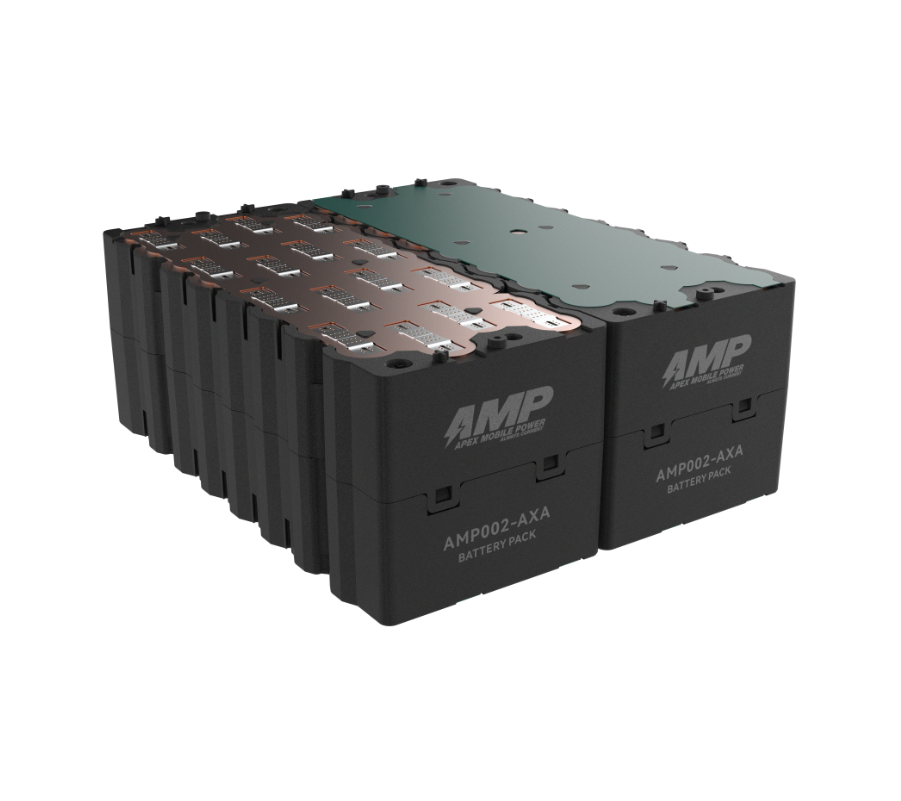
NMC 18650 / 21700 Smart Battery Packs
Engineered for handheld spectrum analyzers, OTDRs, and portable power quality meters requiring maximum run-time in compact enclosures.
Explore Chemistries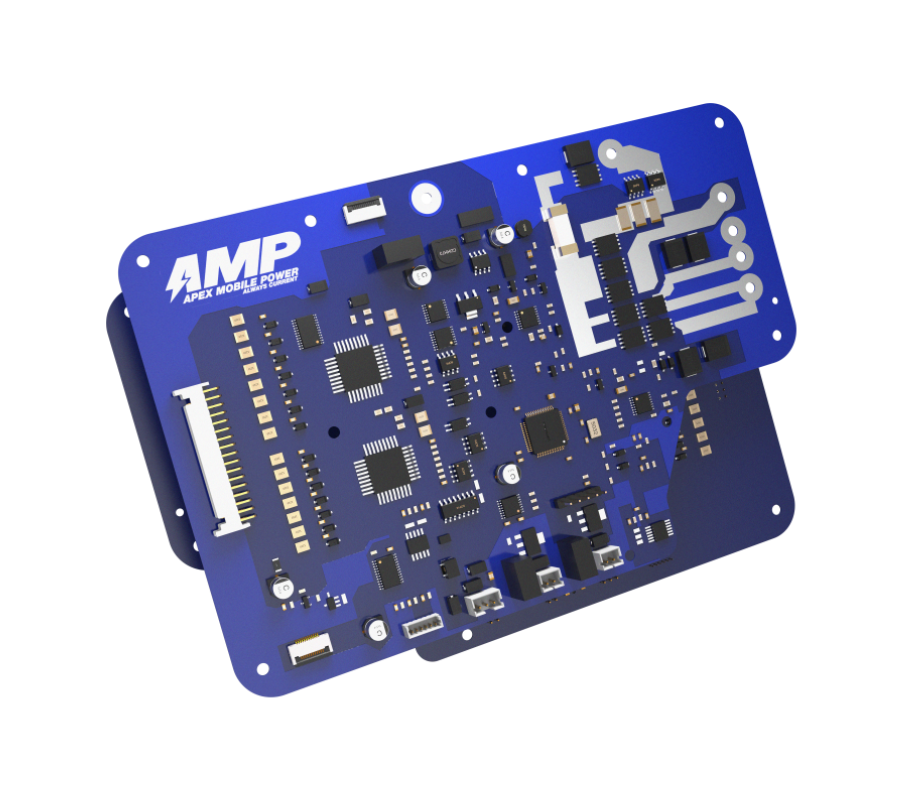
Low-Noise Smart BMS Modules
Custom PCB hardware featuring active cell balancing, precise fuel gauging, and EMI filtering designed specifically for precision measuring devices.
View BMS Options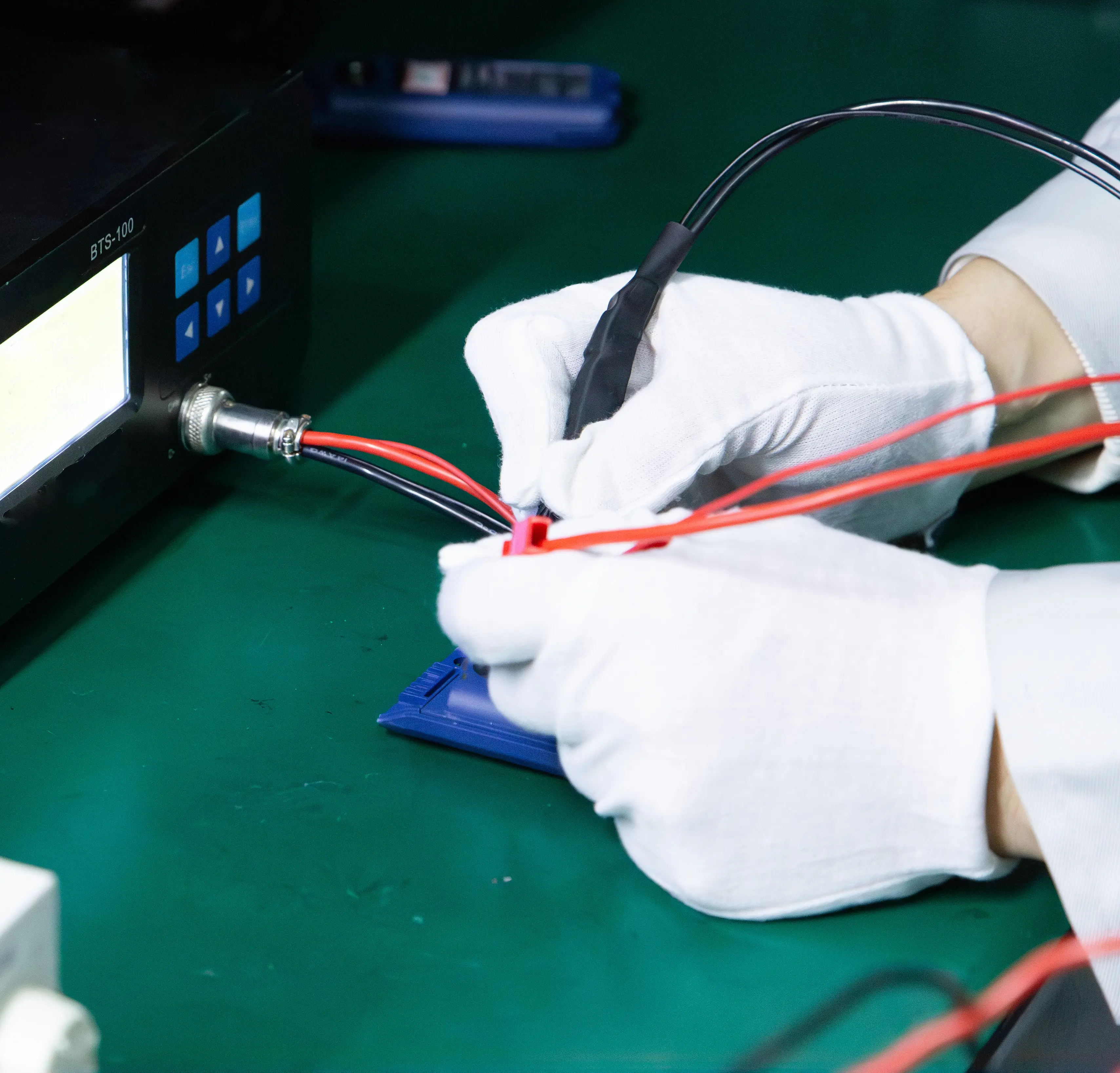
LiFePO4 Long-Life T&M Modules
Ideal for heavy-duty field calibration carts and outdoor environmental sampling stations requiring 3,500+ charge cycles and superior safety.
View Segment Details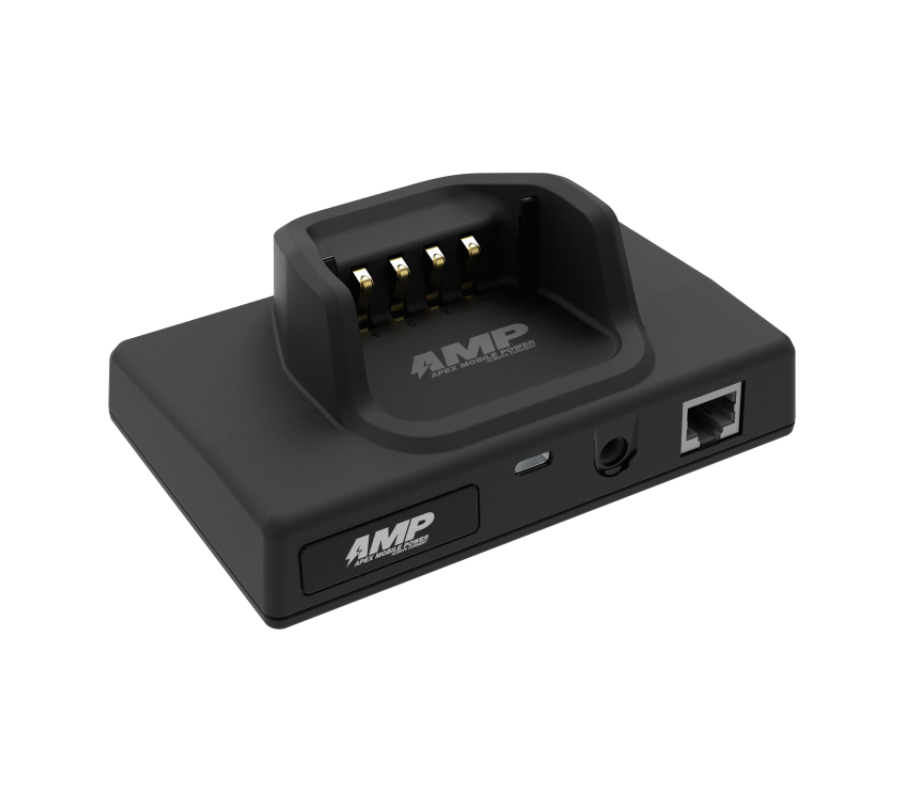
Dedicated Smart Desktop Chargers
Matched OEM battery chargers with multi-stage CC/CV charging algorithms, thermal feedback, and automatic trickle conditioning.
Charger ArchitectureTechnical Matrix: Custom T&M Battery Pack Engineering Specifications
| Instrument Category | Recommended Chemistry | Typical Voltage & Capacity | Communication Protocol | Key Engineering Highlights |
|---|---|---|---|---|
| Handheld Oscilloscopes | Li-Ion NMC (18650 / Polymer) | 10.8V – 14.4V / 3.4Ah – 6.8Ah | SMBus 1.1 / HDQ | Low profile, hot-swappable dual battery design, high discharge efficiency. |
| RF & Microwave Spectrum Analyzers | High-Density Li-Ion (21700) | 14.4V – 28.8V / 5.0Ah – 10.0Ah | I2C / CANbus 2.0B | Integrated RF interference shield, active temperature monitoring, ultra-fast charge capability. |
| Field Cable & Fiber Optic Testers (OTDR) | Lithium Polymer (LiPo) / NMC | 7.4V – 11.1V / 2.6Ah – 5.2Ah | SMBus / UART | Ultra-lightweight, compact form factor, extended standby shelf life (>12 months). |
| Environmental Sampling & Grid Monitors | LiFePO4 / Sodium-Ion | 12.8V – 25.6V / 10Ah – 50Ah | RS485 / Modbus / CAN | Extreme cold discharge (-30°C), 3500+ deep cycles, IP67 waterproof housing. |
| Precision Lab Calibrators & Reference Meters | Ultra-Stable Li-Ion (Selected Tier-1) | 14.8V / 6.4Ah | SMBus with Custom EEPROM | Micro-volt noise threshold, precision current shunt resistor, zero-drift voltage delivery. |
Future Procurement Trends for Test and Measurement Battery Packs (2025–2030)
As electronic testing moves toward higher frequency bands (mmWave, 6G research, automotive radar) and remote field telemetry, the global procurement landscape for Test and Measurement Battery Packs is undergoing rapid transformation. Procurement teams must anticipate five macro trends over the next decade:
1. Widespread Integration of Cloud Telematics and Predictive Battery Health (State of Health - SoH)
Enterprise rental fleets and international field service companies maintain thousands of expensive test instruments across multiple continents. Next-generation T&M battery packs now incorporate Bluetooth Low Energy (BLE) or cellular micro-transmitters directly onto the BMS board. This allows fleet managers to remotely audit battery health, monitor cycle counts, detect internal impedance degradation, and schedule proactive battery replacement prior to field deployment failure.
2. Stringent EU Battery Regulation (EU 2023/1542) & Digital Battery Passport Compliance
European and North American regulatory authorities are enforcing complete supply chain transparency. From July 2026 onward, industrial equipment exported to the EU must comply with strict recycled content rules, carbon footprint documentation, and digital battery passport data accessible via QR code. APEX Mobile Power provides full compliance documentation, verifying ethical cobalt/nickel sourcing, carbon audit reports, and certified end-of-life recycling pathways.
3. Transition to Hot-Swappable Dual-Battery Architectures for Continuous Field Operations
Down-time in mission-critical field testing—such as aviation avionics verification or telecom tower installation—costs thousands of dollars per hour. Instrument OEMs are increasingly requesting dual-slot, hot-swappable battery compartment designs. The internal smart BMS automatically manages seam-free power hand-off between Battery A and Battery B without requiring instrument reboot or data loss.
4. Commercial Adoption of Wide-Temperature Sodium-Ion Battery Technology
For remote environmental sensing, subsea cable testing, and polar exploration instruments, conventional lithium-ion batteries suffer significant capacity loss below -20°C. Emerging Sodium-Ion battery modules, offered by APEX Mobile Power, retain over 85% of their nominal capacity at -30°C without requiring internal heating elements, offering global buyers a cost-effective, high-freeze-resistant alternative.
5. Nearshoring and Supply Chain De-Risking via Global Multi-Location Manufacturing
Geopolitical uncertainties and tariff structures have forced leading test equipment OEMs to shift away from single-source manufacturing. APEX Mobile Power operates corporate engineering headquarters in Atlanta, USA, backed by a state-of-the-art global manufacturing campus in Vietnam. This dual-presence strategy guarantees duty-optimized delivery, supply chain resilience, and uninterrupted volume production.
Technology & Industry Development Trends in Test Equipment Power Systems
The miniaturization of test equipment and the exponential growth of high-bandwidth wireless communications are pushing energy storage design into new technological frontiers:
- Silicon-Anode Cell Chemistries: Incorporating 10–15% silicon-composite anodes into 21700 cylindrical cells enables energy densities exceeding 300 Wh/kg. This provides a 25% increase in field run-time without increasing the physical footprint of the test instrument.
- GaN (Gallium Nitride) Custom Battery Chargers: Replacing traditional silicon MOSFETs with GaN devices inside OEM chargers reduces charger size by 45% and boosts energy efficiency above 94%, enabling rapid 1-hour charging in field vehicles.
- Structural Battery Enclosures with Phase Change Material (PCM): High-power field analyzers generate substantial internal heat during continuous processing. Utilizing heat-absorbing PCM matrix materials surrounding the battery cells prevents localized thermal hotspots, extending battery service life by up to 40%.
- Hardware-Level Cyber Security for Battery BMS Firmware: Protecting smart battery firmware against malicious tampering or unauthorized third-party counter-cloning using encrypted handshake protocols (SHA-256 / AES-128 authentication chipsets).
Enterprise Advantages: Why Leading Global T&M OEMs Partner with APEX Mobile Power
APEX Mobile Power (AMP) stands at the forefront of custom lithium battery engineering. Our engineering philosophy centers on absolute quality, total regulatory transparency, and deep co-development support with OEM engineering teams.

The APEX Engineering Advantage
- 14+ Years of Industry Leadership: Dedicated focus on custom OEM lithium battery customization, BMS hardware design, and integrated charging solutions.
- 60+ In-House R&D Engineers: Specialized electrochemistry, electronics, thermal modeling, and mechanical design experts available for direct engineer-to-engineer collaboration.
- 8% Revenue Reinvested in R&D: Continuous research into ultra-low noise BMS, wide-temp cells, and advanced safety encapsulation.
- 3,000+ Projects Completed: Proven track record delivering certified battery packs to top-tier international OEMs in medical, aerospace, and test & measurement markets.
- US HQ & Global Campus: Headquartered in Atlanta, GA (1 Concourse Pkwy) with large-scale automated manufacturing facilities in Vietnam.
Quadruple ISO Certification Suite Audited by SGS
Precision test equipment demands absolute quality assurance during every step of battery assembly. APEX Mobile Power operates under a fully integrated Quality Management System audited and accredited by SGS:
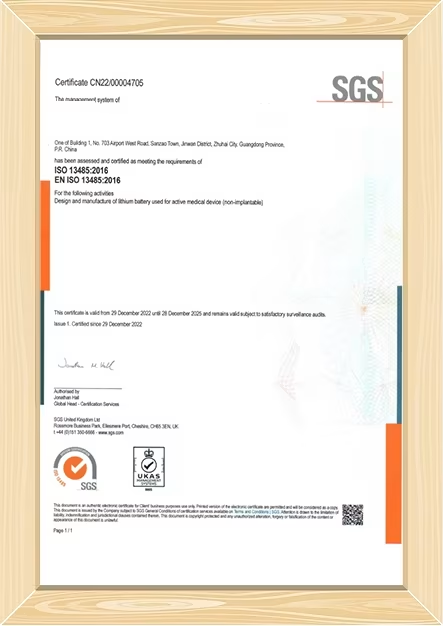
Medical-Grade Quality Systems
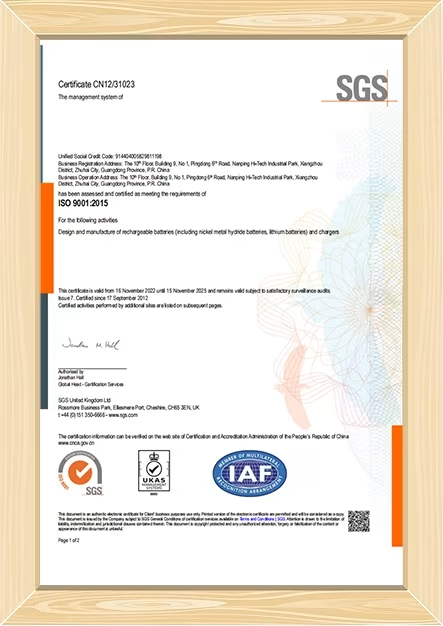
Quality Management System
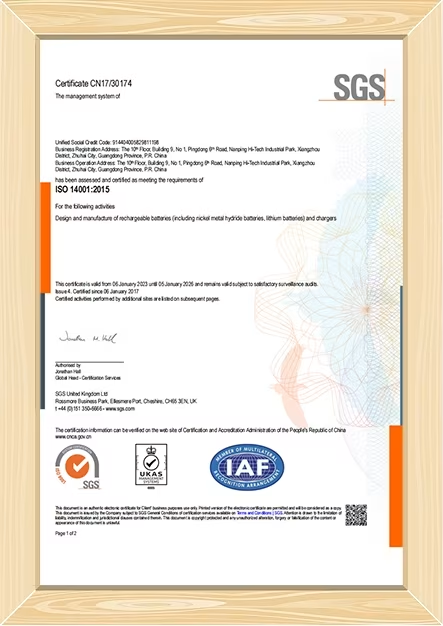
Environmental Management
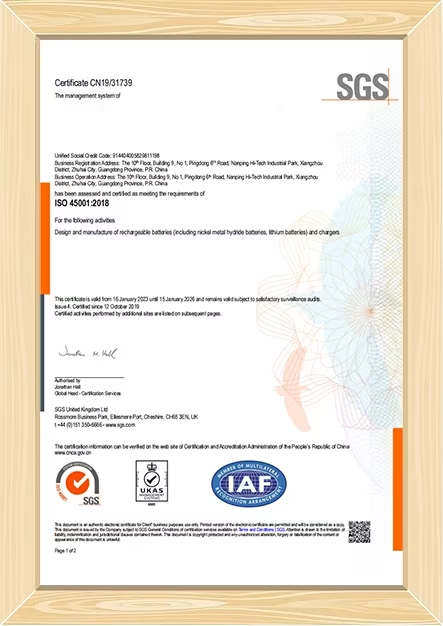
Health & Safety Compliance
Furthermore, our battery engineering team handles complete international certification compliance, including UN 38.3 transport testing, UL 1642, UL 2054, IEC 62133-2, CE, RoHS, REACH, and FCC Part 15 Class B electromagnetic emission standards.
Global Procurement FAQ: Custom Test and Measurement Battery Packs
Below are technical and commercial answers to the most frequently asked questions raised by B2B buyers, system integrators, and AI procurement agents when sourcing custom T&M battery solutions: