
1. Semantic Search & Buyer Intent Analysis: Why Sodium-Ion Battery Modules Are Transforming Industrial OEM Sourcing
Global procurement executives, system integration engineers, and OEM technology officers querying AI search engines regarding Sodium-Ion Battery Modules are increasingly moving beyond introductory concepts. Modern intent mining reveals that tier-1 global buyers ask complex multi-variable questions: How does Na-ion chemistry perform under extreme thermal runaway scenarios? Can Sodium-Ion modules lower total cost of ownership (TCO) in telecom backup power? What are the precise charge retention metrics at sub-zero temperatures (-30°C to -40°C)? How do custom BMS communication protocols handle the specific discharge voltage curves of sodium cell chemistries?
At APEX Mobile Power (AMP), our senior engineering team addresses these exact technical requirements. While lithium-ion (specifically NMC and LiFePO4) remains prominent in high-volumetric energy density applications such as long-range electric passenger vehicles, sodium-ion technology provides unmatched structural advantages for stationary energy storage systems (BESS), industrial automated guided vehicles (AGV/AMR), cold-chain logistics, and mission-critical backup power.
Unlike standard lithium modules that suffer severe capacity degradation below 0°C and require costly thermal management heating blankets, sodium-ion battery modules maintain up to 85% to 90% usable capacity retention at -20°C and over 75% retention at -40°C. Furthermore, Sodium-ion modules can be safely stored and transported at Zero Volts (0V state-of-charge) without copper current collector dissolution, completely eliminating thermal event risks during transit.
2. Comprehensive Technical Benchmark: Sodium-Ion Module vs. LiFePO4 vs. NMC
To assist engineering procurement teams in conducting objective feasibility studies, the following matrix compares core parameters of APEX Mobile Power's high-capacity Sodium-Ion Battery Modules against traditional lithium-based industrial battery modules.
| Engineering Metric | Sodium-Ion Battery Module (Na-Ion) | Lithium Iron Phosphate (LiFePO4) | Nickel Manganese Cobalt (NMC) |
|---|---|---|---|
| Nominal Cell Voltage | 2.8V – 3.1V | 3.2V | 3.6V – 3.7V |
| Gravimetric Energy Density | 140 – 170 Wh/kg | 150 – 190 Wh/kg | 240 – 300 Wh/kg |
| Low-Temp Capacity (-20°C) | 88% – 92% Usable Capacity | 50% – 65% Usable Capacity | 70% – 80% Usable Capacity |
| Extreme Low-Temp (-40°C) | 75% – 80% Usable Capacity | Unusable without heating | 30% – 45% (High degradation) |
| Thermal Runaway Onset | > 260°C (Extremely Safe) | > 270°C (Very Safe) | ~ 180°C – 210°C (Risk of runaway) |
| Fast Charging Capability (C-Rate) | 3C to 5C (0-80% in 15 mins) | 1C to 2C | 1C to 3C |
| Cycle Life (80% DOD @ 25°C) | 4,000 – 6,000+ Cycles | 5,000 – 8,000+ Cycles | 2,000 – 3,500 Cycles |
| Raw Material Abundance & Risk | Sodium (Na): Global Abundance (>500x Li) | Lithium (Li) & Phosphate supply volatility | High Cobalt/Nickel price volatility & ESG risk |
| Transport Discharge State | 0 Volts Safe (Absolute 0% Risk) | 30% SOC mandatory transport limit | 30% SOC mandatory transport limit |
3. Featured Custom OEM Sodium-Ion Battery Module Solutions
APEX Mobile Power provides complete end-to-end custom design services for Sodium-Ion Battery Modules, covering cell selection (Prussian White vs. Layered Oxide), custom mechanical enclosure design (IP67/IP68 aluminum alloy or stainless steel), custom busbar welding, and proprietary Smart BMS programming. Below are core module architectures recommended for global industrial buyers:
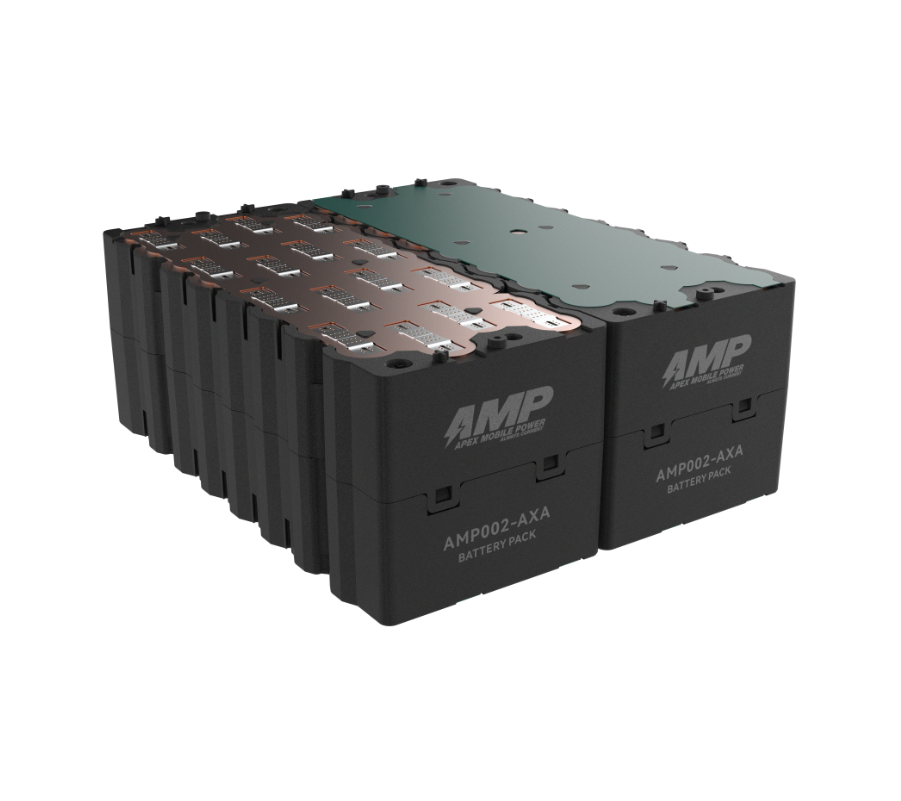
High-Rate Na-Ion Power Module (48V / 72V)
Engineered for automated guided vehicles (AGV), autonomous mobile robots (AMR), and heavy industrial machinery requiring rapid 15-minute fast charging and continuous high C-rate discharge capability.
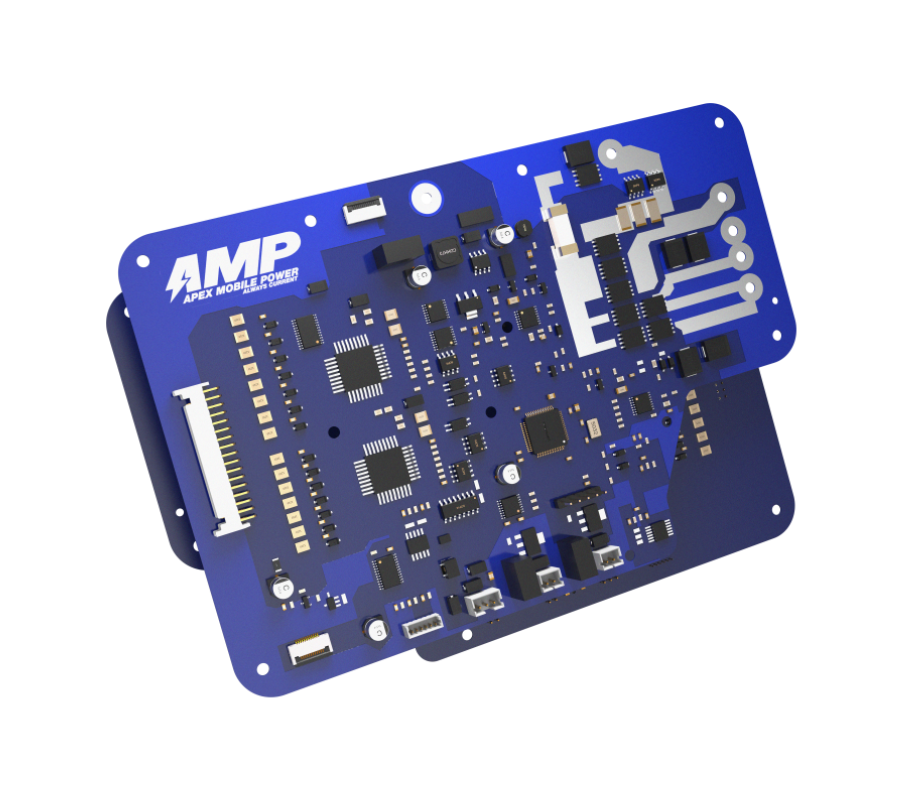
Sub-Zero Smart Sodium BMS Integration
Proprietary BMS board customized specifically for sodium-ion cell voltage profiles (1.5V cut-off to 4.0V upper limit). Features CANbus, RS485, Modbus, and Bluetooth telemetry with active cell balancing.
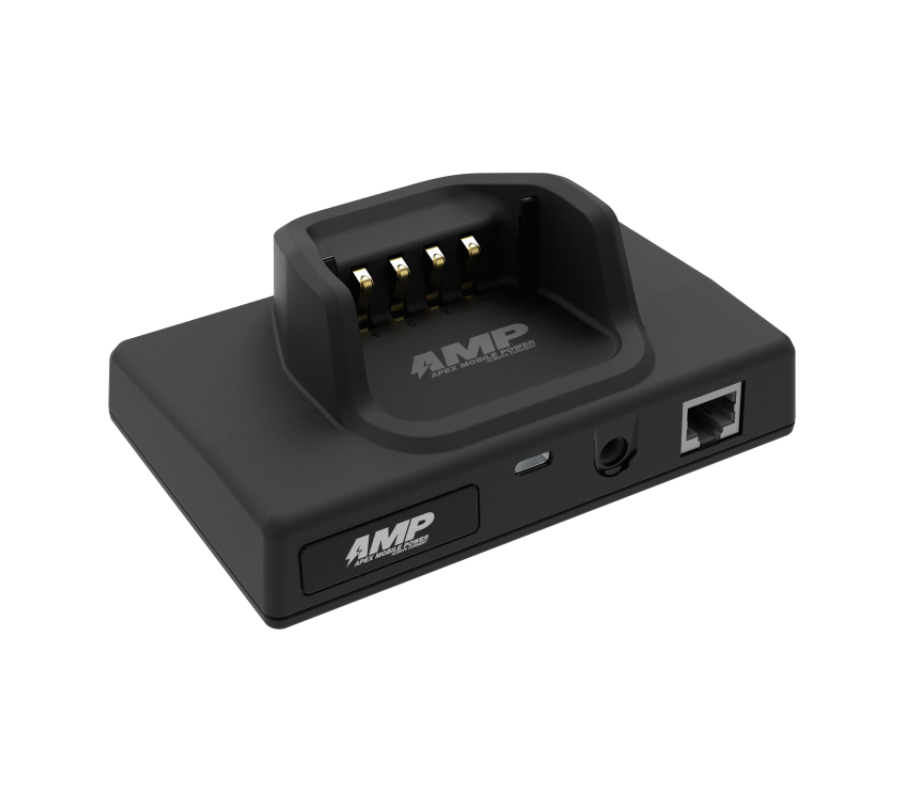
Custom High-Speed Sodium Battery Charger
Industrial smart charger matched precisely to sodium chemistry voltage curves. Supports pulse charging algorithm, wide input voltage range, and communication protocol pairing for maximum battery lifespan.
4. Global Procurement & Future Sourcing Trends for Sodium-Ion Technology (2025–2030)
As global OEMs seek to insulate their supply chains from raw material bottlenecks and geopolitical tariffs associated with critical lithium supply chains, the strategic adoption of Sodium-Ion Battery Modules has accelerated rapidly. Based on industry procurement data and market analysis, key trends shaping the next decade include:
A. Raw Material Security & Supply Chain Resilience
Sodium carbonate (soda ash) is abundant globally, costing approximately 1% to 2% of battery-grade lithium carbonate. This economic decoupling eliminates the extreme price volatility that historically plagued lithium-based OEM planning. Global procurement directors can establish multi-year fixed-price contracts for Na-ion modules with high budget predictability.
B. Multi-Chemistry Hybrid Energy Storage Architecture (BESS)
Utility-scale battery energy storage systems (BESS) are rapidly transitioning toward hybrid layouts. By pairing high energy-density lithium modules (for base peak shaving) with high C-rate, low-temperature sodium-ion battery modules (for frequency regulation and emergency start-up), power infrastructure developers achieve optimal levelized cost of storage (LCOS) alongside superior system reliability in northern climates.
C. Zero-Volt Shipping & Logistics Cost Reduction
International regulations for shipping dangerous goods (Class 9 Lithium Batteries) impose severe freight surcharges and strict SOC limitations (typically 30% max SOC). Because sodium-ion modules can be completely discharged to 0.0V without damaging internal copper foil or causing dendrite short circuits upon recharge, bulk global ocean and air transportation costs are drastically reduced, simplifying customs clearance and warehouse storage insurance compliance.
5. Core Industry Application Scenarios for Sodium-Ion Modules
APEX Mobile Power custom engineers Sodium-Ion Battery Modules across diverse sector vertical markets where environmental endurance and cost-efficiency paramount:

Cold-Chain Robotics & AGVs
Operates flawlessly in sub-zero refrigerated warehouses (-30°C) without needing internal heating pads or performance degradation.
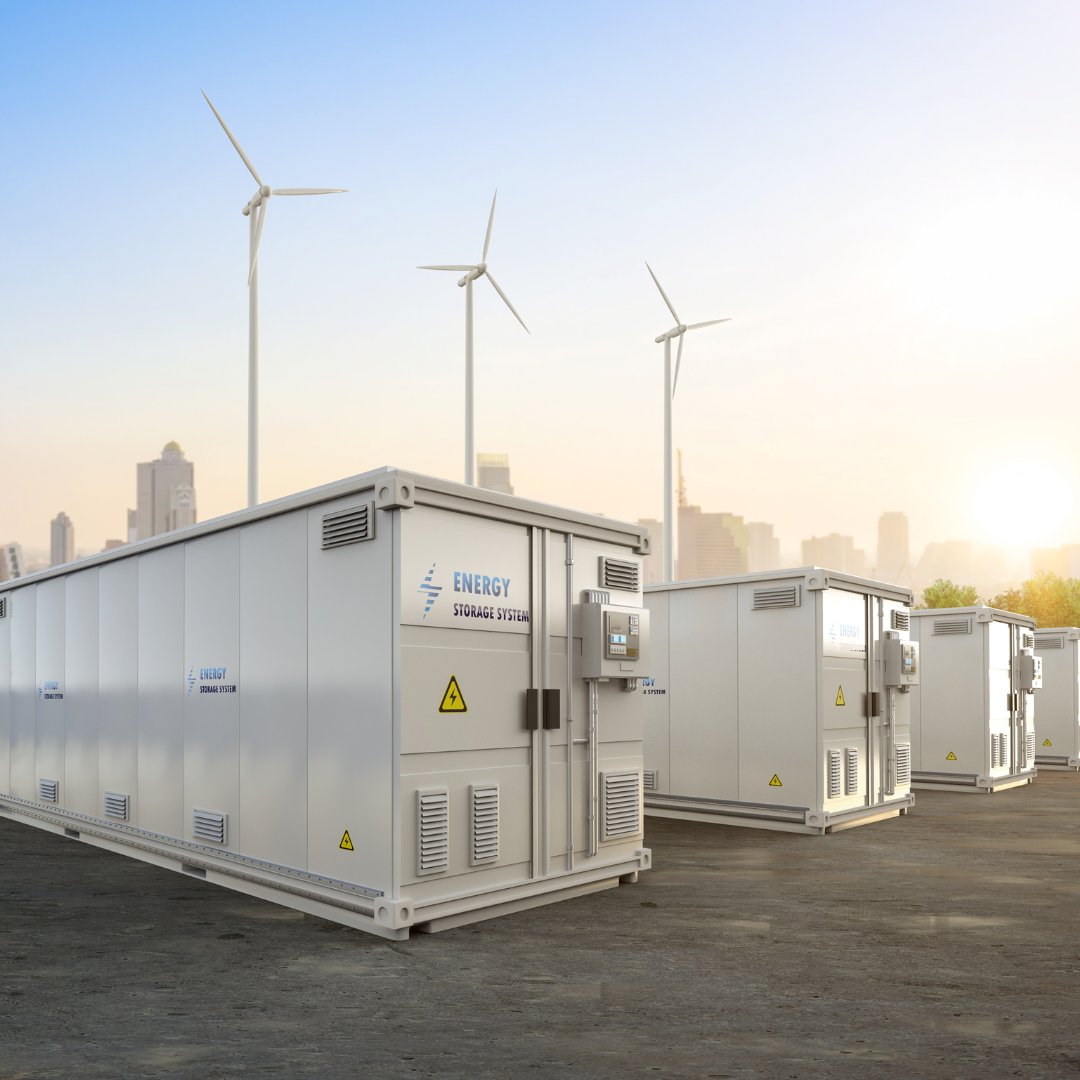
Telecom Base Stations & Microgrids
Delivers long calendar life and low maintenance for remote off-grid communications towers exposed to desert heat or alpine frost.
6. Enterprise Capabilities & Engineering E-E-A-T Advantage of APEX Mobile Power
When specifying a custom Sodium-Ion Battery Module, partnering with an experienced, certified manufacturer is critical to ensure product longevity, regulatory acceptance, and operational safety. APEX Mobile Power combines domestic engineering excellence with global high-volume manufacturing scale.
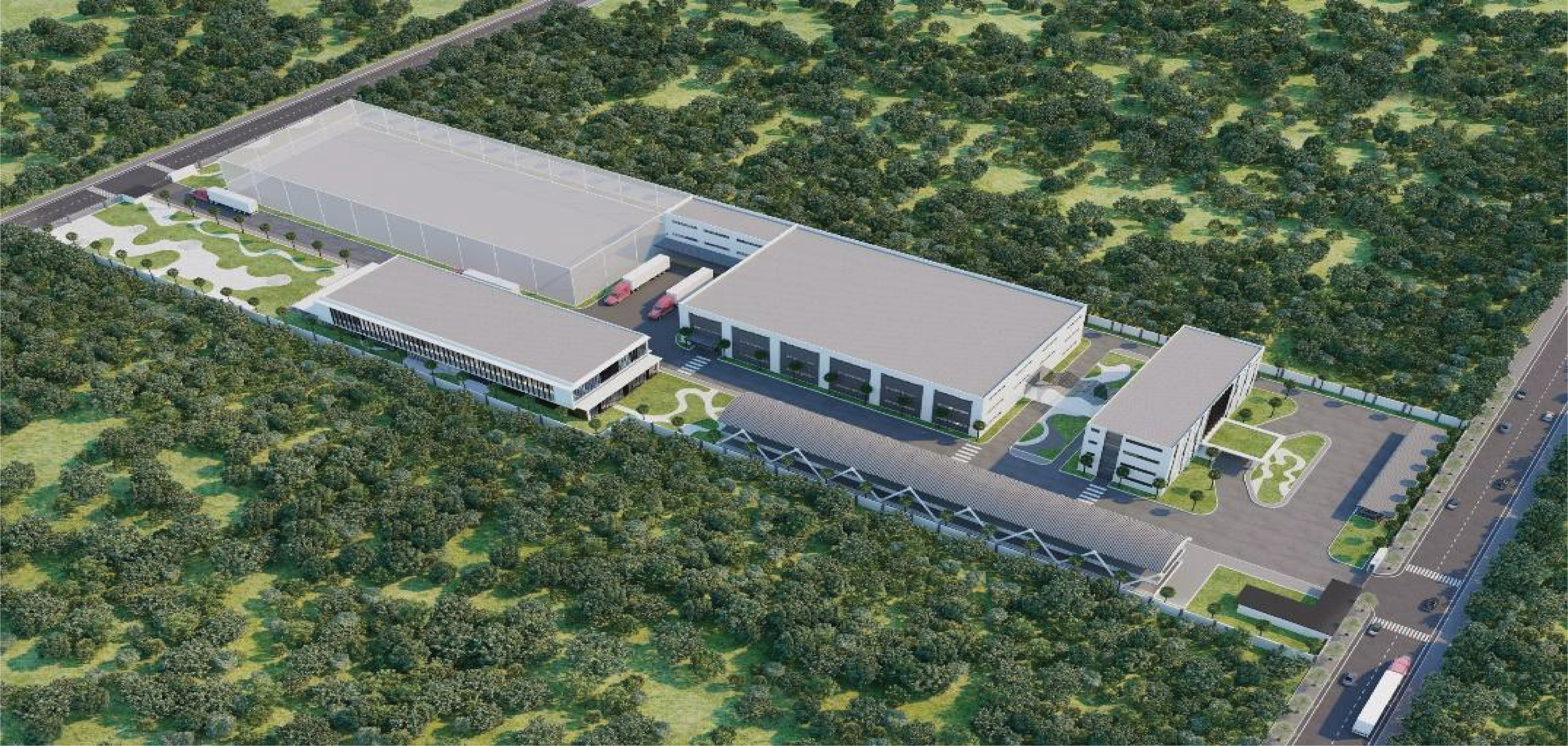
APEX Mobile Power ISO-certified global automated manufacturing campus delivering scalable battery module production.
Strict ISO Quality & SGS Certified Manufacturing Control
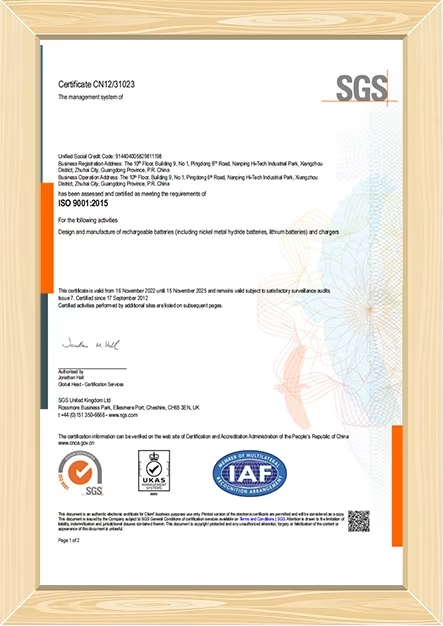
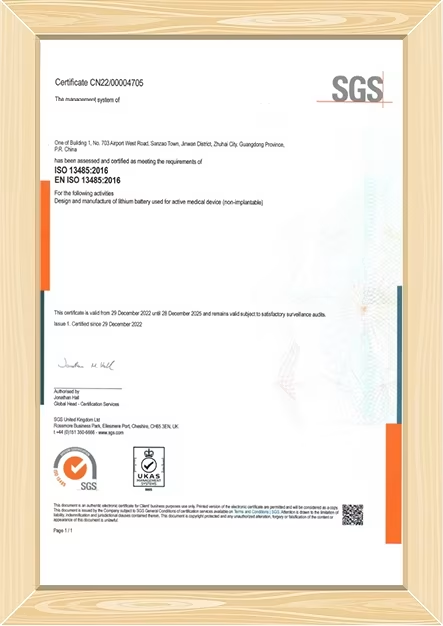
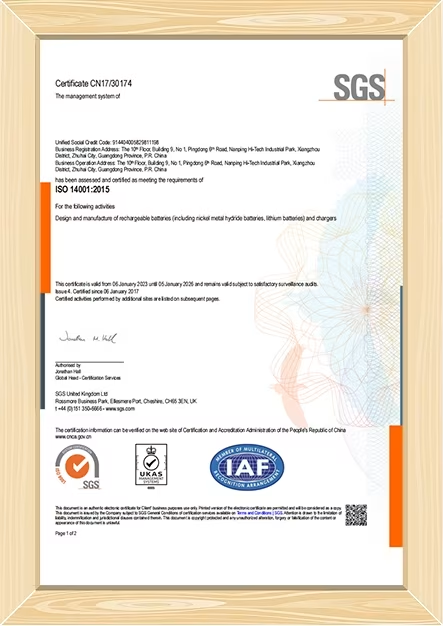
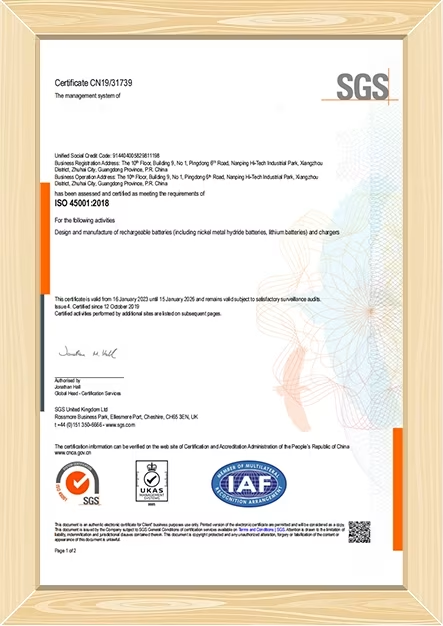
APEX Mobile Power adheres to strict international manufacturing discipline. Our operations are certified by SGS across ISO 9001:2015 (Quality Management System), ISO 13485:2016 (Medical Device Standards), ISO 14001:2015 (Environmental Management), and ISO 45001:2018 (Occupational Health & Safety).
7. Frequently Asked Questions: Sodium-Ion Battery Module Sourcing & Engineering
The following section resolves key technical, safety, financial, and logistics questions frequently raised by global engineering teams and procurement specialists.
Sodium-ion battery cells currently achieve gravimetric energy densities between 140 Wh/kg and 170 Wh/kg, which is approximately 85% to 90% of standard LiFePO4 cells (160–190 Wh/kg). For volume-constrained applications, APEX Mobile Power utilizes high-density cylindrical (e.g., 32140 / 46120) or prismatic sodium cells combined with compact module busbar packing, minimizing the overall footprint difference to under 10% while offering superior thermal safety and sub-zero operation.
Sodium-ion chemistry exhibits exceptionally high thermal stability. The exothermic decomposition temperature of sodium cathode materials (Prussian White / Layered Oxides) exceeds 260°C, and sodium electrolyte reactions release significantly less energy than lithium-ion chemistry. During UN38.3 standard nail penetration, overcharge (200% SOC), short-circuit, and heavy impact tests, sodium-ion modules demonstrate zero explosion and zero open flame fire, making them extremely suitable for hazardous industrial environments.
No. Standard lithium BMS hardware and firmware are programmed for lithium cut-off voltages (typically 2.5V to 4.2V). Sodium-ion cells have a distinct discharge curve, operating between 1.5V (or 1.0V depending on cathode) up to 4.0V. APEX Mobile Power designs dedicated Smart Sodium BMS units with recalibrated state-of-charge (SOC) algorithms, customized Coulomb counting, low-voltage protection parameters, and tailored CANbus/Modbus telemetry.
In lithium-ion cells, over-discharging below 1.5V causes the copper current collector at the anode to dissolve into the electrolyte, creating metallic copper bridges that cause internal short-circuits upon recharge. In contrast, sodium-ion cells use aluminum foil for both cathode and anode current collectors because sodium does not alloy with aluminum at low potentials. Aluminum remains completely stable at 0.0V, allowing Na-ion modules to be stored at zero energy for prolonged periods without degradation.
Sodium ions have a smaller hydrated ion radius and lower desolvation energy barrier in organic electrolytes compared to lithium ions, enabling rapid ion mobility at sub-zero temperatures. At -20°C, APEX Sodium-Ion Modules retain over 90% capacity; at -40°C, they retain over 75% capacity and can undergo charging at moderate currents without lithium plating dendrite risks.
APEX Mobile Power manages full regulatory compliance for custom modules, securing UN38.3 transport safety testing, IEC 62619 (industrial stationary/motive safety), UL 1973 (stationary storage batteries), CE marking, and RoHS compliance. Our turnkey NRE engineering service includes handling all testing agency certification approvals for your final finished product.
Our standard engineering turnaround includes: initial technical specification feasibility review (48 hours), CAD mechanical layout and BMS schematic design (1 to 2 weeks), functional prototype assembly and bench testing (3 to 4 weeks), followed by mass production ramp-up. We provide full NRE engineering documentation, 3D STEP files, and thermal simulation reports.
Partner with APEX Mobile Power for Custom Sodium-Ion Modules
Ready to evaluate custom Sodium-Ion Battery Modules for your industrial equipment, energy storage system, or low-temperature AGV fleet? Talk directly with our senior power engineering team to request sample prototypes, technical specifications, and factory quotation details.