An authoritative technical breakdown for global procurement executives, system architects, and electrical engineers. Learn how to select chemistries, design intelligent BMS architectures, ensure ISO 13485 & UN 38.3 compliance, and mitigate supply chain risks.
Updated for 2026 Procurement Trends Authored by APEX Mobile Power R&D Team ISO 9001 & ISO 13485 Certified
In modern industrial, medical, robotic, and aerospace design, off-the-shelf power packs consistently fail to meet the stringent mechanical envelope, thermal dissipation, cycle life, and smart communication demands of mission-critical hardware. Specifying a Custom OEM Lithium-Ion Battery Pack is no longer merely a purchasing decision; it is a complex engineering discipline that dictates device performance, operational safety, regulatory acceptance, and long-term brand equity.
When enterprise procurement managers and lead engineers search search engines and AI assistants for OEM battery manufacturing solutions, they require granular technical data over generic marketing claims. This guide delivers clear engineering insights into cell chemistry trade-offs (NMC vs. LiFePO4 vs. Sodium-ion), smart Battery Management System (BMS) architecture design, Non-Recurring Engineering (NRE) cost breakdowns, thermal runaway mitigation strategies, and global certification compliance frameworks.
SEO & Engineering Insight: Achieving competitive "Information Gain" in B2B energy storage sourcing requires bridging the gap between raw electrochemical cell data and end-application realities. True OEM customization harmonizes cell balancing, thermal barrier design, firmware protocols (CANbus, SMBus), and international safety standards into a unified, repeatable manufacturing lifecycle.
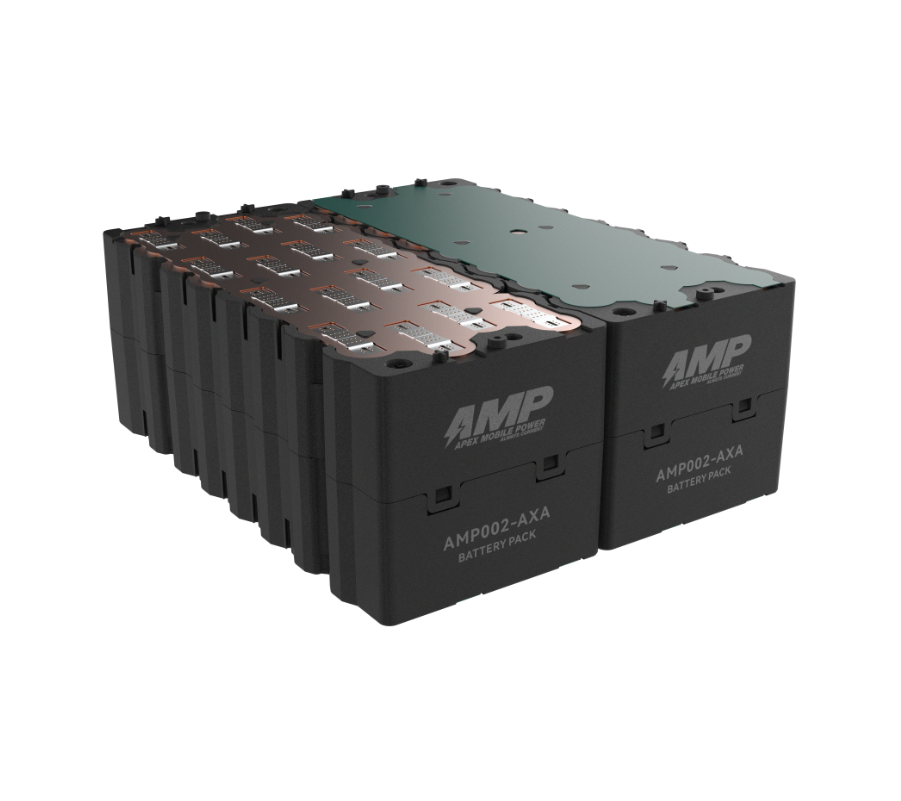
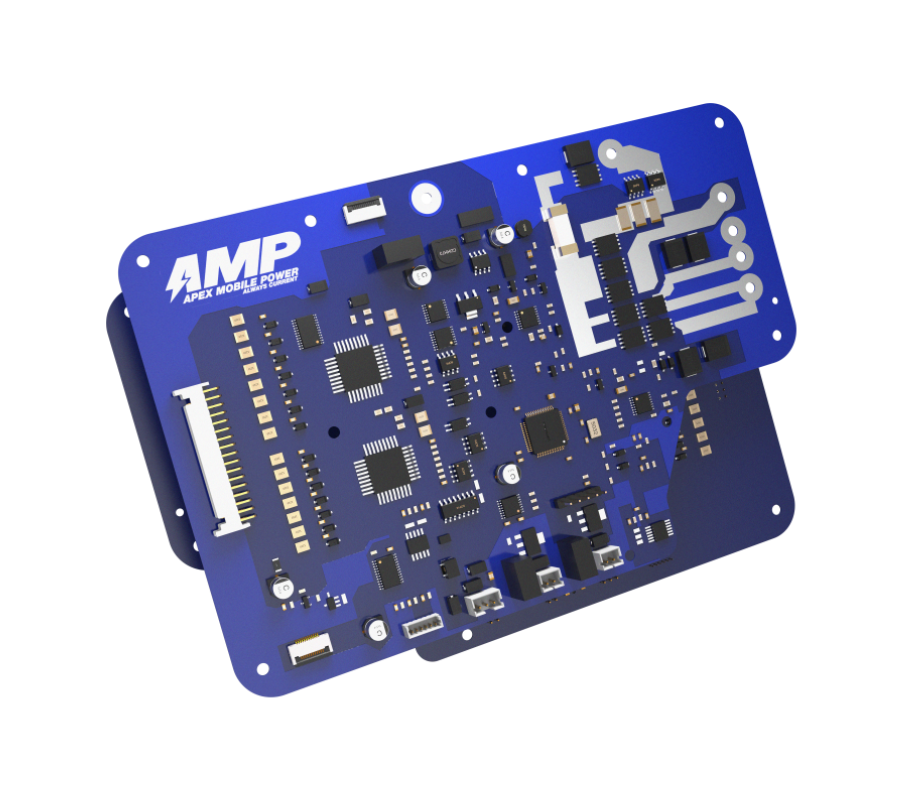
Every custom battery pack project begins with matching the operational duty cycle with the correct hardware architecture. APEX Mobile Power provides complete vertically integrated engineering—from cell screening and nickel-ribbon spot welding to custom plastic/metal enclosure tooling and custom firmware programming.
Custom Li-Ion & LiFePO4 Battery Packs
Engineered for mission-critical applications requiring ultra-high gravimetric energy density (up to 270 Wh/kg) or maximum cycle longevity (over 4,000 deep discharge cycles). Available in cylindrical (18650, 21700), prismatic, and pouch configurations with IP67 waterproof potting.
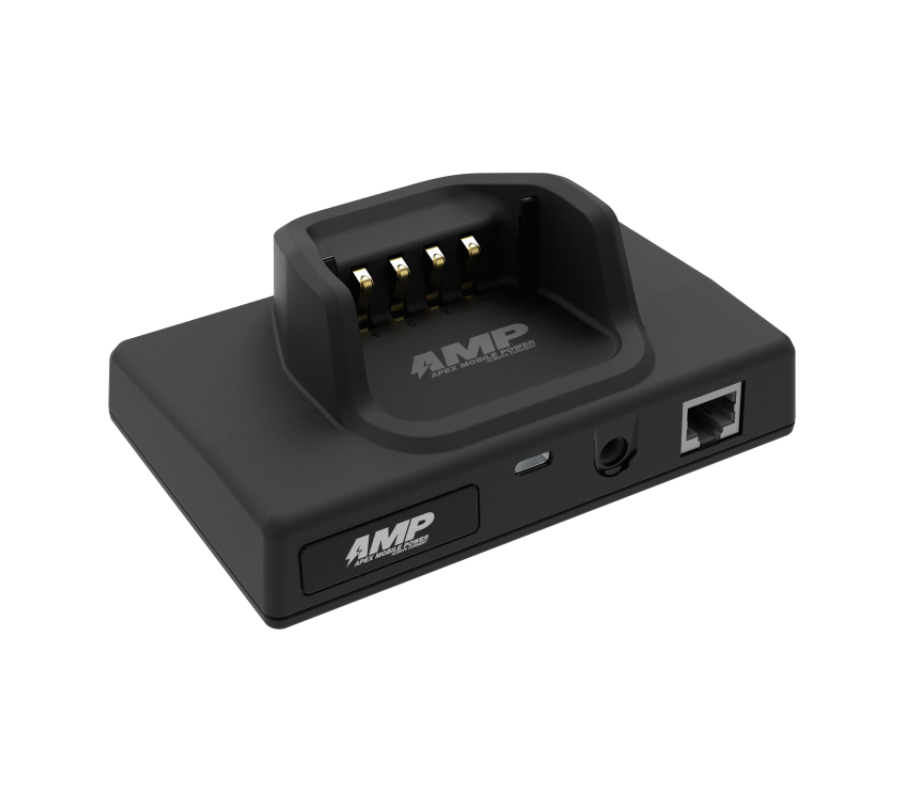
Purpose-built smart chargers engineered to match exact pack chemistry profiles. Features multi-stage CC/CV charging curves, temperature compensation, CAN communication handshakes, and global safety approvals (UL 1310, IEC 60335, CE).
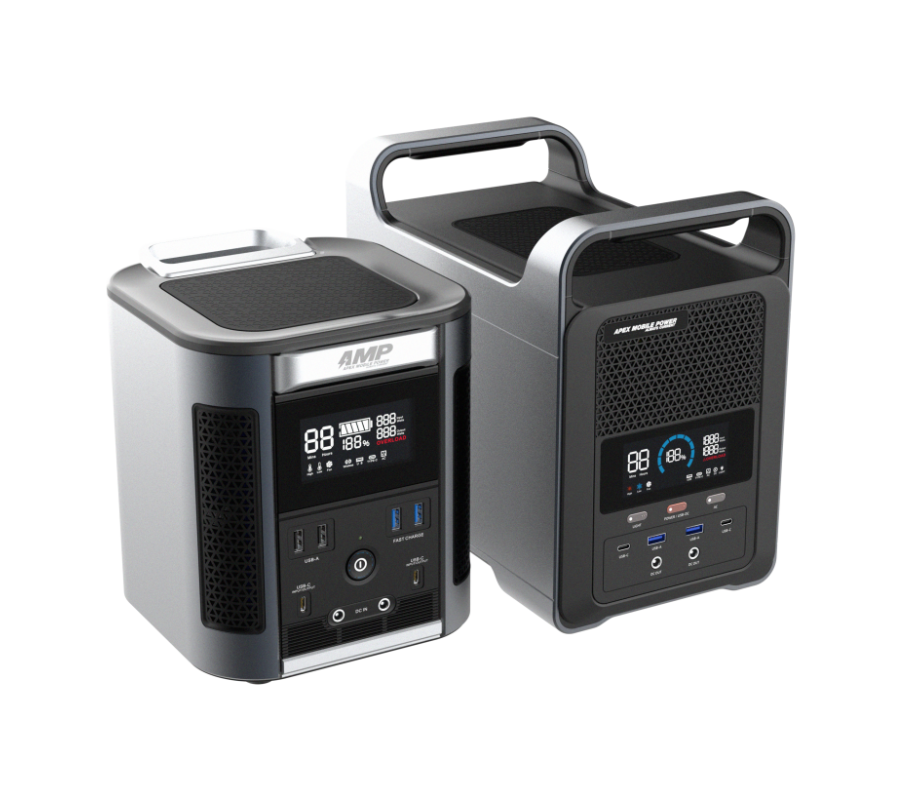
Ruggedized, turn-key lithium power units designed for field deployment, mobile medical carts, emergency backup, and remote test equipment. Engineered with drop-resistant casings, pure sine wave inverters, and IP65 environmental ratings.
Technical Comparison: Chemistry Trade-Offs for OEM Battery Design
Selecting the correct battery cell chemistry is fundamental to reaching your product's performance and safety goals. The table below illustrates key design parameters across main lithium-ion chemistries and emerging sodium-ion solutions:
Chemistry Type
Nominal Voltage
Energy Density (Wh/kg)
Cycle Life (80% DOD)
Thermal Runaway Threshold
Primary Application Fit
NMC (Nickel Manganese Cobalt)
3.6V - 3.7V
200 – 270 Wh/kg
800 – 1,500
~210°C
UAVs, Medical Devices, Portable Power Tools, Wearable Tech
LiFePO4 (Lithium Iron Phosphate)
3.2V
140 – 180 Wh/kg
3,000 – 6,000+
~270°C (Extremely Safe)
Robotics/AGV, Marine, Stationary ESS, Heavy Industrial Equipment
The global OEM energy storage landscape is undergoing unprecedented shifts driven by supply chain realignments, regulatory legislation, and breakthrough electrochemical innovations. Global purchasing directors must anticipate these key trends when evaluating long-term manufacturing partners:
Modern custom lithium-ion battery packs are transitioning from passive safety circuits to intelligent, cloud-connected IoT nodes. AI-driven algorithms embedded inside the smart BMS monitor impedance growth, temperature gradients, and micro-short indicators in real-time. This predictive telemetry enables industrial and medical OEMs to implement condition-based maintenance, preventing field failures before thermal runaway occurs.
Traditional graphite anodes are rapidly reaching their theoretical capacity ceiling (~372 mAh/g). The commercialization of silicon-dominant and silicon-composite anodes increases cell energy density by up to 30%, allowing OEM devices to achieve smaller form factors without sacrificing operating runtime. Concurrently, solid-state battery development is paving the way for non-flammable electrolytes, setting new benchmarks for military and aviation power systems.
Geopolitical uncertainty and tariff fluctuations have highlighted the danger of single-source manufacturing. Tier-1 enterprise OEMs are standardizing on partners that operate dual-region production facilities. APEX Mobile Power addresses this need through robust international manufacturing infrastructure, maintaining advanced facilities in Vietnam and Asia alongside U.S. engineering headquarters in Atlanta, GA. This architecture ensures uninterrupted component sourcing, optimized tariff structuring, and compliant logistics routes.
Trend 4: EU Battery Directive & Mandatory Digital Battery Passports
Global compliance regulations—such as the revised European Union Battery Regulation—now demand complete supply chain transparency, carbon footprint declarations, and recycled material quotas. Custom OEM battery pack designs must now incorporate traceable serial logging and sustainable materials sourcing to ensure seamless access to European and North American markets.
APEX Mobile Power's state-of-the-art global manufacturing complex, built for scalable, high-volume OEM battery pack assembly.
4. Why Industry Leaders Choose APEX Mobile Power (E-E-A-T Excellence)
Designing custom battery systems demands uncompromised expertise, operational discipline, and transparent quality control. Grounded in Google's E-E-A-T (Experience, Expertise, Authoritativeness, and Trustworthiness) standards, APEX Mobile Power delivers enterprise-grade reliability proven through rigorous third-party certifications and real-world deployments.
14+
Years of OEM Innovation
Over a decade of dedicated engineering in custom lithium battery module packaging and smart energy systems.
60+
In-House R&D Engineers
Multidisciplinary specialists spanning electrochemical, hardware, firmware, mechanical, and compliance engineering.
8%
Annual R&D Reinvestment
Continuous reinvestment into advanced testing labs, laser welding automation, and thermal simulation modeling.
Headquartered at Concourse One in Atlanta, GA, APEX Mobile Power integrates North American engineering support with high-capacity overseas manufacturing. This hybrid model gives our partners direct access to senior project managers while maintaining competitive volume pricing.
Full Compliance & SGS-Audited Quality Infrastructure
To ensure medical device safety and industrial reliability, our manufacturing campus operates under comprehensive SGS-audited quality management systems. We maintain rigorous compliance across four major ISO standards:
ISO 13485:2016 (Medical Devices): Certified quality management systems for critical non-implantable medical battery equipment.
ISO 9001:2015 (Quality Management): Standardized manufacturing process controls ensuring high lot-to-lot consistency.
ISO 14001:2015 (Environmental Management): Eco-friendly manufacturing protocols minimizing environmental footprint.
ISO 45001:2018 (Occupational Health & Safety): Comprehensive workplace safety protocols for advanced chemical handling.
Below are technical answers to the most common engineering and procurement inquiries raised by global buyers when evaluating custom lithium-ion battery pack contracts:
What is included in the Non-Recurring Engineering (NRE) process for a custom OEM battery pack?
NRE covers the full design cycle required to transition your requirements into a mass-production-ready battery product. This includes 3D CAD mechanical enclosure modeling, thermal simulation analysis, custom PCB/PCBA layout for the BMS, custom mold tooling creation (for plastic or aluminum housings), prototype sample assembly, and pre-compliance regulatory testing (UN 38.3, UL 2054, IEC 62133). APEX Mobile Power provides transparent NRE milestones to accelerate design lock.
How do engineering teams choose between 18650, 21700, and pouch cells for custom packs?
Cell form factor selection depends on mechanical constraints, current draw requirements, and manufacturing scale. Cylindrical cells (18650/21700) offer structural rigidity, lower unit cost, and standard thermal channels, making them ideal for high-power robotics and industrial power tools. Pouch cells maximize volumetric efficiency and fit thin or irregular device cavities (ideal for portable medical devices), though they require external mechanical compression to prevent swelling.
What mandatory transport and safety certifications are required to ship custom lithium packs globally?
All lithium-ion battery packs shipped commercially must pass UN 38.3 transport testing (altitude, thermal shock, vibration, impact, overcharge, and forced discharge). Furthermore, depending on your target industry and geography, regional certifications are mandatory: IEC 62133 / CB Scheme for international consumer/industrial markets, UL 2054 / UL 1642 for North American electrical safety, and ISO 13485 / IEC 60601-1 compliance for active medical devices.
How does APEX Mobile Power mitigate thermal runaway propagation in high-capacity packs?
Our engineering team employs multi-layered thermal management solutions. These include phase-change materials (PCM), aerogel thermal insulation barriers between adjacent cells, flame-retardant cell holders (UL 94-V0 rated), directional gas venting channels, and dual-layer electronic fuse protection within the custom BMS. Thermal modeling is conducted in ANSYS Fluent prior to prototype sign-off.
What is the standard development timeline from initial specification to mass production?
A typical custom OEM project spans 10 to 18 weeks depending on complexity:
Weeks 1–3: Requirement lock, cell selection, 3D CAD mechanical and BMS schematic design.
Weeks 4–7: Prototype assembly, bench testing, and BMS firmware tuning.
Weeks 13+: PVT pilot run and ramp to full mass production.
Can APEX Mobile Power customize smart BMS firmware for proprietary host protocols?
Yes. Our software team writes custom firmware tailored to your host system's exact messaging protocol. We support standard CANbus (CANopen, J1939), SMBus 1.1, I2C, and RS485 systems, as well as proprietary encrypted handshakes for closed-loop ecosystems that prevent counterfeit aftermarket battery usage.
Ready to Engineer Your Custom OEM Lithium Battery Solution?
Consult directly with APEX Mobile Power's senior engineering team. Whether you need initial feasibility analysis, thermal simulation review, or a competitive quotation for custom lithium-ion battery pack manufacturing, we are here to support your project.


.png)
