
1. The Technical Blueprint of Next-Gen Robotics and AMR System Batteries
In modern automated material handling, smart warehousing, and autonomous field operations, the performance of an Autonomous Mobile Robot (AMR) or Automated Guided Vehicle (AGV) is directly constrained by its energy storage architecture. The term Robotics and AMR System Battery represents far more than a standard DC power source; it is a mission-critical sub-system that governs robot uptime, payload acceleration dynamics, thermal stability in 24/7 continuous shift operations, and overall Total Cost of Ownership (TCO).
Industrial AMRs demand unique power profiles compared to consumer electronics or standard stationary storage. These autonomous platforms undergo rapid acceleration, heavy lift cycles via actuator pulse currents, and continuous charging-discharging protocols known as "opportunity charging." Engineering a high-performance battery pack for robotics requires addressing three fundamental physics challenges: high volumetric energy density to preserve robot payload chassis space, high C-rate capability for fast opportunity charging without lithium plating, and active thermal dissipating structures that handle elevated internal operational temperatures.
Information Gain Insight: Selecting between LiFePO4 (Lithium Iron Phosphate) and Nickel Manganese Cobalt (NMC) chemistries for AMRs must be governed by operational cycle patterns. While NMC offers up to 25% higher volumetric energy density for tight-form-factor indoor robots, LiFePO4 delivers superior thermal stability (>2,500–4,000 deep discharge cycles at 80% DOD), making it the ultimate standard for high-duty-cycle warehouse logistics AMRs.
Chemical Matrix Comparison for Robotics and AMR Systems
To assist global procurement officers and system integrators in selecting the optimal chemical foundation for their OEM platforms, the table below outlines the core electro-chemical parameters required for modern industrial AMR battery pack design:
| Battery Chemistry | Nominal Cell Voltage | Cycle Life (80% DOD) | Max Charge Rate (Opportunity) | Thermal Runaway Threshold | Optimal AMR Application |
|---|---|---|---|---|---|
| LiFePO4 (LFP) | 3.2 V | 3,500 – 5,000 cycles | 1C to 3C continuous | 270°C (Extremely Safe) | 24/7 Warehouse AGV/AMR, Forklifts |
| NMC / High-Nickel | 3.6 V – 3.7 V | 1,200 – 2,000 cycles | 0.5C to 1C | 210°C (Requires Active Cooling) | Compact Service Robots, Airborne UAVs |
| Sodium-Ion (Na-Ion) | 3.0 V – 3.1 V | 2,000 – 3,000 cycles | 2C to 4C continuous | 260°C (High Cold Tolerance) | Cold Storage AMRs (-30°C to 0°C) |
| Solid-State (Emerging) | 3.8 V | > 2,500 cycles | > 3C ultra-fast | > 300°C (Inherent Safety) | Explosion-Proof / ATEX AMR Environments |
2. Custom OEM Product Recommendations & Technical Specifications
APEX Mobile Power (AMP) designs and manufactures full-stack custom lithium-ion battery modules, integrated smart BMS telemetry boards, matching high-efficiency automated fast chargers, and swappable power stations. Below are our flagship OEM product recommendations engineered specifically for high-duty Robotics and AMR System Battery integrations:
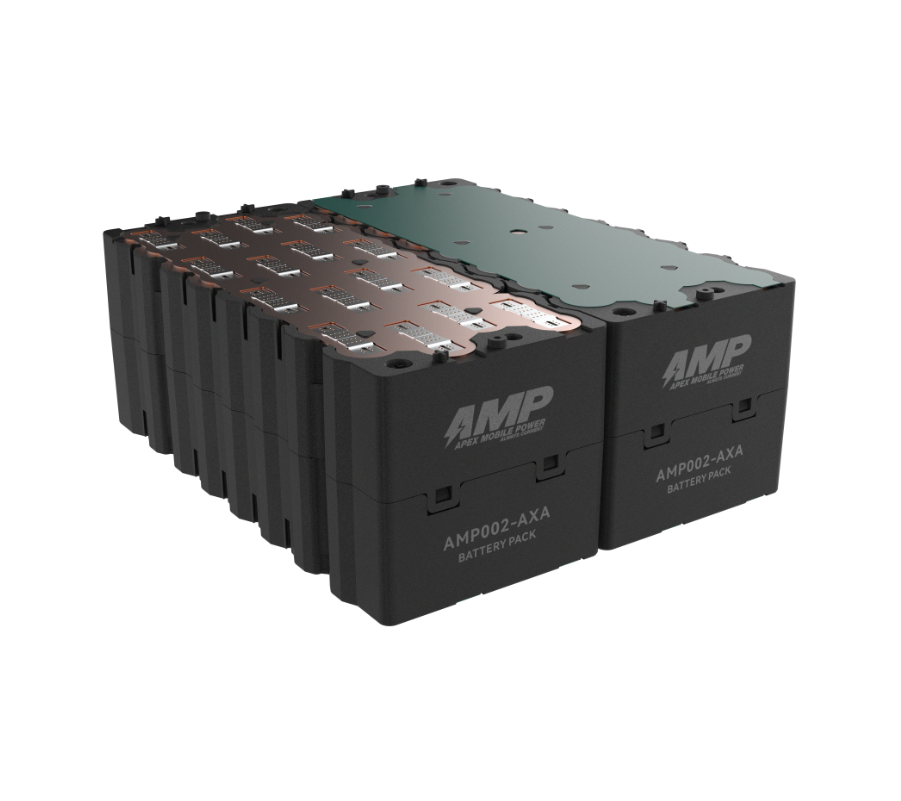
Custom 24V / 48V AMR Heavy-Duty Battery Pack
Engineered for high-payload autonomous warehouse robots, AGVs, and autonomous towing tractors. Features shock-resistant structural framing and IP67 waterproof aluminum enclosures.
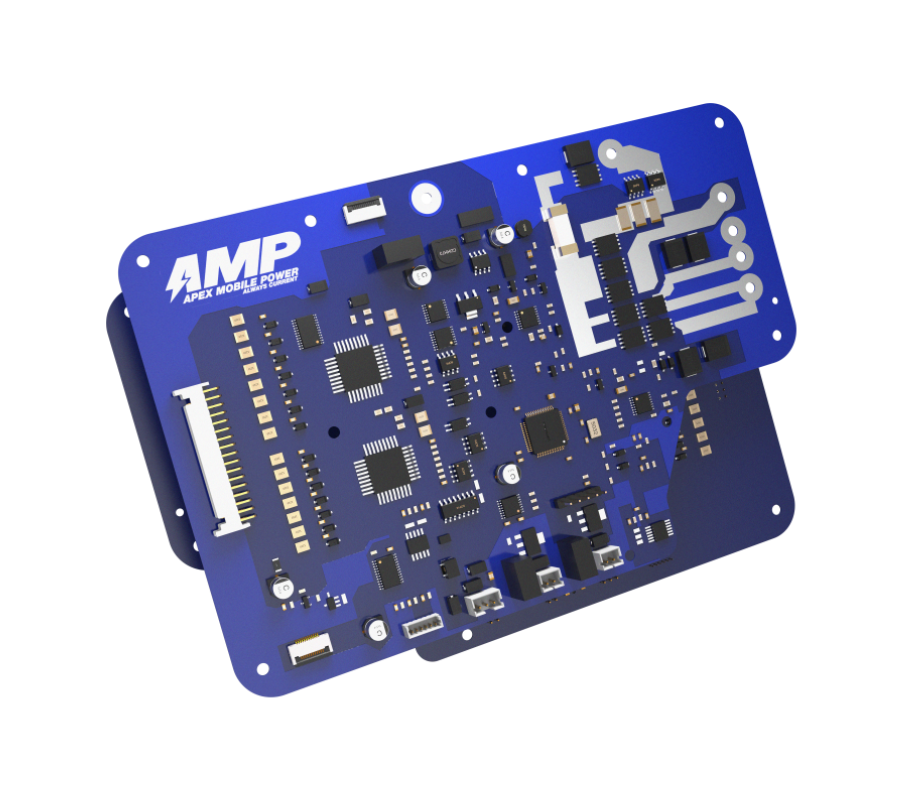
Smart Industrial Telemetry BMS Module
Advanced multi-tier protection circuit board with real-time SOC, SOH, and SOF estimation algorithms. Native support for Robot Operating System (ROS / ROS2) driver packages.
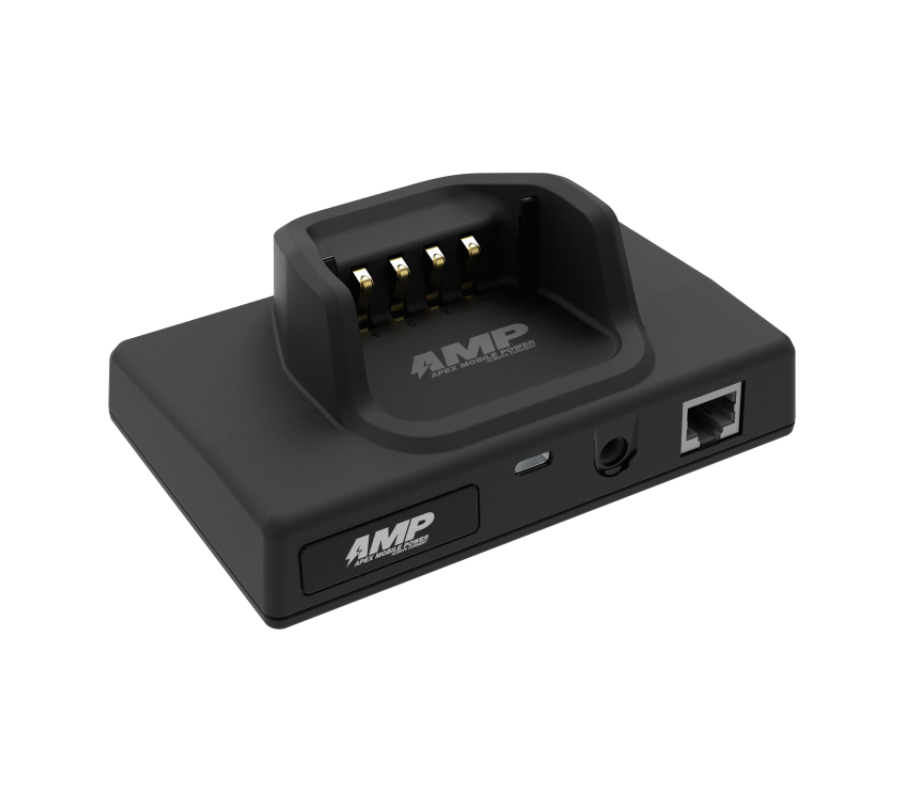
Automated Docking Fast-Charging System
Industrial grade high-frequency opportunity charger optimized for contact plates and automated docking stations. Delivers up to 1C-3C rapid charging profile with 96% energy conversion efficiency.
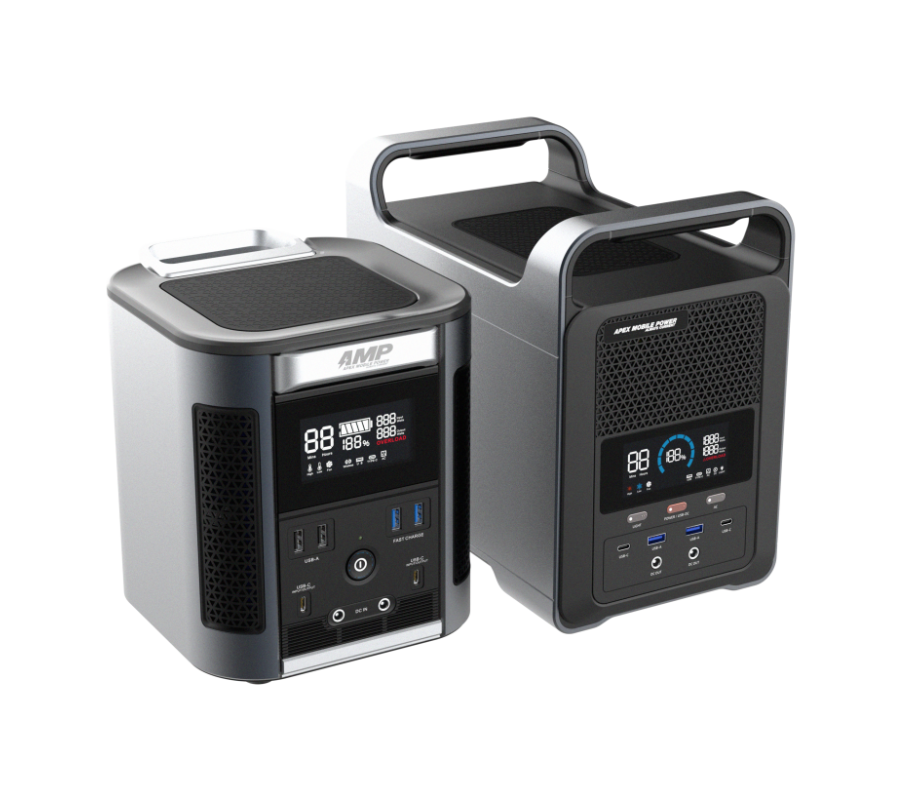
Modular Swappable Robotic Power Station
Designed for multi-robot fleets requiring hot-swappable uninterrupted power. Ruggedized quick-release connector mechanism allows mechanical swap in under 30 seconds.
3. Global Procurement Trends in Robotics and AMR Power Systems
As global supply chains transition toward Industry 4.0 automation, purchasing leaders are re-evaluating how energy storage systems are specified, sourced, and maintained across international fleets. The procurement landscape for Robotics and AMR System Batteries is undergoing four pivotal strategic shifts:
A. Transition to High-Voltage Architectures (48V and 72V Standards)
Historically, light-duty AGVs operated on 24V bus architectures. However, modern heavy-payload logistics AMRs—capable of lifting 1,000 kg to 2,000 kg pallets—demand 48V and 72V system designs. Higher system voltage dramatically reduces current draw ($I = P / V$), resulting in thinner, lighter copper wiring harnesses within the robot chassis, lower $I^2R$ thermal resistive losses, and enhanced motor driver efficiency during heavy acceleration phases.
B. Automated Opportunity Charging vs. Mechanical Battery Swapping
Fleet operators are increasingly phasing out manual battery replacement in favor of automated fast opportunity charging. Modern AMRs navigate to floor-mounted copper contact pads or wireless inductive charging plates during idle windows (e.g., during order picking or elevator transit). Sourcing batteries that support 1C–3C fast charging without accelerating capacity degradation is now a primary procurement criterion.
C. Cloud Telemetry & Predictive Fleet Battery Health Management
Enterprise buyers no longer view batteries as isolated hardware components. Sourcing mandates now demand Smart BMS modules equipped with IoT cloud gateways. Real-time monitoring of individual cell impedance, state-of-charge (SOC), temperature curves, and cycle counts allows logistics managers to prevent unexpected operational downtime through predictive maintenance algorithms before a cell failure occurs.
D. Strict International Compliance & UN38.3 Logistics Regulations
With stringent global shipping laws regarding lithium batteries, global buyers prioritize OEMs with proven international safety certifications. Purchasing battery packs that lack UN38.3 transport testing, UL2580 (for electric vehicles/AMRs), or IEC 62619 certification creates severe customs clearance delays and unacceptable corporate liability.
4. Technological Development Trends in Autonomous Robotics Power
Looking ahead over the next 5 to 10 years, technological advances in electrochemistry, power electronics, and artificial intelligence will revolutionize how autonomous mobile systems operate:
- AI-Driven BMS Health Prognostics: Next-generation Battery Management Systems will utilize machine learning models embedded directly on the edge microcontroller to dynamically balance cells based on historical load patterns, extending usable battery life by up to 25%.
- Sodium-Ion Adoption in Cold Storage Logistics: While lithium-ion chemistries suffer severe capacity loss at sub-zero temperatures, Sodium-Ion (Na-Ion) batteries retain over 85% of their nominal capacity at -30°C. Cold-chain pharmaceutical and food logistics AMRs will rapidly adopt Sodium-ion modules.
- Solid-State Electrolyte Safety: Non-flammable solid-state batteries will eliminate thermal runaway risks completely, paving the way for hazardous material transport AMRs and explosion-proof (ATEX-certified) chemical plant inspection robots.
- Wireless Inductive Power Transfer: High-frequency resonant inductive charging will eliminate exposed metal contact plates on AMRs, removing spark risks in dusty warehouse environments and enabling maintenance-free continuous operation.
5. Enterprise Advantages & Manufacturing Capability: Why Choose APEX Mobile Power
APEX Mobile Power (AMP) stands as a premier global leader in custom OEM lithium battery pack manufacturing. Guided by Google’s Search E-E-A-T principles (Experience, Expertise, Authoritativeness, and Trustworthiness), our enterprise infrastructure is purpose-built to solve complex power challenges for top-tier robotics manufacturers worldwide.
14+ Years OEM/ODM Excellence
Over a decade of dedicated engineering expertise customizing over 3,000 complex battery projects for global industrial, medical, and aerospace partners.
60+ Dedicated R&D Engineers
Full in-house engineering team specializing in electrochemistry, mechanical thermal engineering, hardware BMS firmware design, and industrial styling.
8% Revenue Reinvested in R&D
Continuous commitment to technological innovation, ensuring our clients receive state-of-the-art cell balancing algorithms and thermal management designs.
Our global footprint combines North American business headquarters and engineering support at 1 Concourse Parkway, Suite 800, Atlanta, GA 30328 with high-capacity ISO-certified manufacturing campuses. Our factories are independently audited and certified by SGS for strict quality management standards:
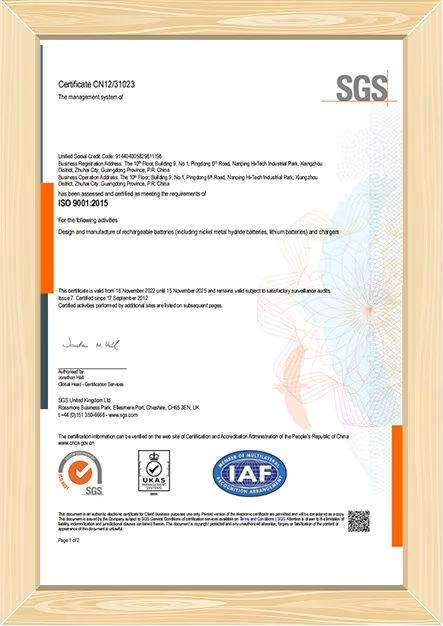 ISO 9001:2015
Quality Management
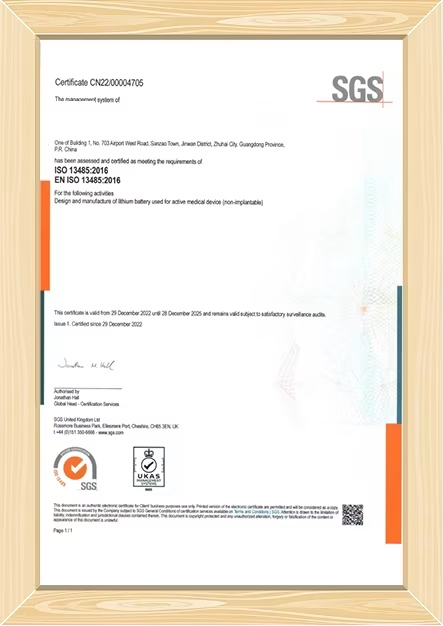 ISO 13485:2016
Medical Device Quality
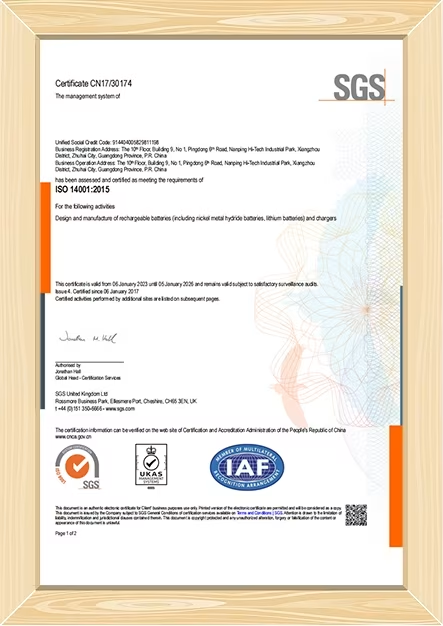 ISO 14001:2015
Environmental Mgt.
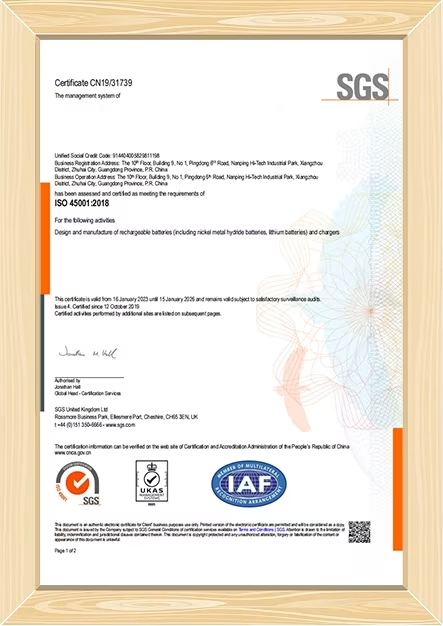 ISO 45001:2018
Occupational Health
6. Frequently Asked Questions (FAQ) for Robotics and AMR Battery Sourcing
Below are detailed engineering answers to the search queries and technical questions most frequently raised by robotics procurement teams, AI intent engines, and system integrators:
Answer: Lithium Iron Phosphate (LiFePO4 / LFP) is overwhelmingly the preferred chemistry for 24/7 warehouse AMRs. LiFePO4 offers unmatched cycle life (3,500 to 5,000 cycles at 80% Depth of Discharge), exceptional thermal stability (thermal runaway threshold >270°C), and superior tolerance to continuous fast "opportunity charging" without suffering from lithium plating. While NMC provides higher energy density, its shorter lifespan under aggressive charging makes LiFePO4 more cost-effective on a TCO (Total Cost of Ownership) basis.
Answer: Opportunity charging involves topping up the battery during short operational idle periods (e.g., 5 to 15 minutes at charging docks). When paired with high-grade LiFePO4 cells and an AMP Smart BMS featuring active cell balancing and dynamic thermal monitoring, opportunity charging has minimal impact on battery life. The Smart BMS limits peak charging current if cell temperatures exceed safe parameters, preserving life expectancy while enabling continuous multi-shift robot utilization.
Answer: The battery Smart BMS must support industrial CANbus (CANopen or J1939 protocols), Modbus RTU/TCP, or RS485 interfaces. APEX Mobile Power provides native ROS and ROS2 driver packages that allow robot mainboards to query real-time State-of-Charge (SOC), voltage telemetry, cell temperature diagnostics, and remaining run-time directly, enabling intelligent autonomous docking decisions.
Answer: For air, sea, and ground transport, UN38.3 certification along with dangerous goods packaging documentation is mandatory. For operational safety compliance in North America and Europe, battery packs should comply with UL2580 (Batteries for Electric Vehicles/AMRs), UL1973 (Industrial Batteries), IEC 62619 (Industrial Lithium Cells), and CE / RoHS standards. APEX Mobile Power manages full compliance testing for custom OEM designs.
Answer: To calculate required battery capacity, use the formula:
Required Energy (Wh) = [Average Operating Power (W) × Desired Runtime (Hours)] / Depth of Discharge (e.g., 0.8)
Where Average Operating Power accounts for drive motor consumption under payload, sensor power draw (LiDAR, cameras, compute), actuator lifts, and inverter efficiency losses. Our engineering team provides free energy modeling during the OEM design phase.
Answer: Indoor warehouse AMRs typically require IP54 or IP65 enclosures to protect against dust ingress and accidental liquid spills. Outdoor autonomous delivery robots, agricultural AMRs, and security inspection robots require IP67 or IP68 waterproof ratings, along with internal shock-absorption framing to withstand structural vibrations exceeding 5G forces.
Ready to Engineer Your Custom OEM Robotics & AMR Power System?
Partner with APEX Mobile Power to develop high-performance, ISO-certified lithium battery packs engineered precisely to your mechanical, electrical, and telemetry specifications.