
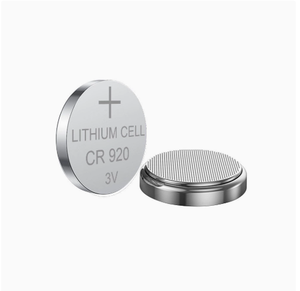
Precision-engineered lithium battery packs, button cells, and custom power systems optimized for medical devices, diagnostic monitors, and bio-wearables exported directly to Hanoi healthcare tech manufacturers.
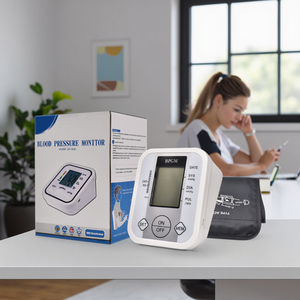
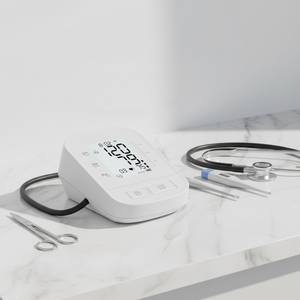
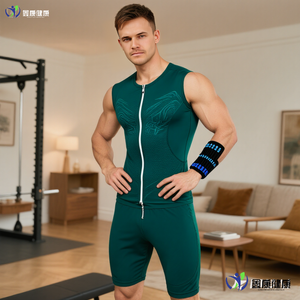
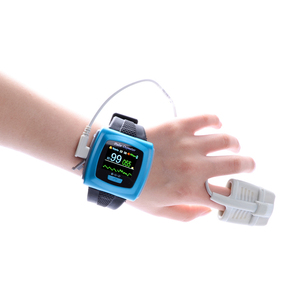
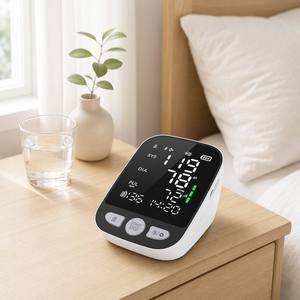
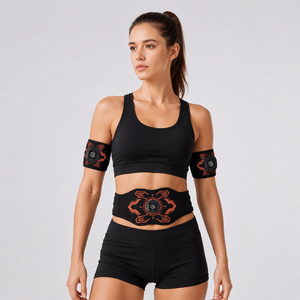
The rapid transformation of Northern Vietnam—specifically the high-tech manufacturing corridor spanning Hanoi, Bac Ninh, and Haiphong—has established Hanoi as a strategic powerhouse for global medical technology assembly and OEM medical device exporter operations. As healthcare moves from hospital-centric diagnostic infrastructure to personalized continuous patient monitoring, wearable medical electronics such as Continuous Glucose Monitors (CGM), electro-muscular stimulation (EMS) belts, wearable TENS pads, automated upper-arm and wrist blood pressure cuffs, and digital pulse oximeters require ultra-reliable, compact energy sources. For medical device manufacturers serving Hanoi and international export markets, choosing certified Wearable Medical Device Lithium Battery Suppliers & Exporters is a foundational decision that impacts device safety, regulatory approval, thermal stability, and operational lifespan.
Deploying wearable battery technology within tropical climates like Hanoi's poses unique engineering challenges. Subtropical environmental conditions—characterized by relative humidity levels frequently exceeding 85% to 95% during monsoon periods and ambient operating temperatures oscillating up to 40°C—demand localized engineering foresight. Batteries integrated into body-worn medical gear must maintain zero-leakage encapsulation, ultra-low self-discharge rates, high energy density, and absolute immunity against moisture ingress, galvanic corrosion, and micro-short circuits. This technical document examines the engineering criteria, regulatory guidelines, and localized supply chain architecture governing high-performance lithium battery solutions tailored for Hanoi's expanding medical technology sector.
Information Gain Insight: Unlike generic consumer electronics batteries, medical-grade wearable lithium battery cells must comply with strict IEC 62133-2:2017 and UL 1642 safety standards. They feature redundant PCB protection circuits, hermetic laser-sealed pouch/coin cell casings, anti-humidity conformal coatings, and biocompatible TPU housings designed to prevent thermal runaway and toxic chemical exposure during direct skin contact.
Medical OEMs and device assemblers located across Hanoi's industrial clusters (such as Hoa Lac Hi-Tech Park, Sai Dong A Industrial Zone, and nearby Bac Ninh technology parks) manufacture and integrate power systems across diverse healthcare scenarios. Power solutions must be custom-tailored to the physiological and mechanical profiles of specific body-worn healthcare devices:
Requires micro-sized coin cells (such as specialized 3V Lithium CR920 button cells) offering stable discharge platforms, high voltage retention, 14-to-30-day continuous power delivery, and ultra-lightweight form factors for seamless skin patch integration.
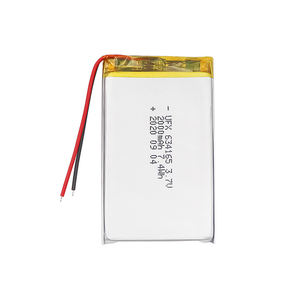
Requires high-c-rate lithium polymer (LiPo) pouch cells (e.g., 3.7V 2000mAh UFX 634165 cells) capable of delivering rapid pulse currents for dual-zone abdominal or back menstrual soothing and athletic muscle stimulation gear.
Requires integrated rechargeable Lithium-ion battery packs engineered for high-torque mechanical pump inflation in arm/wrist cuffs, featuring Type-C fast charging, LED display driver power, and ROHS compliance.
Furthermore, point-of-care fingertip pulse oximeters and digital diagnostic tools used in municipal Hanoi facilities—including Bach Mai Hospital, Viet Duc Hospital, and private healthcare networks like Vinmec—depend on lithium-polymer cells that deliver flat discharge curves to maintain sensor accuracy during continuous SpO2 and pulse frequency measurement.
Search intent analysis and B2B procurement trends across Vietnam's medical supply channels demonstrate a rapid pivot from third-party non-rechargeable battery replacements to integrated, smart rechargeable lithium power architectures. Key procurement drivers in Hanoi include:
To clearly differentiate medical-grade power solutions from generic consumer lithium batteries, APEX Mobile Power engineers enforce stringent performance tolerances across every manufactured cell and pack. The data visualization matrix below outlines these critical differences:
| Performance / Engineering Parameter | Standard Consumer Lithium Cell | APEX Wearable Medical Grade Lithium Solution | Impact on Medical Device Operation |
|---|---|---|---|
| Quality Management Certification | ISO 9001 standard | ISO 13485:2016 + ISO 9001:2015 | Guarantees complete medical traceability and audit compliance for MOH & FDA. |
| Safety Standard Compliance | Basic CE / FCC | IEC 62133-2, UL 1642, UN 38.3, RoHS | Prevents thermal runaway, electrical shorts, and swelling during skin contact. |
| PCM / BMS Protection Circuitry | Single IC basic overcharge protection | Dual Redundant Hardware BMS + Thermal Cutoff | Provides 100% protection against overcurrent, overvoltage, deep discharge, and short circuit. |
| Moisture & Sweat Resistance | Uncoated standard PCB | IP67 Waterproof + Conformal PCB Coating | Eliminates short-circuit risks in Hanoi’s 90%+ relative humidity environments. |
| Operating Temperature Envelope | 0°C to 45°C | -20°C to 60°C (Extended Range Available) | Ensures stable performance under extreme thermal conditions and body heat. |
| Cell Housing & Encapsulation | Standard PVC wrap | Ultrasonically Welded Biocompatible ABS/TPU | Non-cytotoxic, hypoallergenic skin contact safe casing. |
As a global pioneer in custom lithium battery engineering, APEX Mobile Power (AMP) operates at the nexus of medical innovation and advanced manufacturing. Our enterprise framework is built upon proven E-E-A-T (Experience, Expertise, Authoritativeness, and Trustworthiness) principles:
Our dedicated cleanroom production facilities operate under ISO 13485:2016 medical quality systems, guaranteeing rigorous process control, batch isolation, and full raw-material traceability.
Backed by over 60 full-time electro-chemical and mechanical engineers, we reinvest 8% of annual revenue directly into custom BMS development, firmware optimization, and thermal simulation.
We provide full UN 38.3 transport testing certification and MSDS documentation for seamless air cargo delivery to Hanoi Noi Bai International Airport (HAN) and sea freight to Hai Phong Port.
From micro-power button cell engineering for CGMs to high-capacity 2000mAh LiPo packs for clinical EMS therapy apparel, APEX Mobile Power works side-by-side with Hanoi OEM engineering teams. We assist from initial NRE design, 3D rapid prototyping, and electrical validation to full automated mass production.
Below are practical answers to technical and supply chain questions frequently raised by medical device engineers and procurement personnel in the Hanoi market:
Elevate your wearable medical device performance with custom-engineered, ISO 13485-certified lithium battery solutions. Contact our engineering team today to request technical datasheets, sample packs, or custom project quotes.