High-energy-density micro lithium cells, rechargeable pouch batteries, and integrated wearable smart power packs tailored for Sydney healthcare innovators.
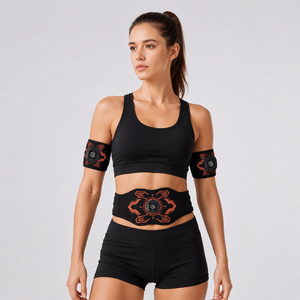
Ultra-thin dual-zone wireless TENS/EMS soothing pad featuring integrated lightweight rechargeable lithium polymer battery with pulse-discharge capability.
Get Catalog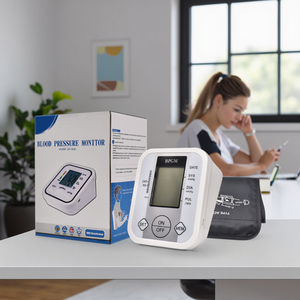
Compact dual-function health monitor powered by custom high-voltage lithium cell, featuring precision voltage stability for accurate sensor telemetry.
Get Catalog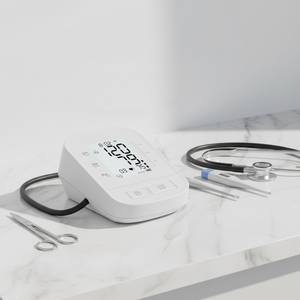
Type-C fast-charging wrist monitor battery with built-in safety PCM chip, ROHS compliant medical plastics, and extended 500+ lifecycle performance.
Get Catalog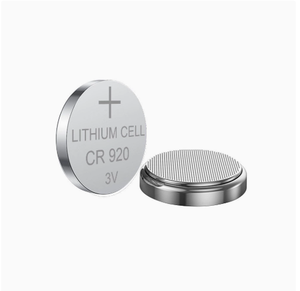
Precision micro 3V button cell battery engineered for continuous glucose monitoring (CGM) devices, delivering stable low-drain voltage over long shelf life.
Get Catalog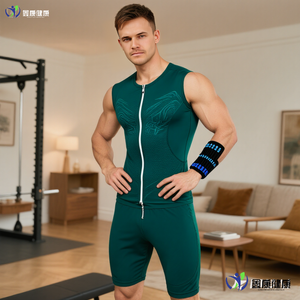
Heavy-duty wearable EMS training vest power module driving 20 skin electrodes with continuous peak current output and multi-layer thermal safety circuitry.
Get Catalog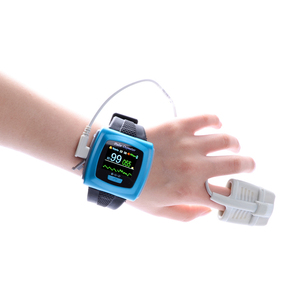
Miniature rechargeable battery module tailored for continuous pulse rate and oxygen saturation telemetry devices in clinical and ambulatory monitoring.
Get Catalog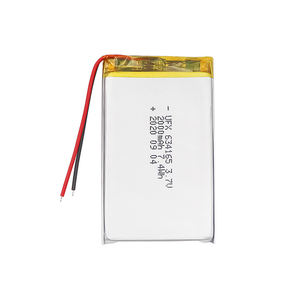
High-capacity medical polymer pouch cell engineered for skin-contact diagnostic equipment, featuring low impedance and custom NTC thermistor assembly.
Get Catalog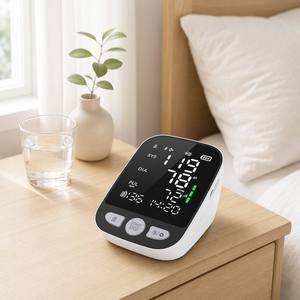
Custom OEM integrated lithium power system designed for digital tensiometers and home diagnostic monitors requiring long operational autonomy.
Get CatalogThe wearable medical device ecosystem in Sydney and across New South Wales (NSW) is undergoing unprecedented expansion, driven by advancements in continuous physiological monitoring, wearable TENS/EMS pain management, continuous glucose monitoring (CGM), and ambulatory ECG/EEG telemetry. To serve biomedical equipment manufacturers, digital health startups, and hospital procurement networks across Sydney's Tech Central and Westmead Health Precinct, lithium battery manufacturers must deliver far more than generic off-the-shelf cells. They must supply precision-engineered, ISO 13485-certified lithium power solutions that satisfy Australia's Therapeutic Goods Administration (TGA) safety frameworks and international electromedical standards (IEC 60601-1 and IEC 62133-2).
Information Gain Key Insight: Unlike standard consumer electronics, skin-wearable medical battery packs demand a strict skin thermal boundary condition limit (<41°C surface skin contact temperature under fault conditions per IEC 60601-1-11), zero volatile off-gassing hermetic enclosures, ultra-low quiescent current BMS micro-architectures (<3µA), and high-frequency pulse stability to power onboard Bluetooth Low Energy (BLE) or cellular IoT antennas without voltage sag.
Selecting the optimal lithium cell chemistry is the foundational step in engineering a wearable medical device battery. APEX Mobile Power evaluates three primary chemistry vectors based on form factor constraint, gravimetric energy density, and thermal risk profile:
Lithium Polymer (Li-Po) Ultra-Thin Pouch Cells: Featuring flexible aluminum-laminated film packaging, Li-Po pouch cells can be manufactured in customized ultra-thin profiles down to 1.5mm thickness. This makes them ideal for ergonomic wrist-worn monitors, curved abdominal TENS belts, and wearable EMS gear. Li-Po cells deliver exceptional gravimetric energy density (up to 260 Wh/kg) while allowing tailored shape configurations that follow human anatomical contours.
Primary 3V Lithium Coin Cells (CR Series e.g., CR920): For disposable or semi-disposable Continuous Glucose Monitors (CGM) and patch-based bio-sensors, micro 3V Manganese Dioxide Lithium (Li/MnO2) coin cells provide an unmatched shelf life exceeding 10 years with self-discharge rates under 1% per year. These cells maintain flat discharge curves under pulse telemetry loads, protecting delicate biosensor calibration.
Lithium Iron Phosphate (LiFePO4) & High-Voltage NCM: Where extreme cycle life (3000+ cycles) and thermal stability are required—such as reusable clinical telemetry transmitters—LiFePO4 offers intrinsic chemical safety against thermal runaway. Conversely, High-Voltage Lithium Nickel Cobalt Manganese (NCM 4.35V/4.4V) cells maximize battery runtime for energy-hungry wearable devices with integrated pumps or continuous displays.
Wearable medical devices remain in direct or near-skin proximity for extended durations. Therefore, battery management system (BMS) micro-circuitry must incorporate multi-tiered redundant hardware protection:
Dual-IC Hardware Over-Voltage & Over-Discharge Protection: Primary and secondary electronic protection ICs monitor individual cell voltages in real-time, instantly isolating the battery circuit if voltage exceeds safe operational windows (e.g., >4.28V charge cut-off or <2.8V discharge cut-off).
High-Precision Fuel Gauging & Low Quiescent Current: Utilizing I2C/SMBus impedance tracking fuel gauge ICs, our BMS circuits report precise Remaining State of Charge (SOH/SOC) data to the host medical device. To prevent battery exhaustion during prolonged storage in Sydney hospital supply chains, our circuits feature sub-5µA sleep modes.
Thermal Cut-Off & Skin Contact Compliance: Integrated Negative Temperature Coefficient (NTC) thermistors continually stream cell temperature readings to the charging IC. In compliance with IEC 60601-1-11 for home healthcare environments, charging and discharging are immediately halted if internal pack temperatures rise beyond strict safety thresholds, ensuring outer casing temperatures never reach levels capable of causing skin irritation or burns.
Sydney stands as the biomedical innovation capital of Australia. Our custom lithium battery packs power critical medical applications across key healthcare hubs:
Supplying micro lithium pouch batteries and 3V coin cells to digital health startups developing wearable wireless ECG patches, continuous temperature telemetry sensors, and AI-driven diagnostic wearables.
Providing high-reliability rechargeable batteries for ambulatory patient monitors, wireless blood pressure cuffs, and wearable pulse oximeters deployed in clinical trials and hospital wards across Sydney.
Supporting outpatient remote patient monitoring (RPM) initiatives with long-autonomy lithium batteries for wearable pain relief TENS belts, abdominal EMS pads, and continuous glucose meters (CGM).
Navigating the Australian medical market requires acute awareness of evolving regulatory directives, technological integration trends, and localized supply chain realities:
The Australian Therapeutic Goods Administration (TGA) mandates that active medical devices containing rechargeable lithium power sources undergo strict conformity assessments. Australian device sponsors and Sydney OEMs must submit evidence of compliance with safety standards. APEX Mobile Power provides full compliance documentation packages for every custom battery assembly, including:
NSW Health's Virtual Care Strategy has significantly accelerated the shift from hospital-centric care to home-based continuous monitoring. Devices such as wireless wearable blood pressure cuffs, continuous SpO2 finger sensors, and wearable TENS belts require battery packs that balance lightweight comfort with extended operating cycles (14–30 days of continuous telemetry per charge). APEX solves this through custom low-power BMS design and high-density cell chemistry.
Sustainability is a core purchasing criterion for Sydney public health networks (HealthShare NSW) and private hospital groups. APEX battery solutions utilize non-toxic, RoHS-compliant casing materials and facilitate end-of-life recycling under Australia's B-cycle battery stewardship scheme, minimizing environmental impact across NSW.
APEX Mobile Power operates as a vertically integrated OEM/ODM battery designer and custom manufacturer. Our specialized medical battery division offers end-to-end engineering capability tailored for Sydney medtech OEMs:
Our manufacturing facilities are independently certified by SGS to ISO 13485:2016 for medical battery production, operating alongside ISO 9001, ISO 14001, and ISO 45001 standards. Every single batch undergoes 100% automated optical inspection (AOI) and computer-controlled cycle testing.
With over 14 years of specialized battery R&D experience, our engineering team reinvests 8% of annual revenue back into technological innovation. We specialize in custom NRE development, 3D rapid prototyping, ultrasonic tab welding, and smart firmware customization.
We design and inject custom ABS/PC flame-retardant (UL 94-V0) and biocompatible silicone enclosures with IP67/IP68 waterproof ratings, protecting internal battery cells against skin sweat, fluid ingress, and clinical disinfectants.
Having successfully delivered over 3,000 custom battery projects across North America, Europe, and Australasia, APEX maintains an unbroken zero-recall safety record in medical and high-reliability industrial power applications.
Clear answers regarding TGA regulations, customs clearance, shipping logistics to Port Botany / Sydney Airport, and custom design timelines.
Accelerate your medical device design cycle with custom, TGA-compliant lithium battery packs built under ISO 13485 standards. Contact our engineering team today to request technical datasheets and OEM product catalogs.