APEX Mobile Power — Custom OEM Lithium Battery Solutions  |  ISO 9001 · ISO 13485 · ISO 14001 Certified  |  Engineered for Performance

Featured Lithium Energy Storage Units & Active Balancing Systems

Explore our factory-direct 48V/51.2V LiFePO4 wall-mounted storage modules, high-current active balancers, and intelligent BMS control boards engineered for South America's rigorous power grids.
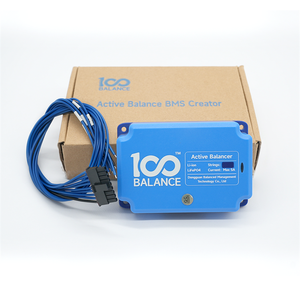
5A Active Balance Active Balance Equalizer Balancing Capacitive Lifepo4 48v

Active Balance Equalizer Capacitive LiFePO4 48V 5A Balancer

  • 5A High Current Capacitive Transfer
  • Compatible with LiFePO4 & NMC
  • Prevents Thermal Runaway
Get a Quote
Seplos Architecture Seplos Bms 3.0 Active Balancer Lifepo4 Battery

Seplos BMS 3.0 Active Balancer LiFePO4 Battery Protection Board

  • Integrated Active Equalization
  • RS485 / CAN Bus Telemetry
  • 16S 48V/51.2V ESS Standard
Get a Quote
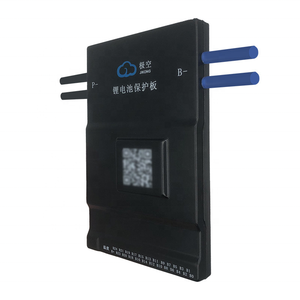
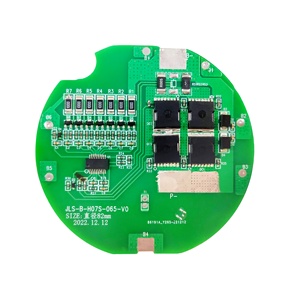
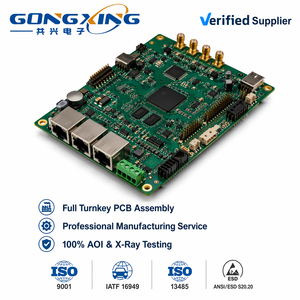
IATF 16949 Certified Smart BMS Battery Management System PCBA Board

Smart BMS PCBA Board Turnkey Assembly & Active Balancing

  • Full Turnkey OEM Assembly
  • Automotive-Grade Reliability
  • Multi-Tier Safety Protocols
Get a Quote
GPS / Display Optional JIKONG JK Smart Active Balancer 150A BMS 7S-24S

JK 150A Smart Active Balancer BMS 7S-24S for LiFePO4 Storage

  • 0.6A-2A Active Balancing
  • Real-time Mobile App Monitor
  • Integrated Display / GPS Track
Get a Quote
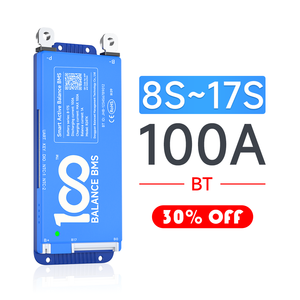
100A 48V 16S Standard Smart Active Balancer battery Protection Board 100a 48v 16s

Smart Active Balancer 100A 48V 16S LiFePO4 Protection Module

  • Optimized for Wall Units
  • Low Standby Power Loss
  • Dual Temperature Sensors
Get a Quote
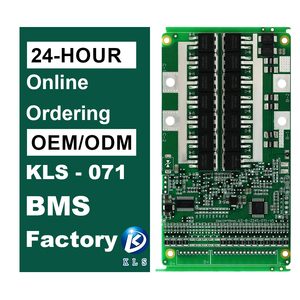
Heavy-Duty Aluminum KLS Battery Management System BMS 120A Active Balance

KLS Heavy-Duty 120A BMS with 2A Active Balance & Heatsink

  • Extruded Heat Dissipation
  • Dynamic Active Balancing
  • Short-Circuit Protection
Get a Quote
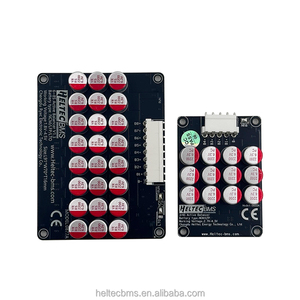
Heltec Capacitor Equalizer Heltec 4S To 21S Active Balancer 5.5A Battery Equalizer

Heltec 4S-21S 5.5A Active Equalizer Energy Transfer Module

  • 5.5A Energy Transfer Current
  • Fits LiFePO4, Li-ion & LTO
  • Ultra-Low Voltage Drop
Get a Quote
Wall-Mounted Battery BMS KLS Smart BMS 16S 48V 100A 150A LiFePO4 Home Energy Storage

KLS Smart BMS 16S 48V 100A/150A Home Energy Storage Controller

  • Master-Slave Parallel Sync
  • Inverter Protocol Auto-Match
  • Rated for 6000+ Cycles
Get a Quote
14+
Years of R&D Engineering
6,000+
LiFePO4 Cycle Life (@80% DoD)
98.5%
Round-Trip Efficiency
ISO/SGS
9001 / 13485 / 14001 Compliant

1. Strategic Analysis of Argentina's Energy Landscape & Storage Demand

The Argentine Republic stands at a pivotal juncture in its national energy architecture. Characterized by expansive geographic diversity—ranging from the hyper-arid, high-altitude solar corridors of the Jujuy and Salta Puna regions to the sprawling industrial hubs of Greater Buenos Aires (AMBA) and the remote agricultural pampas—Argentina presents a unique set of grid stability challenges and energy storage opportunities.

In recent years, structural grid congestion managed by CAMMESA (Compañía Administradora del Mercado Mayorista Eléctrico S.A.) has resulted in severe seasonal load shedding, voltage fluctuations, and frequent transmission bottlenecks. Concurrently, national tariff rationalization policies have eliminated substantial electricity subsidies, resulting in a 200% to 400% surge in retail and commercial kilowatt-hour (kWh) costs for end consumers. For residential estates, agricultural producers, and commercial enterprise facilities, relying solely on an unstable, increasingly expensive centralized electrical grid is no longer economically viable.

"Wall-mounted lithium energy storage units (ESS) operating at nominal 51.2V DC provide the definitive hedge against Argentina's double-digit grid inflation and frequent blackouts. By integrating Tier-1 LiFePO4 chemistry with smart 5A active balancing BMS architecture, Argentine enterprises achieve complete power independence, peak shaving efficiency, and zero operational downtime."

As Argentina accelerates its renewable energy adoption under Law 27.191 (Regimen de Fomento Nacional para el uso de Fuentes Renovables de Energía), distributed photovoltaic generation coupled with decentralized Energy Storage Systems (ESS) has become the gold standard for power resilience. Among various form factors, wall-mounted lithium energy storage units (typically 5kWh to 15kWh per module, 51.2V nominal) have emerged as the preferred choice for installation engineers across Buenos Aires, Córdoba, Rosario, and Mendoza due to their minimal spatial footprint, rapid wall-bracket mounting, and high thermal efficiency.

2. Engineering Architecture of Wall-Mounted Lithium Battery Systems

A premium OEM wall-mounted lithium energy storage unit represents a highly sophisticated convergence of electrochemical storage, thermal engineering, structural enclosure mechanics, and power electronics telemetry. Below is a granular breakdown of the critical components that distinguish enterprise-grade units from substandard alternatives:

Tier-1 LiFePO4 Prismatic Cells

Utilizes EV-grade 3.2V 100Ah/280Ah Lithium Iron Phosphate (LiFePO4) prismatic cells with intrinsically safe olivine crystal structures, offering zero risk of thermal runaway, up to 6,000 deep discharge cycles at 80% DOD, and operating stability up to 60°C.

5A Active Balance BMS Control

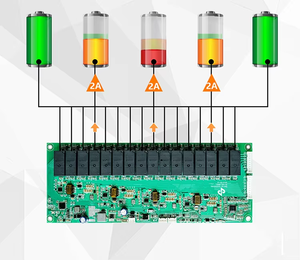
Unlike conventional passive balancers that waste energy as heat via resistor dissipation, our advanced capacitive and inductive active balancers continuously transfer up to 5 Amps of balancing current between individual cells, boosting total energy yield by 12-15% over battery lifespan.

IP65 Wall-Mount Enclosures

Heavy-gauge cold-rolled steel or aluminum-magnesium alloy enclosures engineered to withstand ambient moisture, dust ingress, and physical shock. Features anti-corrosive powder coating suitable for humid coastal climates or dusty agricultural operations.

Technical Comparison: Active Balancing vs. Passive Balancing in 16S 51.2V Systems

In a standard 16S (51.2V nominal) lithium wall battery, individual cell capacity variances inevitably broaden over hundreds of charge-discharge cycles due to thermal gradients within the enclosure. Understanding the operational divergence between balancing topologies is crucial for EPC contractors:

Performance Metric Standard Passive Balancing BMS APEX OEM 5A Active Equalizer BMS
Balancing Mechanism Dissipates top-charge energy as heat via resistors Non-destructive capacitive/inductive energy transfer
Balancing Current 30mA to 100mA (0.03A - 0.1A) 1.0A to 5.5A high-speed transfer
Balancing Phase Only functions during final top-charging phase Operates continuously during Charge, Discharge, & Idle
System Usable Capacity Limited by the weakest cell (~82-87%) Maximizes total pack capacity (>97-99%)
Thermal Heat Generation High local thermal stress on BMS PCB Negligible heat generation; extends PCB component life
Battery Pack Lifespan 3,000 - 4,000 Cycles 6,000+ Cycles (Extended by 30-40%)
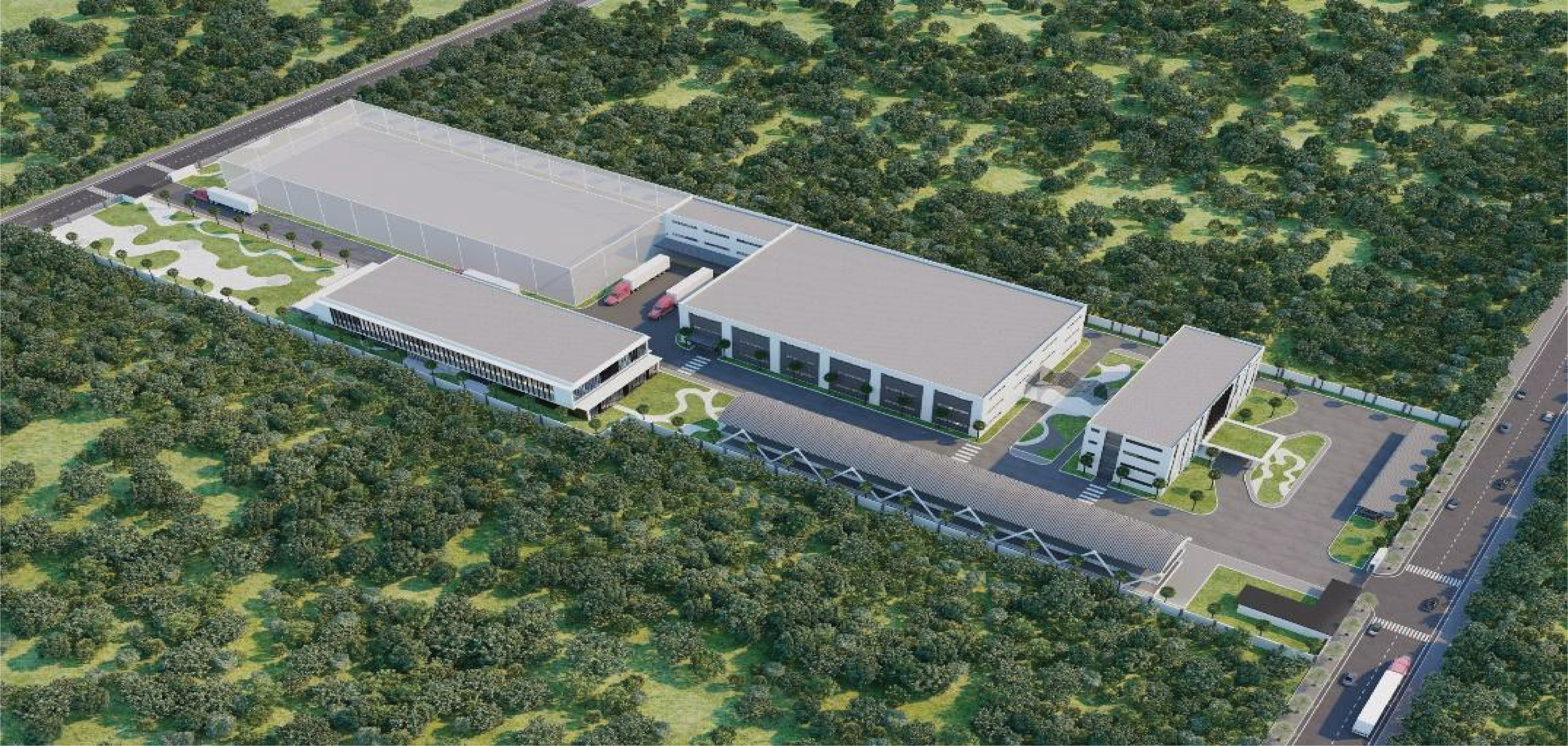
APEX Mobile Power ISO-Certified Smart Manufacturing Campus

3. Localized Application Scenarios Across Argentina's Economic Sectors

Argentina's vast geography mandates specialized engineering solutions tailored to regional environmental and operational challenges. APEX Mobile Power's wall-mounted lithium energy storage units are engineered to excel across four core regional deployment profiles:

A. Agricultural & Viticulture Microgrids (Cuyo & Pampean Region)

In Mendoza, San Juan, and the fertile agricultural plains of Buenos Aires, Santa Fe, and Córdoba, commercial grape growers, dairy farms, and grain processing facilities operate extensive irrigation pumps and climate-controlled storage units. Grid dropouts during summer heatwaves threaten millions of dollars in produce. Wall-mounted 51.2V 200Ah (10.24kWh) LiFePO4 batteries coupled with three-phase hybrid solar inverters allow agricultural operators to store daytime solar energy and seamlessly switch to battery backup during grid collapse, eliminating generator diesel fuel expenses.

B. Commercial & Residential Backup in Greater Buenos Aires (AMBA)

Urban space comes at a premium in Buenos Aires apartments, medical clinics, corporate offices, and commercial retail outlets. Traditional floor-standing battery cabinets consume valuable square footage and pose ventilation challenges. Wall-mounted lithium units feature sleek, low-profile depth profiles (<180mm), permitting vertical mounting in utility rooms or subterranean parking facilities. Integrated RS485/CAN interfaces provide instant plug-and-play synchronization with leading hybrid inverters used in South America, including Victron Energy, Deye, Voltronic Power, Growatt, and Solis.

C. High-Altitude Mining Operations in the Lithium Triangle (Jujuy, Salta, Catamarca)

The Puna region of Northwest Argentina houses the world's most lucrative lithium brine extraction and processing facilities. However, ambient operating environments exceed 4,000 meters above sea level with temperature swings ranging from -15°C at night to +35°C during the day. APEX wall-mounted energy storage units feature optional integrated heating films (silicone thermal blankets) managed directly by the BMS to allow safe charging in sub-zero alpine conditions, serving critical remote communications telemetry and monitoring stations.

D. Off-Grid Eco-Tourism & Telecom Microgrids in Patagonia (Chubut & Santa Cruz)

Off-grid eco-lodging and remote cellular towers across Southern Patagonia operate entirely independent of the national grid. High wind speeds permit hybrid wind-solar charging, but variable voltage spikes demand ultra-robust BMS voltage regulation. Our 16S 51.2V wall-mounted modules absorb erratic charge currents without tripping, providing reliable 24/7 power to isolated locations.

Seamless Multi-Unit Parallel Scalability

Need more than 10kWh? APEX wall-mounted energy storage units feature automated DIP-switch addressable CAN communications. Up to 15 to 32 battery packs can be connected in parallel on a single wall or server frame, expanding total storage capacity from 5kWh to over 160kWh without requiring external master controller hardware.

4. Localized Market Trends, Import Compliance & Tariff Regulatory Framework

Navigating B2B procurement of renewable energy hardware in Argentina requires a deep understanding of local trade policy, import licensing, and technical certification standards. Importers, solar distributors, and EPC installers must account for several structural market realities:

  • Customs Clearances & Import Approvals (SEDI / SIRA Framework): Importers in Argentina must ensure that imported lithium battery systems comply with updated national safety standard requirements. Possessing complete factory documentation—including UN38.3 transport safety test reports, MSDS (Material Safety Data Sheets), and IEC 62619 safety certification—is essential for rapid customs release through the Puerto de Buenos Aires or Paso de los Libres border posts.
  • IRAM Resolution Compliance: Electrical safety in Argentina is overseen by the Instituto Argentino de Normalización y Certificación (IRAM). APEX battery products are designed to meet or exceed IEC/EN 62619 standards, simplifying the local certification verification process for Argentine importers.
  • Currency Hedging & Factory-Direct Procurement: Due to foreign exchange controls and foreign currency volatility in Argentina, sourcing direct from an established Tier-1 manufacturer eliminates intermediary trading markup, providing predictable USD-denominated pricing structures and direct OEM warranty backing.
  • Local Supply Chain & Spare Parts Availability: Successful long-term deployments require ready access to modular spare parts, including plug-and-play BMS control boards, balance wiring harnesses, and replacement circuit breakers. APEX provides complete spare-parts kits with volume B2B container shipments.
APEX Mobile Power International Headquarters & R&D Hub

5. Manufacturer & Enterprise OEM Strengths (APEX Mobile Power Advantage)

As a global leader in custom OEM lithium battery manufacturing, APEX Mobile Power brings 14+ years of precision engineering and vertical integration to South American business partners. We do not merely assemble battery boxes; we engineer full-stack electrical and electronic solutions:

Quad-ISO Certified Quality Control

Our state-of-the-art manufacturing campus operates under strict ISO 9001:2015 (Quality), ISO 13485:2016 (Medical Devices), ISO 14001:2015 (Environmental), and ISO 45001:2018 (Occupational Health & Safety) management systems independently audited by SGS.

In-House SMT Line & BMS R&D

With over 60 dedicated electronics engineers, we design and produce custom BMS hardware and software in-house. Our automated Surface Mount Technology (SMT) lines guarantee flawless soldering, lower failure rates, and rapid firmware customization.

APEX Battery Product Certifications UL CE RoHS UN38.3 IEC

6. B2B Buyer Guide & Technical Procurement FAQs

Below are detailed answers to the 10 most common technical, operational, and commercial questions raised by Argentine B2B buyers, solar EPC contractors, and wholesale energy distributors:

Q1: What cycle life can be expected at high ambient temperatures (35°C - 45°C) in Northern Argentina?
Our wall-mounted energy storage units utilize automotive-grade LiFePO4 chemistry with chemical thermal stabilizers. At standard 25°C, the cells deliver 6,000+ cycles at 80% Depth of Discharge (DoD). Under elevated ambient temperatures of 35°C to 40°C, cell cycle degradation is minimized through internal aluminum heatsinking and wide cell spacing, maintaining over 4,500 continuous cycles before reaching 80% remaining capacity.
Q2: How does 5A active balancing improve usable storage capacity compared to standard BMS units?
In standard passive BMS systems, balancing is limited to 30mA-100mA and only activates during the top 5% of charging. If a single cell lags in voltage, the entire battery pack stops charging prematurely. APEX's 5A active balancer transfers energy continuously from high-voltage cells to low-voltage cells across the entire charge/discharge curve, preventing cell imbalance bottlenecks and recovering 10% to 15% of usable energy that would otherwise remain locked in the pack.
Q3: Are APEX wall-mounted battery units directly compatible with existing lead-acid solar arrays in Argentina?
Yes. While retrofitting requires adjusting charge voltage setpoints on the existing inverter/charge controller (bulk/absorption voltage ~56.8V, float voltage ~54.0V), our 51.2V LiFePO4 wall units are designed as drop-in upgrades. The internal smart BMS manages cell cut-offs and protection independently, shielding the battery from improper external charge profiles.
Q4: What specific safety documentation is provided for customs clearance in Argentine ports?
Every export shipment includes comprehensive testing documentation: UN38.3 Transport Certification, 1.2-Meter Drop Test Compliance, MSDS (Material Safety Data Sheet), Sea/Air Freight Dangerous Goods (DG) Certificates, and factory IEC 62619 reports. These documents satisfy Argentine customs (AFIP/DGA) and maritime transport safety regulations.
Q5: Why choose a wall-mounted design over traditional rack-mounted server rack battery cabinets?
Wall-mounted units offer superior spatial economics, aesthetic integration, and safety isolation for residential homes, boutique hotels, and small-to-medium enterprise offices. They mount directly to load-bearing concrete or brick walls using heavy-duty masonry anchors, keeping electrical connections elevated above ground flood zones while freeing up valuable floor area.
Q6: Which inverter communication protocols are pre-programmed into the APEX Smart BMS?
Our BMS supports multi-protocol auto-detection over CAN Bus and RS485 interfaces. Pre-loaded firmware protocols include Victron Energy (VE.Can), Deye, Voltronic Power (Axpert), Growatt, Solis, Luxpower, Sofar Solar, and Schneider Electric. Inverter protocol selection can be adjusted in seconds via the front LCD panel or smartphone Bluetooth app.
Q7: How does APEX handle technical support, RMA, and warranty service in South America?
We back our products with a standard 5-to-10 year factory limited warranty. For regional distributors and volume importers, APEX supplies modular spare parts kits (plug-and-play BMS PCBA boards, active balance modules, display screens, and breaker assemblies) alongside direct engineering support via remote diagnostics, ensuring zero waiting time for local end-users.
Q8: What hardware protection features are integrated into the internal safety system?
The BMS incorporates multi-stage safety hardware: Over-charge voltage protection, Over-discharge voltage protection, Dual-stage over-current protection, Short-circuit protection with solid-state MOSFET cut-off, High/Low temperature charge/discharge cut-offs, and cell hardware disconnection monitoring.
Q9: What is the optimal Depth of Discharge (DoD) for maximizing financial Return on Investment (ROI)?
Operating the battery at 80% to 90% DoD provides the ideal balance between energy utilization and cycle longevity. At 80% DoD, the system easily achieves 6,000 cycles (approx. 15 years of daily cycling), resulting in an amortized Levelized Cost of Storage (LCOS) under $0.04 USD per kWh stored.
Q10: Can APEX customize logo branding, enclosure colorways, and packaging for Argentine brand owners?
Absolutely. APEX specializes in full OEM/ODM services. We offer custom powder-coat chassis colors, silk-screened distributor branding, customized LCD boot graphics, customized user manuals in Spanish, and reinforced wooden crate packaging tailored for sea freight transit to South America.

Partner with a Leading Wall-Mounted Lithium Battery Factory

Expand your renewable energy distribution business in Argentina with industry-leading 51.2V LiFePO4 storage solutions, active BMS technology, and factory-direct OEM pricing.