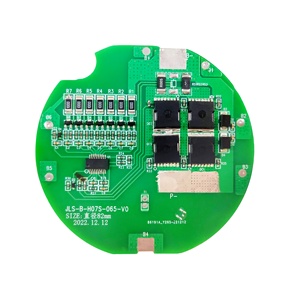
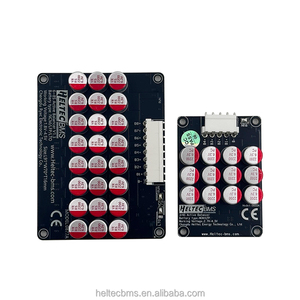
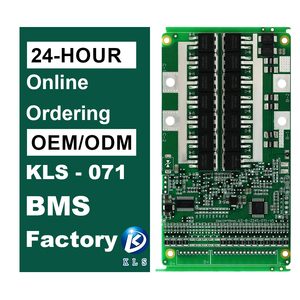
Engineered for extreme current draw, rapid charge acceptance, and active cell voltage balancing in multi-rotor and fixed-wing UAV platforms.
Uruguay has emerged as one of South America's most technologically progressive agrarian and green-energy economies. As the nation modernizes its agricultural infrastructure across the interior departments—such as Soriano, Salto, Paysandú, and Tacuarembó—unmanned aerial vehicles (UAVs) have transitioned from optional survey gadgets into essential mission-critical assets. Large-scale farming enterprises (Estancias), agricultural cooperatives, and forestry managers rely heavily on industrial-grade multi-rotor and fixed-wing drones for precision crop spraying, crop health monitoring (multispectral imagery), livestock counting, and boundary surveillance.
However, operating industrial drones in Uruguay presents severe chemical and thermal challenges to standard off-the-shelf lithium-polymer (LiPo) batteries. The Uruguayan climate demands high thermal resilience; summer field operations routinely exceed 38°C in interior agricultural zones, while high atmospheric humidity along the Rio de la Plata and coastal Maldonando creates severe electrochemical stress. Standard batteries suffer from accelerated internal impedance buildup, capacity fade, and cell swelling (puffing) during high-payload vertical takeoff and landing (VTOL) maneuvers.
Heavy agricultural drones (such as 30L-50L payload sprayers operating in Salto citrus groves and Soriano soybean fields) demand continuous high-current discharge rates (20C–35C) during burst lifts. Our custom NMC and high-density LiFePO4 chemistry packs ensure low heat generation and stable voltage under continuous max load.
Over the expansive eucalyptus and pine plantations in Rivera and Tacuarembó, long-endurance VTOL fixed-wing drones perform multi-hour canopy mapping and fire risk monitoring. High energy-density semi-solid state lithium modules provide up to 300 Wh/kg, extending endurance beyond 120 minutes per flight cycle.
Inspecting offshore wind turbines near Rocha, high-voltage UTE electrical lines, and maritime vessel traffic at the Port of Montevideo requires drone batteries resistant to saline mist corrosion and turbulence-induced current spikes. IP67-sealed structural battery packs protect integrated active balance BMS electronics.
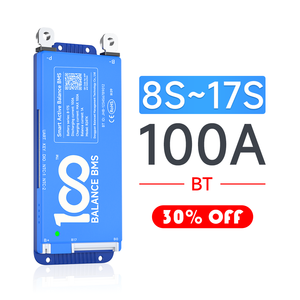
To maximize the operational flight ceiling and payload efficiency of industrial drones in Uruguay, battery pack architecture must transcend traditional passive resistive balancing. In high-discharge applications (such as 12S to 18S high-voltage UAV packs), cell voltage divergence amplifies rapidly during aggressive flight throttling. A single weak cell in a series string triggers premature low-voltage cut-offs, stranding usable energy in surrounding healthy cells and threatening catastrophic flight termination.
| Battery Chemistry / Module Type | Continuous C-Rate | Peak Burst C-Rate (10s) | Energy Density | Active Balance Mechanism | Primary Industrial UAV Application |
|---|---|---|---|---|---|
| High-Rate NMC (Lithium Nickel Manganese Cobalt) | 25C – 35C continuous | 70C – 90C burst | 230 – 260 Wh/kg | Capacitive / Inductive 5A Dynamic Transfer | Heavy-lift agricultural sprayers (30L-50L payload) |
| Semi-Solid State Lithium-Ion | 10C – 15C continuous | 25C – 30C burst | 280 – 320 Wh/kg | Capacitive 2A Micro-Equalization | Long-range mapping VTOL fixed-wing (2h+ flight time) |
| Industrial High-Power LiFePO4 | 15C – 20C continuous | 40C continuous burst | 160 – 180 Wh/kg | High-Current Inductive 5.5A Equalizer | Ground station energy backup & tethered drone platforms |
| Ultra-Fast Charge LTO (Lithium Titanate) | 10C continuous | 20C burst | 110 – 130 Wh/kg | PCB-Integrated Smart BMS Equalization | Autonomous drone charging docks (10-minute turnaround) |
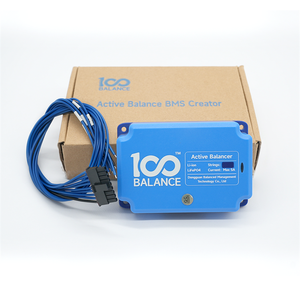
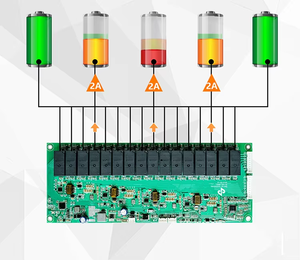
Our proprietary battery engineering integrates 5A high-current active capacitive equalizers directly onto the BMS PCBA. Unlike standard passive balancers that bleed excess energy off as waste heat—further elevating battery core temperature in warm Uruguayan field conditions—our capacitive and inductive active balancers shuttle charge bidirectionally from higher-voltage cells to lower-voltage cells with over 92% transfer efficiency.
This continuous cell-to-cell active voltage alignment yields three critical operational advantages for B2B drone operators:

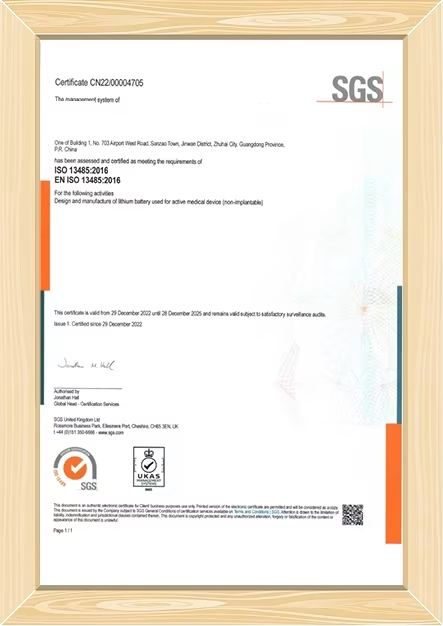
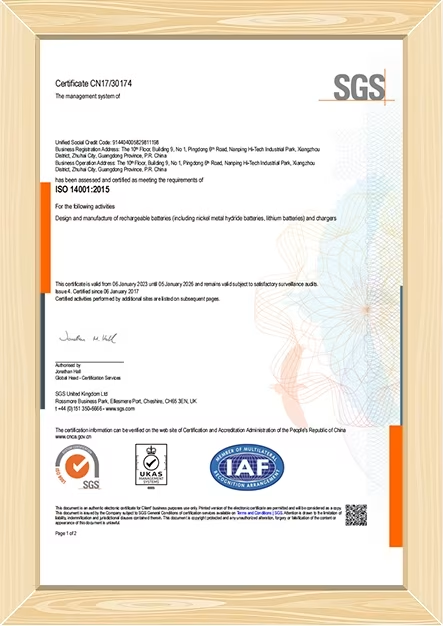
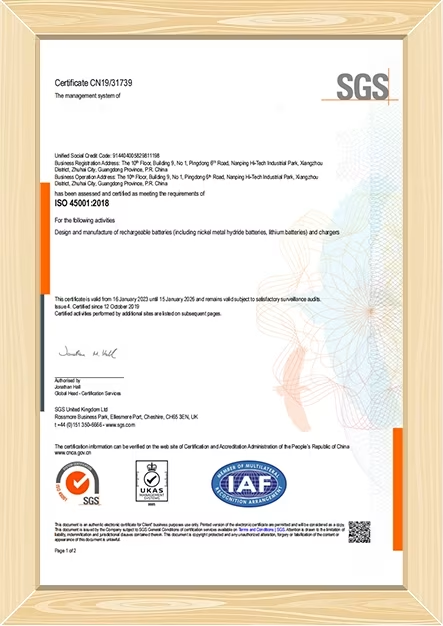
With over 14 years of specialized experience in custom lithium-ion module assembly and a dedicated engineering team of 60+ R&D specialists, APEX Mobile Power (AMP) provides complete end-to-end custom battery manufacturing for global industrial clients and Uruguayan equipment importers.
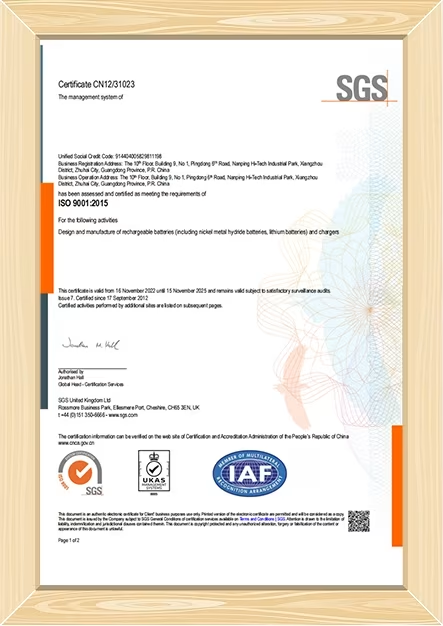
Reinvesting over 8% of annual revenue into electrochemical research, we maintain full vertical integration—from custom enclosure tooling (waterproof IP67 aluminum chassis), custom spot-welding busbar designs, to automated SMT BMS board production and complete UN38.3 vibration and thermal shock testing.
Procuring industrial lithium batteries for distribution or commercial fleet deployment in Uruguay requires strict adherence to regional customs regulations, Mercosur trade rules, and international dangerous goods shipping frameworks. Below is a strategic checklist for Uruguayan procurement managers and drone OEMs:
Lithium-ion batteries and custom smart BMS circuit assemblies enter Uruguay under HS Code 8507.60.00 (Lithium-ion accumulators) and 8537.10.90. Importing through official channels requires customs clearance documentation (DUA - Declaración Única de Aduanas) processed by licensed Uruguayan customs brokers (Despachantes de Aduana).
Due to high energy density, industrial high-discharge batteries exceeding 100 Wh are classified as Class 9 Dangerous Goods (UN3480 / UN3481). APEX Mobile Power provides full UN38.3 test summary certification, MSDS sheets, and drop-test packaging reports compliant with IATA cargo rules for air shipments to Carrasco International Airport (MVD) or sea freight to the Port of Montevideo.
Uruguay’s National Civil Aviation and Aeronautical Infrastructure Directorate (DINACEA - Dirección Nacional de Aviación Civil e Infraestructura Aeronáutica) regulates drone operation safety. Deploying batteries with real-time BMS telemetry (CANbus / SMBus / Bluetooth monitoring) ensures compliance with commercial flight log auditing and battery health logging rules.
Answers to common B2B technical, logistical, and custom engineering inquiries from Uruguayan drone operators and equipment distributors.
Consult with APEX Mobile Power's senior electrochemical engineering team today to design, prototype, and mass-produce high-discharge lithium battery packs optimized for your Uruguayan drone operations.