
Norway stands at the global epicenter of clean energy transition, leading the world in maritime electrification, sub-Arctic off-grid infrastructure, and grid-scale energy storage integration. However, the extreme geographical and environmental dynamics of the Nordic region—characterized by severe sub-zero temperatures, high humidity in marine fjords, and demanding continuous-duty operational cycles—present profound technical challenges to traditional liquid-electrolyte lithium-ion battery chemistry.
Conventional liquid electrolyte lithium batteries (such as standard NMC and standard LiFePO4) experience severe transport impedance, accelerated lithium plating during sub-zero charging, and potential thermal runaway risks when operating below freezing temperatures. Solid-State Lithium Battery Modules, integrated with intelligent Active Balancing Battery Management Systems (BMS), solve these critical bottlenecks by replacing flammable liquid electrolytes with non-volatile solid inorganic/polymeric electrolytes. This structural innovation unlocks ultra-high volumetric energy density (>400 Wh/kg), zero thermal runaway propagation, and stable operation across wide temperature spectrums (-40°C to +85°C).
Key Takeaway for Norwegian System Integrators: Solid-State battery modules combined with active capacitive balancing eliminate the need for energy-intensive auxiliary thermal heating units in Arctic ESS installations, improving net round-trip efficiency (RTE) by up to 14%.
The core advantage of solid-state lithium technology lies in its mechanical and chemical stability. By utilizing sulfide-based (e.g., Li10GeP2S12) or oxide-based (e.g., LLZO garnet) solid electrolytes, solid-state cells eliminate the risk of dendrite penetration and catastrophic fires.
| Technical Parameter | Solid-State Lithium Module | Standard LiFePO4 (Liquid) | NMC / NCA (Liquid) |
|---|---|---|---|
| Gravimetric Energy Density | 380 - 450 Wh/kg | 160 - 180 Wh/kg | 240 - 280 Wh/kg |
| Sub-Zero Discharge Capacity (-20°C) | > 88% Capacity Retention | < 55% Capacity Retention | < 70% Capacity Retention |
| Sub-Zero Safe Charge Threshold | Down to -30°C (No Heating Required) | Must Be Heating Above 0°C | Must Be Heating Above 0°C |
| Thermal Runaway Temperature | > 300°C (Self-Extinguishing) | ~ 270°C | ~ 150°C - 210°C |
| Cycle Life (80% DOD @ 25°C) | 5,000 - 8,000 Cycles | 3,500 - 6,000 Cycles | 1,500 - 3,000 Cycles |
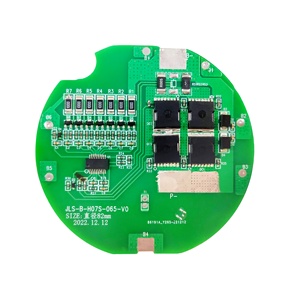
| BMS Balancing Architecture | Active Capacitive / Inductive (5A) | Passive Dissipative (0.05A) | Passive Dissipative (0.05A) |
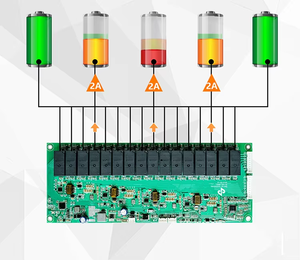
In large-scale battery arrays (spanning hundreds of series-connected cells), cell voltage drift is magnified by cold ambient conditions. Traditional passive balancing systems bleed off excess energy as waste heat through resistors—a inefficient method that generates unwanted local hot spots and wastes valuable stored kWh.
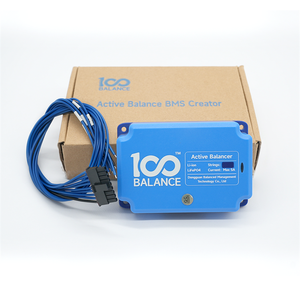
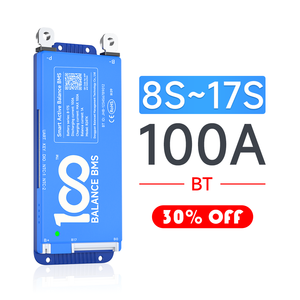
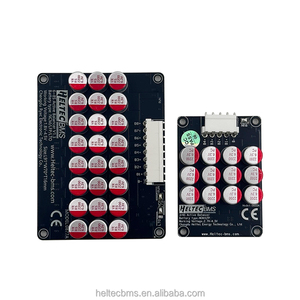
Our featured Smart Active Balancers (5A to 12A continuous balancing current) utilize dynamic energy transfer technology. Using capacitive or inductive storage elements, excess energy is dynamically routed from high-voltage cells to lower-voltage cells with up to 95% transfer efficiency. This process maintains tight cell uniformity within ±5mV, preventing premature low-voltage cutoffs and extending effective pack usable energy by 15-20% under Nordic winter conditions.
Norway's unique geography and aggressive net-zero legislative frameworks require customized battery pack architectures tailored to specific demanding environments.
High-voltage solid-state battery racks designed for zero-emission coastal passenger ferries, fish farming support vessels (Havbruk), and autonomous subsea ROVs operating in deep Norwegian fjords.
Rugged containerized ESS for Svalbard and northern mainland telecom towers, weather research stations, and remote wind farm microgrids requiring unassisted operation at -40°C.
High-C discharge solid-state power modules engineered for electric excavators, underground mining haulers, and forestry equipment operating in rugged Scandinavian terrain.
Norway is accelerating strict zero-emission mandates that directly impact industrial procurement standards across all sectors.
From 2026 onward, Norwegian legislation requires all tourist ships and ferries entering Norway's UNESCO World Heritage fjords (Geirangerfjord, Nærøyfjord) to operate strictly on zero-emission battery propulsion. Solid-state modules satisfy the extreme energy density required for extended cruise range without compromising hull space.
Norwegian maritime authorities and insurers strictly demand compliance with DNV-CG-0339 and Norwegian Maritime Authority (NMA) circulars. Solid-state cells, with zero oxygen generation during overheating, simplify compliance for thermal propagation containment.
Norway's massive aquaculture sector is replacing diesel generator barges with hybrid battery energy storage. Active-balanced solid-state packs provide maintenance-free longevity in corrosive saline and cold ocean environments.
Aligned with European Battery Regulations, Norwegian buyers require full transparency in raw material origin, carbon footprint tracking, and smart BMS data logging for end-of-life second-life repurposing.
As an established global leader in custom battery pack manufacturing and advanced BMS development, our manufacturing ecosystem provides Norwegian B2B buyers with turnkey engineering capability from concept to batch production.
SGS-audited production facilities operating under ISO 13485 (Medical Devices), ISO 9001 (Quality Management), ISO 14001 (Environmental), and ISO 45001 (Occupational Health).
Over 60 dedicated electrochemists, hardware PCBA designers, firmware engineers, and structural thermal simulation experts reinvesting 8% of annual revenue into next-gen tech.
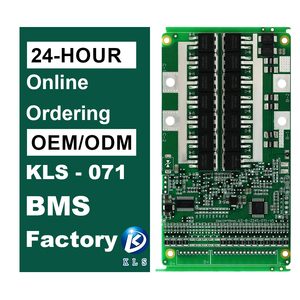
Complete control over BMS schematic design, SMT surface-mount assembly, firmware customization, and CANbus / Modbus / Bluetooth protocol integration.
Custom OEM battery solutions designed and deployed across demanding global industries including medical robotics, defense UAVs, industrial equipment, and grid storage.
In-house testing laboratories equipped for thermal shock, vibration, mechanical crush, drop testing, salt fog corrosion, and high-altitude flight simulation.
IP67/IP68 waterproof aluminum and stainless-steel housing design with custom phase-change material (PCM) thermal barriers for sub-zero operation.
Consult with our senior battery engineers today to design, prototype, and manufacture custom high-density solid-state battery modules and active balancing BMS for your Norwegian industrial projects.