
Spain's Industrial Automation Ecosystem: AMR & AGV Battery Market Dynamics
The Kingdom of Spain has undergone a massive modernization wave across its industrial and logistics sectors. Driven by major supply chain hubs in the Logistics Park of Zaragoza (PLAZA), the Madrid-Coslada logistics axis, the automated automotive plants in Valencia (Almussafes) and Catalonia (Martorell), as well as the booming e-commerce fulfillment centers across Andalusia, Autonomous Mobile Robots (AMRs) and Automated Guided Vehicles (AGVs) have become mission-critical infrastructure.
To maintain uninterrupted 24/7 manufacturing and warehousing cycles, Spanish system integrators and logistics automation managers are replacing legacy lead-acid and unmanaged lithium modules with industrial-grade LiFePO4 (Lithium Iron Phosphate) power modules equipped with active balancing BMS architecture. Modern logistics in Spain requires rapid opportunity charging (1C to 2C fast-charge capability), thermal resilience against hot Iberian summers, and strict compliance with EU Battery Regulations (EU 2023/1542).
- High Duty-Cycle Fleet Deployment: 24/7 continuous operation mandates high-current capacitive active balancing to prevent cell voltage drift during aggressive fast charging.
- Thermal Adaptability: Operational endurance across varying temperatures—from cold-storage logistics rooms (down to -20°C) to non-air-conditioned Mediterranean warehouses exceeding +42°C ambient summer temperatures.
- CANbus / Modbus Telematics Integration: Real-time wireless communication between the battery pack BMS and warehouse management systems (WMS) for predictive fleet maintenance.
Battery Chemistry & BMS Architecture Matrix for Industrial AMRs
Choosing the optimal power subsystem for heavy-duty autonomous mobile robots requires balancing cycle life, safety profile, charge acceptance rate, and Total Cost of Ownership (TCO). Below is an engineering comparison tailored to Spanish automated logistics operators:
| Performance Metric | Standard LiFePO4 + Passive BMS | APEX Industrial LiFePO4 + Active BMS | Conventional NMC Battery |
|---|---|---|---|
| Cycle Life (80% DoD) | 2,000 - 2,500 Cycles | 4,500 - 6,000+ Cycles | 1,200 - 1,500 Cycles |
| Cell Balancing Current | 30mA - 50mA (Dissipative Heat) | 0.6A - 5.5A (Capacitive Energy Transfer) | 30mA (Passive Only) |
| Fast Opportunity Charge Rate | 0.5C Maximum | 1C - 2C Continuous (10-100% in 45 mins) | 0.7C (High Thermal Degrade Risk) |
| Thermal Runaway Temperature | +270°C (Extremely Stable) | +270°C (Integrated Sensor Protection) | +150°C (Risk of Fire) |
| Communication Protocols | Basic Analog Signals | CANopen, RS485, Modbus, SMBus, Bluetooth/GPS | Standard CANbus |
| 5-Year Fleet TCO (Spain Market) | Moderate Maintenance Cost | Lowest (35% Lower Maintenance Cost) | High Replacement Expense |
Information Gain: Why High-Current Active Balancing Is Critical for AMR Longevity
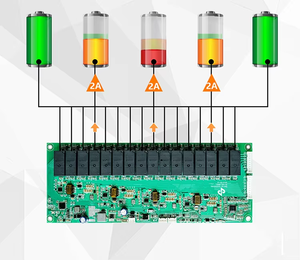
In high-frequency opportunity charging environments—such as AGV inductive charging pads installed in Spanish fulfillment centers—conventional passive balancing fails. Passive systems burn off excess energy as heat via resistors, limited to low currents (30mA to 50mA). During a rapid 15-minute top-up charge, passive balancing cannot equalize high-capacity 48V (16S) or 24V (8S) battery strings. Over months of continuous operation, single-cell voltage divergence accelerates, leading to premature pack capacity collapse.
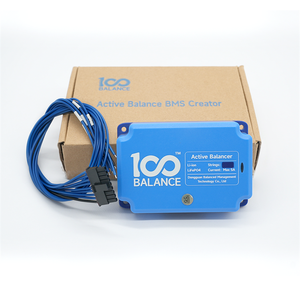
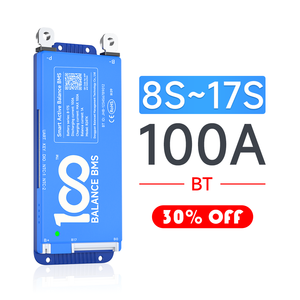
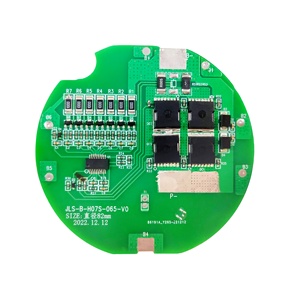
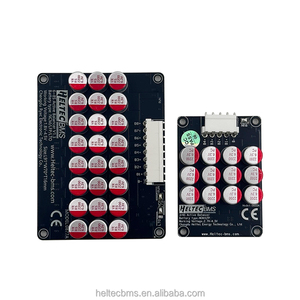
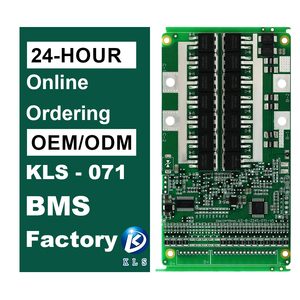
The Active Capacitive & Inductive Balancer Solution: Our integrated active balancing BMS modules (featuring balancing currents from 0.6A up to 5.5A) transfer charge non-destructively from high-voltage cells to low-voltage cells via high-frequency capacitive switching. Key technical advantages include:
- Energy Conservation: Zero waste heat generation during cell balancing, protecting sensitive BMS PCBA components inside sealed IP65 AMR battery enclosures.
- Extended Pack Usable Capacity: Restores up to 15-20% of lost string capacity caused by cell manufacturing internal resistance variations.
- Real-Time Dynamic Equalization: Operates dynamically during charge, discharge, and idle states, ensuring every individual LiFePO4 or NMC cell stays within a strict ±5mV differential.
Enterprise OEM Manufacturing Power & Regulatory Compliance
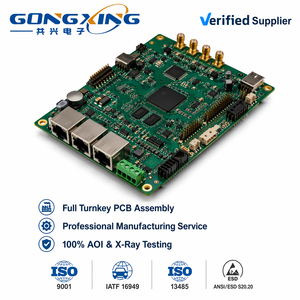
As a global tier-1 manufacturer and direct exporter to European markets, APEX Mobile Power delivers turnkey battery pack engineering, custom aluminum alloy casing design, and complete BMS PCBA assembly under automotive-grade quality management frameworks.
Automotive Quality Standard
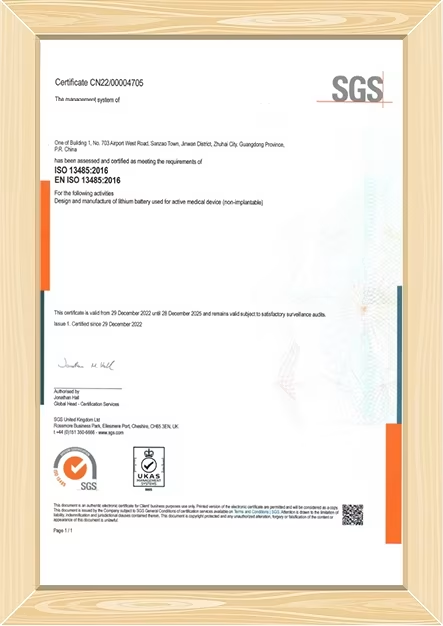
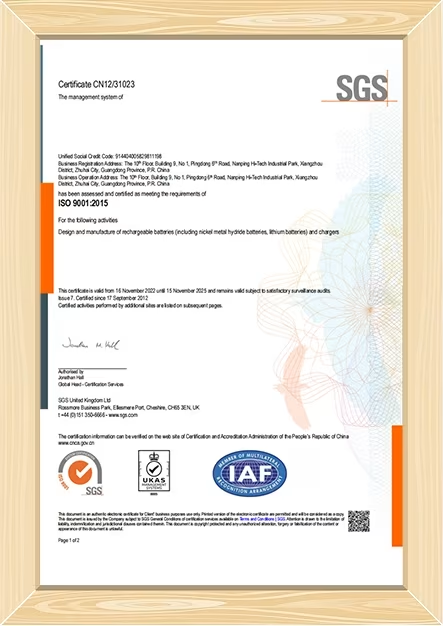
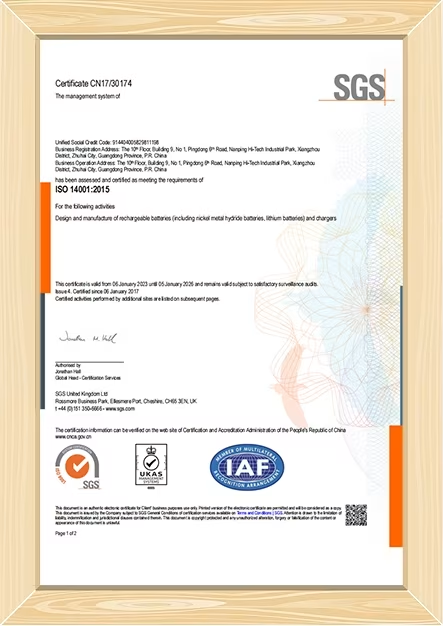
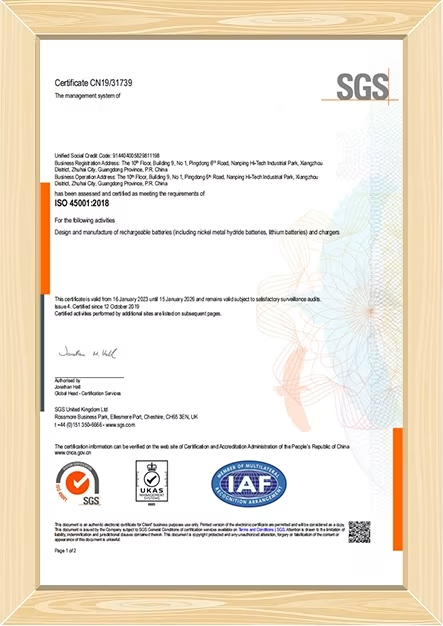
Production lines certified by SGS, ensuring zero-defect cell sorting, automatic ultrasonic wire bonding, and automated optical inspection (AOI).
Medical & High-Reliability
Strict traceability and quality systems inherited from medical-grade manufacturing, providing maximum safety for industrial robotics environments.
CE, UN38.3 & IEC 62619
All battery packs exported to Spain are fully compliant with EU Battery Regulation 2023/1542, UN38.3 transport safety, and IEC 62619 industrial battery standards.
Frequently Asked Questions (FAQ) for Spanish OEM Procurement Managers
Accelerate Your Industrial AMR Project in Spain
Partner with APEX Mobile Power for custom-engineered lithium-ion and LiFePO4 battery modules, active balance BMS boards, and industrial charging systems tailored to your exact system specs.