Precision engineered active equalization boards, smart BMS controllers, and high-capacity battery protection systems deployed across off-grid and hybrid solar microgrids in the Philippines.
The Republic of the Philippines presents one of the most geographically complex energy distribution landscapes in Southeast Asia. Comprising more than 7,641 islands spanning three primary island groups—Luzon, Visayas, and Mindanao—the nation struggles with severe electrical grid fragmentation. Main grid transmission lines operated by the National Grid Corporation of the Philippines (NGCP) primarily cover major urban centers and island mainlands. Consequently, hundreds of off-grid islands, isolated coastal municipalities, and agricultural highlands depend entirely on isolated, small power utilities groups (SPUGs) managed by the National Electrification Administration (NEA) or private electric cooperatives (ECs).
Historically, off-grid power generation in the Philippines relied heavily on heavy fuel oil (HFO) and diesel generator sets. This reliance exposes local distribution utilities, eco-resort operators, mining sites, and commercial enterprises to extreme macroeconomic vulnerabilities: high marine fuel freight costs, fuel logistics delays during severe weather events, and volatile retail electricity tariffs frequently exceeding $0.22 to $0.35 per kWh. Furthermore, the passage of the Republic Act No. 11646 (Microgrid Systems Act of 2022) has officially accelerated the electrification of unserved and underserved areas, mandating clean, uninterrupted, and cost-effective energy access nationwide.
The Philippines experiences an average of 20 tropical cyclones annually (e.g., Super Typhoon Odette/Rai). Centralized utility distribution grids suffer devastating, weeks-long blackouts. Localized battery energy storage microgrids (BESS) offer instant islanding capabilities, black-start functionality, and emergency power independence.
Levelized Cost of Electricity (LCOE) for diesel power generation in Philippine SPUG zones ranges between $0.25 and $0.40/kWh. Solar PV combined with industrial LiFePO4 battery energy storage reduces operational LCOE to under $0.09–$0.12/kWh over a 10-year lifecycle.
Microgrid deployments in tropical, high-humidity environments like the Philippines face severe thermal and environmental stress. Ambient temperatures in containerized BESS sheds or outdoor power rooms frequently reach 35°C to 45°C during dry seasons (March–May), accompanied by relative humidity levels averaging 80% to 90%. Under these operating conditions, conventional passive-balancing Lithium Iron Phosphate (LiFePO4) battery packs suffer accelerated cell degradation, capacity imbalance, and premature thermal runaway risk.
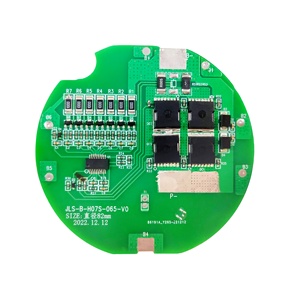
Standard passive balancing BMS boards equalize battery cells by bleeding off excess charge from higher-voltage cells through resistive heat dissipation. In tropical installations, generating extra heat inside sealed IP65/IP67 battery enclosures during peak daytime solar charging increases internal thermal stress. This leads to accelerated electrolyte breakdown and uneven aging across series-connected cell strings.
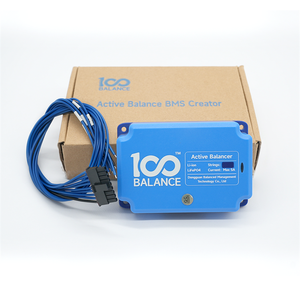
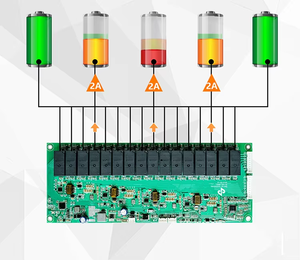
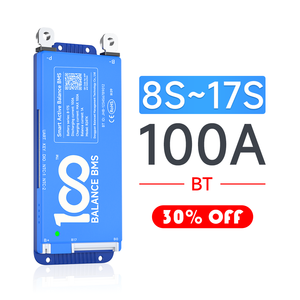
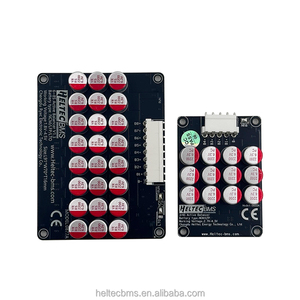
Our OEM microgrid storage solutions integrate high-efficiency Capacitive and Inductive Active Balancing BMS Systems (ranging from 2A to 5.5A equalization currents). Instead of dissipating energy as waste heat, our active balancers continuously take charge from the highest-voltage cells and transfer it directly to lower-voltage cells with over 92% transfer efficiency. This active energy redistribution delivers four crucial operational advantages for Philippine microgrid systems:
Utilizes high-frequency energy transfer capacitors to continuously smooth voltage spikes across 4S–24S strings without power loss.
Integrated 4G/LTE, GPS, CANbus 2.0B, and RS485 interfaces for real-time cloud tracking of cell voltages across distant island provinces.
Conformal PCB coating and C4/C5 marine-grade enclosure protection against aggressive ocean salt air in coastal island installations.
Our microgrid lithium battery solutions and high-current Active Balancer BMS boards are engineered for turn-key deployment across major industrial, commercial, and utility sectors in the Philippines.
Luxury resort islands in Palawan (El Nido, Coron), Siargao, and Bohol operate outside main grid boundaries. 24/7 diesel generator noise and exhaust ruin guest experiences and incur immense diesel transport costs. Installing our 48V/51.2V LiFePO4 modular battery cabinets equipped with 5A Smart Active Balancers allows resorts to run completely silent on 100% solar energy during nighttime hours, cutting diesel consumption by up to 85%.
Telecommunication operators (Globe, Smart, DITO) expanding LTE and 5G connectivity into remote mountainous regions of Mindanao (Bukidnon, Davao Oriental) require absolute power reliability for off-grid BTS towers. Our JIKONG and Seplos active balancer BMS units support high-temperature operation, anti-theft GPS tracking, and seamless hybrid integration with solar PV arrays and backup diesel gensets.
Post-harvest agricultural losses in banana, pineapple, and seafood supply chains often stem from grid instability. Grid voltage sags and rolling brownouts cause motor trips in refrigeration compressors. Our high-voltage (HV) battery energy storage systems (BESS) deliver sub-10ms automatic transfer switching (ATS), protecting cold storage facilities in General Santos, Cagayan de Oro, and Isabela against costly thermal spoilage.
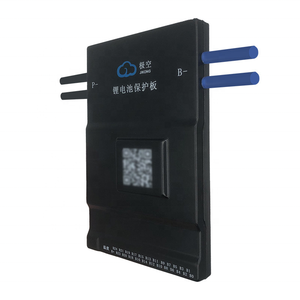
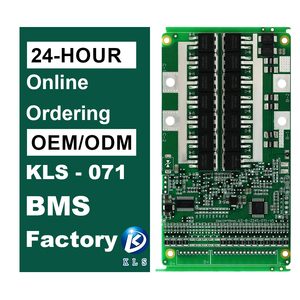
Remote nickel and gold mining facilities demand reliable high-power discharge for heavy machinery, pumps, and staff encampments. Our heavy-duty aluminum-encased BMS modules (such as the KLS 64S 120A Series) feature superior shock resistance, dust sealing, and dual-layer short-circuit protection engineered to withstand rugged mining topographies.
A comprehensive technical comparison highlighting the financial, operational, and thermal advantages of active-balanced LiFePO4 chemistry over legacy lead-acid batteries and standalone diesel generators in the Philippines.
| Performance Metric | APEX Active-Balanced LiFePO4 BESS | Conventional VRLA / AGM Lead-Acid | Standalone Diesel Generator |
|---|---|---|---|
| Cycle Life (80% DoD) | 6,000 – 8,000 Cycles | 500 – 1,200 Cycles | N/A (Overhaul every 10,000 hrs) |
| Round-Trip Efficiency (RTE) | 95.5% – 98.0% | 70.0% – 80.0% | 28.0% – 35.0% Fuel Efficiency |
| High Temp Tolerance (40°C+) | Excellent (Active BMS Cool Equalization) | Poor (Thermal Runaway / Sulphation) | Derating above 40°C ambient |
| Equalization Method | 5A Energy Transfer Active Balancer | Passive Overcharge Bleeding | N/A |
| Levelized Cost (LCOE / kWh) | $0.075 – $0.095 | $0.220 – $0.300 | $0.250 – $0.420 (Fuel Dependent) |
| Maintenance & Upkeep | Zero Routine Maintenance (Remote IoT Monitoring) | High (Frequent Water Refill / Replacement) | Very High (Oil, Filters, Fuel Freight) |
| Environmental Impact | Zero Local Emissions, 100% Recyclable | Toxic Lead & Acid Hazard | High CO2, NOx & Noise Pollution |
The renewable energy landscape in the Philippines is undergoing unprecedented structural reform. Key regulatory drivers and market trends shaping BESS procurement include:
The Microgrid Systems Act waives traditional franchise requirements for microgrid service providers (MSPs) in unserved areas, accelerating private sector BESS bidding and installation.
The Department of Energy (DOE) Philippine Clean Energy Scenario mandates 35% renewable generation by 2030 and 50% by 2040, driving massive utility-scale and off-grid BESS mandates.
Compliance with Philippine Grid Code standards demands rapid frequency response, dynamic voltage support, and sub-second ramp rate control—capabilities built into our smart BMS controllers.
Technical and logistical insights addressing common questions regarding importation, tropical climate durability, warranty, and integration into local Philippine power systems.
All our microgrid battery modules and smart BMS protection boards undergo conformal anti-corrosion coating on all PCBA components. Enclosures are manufactured using heavy-duty electro-galvanized steel or structural aluminum with C4/C5 marine-grade powder coatings. Internal electrical connections utilize stainless steel hardware and IP67 sealed aviation connectors to prevent salt-mist air oxidation and moisture intrusion.
Yes. Our active balancer BMS products (such as Seplos 3.0, JIKONG, and KLS series) feature pre-loaded multi-inverter CANbus and RS485 communication protocols. They offer plug-and-play compatibility with major inverter brands used across the Philippines, including Deye, Luxpower, Growatt, Victron Energy, Sol-Ark, GoodWe, and Megarevo.
We provide complete international export certification compliance packets required for seamless clearance at Manila (MICP/POM), Cebu, or Davao ports. This includes UN38.3 Transport Safety Test Reports, Material Safety Data Sheets (MSDS), IEC 62619 product certification, CE/UL reports, Commercial Invoice, Packing List, and Certificate of Origin (Form E for ASEAN trade duty preferences).
In 48V solar microgrids, aggressive charging from high-wattage solar PV arrays can rapidly imbalance individual cells. Standard passive balancers (which bleed only 30mA to 100mA of heat) cannot keep up with high charge rates, triggering premature BMS over-voltage cutoffs before the battery reaches 100% capacity. A 5A Active Balancer dynamically transfers energy up to 50 times faster without heat build-up, ensuring full 100% state-of-charge utilization and zero thermal stress on your cell pack.
For standard production orders, manufacturing turnaround takes approximately 15 to 20 days. Ocean freight shipping duration from our manufacturing campus to Manila South/North Harbor is typically 5 to 7 days, to Port of Cebu 7 to 9 days, and to Port of Davao 9 to 12 days. Air freight options are available for urgent BMS and active balancer hardware samples (3 to 5 days door-to-door via DHL/FedEx).
Absolutely. Backed by over 14 years of OEM manufacturing experience and a team of 60+ full-time R&D engineers, we provide complete custom engineering—from custom PCBA hardware architecture and firmware protocol coding to custom battery module dimensions, high-voltage rack design, and 20ft/40ft climate-controlled containerized BESS integration.
APEX Mobile Power operates as a top-tier custom OEM lithium battery manufacturer, engineered to serve global industrial markets with total quality assurance and technological leadership.
Specialized OEM/ODM engineering of custom lithium battery packs and intelligent BMS hardware.
In-house R&D staff dedicated to electrochemical design, BMS firmware development, and structural safety.
Annual revenue reinvested directly into advance cell balancing physics, thermal safety testing, and automation.
Custom energy storage modules successfully engineered and delivered to industrial partners worldwide.
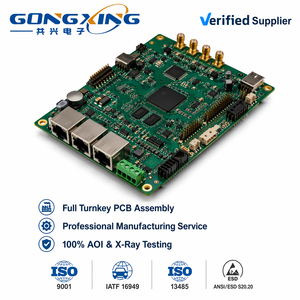
Our production facilities are independently audited and certified under internationally recognized standards: ISO 9001:2015 (Quality Management System), ISO 13485:2016 (Medical Device Quality Management), ISO 14001:2015 (Environmental Management System), and ISO 45001:2018 (Occupational Health and Safety). Every battery pack, active equalizer, and smart BMS unit undergoes strict end-of-line testing—including automated optical inspection (AOI), full-cycle burn-in testing, thermal imaging, and high-potential electrical insulation tests—before shipment.
Contact our senior technical engineering team today for custom product inquiries, BESS sizing assistance, wholesale BMS pricing, or local project engineering consultation.
Contact Us