Explore our premium range of lithium battery modules, active balancers, and intelligent protection PCBA systems designed for high-drain applications in industrial drones, robotics, and RC platforms.
A comprehensive analysis of cell chemistry, internal resistance mitigation, thermal dissipation, and smart dynamic cell balancing for industrial-grade radio-controlled systems in Nagoya.
High-drain radio-controlled (RC) battery modules represent the peak of electro-chemical power density engineering. Unlike standard energy storage batteries designed for gradual discharge over 5 to 20 hours, industrial high-drain battery modules must instantly release high energy rates—frequently delivering continuous currents between 30C and 60C, with pulse burst capabilities exceeding 120C (where C represents the total nominal capacity discharged per hour).
In high-performance aerial robotics, heavy-lift agricultural unmanned aerial vehicles (UAVs), high-speed defense target drones, and autonomous racing platforms operating across Nagoya and Aichi Prefecture, voltage drop under load (IR drop) can severely hamper system stability. When an RC battery module faces instantaneous high current demands, internal resistance leads to Joule heating ($P = I^2 R$), triggering extreme thermal stress, rapid cell degradation, and potential thermal runaway if not managed by advanced hardware.
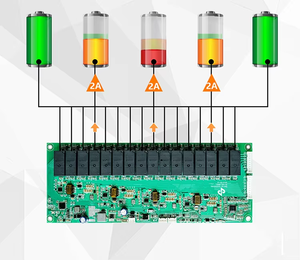
Traditional passive battery management systems (BMS) manage cell imbalance by bleeding excess energy off the highest-voltage cells through resistive heat dissipation. Under high-drain RC discharge conditions, passive bleed currents of 30mA to 100mA are utterly inadequate. They generate unwanted heat inside sealed battery enclosures without addressing capacity variance during heavy current pulls.
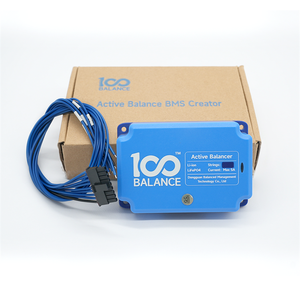
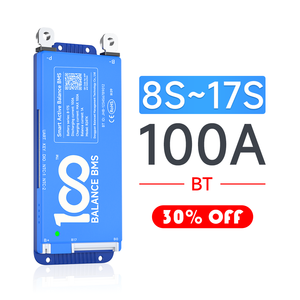
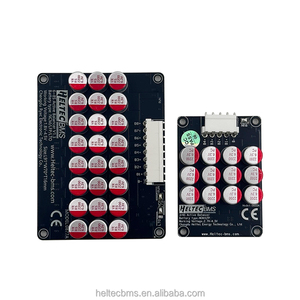
Our proprietary Inductive & Capacitive Energy Transfer Active Balancers (delivering 2A to 5.5A continuous balancing current) revolutionize battery module longevity:
Transfers charge directly from higher-voltage cells to lower-voltage cells with up to 95% efficiency, minimizing energy waste and heat production.
Eliminates high-temperature resistors on the BMS PCBA, protecting delicate RC telemetry and control electronics from ambient thermal radiation.
Prevents individual cell under-voltage cutoff during high-rate bursts, extending usable module operational life by up to 35% compared to passively balanced packs.
Choosing the optimal electrochemistry depends on the specific power-to-weight ratio required by the application. Industrial engineering teams in Nagoya rely on customized battery cell chemistry pairings depending on operational profiles:
| Battery Chemistry | Nominal Voltage | Continuous Discharge (C) | Energy Density (Wh/kg) | Optimal Nagoya Application Scenario |
|---|---|---|---|---|
| High-Voltage Li-Po (LiHV) | 3.85V / cell | 50C – 120C Peak | 240 – 280 Wh/kg | FPV racing drones, inspection UAVs, high-acceleration RC platforms |
| NMC High-Rate Lithium | 3.60V / cell | 30C – 60C Peak | 210 – 250 Wh/kg | Industrial autonomous mobile robots (AMRs), heavy payload drones |
| LiFePO4 (LFP) High-Discharge | 3.20V / cell | 15C – 30C Peak | 140 – 170 Wh/kg | High-cycle industrial AGVs, automated warehouse transport in Aichi |
| Lithium Titanate (LTO) | 2.30V / cell | 10C – 20C Cont. | 80 – 110 Wh/kg | Sub-zero outdoor robotics, extreme thermal-safety industrial tools |
As the heart of Japan’s Chubu manufacturing hub and the Aichi-Nagoya Greater International Aerospace Zone, local engineering teams demand world-class custom battery integration.
Nagoya hosts major aerospace developers and research centers. Our high-drain LiHV battery packs deliver instantaneous current spikes required by multi-rotor aerial mapping platforms and fixed-wing long-endurance drones testing near Tokoname and Mikawa Bay.
Aichi Prefecture is Japan’s automotive epicenter. High-drain battery modules power automated guided vehicles (AGVs) and autonomous mobile robots (AMRs) operating across Toyota City industrial plants, guaranteeing zero-downtime fast charging and high burst currents for heavy lifting.
Industrial testing facilities requiring high-frequency radio-controlled sub-systems benefit from customized low-IR battery modules paired with real-time CANbus telemetry monitoring, ensuring voltage stability under aggressive dynamic throttle fluctuations.
Key technical shifts shaping local OEM procurement requirements across Chubu’s manufacturing sectors.
Procurement managers in Nagoya are actively phasing out standard "dumb" RC battery packs in favor of Smart BMS modules featuring CANbus, UART, and SMBus protocols. Real-time monitoring of individual cell voltages, internal impedance drift, state-of-charge (SoC), and thermal trends enables preventive maintenance before in-flight failure occurs.
Navigating Japan’s Electrical Appliance and Material Safety Law (PSE Mark Compliance) and UN38.3 transport certification is critical for Nagoya importers. Our engineering manufacturing facility guarantees full testing documentation, thermal shock validation, and drop test compliance to ensure frictionless customs clearance into Central Japan ports.
To maximize aerial drone flight times by 15-20%, Nagoya’s robotic developers are rapidly adopting High-Voltage Lithium-Polymer (LiHV) cells (charging up to 4.35V/cell or 4.40V/cell). Combined with semi-solid state electrolyte barriers, these packs offer higher thermal resistance during extreme 80C burst discharges.
Industrial clients no longer accept off-the-shelf shrink-wrapped RC batteries. Demand has shifted toward precision CNC aluminum alloy or flame-retardant polycarbonate enclosures featuring IP67 water ingress protection, vibration damping, and integrated heat pipe thermal pathways.
Backed by over 14 years of lithium power technology R&D, our global production infrastructure powers the world's most demanding OEM projects.

We operate fully vertically integrated battery pack assembly plants engineered to handle complex cell matching, spot-welding, active balancer calibration, and computerized BMS programming under one roof.
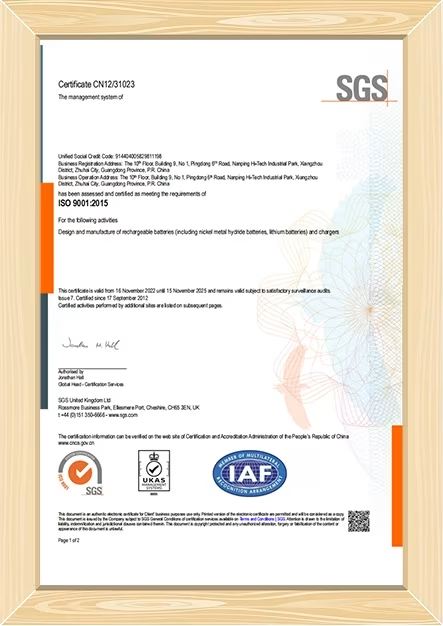
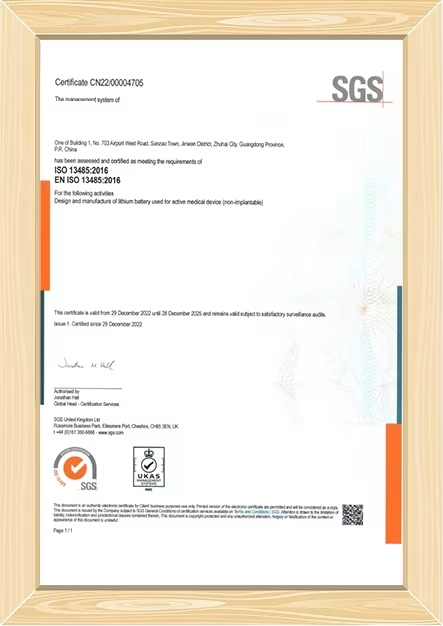
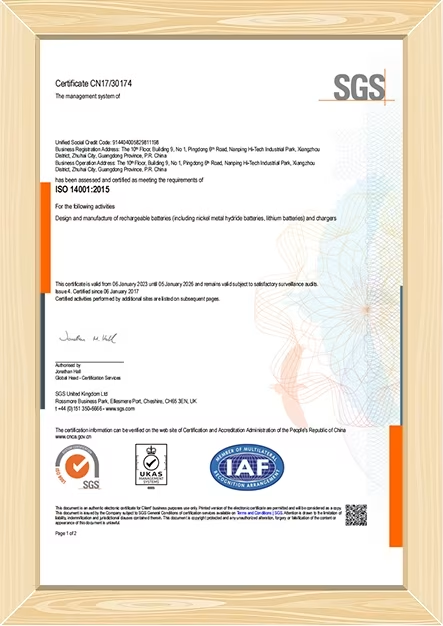
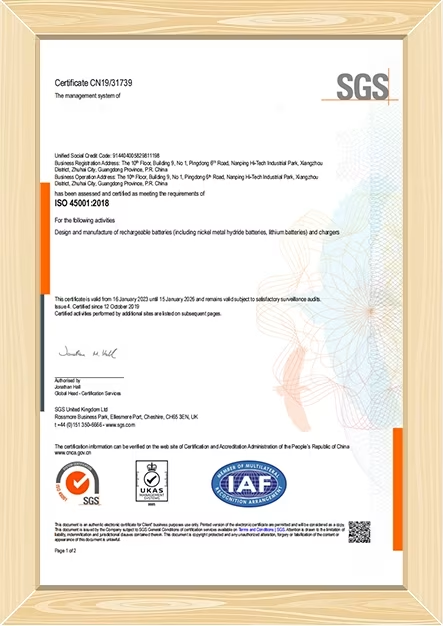
Our manufacturing operations strictly adhere to international industrial, medical, and environmental safety standards.
Clear, direct answers regarding custom battery module manufacturing, high-drain specifications, Japanese import regulatory compliance, and localized logistics.
A high-drain RC battery module is engineered to discharge electrical current at extremely high multiples of its rated capacity (typically 30C to 120C continuous or pulse) without suffering excessive IR voltage drop or thermal damage. For Nagoya’s aerospace drone operators and high-speed robotic AGV manufacturers, this translates to maximum motor acceleration, instantaneous torque response under heavy payloads, and rock-solid system voltage stability.
High-voltage multi-cell battery packs (such as 12S, 16S, or 24S series configurations) naturally develop cell voltage imbalances over repeated high-current cycles. Passive balancing bleeds away excess energy as heat at minuscule currents (50mA–100mA). In contrast, our Capacitive and Inductive Active Balancers transfer up to 5.5A of balancing current between cells with >92% efficiency. This eliminates thermal buildup, equalizes state-of-charge rapidly, and prevents early low-voltage system trips.
Yes. All custom lithium battery modules manufactured for Japanese clients undergo rigorous UN38.3 transport testing (including altitude simulation, thermal shock, vibration, impact, external short circuit, and forced discharge). For applicable commercial products imported into Japan, we supply full technical dossiers for PSE Circle and Diamond compliance certification, simplifying customs handling at Nagoya Port and Chubu Centrair International Airport.
Our streamlined NRE (Non-Recurring Engineering) development pipeline delivers initial CAD enclosure models and customized BMS circuit topology within 7–10 business days. Following client design approval, physical functional prototypes equipped with high-rate cells and active balancing PCBA are assembled and shipped for field testing in Nagoya within 3 to 4 weeks.
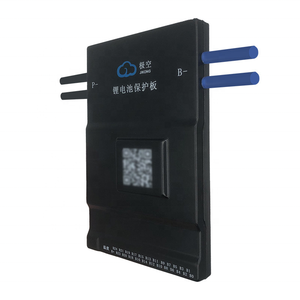
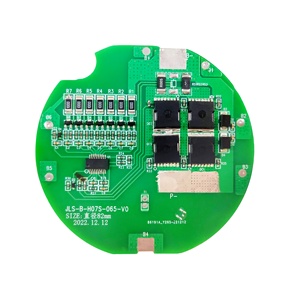
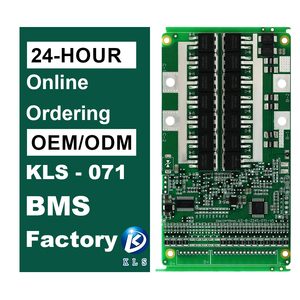
Absolutely. Our intelligent BMS protection boards feature configurable communication interfaces including CANbus (CANopen & J1939 protocols), RS485, UART, and Bluetooth telemetry. They integrate seamlessly with standard UAV flight controllers (PX4, ArduPilot) and industrial robotics PLCs widely utilized across Aichi Prefecture factories.
Partner with an industry-leading OEM/ODM custom lithium battery manufacturer. Contact our senior electro-chemical engineering team today to receive a complete product catalog and custom quote.
Get Catalog