Engineered for custom voltage lithium battery packs, featuring multi-cell active equalizers, high-current smart BMS, and robust circuit protection boards optimized for European grid and industrial requirements.
As Belgium accelerates its energy transition under the European Green Deal and regional frameworks across Flanders and Wallonia, industrial equipment manufacturers, marine operators, and energy integrators require specialized power storage architectures. Standard off-the-shelf 12V or 48V battery modules frequently fail to meet the distinct operational demands of heavy logistics at the Port of Antwerp-Bruges, high-voltage agricultural automation in Flanders, or cold-climate marine auxiliary systems on the North Sea coast.
Custom voltage engineering allows equipment designers to optimize current draw, decrease thermal losses via higher system voltages (e.g., 72V, 96V, 384V, or 700V+), reduce cable copper gauge, and drastically extend overall equipment uptime. Selecting an experienced OEM factory equipped with active balancing BMS technology is essential for long-term cell health, safety compliance, and financial ROI.
Key Takeaway for Belgian Procurement Engineering: A custom-engineered lithium battery pack built around tailored voltage, precise physical form factor, and integrated active balancing BMS can increase usable cycle life by over 35% compared to off-the-shelf passive balance solutions.
Selecting the optimal electrochemistry and system voltage parameters requires balancing energy density, safety profiles, operating temperature ranges, and regulatory standards such as UN38.3, CE, and Synergrid C10/11 grid compliance.
| Chemistry Type | Nominal Cell Voltage | Cycle Life (80% DoD) | Low Temp Performance (-20°C) | Primary Belgian Application Fit |
|---|---|---|---|---|
| LiFePO4 (LFP) | 3.2V | 4,000 – 6,000+ | Moderate (Needs Active Heating) | Port Automated Guided Vehicles (AGVs), Commercial ESS, Residential Storage |
| NMC (Nickel Manganese Cobalt) | 3.6V – 3.7V | 1,500 – 2,500 | Good (-20°C Operational) | High-Altitude Drones/UAVs, Compact Robotics, Portable Power Tools |
| Sodium-Ion (Na-Ion) | 3.0V – 3.1V | 3,000 – 4,000 | Excellent (-40°C Operational) | Extreme North Sea Marine Auxiliary, Sub-Zero Outdoor Telecom Infrastructure |
| LTO (Lithium Titanate) | 2.3V – 2.4V | 15,000 – 20,000+ | Superior (-30°C to +55°C) | Heavy Electric Trams, Rapid Fast-Charging Logistics Shuttles |
In high-capacity custom voltage battery assemblies (such as 16S 48V, 24S 72V, or high-voltage multi-module strings), individual cell capacity and internal resistance variations naturally expand over time. Traditional passive balancing BMS bleeds off excess charge as heat through resistor networks at low currents (typically 30mA to 100mA). In heavy industrial or high-throughput cycle environments typical in Belgian manufacturing hubs, passive balance is insufficient to prevent cell divergence.
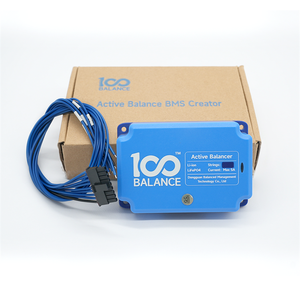
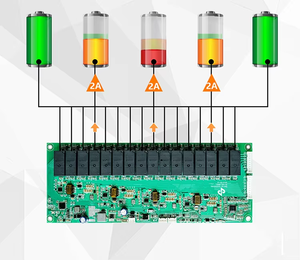
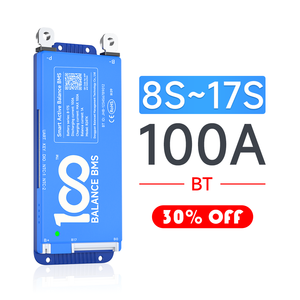
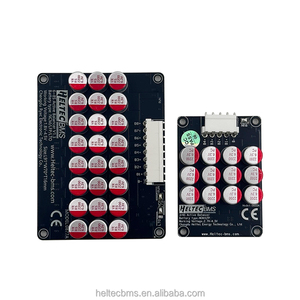
Our OEM factory integrates capacitive and inductive Active Balancing Boards capable of 0.6A up to 5.5A continuous energy transfer. Rather than wasting excess energy as heat, active balancers dynamically move charge from higher-voltage cells to lower-voltage cells throughout both charge and discharge cycles. This ensures maximum pack capacity utilization, eliminates hot spots, and extends the operational lifespan of the entire system.
From Flemish logistics hubs to Wallonian industrial manufacturing and North Sea maritime electrification, custom voltage lithium packs provide optimized, reliable energy.
Automated Guided Vehicles (AGVs) and heavy container-handling forklifts at Europe’s second-largest port require custom 80V, 96V, or high-voltage LiFePO4 packs. Outfitted with 5A active balancers and fast-charging CANBus BMS interfaces, these packs allow 24/7 continuous operation with fast opportunity charging during short breaks.
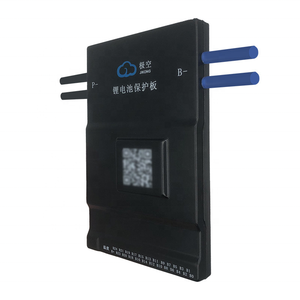
With Belgian feed-in tariffs shifting toward self-consumption and peak-shaving incentives, residential and commercial solar systems across Ghent, Antwerp, and Brussels demand modular 48V / 51.2V 100Ah–200Ah battery banks. Engineered with integrated inverter communication protocols and Synergrid-compliant protection boards.
Maritime vessels operating off the Zeebrugge coastline face harsh saline moisture and low ambient temperatures. Custom IP67-rated waterproof enclosures, integrated internal PTC heating pads, and low-temperature discharge sodium-ion or LFP packs guarantee reliable operation during winter months.
Automated harvesting equipment, greenhouse robotics, and specialized autonomous tractors operating in rural Flanders demand customized voltage curves (e.g., 72V to 144V) to balance motor efficiency with lightweight battery distribution.
Compliant with ISO 13485 quality standards, our medical-grade custom lithium-ion battery modules power mobile surgical carts, emergency ventilation units, and diagnostic devices in Belgian hospital networks (UZA, UZ Leuven, CHU Liège).
Extreme climate resilience for telecom towers across Wallonia's Ardennes region. Smart BMS telemetry over IoT allows central management hubs in Brussels to remotely monitor cell balance, temperature, state of charge (SoC), and state of health (SoH).
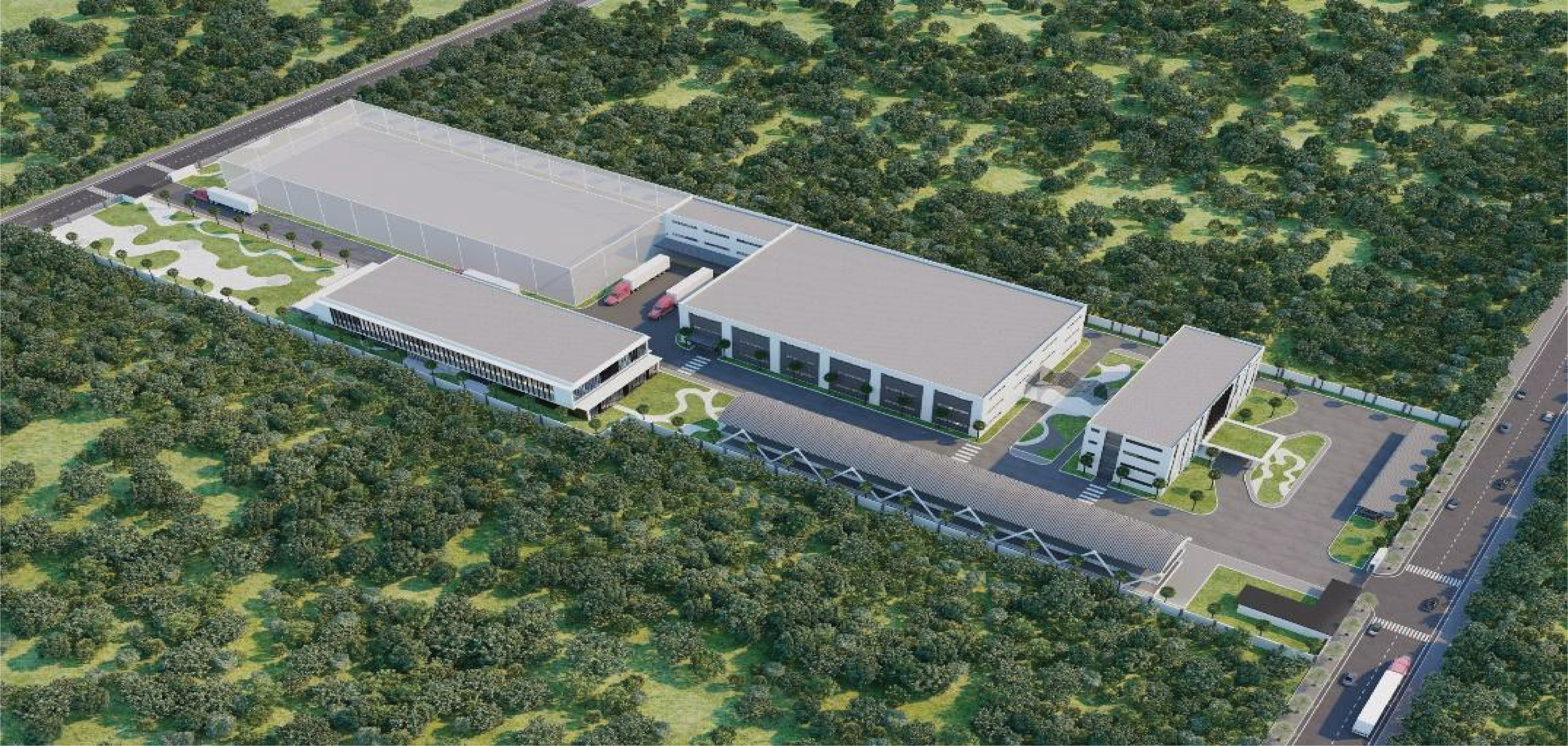
With over 14 years of dedicated lithium battery design and assembly experience, our ISO 9001 and ISO 13485 certified factory provides full end-to-end custom battery manufacturing. We handle everything from electrochemistry selection, CAD structural enclosure design, custom BMS PCBA layout, to automated cell matching, laser welding, and rigorous environmental testing.
Answers to common engineering, regulatory, and logistics queries from B2B buyers in Belgium.
Customizing voltage allows engineers to optimize the efficiency curve of the motor controller or inverter. Higher system voltages (e.g., 72V, 96V, or 384V) lower the operating current required to achieve equivalent wattage, significantly reducing heat dissipation, wire gauge thickness, weight, and electrical loss across connection buses.
For entry into Belgium (via Antwerp or Brussels Airport) and distribution within the EU, battery packs must comply with UN38.3 (transport safety testing), CE marking, RoHS Directive, and REACH regulation. For stationary grid-tied storage, adherence to Synergrid C10/11 guidelines is mandatory for grid connection approval.
Passive balancing burns off excess energy from higher voltage cells as heat through resistors (usually at 30-100mA). Active balancing dynamically transfers energy from higher-voltage cells to lower-voltage cells at significantly higher currents (0.6A to 5.5A), preserving energy, avoiding localized overheating, and dramatically improving total battery pack capacity over time.
For custom engineering projects, the initial engineering evaluation and CAD/BMS design phase takes approximately 1 to 2 weeks. Sample prototypes are fabricated and tested within 3 to 4 weeks. Once sample approval is granted, mass production takes 4 to 6 weeks, with direct sea freight delivery to Antwerp Port taking roughly 28 to 35 days.
Yes. We offer low-temperature chemistry solutions (such as Sodium-Ion or cold-rated LiFePO4 cells) integrated with internal self-heating PTC pads managed by the smart BMS. The BMS automatically pre-heats the cells using incoming charger energy before initiating high-rate charging below 0°C.
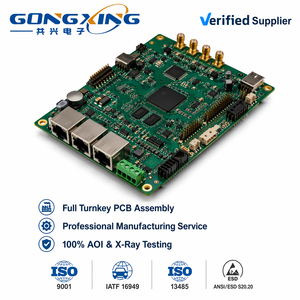
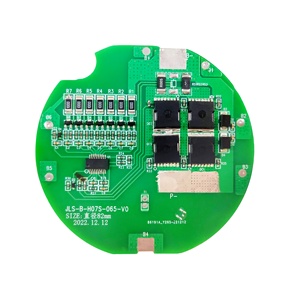
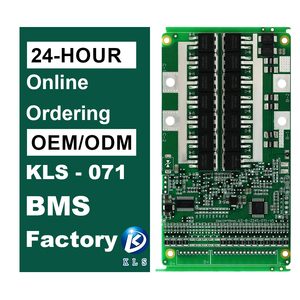
Absolutely. Our smart BMS boards support native CANBus (CANopen, J1939), RS485, Modbus, and Bluetooth telemetry. We can customize the firmware protocol to match your proprietary vehicle controllers, SMA, Victron, or Selectronic inverters seamlessly.
Consult directly with our senior battery engineering team. We provide full engineering design reviews, cell chemistry selection, BMS protocol integration, and turnkey factory quote estimates within 24 hours.
Get a Quote