Explore our industrial-grade LiFePO4 active balance protection boards, capacitive equalizers, and OEM battery management modules purpose-built for heavy-duty cold chain logistics across Nigeria.
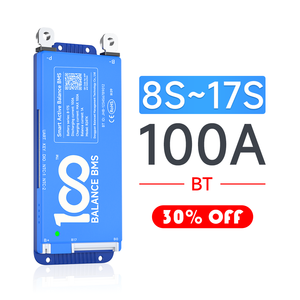
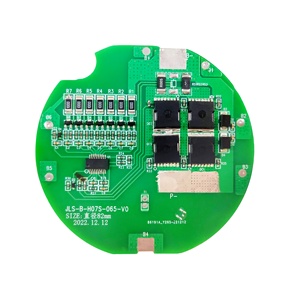
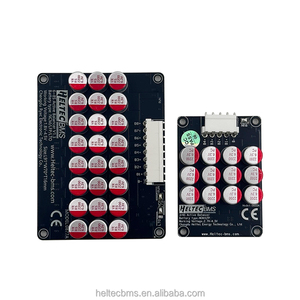
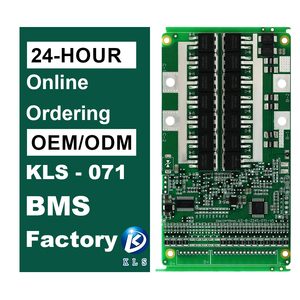
Proven engineering metrics across West Africa's challenging climate and grid conditions.
Nigeria’s cold chain transport sector stands at a critical technological inflection point. As Africa's most populous economy, the nation suffers an estimated 40% to 50% post-harvest loss in perishable agricultural produce—including tomatoes, fruits, and dairy—primarily due to broken thermal preservation links between northern agricultural hubs (such as Kano, Kaduna, and Jos) and major southern consumption epicenters like Lagos, Ibadan, and Port Harcourt. Furthermore, pharmaceutical supply chains face stringent regulatory mandates to maintain ultra-precise temperature bands (+2°C to +8°C for vaccines and biologics) across road transit corridors plagued by extreme ambient heat, unpaved surfaces, and severe grid instability.
Historically, refrigerated transport fleets (reefer trucks and light vans) relied exclusively on diesel-engine Auxiliary Power Units (APUs) or direct engine-belt compressors. However, following the federal deregulation of petrol and diesel subsidies in Nigeria, diesel operational overheads have surged exponentially. When combined with engine idling wear, frequent mechanical breakdowns, and high tropical ambient temperatures (often exceeding 42°C in Northern Nigeria), traditional fossil-fueled refrigeration has become financially unsustainable and operationally unreliable.
The Technological Solution: OEM LiFePO4 (Lithium Iron Phosphate) battery systems integrated with high-current Active Balance Smart BMS architecture are replacing legacy lead-acid and diesel APU setups. By deploying high-density, thermally stable lithium packs engineered specifically for tropical climates, Nigerian fleet operators achieve seamless zero-emission refrigeration runtime during prolonged road delays, customs clearance holds at Apapa/Lekki ports, and overnight transport stops.
Understanding the critical engineering differences between passive resistive energy loss and lossless capacitive/inductive active balancing under high thermal stress.
Lithium Iron Phosphate (LiFePO4) offers superior intrinsic safety with a thermal runaway breakdown temperature of over 270°C compared to conventional NMC cells (210°C). Under Nigerian ambient operating temperatures ranging from 35°C to 48°C inside vehicle chassis boxes, LiFePO4 guarantees structural cathode stability, preventing thermal spikes even during heavy continuous inverter discharge.
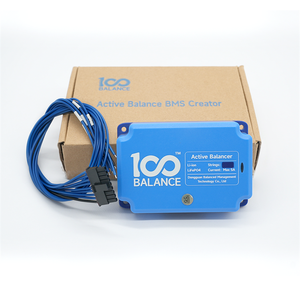
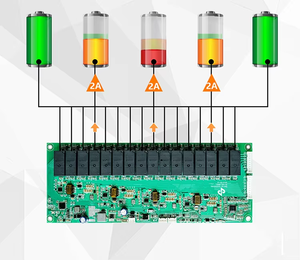
Traditional BMS systems use passive balancing, which burns excess energy off as heat through resistors (typically at a feeble 30mA to 100mA). In 16S 48V high-capacity packs, this creates dangerous local hot-spots. Our 5A Active Balancers transfer energy dynamically from higher-voltage cells to lower-voltage cells via capacitive or inductive energy transfer with up to 92% efficiency, maintaining cell delta below 0.005V.
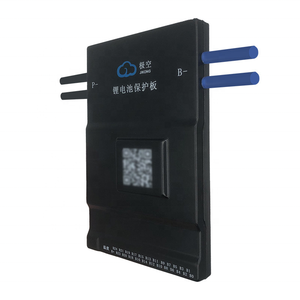
Equipped with CAN 2.0B, RS485, Bluetooth, and GPS telemetry (such as the JIKONG JK-BD6A24S15P series), logistics managers in Lagos or Abuja can monitor individual cell voltages, state of charge (SOC), ambient heat parameters, and vehicle locations in real-time via cloud dashboards, ensuring cold chain integrity audit trails.
Purpose-engineered battery deployments addressing specific logistical challenges in West Africa.
Long-haul transit along the Kano-Kaduna-Abuja-Lagos expressway often faces multi-hour traffic gridlocks (e.g., around Kara Bridge or Ogere). LiFePO4 battery packs equipped with 48V active balancer BMS power DC inverter refrigeration compressors independently of the vehicle's engine, preserving agricultural cargo during gridlocks without burning high-priced diesel.
National Primary Health Care Development Agency (NPHCDA) and NGO healthcare distribution programs require continuous +2°C to +8°C temperature logs. APEX lithium systems provide ultra-stable voltage output with zero voltage sag, guaranteeing uninterrupted operation for medical-grade ultra-low temperature freezers during rural distribution in remote states.
At major wholesale markets (such as Mile 12 in Lagos or Dawanau in Kano), stationary walk-in cold rooms suffer from frequent PHCN grid blackouts. Our 48V 100A/150A/200A LiFePO4 battery racks integrate seamlessly with local rooftop solar arrays and Victron/Must/Growatt hybrid inverters for 24/7 off-grid cold preservation.
1. Fuel Subsidy Deregulation & TCO Shift: With local diesel prices fluctuating significantly, commercial vehicle fleets are transitioning to hybrid-electric and pure-electric refrigeration units. The Total Cost of Ownership (TCO) of a LiFePO4 APU system shows full capital payback within 7 to 10 months of operation compared to continuous diesel generator idling.
2. Presidential CNG Initiatives & Electrification: As Nigeria expands Compressed Natural Gas (CNG) and electric vehicle (EV) adoption under federal energy transition policies, OEM reefer trucks are adopting high-voltage DC lithium battery packs (96V to 300V+) with advanced active balancing BMS boards to supply both propulsion and cooling power.
3. Strict Standards for Export Agriculture: Nigerian exporters of fresh seafood, ginger, and flowers through Murtala Muhammed International Airport or Lekki Deep Sea Port face strict EU and US FDA compliance audits. End-to-end digital temperature monitoring powered by smart lithium BMS ensures cargo validation upon destination entry.
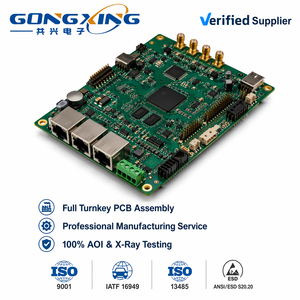
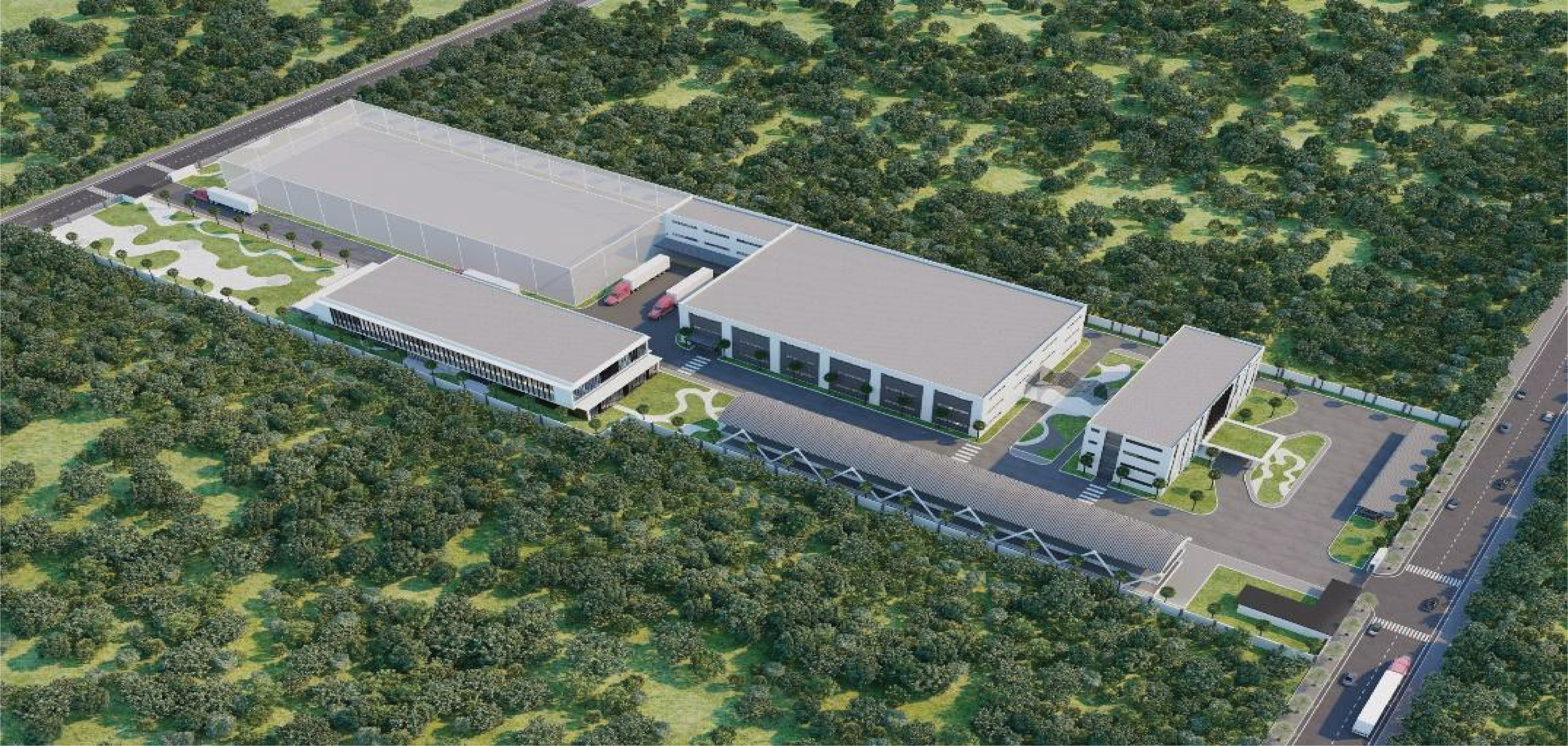
As an industry-leading lithium battery pack and BMS manufacturer, APEX Mobile Power operates state-of-the-art, fully automated production lines certified to rigorous international management standards. We provide custom turnkey engineering—from raw cell matching and active balancing PCBA design to IP67 sheet-metal enclosure fabrication.
Answers to essential technical, logistical, and import questions for procurement teams in Lagos, Abuja, Kano, and Port Harcourt.
Rigorous international validation ensuring seamless customs clearance and operational safety in Nigeria.

Contact our technical engineering team today for factory-direct pricing, custom BMS schematics, and complete product catalogs for cold chain transport and off-grid energy storage systems.