
Industry Whitepaper: Precision Powering for Hamburg's Wearable MedTech Sector
The transformation of modern healthcare across Northern Germany—specifically anchored within the vibrant Life Science Nord cluster and the metropolitan region of Hamburg—has accelerated the demand for ultra-reliable, bio-compatible, high-energy-density wearable medical devices. As ambulatory cardiac monitoring, continuous glucose monitoring (CGM), electro-muscular stimulation (EMS/TENS) therapy, and digital blood pressure tracking transition from hospital settings directly to daily patient care, the core limiting factor remains electrochemical power density and micro-power safety compliance.
As a leading custom OEM lithium battery manufacturer operating under strict ISO 13485:2016 medical quality management systems, APEX Mobile Power serves as an elite OEM/ODM engineering and export partner for Hamburg-based medical device OEMs, distributors, and clinical technology innovators. This technical report provides comprehensive information gain regarding cell chemistry selection, safety certification protocols, custom battery management system (BMS) integration, and localized supply chain optimization for Northern German medical importers.
1. Electrochemical Cell Architecture for Medical Wearables
Designing power systems for skin-contacting or body-worn medical devices requires balancing volumetric energy density (Wh/L), thermal stability, impedance stability under continuous pulse loading, and absolute leakage prevention. Unlike consumer electronics, wearable medical power sources must endure rigorous biological environment dynamics, sweat corrosion, micro-vibrations, and electromagnetic interference (EMI).
Ultra-Thin Lithium Polymer (LiPo) Pouch Cells
For flexible wearable belts such as period-soothing EMS/TENS pads, wearable ECG patches, and micro-wearable pulse oximeters, lithium polymer pouch cell architecture is the industry gold standard. Utilizing specialized aluminum-laminate foil housing, soft pouch packaging achieves thickness profiles as thin as 0.8mm to 3.0mm, allowing seamless integration into curved ergonomic enclosures.
- Energy Density: Up to 650 Wh/L volumetric energy density utilizing advanced Cobalt-based (LCO) or Nickel-Manganese-Cobalt (NMC) cathode chemistries.
- Thermal Safety: Formulated with flame-retardant ceramic separator coatings that resist thermal runaway up to 160°C.
- Low Self-Discharge (LSD): Engineered self-discharge rates under 1.5% per month at 25°C, preserving battery readiness for home-use medical emergency devices.
Coin Cell & Micro-Cylindrical Lithium Technologies
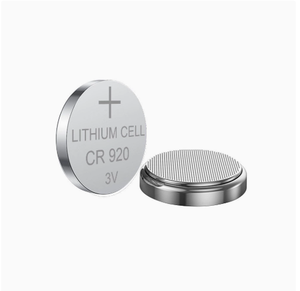
For Continuous Glucose Monitors (CGM) and miniaturized vital sign sensors, 3V primary lithium coin cells (such as CR920, CR2032) and micro-rechargeable button cells offer uncompromised voltage stability. Featuring low internal resistance (ESR) and high continuous pulse current capabilities, these micro-power units drive optical sensors and Bluetooth Low Energy (BLE 5.3) telemetry chips without causing voltage drop trips.
Electrochemical Performance Matrix for Medical Wearable Batteries
| Battery Chemistry | Nominal Voltage | Energy Density | Cycle Life (80% DoD) | Optimal Medical Application | Safety Certification |
|---|---|---|---|---|---|
| Ultra-Thin LiPo (Pouch) | 3.7V - 3.85V | 200 - 260 Wh/kg | > 500 Cycles | EMS Vests, TENS Belts, Smart Cuffs | IEC 62133-2, UL1642, CE, RoHS |
| Micro Li-Ion Button Cell | 3.6V - 3.7V | 150 - 190 Wh/kg | > 800 Cycles | CGM Sensors, Hearing Aids, Smart Rings | IEC 62133-2, UN 38.3 |
| Primary Lithium Manganese (CR920) | 3.0V | 280 Wh/kg | Single-Use (1-3 yrs) | Disposable Medical Wearables, Temp Patches | UN 38.3, ISO 13485 Audit |
| High-Rate LiFePO4 (LFP) | 3.2V | 120 - 160 Wh/kg | > 2000 Cycles | Clinical Ambulatory Pumps, EMS Equipment | UL 2054, IEC 62133-2, CE |
2. Intelligent Battery Management System (BMS) & Medical Safety Controls
A battery cell in a medical device is only as safe as the electronics controlling it. APEX Mobile Power embeds customized, ultra-low-power Smart BMS protection circuit modules (PCM) directly into every medical battery pack assembly. Designed with redundant hardware and software protection layers, our BMS technology completely eliminates risks associated with over-charging, deep discharge, short circuits, and thermal excursion.
Dual-Layer Hardware Protection
Featuring dual IC control chips operating in tandem. If the primary MOSFET protection fails, a secondary physical fuse triggers permanently under over-voltage or over-current conditions, ensuring absolute patient safety during skin contact.
Precision Fuel Gauge ICs
Utilizing HDQ, I2C, or SMBus communication protocols with Texas Instruments (TI) impedance track fuel gauge ICs. Delivers true State-of-Charge (SOC) monitoring with <1% margin of error, preventing unexpected device power loss during critical monitoring.
NTC Thermal Management
Integrated Negative Temperature Coefficient (NTC) thermistors continually stream real-time thermal readings to the host medical system. Charging is automatically disabled if temperatures exceed safe physiological thresholds (0°C to 45°C).
3. Specialized Application Scenarios in Hamburg & Northern Germany
The Metropolitan Region of Hamburg is a premier hub for digital health innovation in Europe. Hamburg's healthcare sector, supported by world-class institutions like the University Medical Center Hamburg-Eppendorf (UKE) and the Health Innovation Port (HIP), rapidly adopts wearable technology for remote patient monitoring (RPM) and ambulatory rehabilitation.
Scenario A: Ambulatory Cardiac Monitoring & SpO2 Patches
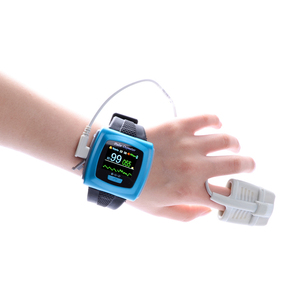
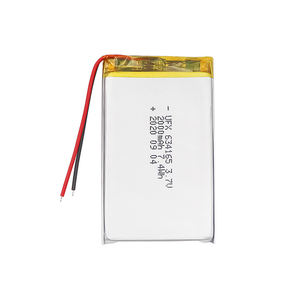
Clinical institutions across Hamburg increasingly utilize continuous ECG telemetry patches for outpatient post-operative tracking. Our ultra-lightweight 3.7V 2000mAh LiPo battery cells (Model UFX 634165) provide continuous 72-hour operational runtimes without requiring patient recharging, facilitating seamless data transmission to hospital telemetry nodes via encrypted Bluetooth networks.
Scenario B: Wearable EMS/TENS Pain Management Belts
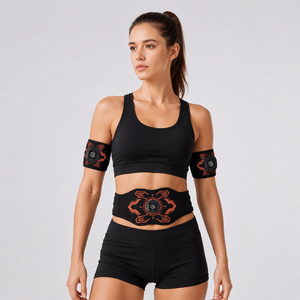
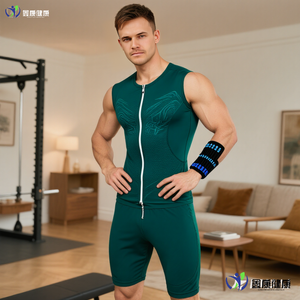
For home-use therapeutic belts targeting menstrual pain relief and back muscle rehabilitation, high-discharge lithium packs are required to deliver rapid electrical pulse bursts. Our custom dual-zone EMS lithium battery assemblies support high current output stability while maintaining low skin-contact temperatures, fully compliant with German DIN EN 60601-1 electromedical standards.
Scenario C: DiGA (Digital Health Applications) Blood Pressure & Glucose Monitors
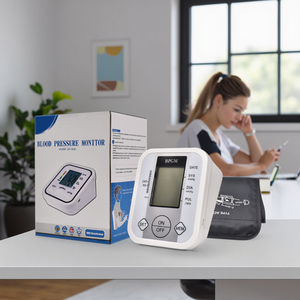
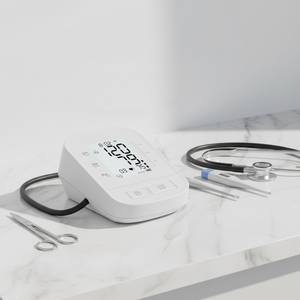
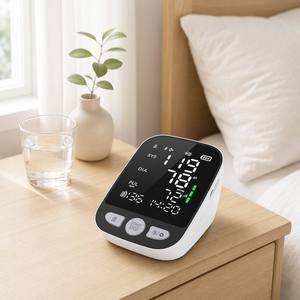
Under Germany's Digital Healthcare Act (DVG), Hamburg medical device developers registering applications with BfArM (Federal Institute for Drugs and Medical Devices) demand long-life rechargeable lithium packs with integrated Type-C charging. Our 2-in-1 arm-band blood pressure monitor batteries offer over 1,000 charge cycles, providing reliable performance for prescription-based digital therapeutics.
4. APEX OEM Factory Advantages & Global Export Logistics
Partnering directly with a verified China manufacturer offers Hamburg MedTech enterprises significant competitive cost advantages, rapid tooling execution, and unparalleled customization scale. APEX Mobile Power operates advanced manufacturing infrastructure strictly aligned with European import expectations.
State-of-the-Art Production Facility
Our ISO 13485 certified manufacturing facilities utilize fully automated assembly lines, laser tab welding, automatic cell sorting, and X-ray non-destructive internal inspection systems. We enforce zero-defect quality controls (AQL 0.0) for all critical medical components.
- 60+ Dedicated R&D Engineers: Direct engineering consultation from cell layout, 3D casing CAD design, to custom BMS firmware development.
- 8% Annual R&D Reinvestment: Continual advancement in solid-state medical micro-batteries and ultra-high density cathode formulations.
- Direct Logistics to Port of Hamburg & Airport (HAM): DDP (Delivered Duty Paid) shipping compliance, customs clearance under German Zoll standards, and UN 38.3 dangerous goods certified export packaging.

Audited Quality & Compliance Standards
Our facilities are audited by SGS, UKAS, and IAF accredited bodies to ensure international quality assurance across every manufacturing step.
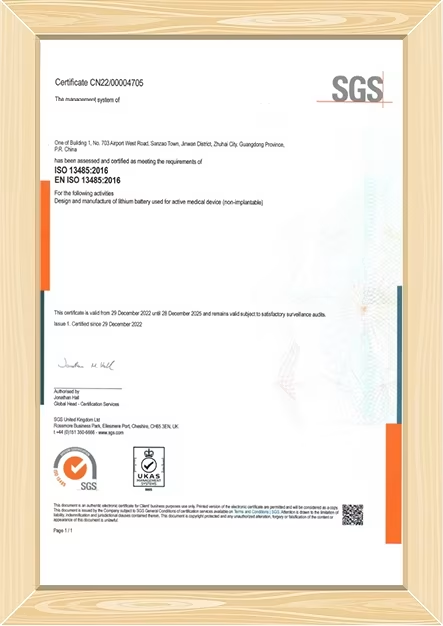
ISO 13485:2016
Medical Device Quality Management System Certified for design and manufacturing of lithium batteries for medical devices.
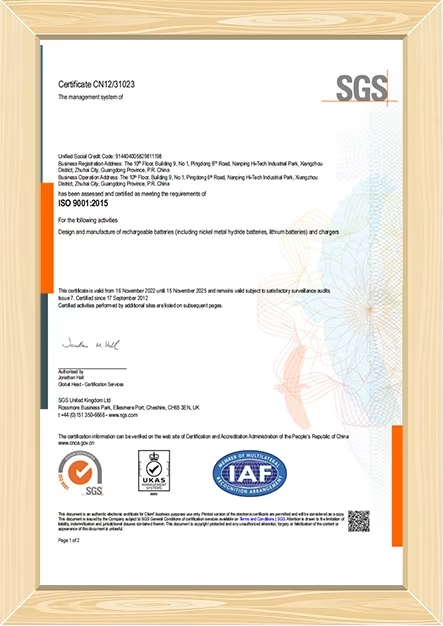
ISO 9001:2015
Universal Quality System governing raw material procurement, cell impedance grading, and batch consistency testing.

CE / IEC / UN 38.3
Fully compliant product certification suite allowing seamless CE marking, distribution, and air transport to Hamburg.
5. Hamburg Procurement & Engineering FAQ
Q1: How do your wearable medical batteries assist Hamburg OEMs in fulfilling EU MDR (2017/745) requirements?
We supply complete Technical Documentation Files (TDF) containing raw material safety data, bio-compatibility test reports (ISO 10993 for non-cytotoxicity), UN 38.3 transport reports, and IEC 62133-2 CB certificates. Our full ISO 13485 traceability guarantees that every battery batch can be traced back to its specific raw material lot, simplifying your Notified Body audit (e.g., TÜV SÜD/TÜV Rheinland).
Q2: What is the typical custom tooling and sample development lead time for Hamburg buyers?
For custom lithium polymer cell shapes or specialized plastic enclosure molds, initial 3D prototypes and engineering samples are delivered within 15 to 20 working days. Rapid 3D-printed enclosure samples can be provided within 7 days for initial ergonomic testing at your Hamburg facility.
Q3: Can your wearable battery packs survive medical-grade disinfection processes?
Yes. We offer custom potting and ultrasonic encapsulation options using medical-grade polyurethanes or silicones that achieve IP67 or IP68 ingress protection. This protects the internal lithium cell and BMS from chemical degradation caused by alcohol wipes, isopropyl disinfection, and moisture intrusion.
Q4: What logistics options are available for shipping lithium medical batteries directly to Hamburg, Germany?
We offer complete DDP (Delivered Duty Paid) shipping solutions via air freight directly to Hamburg Airport (HAM) or ocean freight to the Port of Hamburg (HHLA terminal). All shipments adhere strictly to IATA/ICAO Class 9 dangerous goods regulations with certified UN 38.3 outer packaging.
Q5: What minimum order quantities (MOQ) apply for OEM custom battery design?
We maintain flexible MOQ structures to support both innovative MedTech startups in Hamburg's incubator hubs and high-volume medical exporters. Sample production runs start as low as 50-100 units for clinical trials, with scaled volume pricing available for mass manufacturing.
Ready to Engineer Your Wearable Medical Battery Solution?
Contact our senior electrochemical engineering team today. Get direct access to ISO 13485 certified custom battery designs, technical whitepapers, sample requests, and competitive OEM quotes for the Hamburg market.