Factory-direct OEM export solutions engineered to extend solid-state and LiFePO4 battery pack lifespan under daily severe load-shedding cycles.

Analyzing thermal runaways, grid frequency instability, and capacity degradation in tropical energy storage deployment.
Pakistan’s power generation sector has experienced unprecedented volatility, characterized by high grid tariffs, frequency fluctuations exceeding ±1.5 Hz, and widespread load-shedding lasting 4 to 10 hours daily. In response, Pakistani commercial enterprises, agricultural solar pump operators, telecom tower fleets, and residential solar adopters are undergoing a massive transition from legacy lead-acid and conventional liquid-electrolyte lithium batteries toward Solid-State Lithium Battery Modules equipped with Active Capacitive/Inductive BMS Equalization.
Standard liquid lithium-ion chemistry faces acute performance bottlenecks under Pakistan’s severe environmental and operational matrix. In provinces like Sindh, Punjab, and Balochistan, summer ambient temperatures consistently cross 45°C to 50°C. Non-air-conditioned battery storage enclosures experience internal cell temperatures exceeding 60°C during high-rate discharge. Under traditional passive balancing (which bleeds excess energy off as heat through resistive dissipation), battery packs experience severe thermal accumulation, leading to accelerated cell imbalance, capacity fading, and elevated risk of thermal runaway.
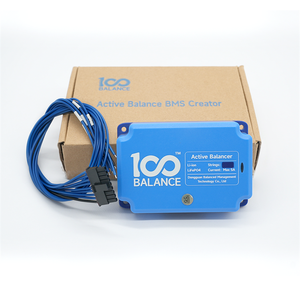
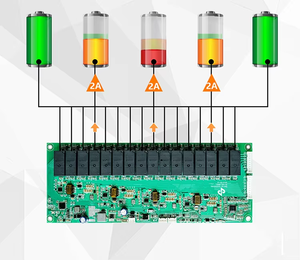
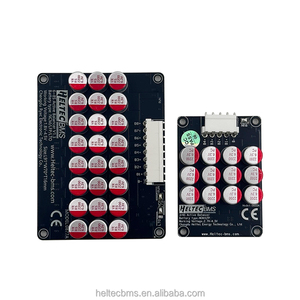
Chinese OEM export factories specializing in advanced solid-state modules incorporate solid polymer or inorganic oxide solid-state electrolytes. When paired with high-current (2A to 5.5A) dynamic energy-transfer active balancers, energy is non-destructively shuttled from higher-voltage cells to lower-voltage cells. This process eliminates resistive heat generation during cell balancing, ensuring high round-trip efficiency (RTE > 96.5%) and preventing localized hot spots.
| Battery Architecture / Metric | Legacy VRLA / Tubular Lead-Acid | Standard LiFePO4 (Passive BMS) | Solid-State Lithium + Active BMS (AMP OEM) |
|---|---|---|---|
| Thermal Stability Limit | Max 35°C (Drastic Life Drop) | 45°C (Requires AC Cooling) | Up to 65°C Continuous Operation |
| Balancing Efficiency & Heat Generation | N/A (Water Loss / Sulfation) | Passive Dissipation (Generates Heat) | Active Capacitive Transfer (Zero Waste Heat) |
| Cycle Life (80% DOD @ 40°C) | 500 - 800 Cycles | 2,500 - 3,500 Cycles | 6,000 - 8,000+ Deep Cycles |
| Round-Trip Efficiency (RTE) | 70% - 75% | 88% - 92% | 96.5% - 98.2% |
| Pakistani Grid Surge Tolerance | Poor (Plate Shedding) | Moderate (BMS Trips Frequently) | High (Custom Peak Over-Voltage Suppression) |
Custom engineering solutions tailored to the specific grid infrastructure, climate profiles, and industrial demands of Pakistani cities.
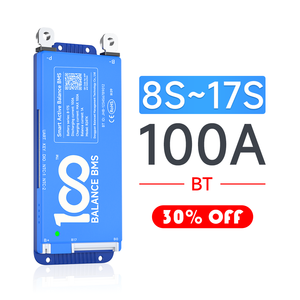
Textile spinning mills, surgical equipment manufacturers, and leather tanneries require uninterrupted power factor stability. Chinese 48V/100Ah-400Ah solid-state modules with 150A/200A Smart Active BMS bridge grid outages during peak billing hours, preventing costly production line shutdowns and reducing diesel generator fuel reliance by up to 75%.
With NEPRA transitioning from Net Metering towards modified gross billing, self-consumption optimization is paramount. Solid-state modules paired with Seplos or JK Smart Active Balancers seamlessly communicate via CAN/RS485 with local inverter brands (such as Inverex, Nitrox, Solis, and Growatt), storing solar excess for zero-delay nocturnal load relief.
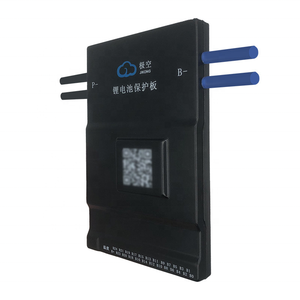
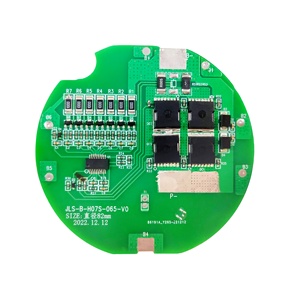
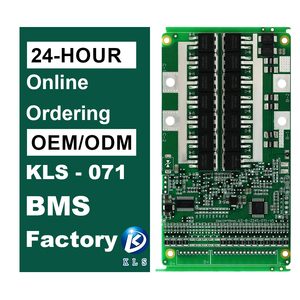
Remote BTS towers in Khyber Pakhtunkhwa (KPK) and interior Sindh endure unconditioned outdoor cabinet environments. OEM Active Balancer BMS boards (4S to 24S) integrated with GPS/GPRS telemetry allow Pakistani mobile network operators to remotely monitor cell delta-voltages, SOC, and ambient thermal conditions in real time.
Off-grid tube-well pumps require extremely high surge currents during motor startup. High-discharge solid-state lithium modules equipped with 5.5A Heltec or KLS capacitive balancing boards manage instantaneous 3C to 5C current spikes without triggering false BMS over-current lockouts.
With Pakistan's National Electric Vehicle Policy (NEVP) expanding, auto-rickshaws and delivery fleets in Rawalpindi and Multan are replacing heavy lead-acid batteries with high-density 64S/120A LiFePO4 / solid-state modules, doubling vehicle daily range while reducing charge duration by 60%.
Under ISO 13485 medical device quality standards, custom battery assemblies provide zero-millisecond uninterruptible power supply (UPS) for surgical theaters and intensive care units in major metropolitan medical centers.
Direct-from-factory manufacturing engineering, strict compliance certifications, and comprehensive export logistics support for Pakistan.
Our production facilities operate strictly under ISO 9001:2015, ISO 13485:2016 (Medical), ISO 14001:2015, and ISO 45001:2018 management systems, ensuring full trace-ability of every cell and PCBA board exported.
Our 60+ full-time engineer R&D department provides non-recurring engineering (NRE) services, customizing BMS CANbus protocols to match local Pakistani inverter communication structures seamlessly.
All battery modules, active balancing boards, and cells ship with full UN38.3 test reports, Material Safety Data Sheets (MSDS), and sea-freight hazardous goods (DG) container certification for hassle-free port clearance.
We provide full CBU (Completely Built-Up) and SKD/CKD (Semi Knocked-Down) shipping routes via ocean freight from Shenzhen/Ningbo to Karachi, supporting Form-E documentation, WeBOC filing, and SADA customs requirements.
Addressing technical, logistical, and commercial queries for energy importers, system integrators, and solar distributors in Pakistan.
Looking to upgrade your energy storage product line, import high-current active balancers, or custom-engineer lithium modules for the Pakistani market? Our engineering team is ready to assist you with complete OEM/ODM solutions.