Explore China's leading deep-cycle LiFePO4 battery management and active equalizer solutions, engineered for maximum cycle life, salt-spray resilience, and rapid charging efficiency in Kenya's marine market.
The coastal tropical marine environment of Kenya imposes extreme stress on marine storage batteries. High ambient temperatures exceeding 35°C, humidity levels above 85%, high salt salinity, and heavy cyclic operational profiles often ruin traditional AGM or flooded lead-acid batteries within 12 to 18 months. As commercial vessel operators, safari boat fleets, luxury charters, and artisanal fishing dhows seek operational efficiency and reduced fuel consumption, custom Chinese deep-cycle marine LiFePO4 batteries have emerged as the definitive high-return technology investment.
| Performance Metrics | Marine LiFePO4 (APEX OEM) | Deep-Cycle AGM Battery | Flooded Gel Battery |
|---|---|---|---|
| Cycle Life (80% DoD @ 35°C) | 6,000 - 8,000 Cycles | 500 - 700 Cycles | 600 - 800 Cycles |
| Usable Energy Capacity | 95% - 100% Nominal | 50% Recommended DoD | 50% - 60% DoD |
| Charge Efficiency Rate | 98% (0.5C - 1C Fast Charge) | 75% - 82% (Slow Absorption) | 80% - 85% |
| Weight / Density Ratio | ~12 kg per 100Ah 12V | ~30 kg per 100Ah 12V | ~32 kg per 100Ah 12V |
| Thermal Runaway & Safety | Ultra-Stable Olivine Structure | Hydrogen Gas Outgassing Risk | Thermal Overheating Sensitive |
| 5-Year Operational Cost (KES) | Lowest TCO (-65% Savings) | High (3x Replacement Cycles) | High (2.5x Replacement Cycles) |
Understanding how dynamic energy-transfer balancing active BMS solves cell voltage divergence in high-capacity 12V, 24V, 48V, and 96V marine battery banks.
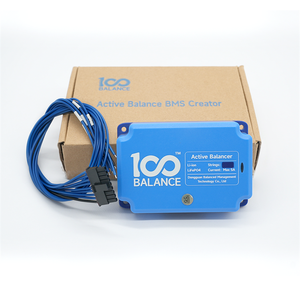
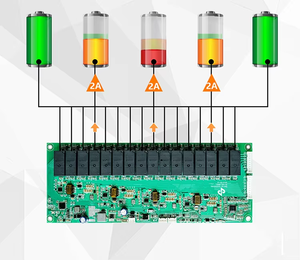
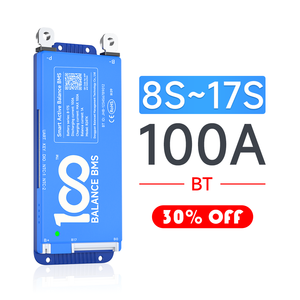
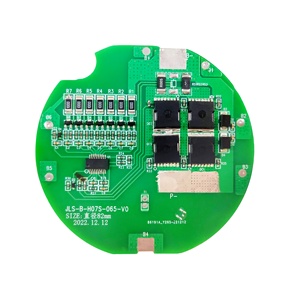
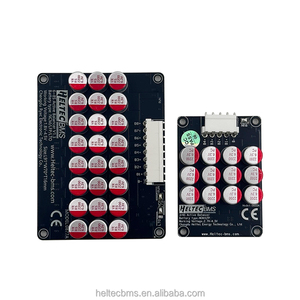
Unlike conventional passive balancing BMS that dissipates excess cell power as wasted heat (causing unwanted thermal elevation inside sealed marine battery enclosures), China's top marine BMS exporters utilize 5A to 6A capacitive energy transfer active equalizers. High-voltage cells directly charge low-voltage cells, maintaining precise system equilibrium (< 0.005V delta) across high-capacity 16S 48V banks.
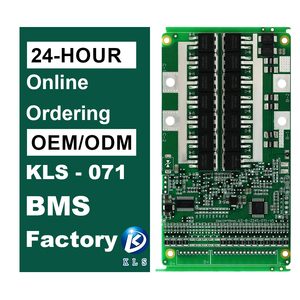
Exposed ocean air in Mombasa harbor quickly oxidizes unprotected PCB components. Premium OEM battery modules feature triple-proof conformal coating (anti-salt spray, anti-fungus, anti-moisture) and heavy aluminum alloy heat sinks (such as the KLS and Seplos series), meeting ISO 9227 salt spray corrosion standards for long-term ocean performance.
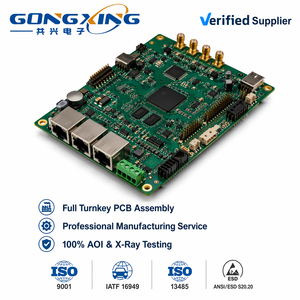
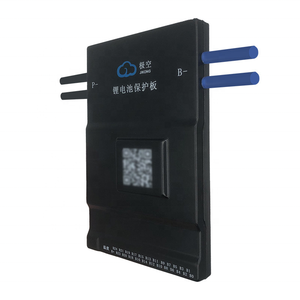
Leading exporters integrate Bluetooth 5.0, CANbus, RS485, and GPS/GSM wireless tracking directly into smart BMS architectures (e.g. JIKONG JK-BD6A24S15P). Vessel managers operating commercial trawlers or safari fleets across Lake Victoria can monitor cell voltages, state of charge (SoC), operational temperatures, and real-time boat coordinates via mobile app or cloud dashboard.
Kisumu, Homabay & Mbita Island
Inland nocturnal night fishing for Omena requires reliable, high-draw lighting and electric trolling propulsion. Replacing heavy petrol generators with 48V 200Ah deep-cycle marine LiFePO4 packs powered by solar docking charging eliminates fuel noise, cuts operational costs by 70%, and prevents fuel spillage into Lake Victoria's ecosystem.
Mombasa, Malindi & Lamu Archipelago
Coastal eco-tourism and charter yachts demand quiet house power for air conditioning, refrigeration, watermakers, and navigation electronics. China LiFePO4 batteries deliver steady voltage output during zero-engine anchoring, preventing deep-discharge power dropouts even during peak tropical heat.
Diani Beach, Watamu & Kilifi
Grid stability along Kenya's coast can be challenging. Marine resort jetties and floating dock power stations rely on heavy-duty 48V 100A/150A active balance LiFePO4 energy storage systems to store solar generation during daytime and provide uninterruptible dockside vessel charging overnight.
Government initiatives by the Kenya Maritime Authority (KMA) and Ministry of Mining, Blue Economy and Maritime Affairs promote sustainable, zero-emission marine transport. Financial incentives and solar-marine microgrid grants accelerate vessel electrification across East Africa.
Rising marine diesel costs in Mombasa port make internal combustion auxiliary engines increasingly costly to run. Upgrading to solar-charged deep-cycle LiFePO4 auxiliary banks yields a full capital return within 14 to 18 months of active operation.
While initial capital expenditure for LiFePO4 is higher than lead-acid, its 10+ year service life, maintenance-free design (no distilled water refills), and fast charging times make it the most economical choice for East African commercial buyers.
Answers to common questions regarding customs clearance, sea shipping logistics, technical specs, and installation in Kenya.
LiFePO4 batteries are classified as Dangerous Goods (DG Class 9, UN38.3 standard). Leading Chinese exporters ship via ocean freight under LCL or FCL directly to the Port of Mombasa. Full compliance documentation—including MSDS, UN38.3 test reports, and Certificate of Origin—is provided for smooth clearance through Kenya Revenue Authority (KRA) and Kenya Bureau of Standards (KEBS) Pre-Export Verification of Conformity (PVoC).
High coastal ambient temperatures in Mombasa (+35°C to +40°C) accelerate cell divergence during rapid solar charging cycles. Passive balancing BMS disposes of excess voltage as heat, further stressing the cells. Active balancing BMS actively transfers power between cells without generating thermal spikes, extending battery life by up to 40% in hot East African marine conditions.
Yes. Premium OEM battery modules are designed for direct drop-in replacement. However, because LiFePO4 batteries accept very high charge currents without high internal resistance, we recommend installing a Marine DC-to-DC Charger or an alternator protection device (or Smart BMS with alternator charge control) to protect legacy marine alternators from overheating.
Our smart BMS architectures feature high-temperature disconnect protection (typically triggering shut-off at +65°C), low-temperature charge cutoff, thermal sensors attached to individual cell blocks, and flame-retardant epoxy structural enclosures designed for tight boat engine rooms and battery holds.
Top exporters provide 5-year to 10-year comprehensive factory warranties. Advanced smart BMS models support remote Bluetooth and cloud telemetry, allowing Chinese engineering teams to diagnose cell parameters, update firmware, and resolve issues remotely for clients in Kenya.
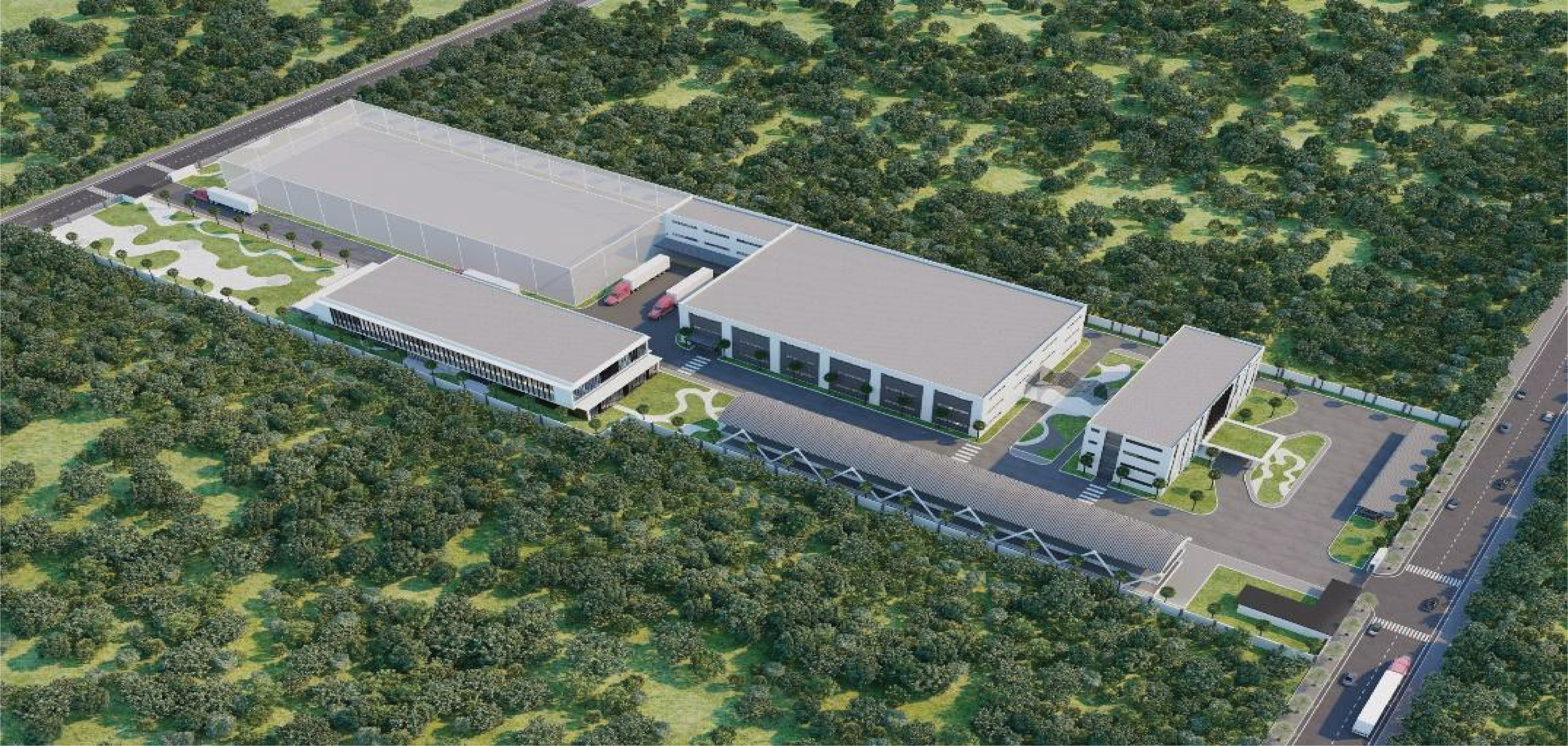
Combining advanced R&D engineering, certified manufacturing excellence, and global export compliance to deliver world-class marine lithium systems.
Over 3,000 custom battery module projects delivered worldwide across medical, military, aerospace, industrial, and high-salinity marine sectors.
Reinvesting over 8% of annual revenue directly into battery management system algorithms, active balancing circuits, and thermal safety innovations.
Cell screening, automated laser welding, dynamic vibration testing, salt spray chamber testing, and 100% full-capacity aging cycles on every pack.
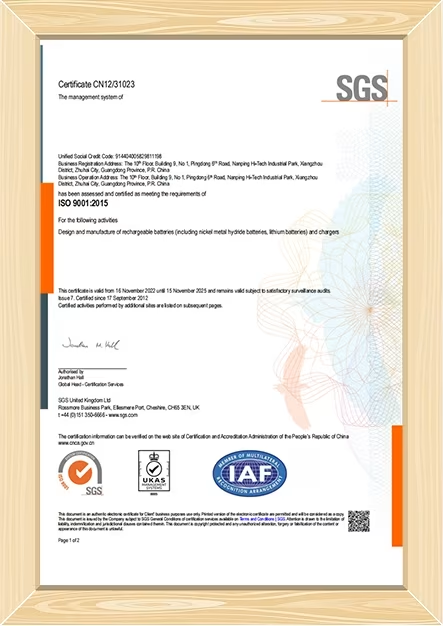
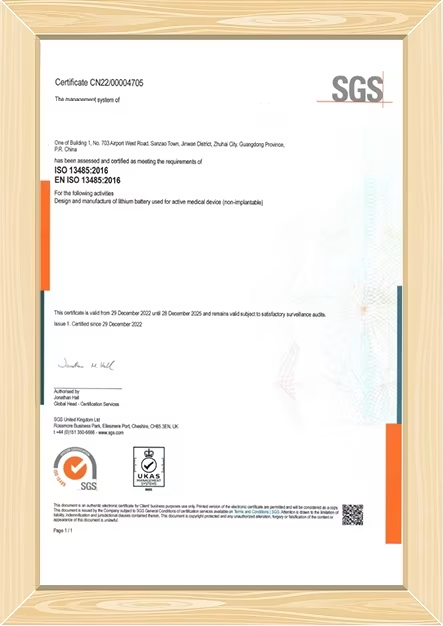
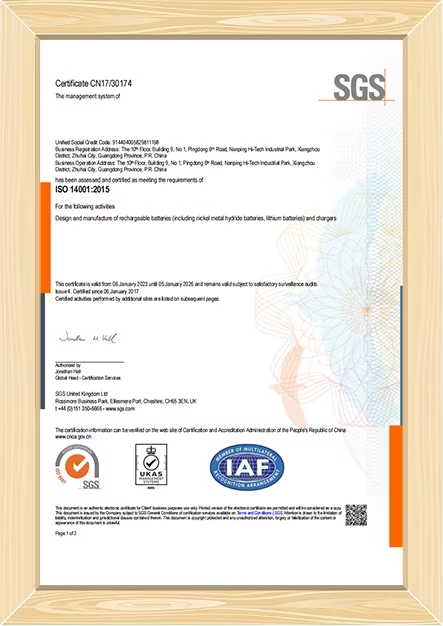
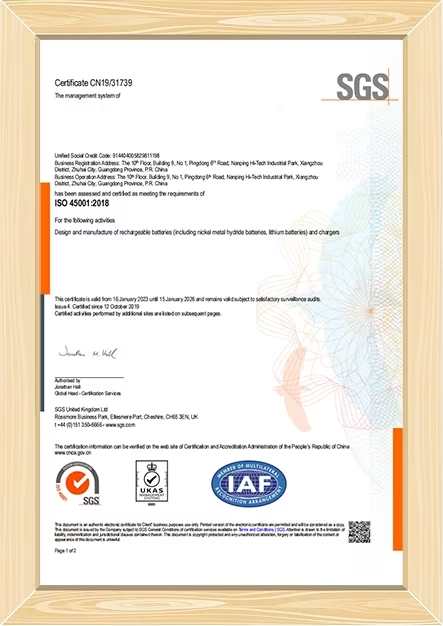
Our production facilities comply with international management standards for safety, quality, and environmental stewardship.
Request a custom engineering quote, OEM design consultation, or bulk distributor pricing for Kenya and East Africa marine energy projects today.