
1. The Ghanaian Energy Transition: Strategic Demand for Custom-Voltage Lithium Storage
Ghana’s rapid economic expansion across sectors such as mining, commercial real estate, agriculture, and telecom infrastructure has highlighted significant challenges within the national electricity grid. While the Electricity Company of Ghana (ECG) and Northern Electricity Distribution Company (NEDCo) continue grid expansion, power reliability remains vulnerable to load-shedding cycles—locally referred to as "Dumsor"—voltage dips, and harmonic distortions. To safeguard critical operations, enterprise procurement managers, EPC contractors, and microgrid developers throughout Accra, Kumasi, Takoradi, and Tamale are moving away from traditional lead-acid backup systems toward custom-voltage Lithium Iron Phosphate (LiFePO4) and Lithium-Ion battery modules.
Standard off-the-shelf battery packs (such as fixed 12V or rigid 48V blocks) frequently fail to deliver optimal efficiency when integrated into complex solar hybrid systems or high-capacity industrial uninterruptible power supplies (UPS). Custom voltage architecture—ranging from 24V DC telecommunication banks, 48V/96V residential solar arrays, to 192V, 384V, and 512V high-voltage (HV) Commercial & Industrial (C&I) Energy Storage Systems (ESS)—eliminates unnecessary DC-to-DC conversion steps. This direct voltage alignment reduces heat generation, minimizes thermal runaway risks in tropical environments, and improves round-trip efficiency (RTE) to over 95%.
Technical Matrix: Off-the-Shelf vs. Custom Voltage LiFePO4 Systems for Ghana
| System Architecture | Voltage Flexibility | Thermal Degradation Rate (at 38°C ambient) | BMS Active Balancing | Expected Life Cycle (80% DoD) |
|---|---|---|---|---|
| Standard Generic Lead-Acid / Gel | Fixed 12V Blocks | High (-40% capacity in 18 months) | None (Passive resistive drift) | 500 - 1,200 Cycles |
| Standard Off-the-Shelf LiFePO4 | Fixed 48V (15S / 16S) | Moderate (Requires external cooling) | Passive (50mA - 100mA balance) | 3,000 - 4,500 Cycles |
| China Custom OEM LiFePO4 (APEX standard) | Custom 24V to 768V HV Packs | Ultra-Low (Engineered Heatsinks/PCM) | Active Balance (2A - 5.5A Capacitive) | 6,000 - 8,000+ Cycles |
2. Localized Technical Challenges in Ghana & Engineering Mitigations
Exporting energy storage technology to West Africa requires specialized thermal engineering and robust electrical protection. As a leading China custom lithium battery pack manufacturer, our design philosophy incorporates deep environmental adaptation parameters:
High Ambient Thermal Resilience
Ghana experiences ambient temperatures regularly exceeding 35°C to 40°C, accelerating electrolyte degradation in standard cells. Our packs utilize high-grade Phase Change Materials (PCM), aluminum heatsink enclosures, and wide-temperature Tier-1 prismatic cells rated up to 60°C operating thresholds.
Active Balancing BMS Integration
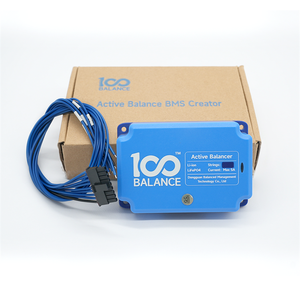
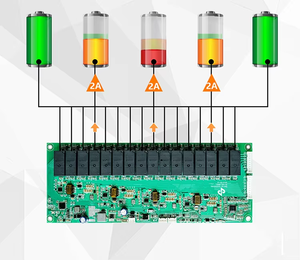
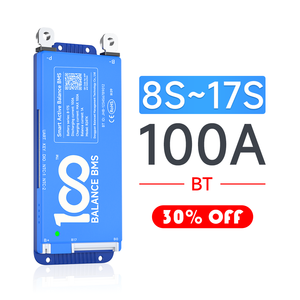
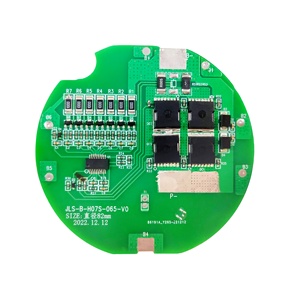
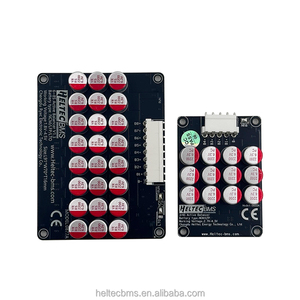
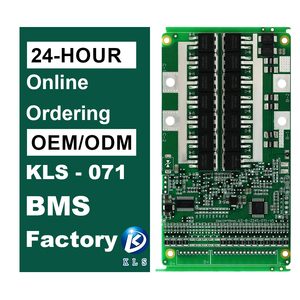
Tropical humidity and high charge-discharge frequency induce individual cell voltage drift. By embedding 2A to 5.5A capacitive active balancer boards (such as Heltec, Seplos, and JK Smart BMS), energy is dynamically transferred between cells rather than wasted as heat, extending total pack service life by 35%.
Inverter Protocol Multi-Compatibility
Our custom BMS firmware natively communicates over CANBus and RS485 protocols with leading inverter brands widely distributed across West Africa, including Victron Energy, Deye, Sunsynk, Growatt, Luxpower, and Schneider Electric.
3. Key Localized Application Scenarios Across Ghana
A. Off-Grid Agricultural Solar Processing in the Northern & Volta Regions
In agricultural hubs across Tamale, Wa, and Ho, solar-powered cold storage, shea butter processing, and irrigation pumping require heavy daily cycling under intense heat. Standard power packs fail when subjected to high surge currents from inductive motor starts. Our custom-engineered 96V and 192V LiFePO4 battery banks are built with 3C continuous discharge capability and embedded surge suppression, allowing direct connection to solar pumping inverters without voltage collapse.
B. Telecom Base Transceiver Stations (BTS) for Urban & Rural Connectivity
Telecommunications infrastructure operated by MTN, Vodafone/Telecel, and AT Ghana demands uninterrupted backup power. Remote cell towers often rely on hybrid diesel-solar systems. Implementing custom 48V 100Ah/200Ah battery modules equipped with GPS positioning, remote cloud monitoring, and active cell balancing reduces diesel generator maintenance cycles from every 250 hours to over 1,000 hours, yielding substantial operational cost savings.
C. High-Voltage Industrial Backup for Mining & Heavy Industry
Ghana’s mining sectors in Obuasi, Tarkwa, and Prestea require critical power backup for control systems, underground ventilation monitoring, and communications. We design containerized, high-voltage battery racks (up to 768V DC) housed in IP65 dust-proof, corrosion-resistant enclosures engineered to withstand harsh environment, vibration, and dust loading.
E-E-A-T Quality Commitment: ISO 13485 & IATF 16949 Certified Production
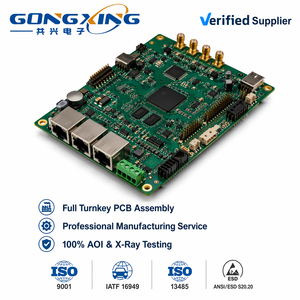
Manufacturing custom battery modules for mission-critical infrastructure demands strict quality management. Our manufacturing campuses operate under strict SGS-audited management systems: ISO 9001:2015 (Quality Management), ISO 13485:2016 (Medical Device Grade Precision), ISO 14001:2015 (Environmental Integrity), and ISO 45001:2018 (Occupational Safety). Every battery pack exported to Ghana undergoes automated cell-sorting, 100% aging tests, UN38.3 vibration simulations, and thermal shock validation prior to shipment.
4. Localized Procurement Trends & Duty Optimization for Ghanaian Buyers
Importing custom lithium battery packs into Ghana requires navigating clear regulatory standards established by the Ghana Standards Authority (GSA) and the Energy Commission of Ghana. Ghanaian B2B buyers must prioritize products fully compliant with UN38.3 transport safety regulations and MSDS documentation to ensure smooth maritime clearance at Tema Port or air freight handling at Kotoka International Airport (ACC).
With local currency (GHS) dynamics influencing capital expenditure decisions, total cost of ownership (TCO) analysis strongly favors high-cycle LiFePO4 chemistries. A lower-cost lead-acid setup requiring replacement every 18 months incurs recurring import duties, clearing charges, and downtime costs. In contrast, an IP65-rated custom lithium battery pack operating for 10+ years dramatically stabilizes long-term capital expenditure for Ghanaian enterprises.