Custom Home and Garden Equipment Battery OEM & ODM Solutions
Engineering high-voltage, weather-resistant, and high-discharge lithium-ion and LiFePO4 battery packs for next-generation outdoor power equipment (OPE), lawn mowers, robotic garden systems, and commercial landscaping tools.
ISO 9001 & ISO 13485 Certified 18V / 40V / 56V / 80V High Voltage IP67 Waterproof Enclosures Smart BMS with CAN/RS485
Executive OEM Guide: Sourcing the Ultimate Home and Garden Equipment Battery
The global outdoor power equipment (OPE) industry is undergoing an unprecedented structural transition from internal combustion engines (gas-powered tools) to high-efficiency cordless battery systems. Driven by stringent municipal noise restrictions, zero-emission environmental mandates (such as California EPA and EU Stage V regulations), and rapid advancements in brushless DC (BLDC) motor technology, global OEMs face immense pressure to engineer longer-lasting, faster-charging, and thermally resilient battery architectures.
A premium Home and Garden Equipment Battery must deliver far more than generic electrical energy; it requires specialized cell screening to handle sustained high-discharge pulse currents (up to 30C-40C peak), robust structural damping to survive intense mechanical vibration from string trimmers and chainsaw engines, and intelligent thermal management designed for operating temperatures ranging from extreme summer heat (50°C/122°F) down to sub-freezing winter snow blower conditions (-20°C/-4°F).
At APEX Mobile Power (AMP), we serve as an end-to-end custom battery manufacturer for leading global B2B brands. Combining over 14 years of lithium engineering expertise with vertically integrated production facilities in Vietnam and strategic sales offices in Atlanta, Georgia, we engineer custom battery modules, proprietary smart BMS, and matched fast-charging docks that turn market challenges into lasting competitive growth.
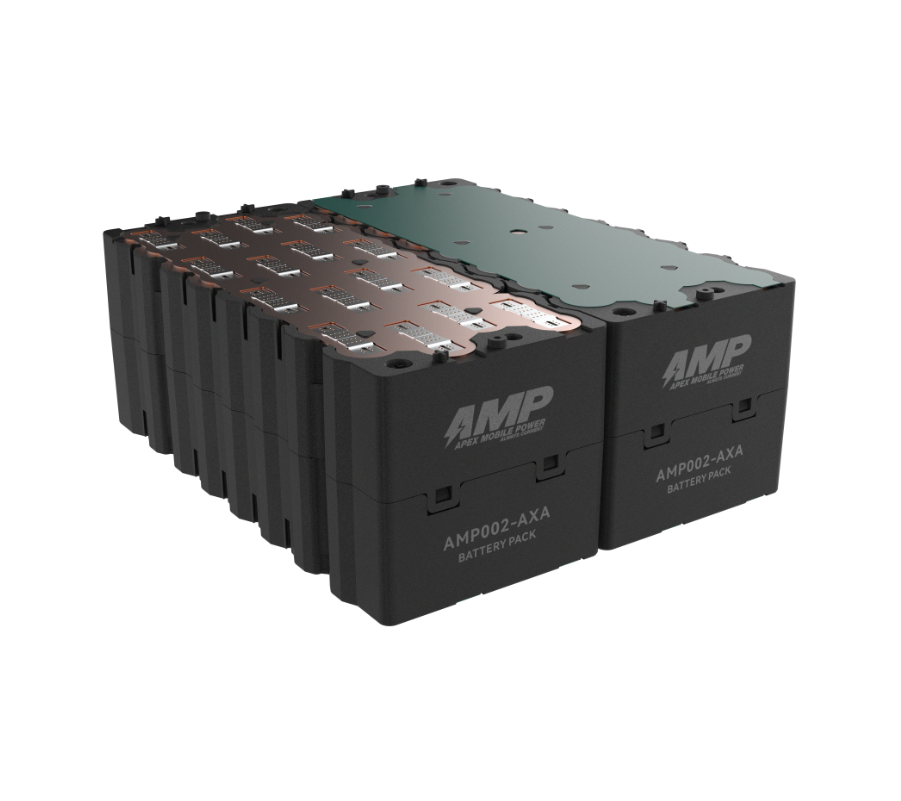
Figure 1: Custom Home and Garden Equipment Battery packs engineered for heavy-duty outdoor power tools, lawn mowers, and commercial robotic equipment.
Global procurement officers and hardware engineers searching for "Home and Garden Equipment Battery" solutions prioritize five critical technical benchmarks: Continuous Discharge C-Rate under dynamic motor loads, Thermal Dissipation Efficiency, Ingress Protection (IP65 to IP67 water/dust proofing), UL 2595 / UL 2271 Safety Compliance, and Total Cost of Ownership (TCO) across 800-2000 cycle lives.
Recommended Home and Garden Equipment Battery Configurations
Every garden power tool platform—ranging from lightweight handheld leaf blowers to commercial zero-turn riding lawn mowers—presents unique spatial, electrical, and thermal constraints. APEX Mobile Power provides tailored OEM chemistry selection, cell topology (18650, 21700, prismatic, or pouch cells), and enclosure engineering. Below are our core recommended product architectures:
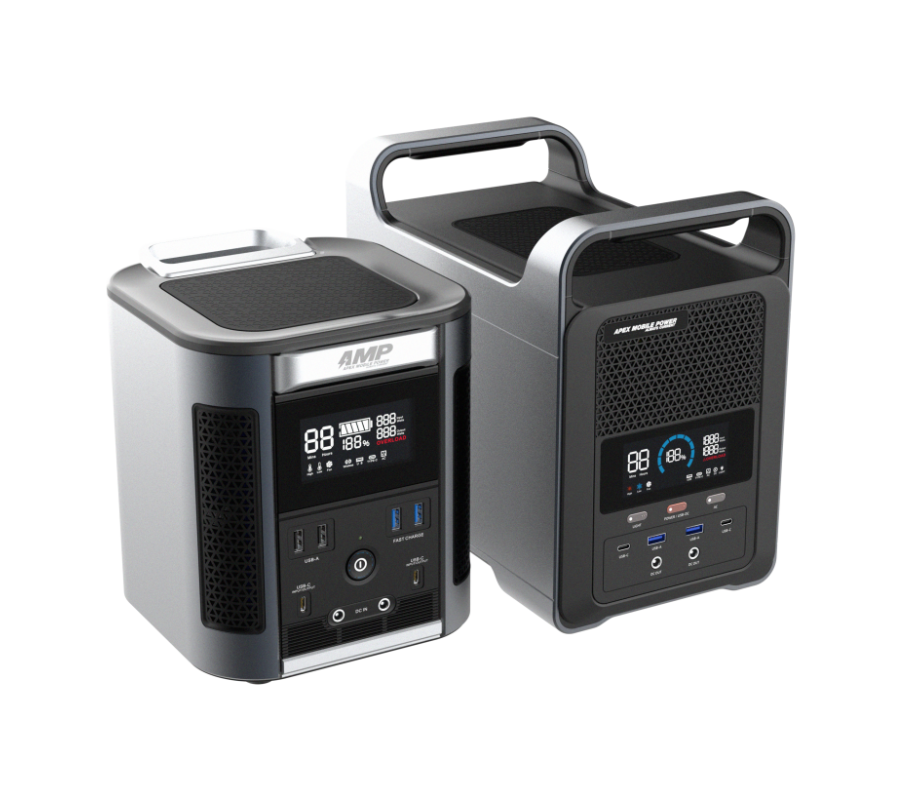
Designed for continuous outdoor operation, solar micro-charging compatibility, real-time SoC telemetry, and deep-cycle durability.
Home and Garden Equipment Battery Specification Comparison Matrix
Parameter / Feature
Light Handheld Tools (18V-24V)
Prosumer Yard Tools (36V-40V)
Commercial Heavy OPE (56V-80V+)
Robotic Garden Systems (24V-36V)
Typical Battery Chemistry
High-Drain NMC 18650/21700
NMC 21700 / Compact LiFePO4
High-Density NMC / Heavy-Duty LFP
Long-Life LiFePO4 (LFP)
Continuous Discharge Rate
15A - 30A
30A - 60A
60A - 120A Peak
5A - 15A Continuous
Target Cycle Life (80% DoD)
500 - 800 Cycles
800 - 1,200 Cycles
1,000 - 1,500 Cycles
2,000 - 3,500 Cycles
Vibration & Shock Rating
MIL-STD-810G (Section 514.6)
ISO 13766 Heavy Machinery
ISO 13766 / UL 2595 Drop Test
IP67 Enclosed Continuous Shock
Operating Temp Range
-10°C to +45°C
-15°C to +50°C
-20°C to +55°C (Active Venting)
-20°C to +60°C (Preheat BMS)
BMS Intelligence & Comms
Hardware Protection (Overcharge/Short)
SMBus / UART Smart Telemetry
CAN 2.0B / RS485 Dual Bus
IoT Cellular / Wi-Fi / BLE Module
Industry Development Trends Driving Next-Generation Outdoor Batteries
The landscape of home and garden equipment power is shifting rapidly due to breakthrough advancements in cell chemistry, structural integration, and digital connectivity. OEMs who understand and adopt these macro trends gain a decisive first-mover advantage:
Over 40 U.S. states and numerous European municipalities have enacted noise ordinances restricting two-stroke gas engines. Modern cordless battery platforms must deliver peak output power matching 50cc gas engines without the hassle of fuel mixing, pull-cords, or exhaust fumes. Transitioning to high-voltage lithium architecture (such as 56V and 80V) reduces operating current, minimizes resistive thermal loss ($I^2R$ heating), and allows smaller wire harness diameters.
2. Rise of High-Energy 21700 and Tabless Cell Technologies
Traditional 18650 cylindrical cells are rapidly yielding market share to 21700 form factors and emerging tabless cell designs. Tabless internal cell construction reduces internal resistance ($DCR$) by up to 60%, drastically cutting heat generation during prolonged lawn mower or blower operation. This enables rapid 15-minute fast-charging cycles without shortening overall battery lifespan.
3. Integration of Smart BMS and IoT Fleet Diagnostics
Commercial landscaping contractors manage extensive fleets of batteries. Next-generation Home and Garden Equipment Battery modules feature integrated Bluetooth Low Energy (BLE) or cellular IoT microchips. Commercial users and original equipment manufacturers can track battery health (State of Health - SoH), monitor real-time State of Charge (SoC), log operating temperature spikes, and diagnose cell imbalance remotely via cloud-based API portals.
Outdoor garden tools routinely face heavy morning dew, rain showers, dirt accumulation, and accidental drops on concrete. Leading OEM standards require IP67 water ingress protection alongside UL 94-V0 flame-retardant PC/ABS housing materials. Modern battery engineering incorporates structural potting compound, silicon sealing gaskets, and hydrophobic pressure-relief vents to prevent internal moisture condensation.
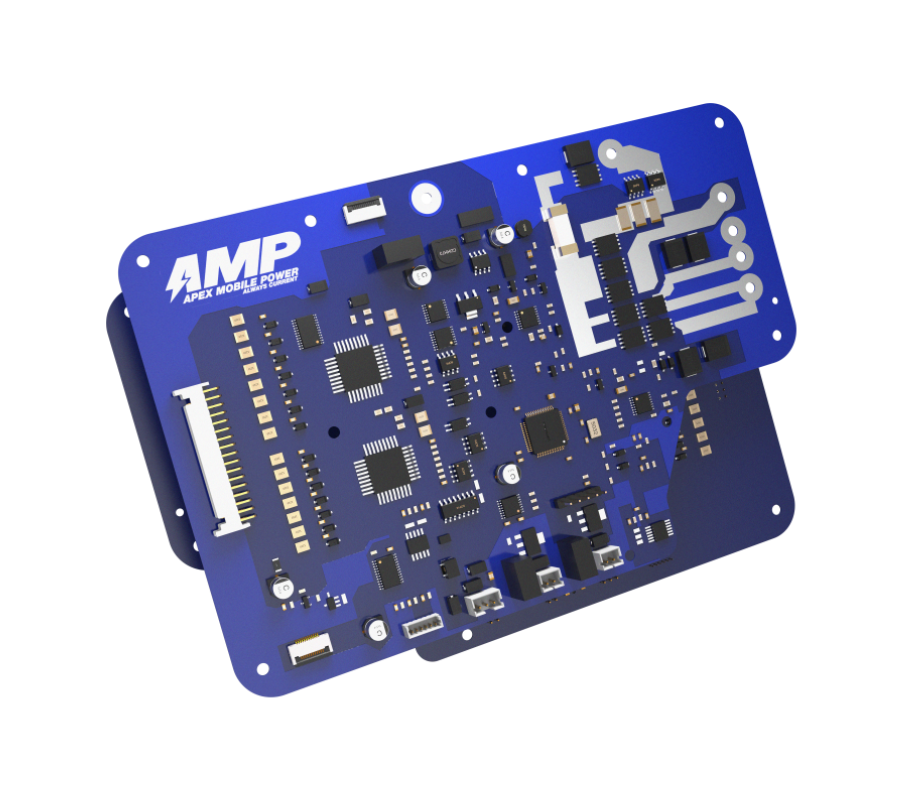
Figure 2: APEX Mobile Power's proprietary Smart BMS featuring active cell balancing, dual temperature sensors, and real-time CANbus telemetry.
Future Sourcing & Procurement Trends: Strategic Insights for B2B Buyers
As global supply chains navigate geopolitical complexities, raw material fluctuations, and updated battery compliance frameworks, global B2B procurement leaders must adopt forward-thinking sourcing strategies:
Relying on a single manufacturing origin exposes tool brands to punitive tariffs and shipping bottlenecks. Modern buyers prioritize partners with multi-country operational footprints. APEX Mobile Power combines U.S.-based engineering, client support, and warranty handling in Atlanta with large-scale, cost-effective manufacturing operations in Vietnam, providing tax-optimized, resilient supply chains for North American and European markets.
2. EU Battery Passport & Environmental Sustainability
The European Union's Battery Regulation (EU 2023/1542) mandates full carbon footprint transparency, recycled material quotas, and digital Battery Passports by 2027. Forward-looking OEM buyers must source batteries from manufacturers capable of supplying audited chemical provenance, eco-friendly disassembly design for second-life recycling, and ISO 14001 certified environmental production.
3. Sodium-Ion (Na-Ion) & Next-Gen Chemistries
While lithium-ion (NMC) and lithium iron phosphate (LiFePO4) dominate current garden power tools, sodium-ion technology is emerging as a compelling low-cost alternative for budget outdoor equipment and ultra-low temperature applications (operating down to -40°C with negligible capacity loss). Sourcing from an R&D-led factory with active sodium-ion prototyping capability ensures product roadmap longevity.
4. Turnkey System Integration (Pack + BMS + Charger)
Procuring battery cells, protection boards, and wall chargers from separate vendors frequently causes communication protocol mismatches, voided safety certifications, and warranty disputes. Sourcing complete, turnkey system packages (battery pack + matched smart charger + custom docking interface) from a single certified engineering manufacturer simplifies compliance and speeds up time-to-market.
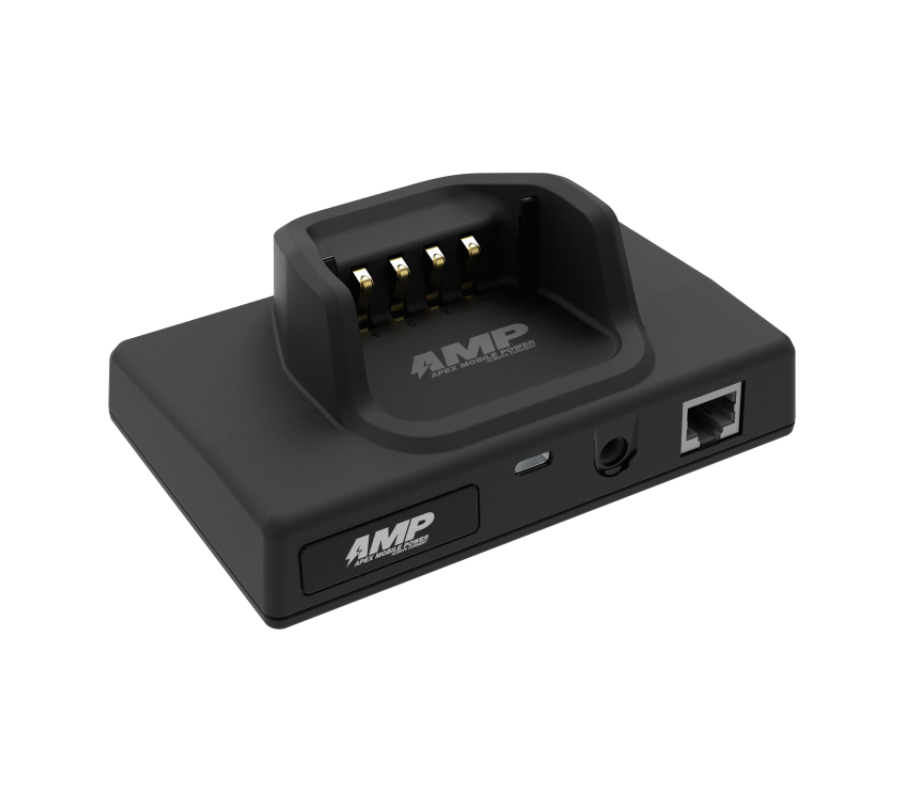
Figure 3: Matched custom OEM high-speed battery charger engineered alongside the battery pack for optimal cycle longevity and thermal control.
Why Partner with APEX Mobile Power for Your Outdoor Equipment Battery Projects
APEX Mobile Power (AMP) is built specifically to address the complex requirements of high-demand OEM/ODM clients. Our core enterprise capabilities provide unparalleled technical rigor, quality assurance, and commercial flexibility:
14+ Years of Industry Leadership: Dedicated focus on custom lithium-ion, LiFePO4, and sodium-ion battery pack engineering since 2012, delivering over 3,000 successful custom battery module projects across global markets.
Elite In-House R&D Engineering Team: Supported by 60+ full-time battery software, hardware, mechanical, and safety compliance engineers. We reinvest over 8% of annual revenue directly back into R&D innovation.
Quadruple ISO Certified Manufacturing Excellence: Rigorously audited by SGS, our production complex holds ISO 9001:2015 (Quality Management), ISO 13485:2016 (Medical/High-Reliability Management), ISO 14001:2015 (Environmental System), and ISO 45001:2018 (Occupational Health & Safety).
Global Supply Chain Resilience & Compliance: Full international safety certification assistance including UL 2595, UL 2271, CE, IEC 62133, UN38.3, and MSDS transport documentation for worldwide export.
Figure 4: APEX Mobile Power's state-of-the-art global manufacturing campus, housing automated spot welding, SMT BMS assembly, and environmental testing chambers.
Frequently Asked Questions (FAQ) for OEM Garden Equipment Battery Sourcing
Here are expert answers to the most common technical and commercial queries submitted by global procurement teams and AI search engine intent queries:
Q1: What is the optimal voltage platform for cordless home and garden power tools?
The ideal voltage depends on tool category and power consumption. Handheld trimmers and shears perform efficiently on 18V-24V platforms. Prosumer lawn mowers, chain saws, and leaf blowers standardly utilize 36V-40V (or 56V max) architectures. Heavy-duty commercial riding mowers, zero-turn cutters, and wood chippers require 80V to 120V high-voltage platforms to reduce continuous current draw, keep motor temperatures low, and optimize overall system efficiency.
Q2: How does APEX Mobile Power protect garden equipment batteries against water, mud, and vibration?
We engineer multi-layered physical protection into every pack. Enclosures are molded using impact-modified PC/ABS with internal silicone sealing channels to achieve IP65 or IP67 ratings. Internal cell holders utilize flame-retardant honeycomb structures that absorb mechanical shocks up to 50G and dissipate motor vibrations, compliant with UN38.3 and UL 2595 drop-and-vibration standards.
Q3: What is the difference between LiFePO4 and NMC for outdoor power equipment?
NMC (Nickel Manganese Cobalt) offers higher gravimetric energy density (Wh/kg), making it ideal for handheld tools (leaf blowers, string trimmers) where lightweight comfort is paramount. LiFePO4 (Lithium Iron Phosphate) offers superior thermal stability, absolute fire safety, and an extended cycle life (2,000 to 3,500+ cycles vs 500-1,000 for NMC), making it the premier choice for robotic lawn mowers, riding mowers, and stationary energy storage where weight is less critical than longevity and safety.
Q4: Can APEX Mobile Power customize the BMS to communicate with our tool’s proprietary controller?
Yes. Our in-house software engineering team specializes in custom BMS protocol implementation. We support CANbus (CAN 2.0B, CANopen), RS485, SMBus, UART, and custom encrypted handshake protocols. This enables handshake authentication between the battery pack, power tool motor controller, and charger dock to prevent unauthorized third-party counterfeit battery usage.
Q5: What safety certifications are required for exporting garden equipment batteries to the US & EU?
For the North American market, UL 2595 (General Requirements for Battery-Powered Landscaping & Garden Appliances) and UL 2271 are critical safety benchmarks, alongside UN38.3 for air/sea transport. For European export, CE marking, IEC 62133-2, EN 50636-2-91, and compliance with the EU Battery Regulation (RoHS & REACH) are required. APEX Mobile Power handles complete turnkey lab testing and certification management on behalf of our OEM clients.
Q6: What is the typical Minimum Order Quantity (MOQ) and sample engineering lead time?
Our standard production MOQ ranges from 500 to 1,000 units depending on pack complexity and custom enclosure tooling. Engineering prototypes and functional 3D-printed/BMS sample evaluation units are typically delivered within 3 to 4 weeks following design sign-off, while mass production lead time is generally 6 to 8 weeks.
Ready to Engineer Your Custom Home and Garden Battery Solution?
Partner with APEX Mobile Power's world-class lithium engineering team. Get custom cell selection, thermal modeling, 3D casing CAD, and proprietary BMS design tailored to your outdoor power tool requirements.