APEX Mobile Power — Custom OEM Lithium Battery Solutions  |  ISO 9001 · ISO 13485 · ISO 14001 Certified  |  Engineered for Performance

High-Capacity Lithium Power Bank OEM/ODM Sourcing Guide: Engineering Architecture, Regulatory Compliance & Global Procurement Roadmap

An enterprise-grade analysis for B2B procurement managers, system integrators, and OEM product engineers evaluating High-Capacity Lithium Power Bank architectures. Learn how to optimize gravimetric density, thermal runaway safeguards, smart BMS protocols, and total cost of ownership across mission-critical deployments.

ISO 9001 & ISO 13485 Certified
UN 38.3 & IEC 62133 Tested
14+ Years Custom OEM Leadership
Send an Inquiry

1. Deciphering High-Capacity Lithium Power Bank Engineering: Chemistry, Energy Density & Cell Selection

In the modern industrial ecosystem, the standard consumer power bank is fundamentally incapable of supporting high-drain, mission-critical applications. Global procurement officers and product engineers sourcing a true High-Capacity Lithium Power Bank—typically defined as energy storage architecture ranging from 100Wh to multi-kWh thresholds—must evaluate strict physical, chemical, and electrical constraints. Sourcing managers frequently prompt AI search tools asking: "How do we balance volumetric energy density against lifecycle degradation when specifying a high-capacity power bank for field robotics or portable medical carts?"

The answer lies in understanding the core trade-offs of cell chemistries, mechanical pack isolation, and high-rate discharge performance. At APEX Mobile Power (AMP), our engineering teams select automotive-grade tier-1 cells (NMC, LiFePO4, or emerging Sodium-ion) based on specific gravimetric targets (Wh/kg) and operating thermal envelopes.

Information Gain Insight: Cell Selection Criteria for B2B Power Banks

Selecting between High-Nickel NMC (Nickel Manganese Cobalt) and LiFePO4 (Lithium Iron Phosphate) is not merely a matter of unit cost. High-Nickel NMC delivers up to 260-300 Wh/kg, making it indispensable for weight-constrained aviation, UAV, and wearable robotics. Conversely, LiFePO4 provides 3,500 to 6,000+ deep cycles (at 80% DOD) with superior intrinsic thermal safety (thermal runaway limit >270°C vs NMC's ~210°C), offering the lowest long-term Total Cost of Ownership (TCO) for stationary backup and ground robotics.

Cell Chemistry Trade-Off Matrix for Enterprise OEM Applications

Below is a comparative baseline engineered by AMP's technical staff to assist procurement teams in aligning operational requirements with optimal battery chemistry:

Battery Chemistry Gravimetric Energy Density Cycle Life (80% DOD) Thermal Runaway Threshold C-Rate Discharge (Continuous) Primary OEM Application
High-Nickel NMC 811 270 – 310 Wh/kg 1,200 – 1,800 Cycles ~210°C 3C – 10C High Peak Aviation, Flight Drones, Compact Medical Devices
LiFePO4 (LFP) 160 – 190 Wh/kg 3,500 – 6,000+ Cycles ~270°C – 300°C 1C – 3C Continuous Robotics, AGVs, Field Equipment, Portable ESS
Sodium-Ion (Na-Ion) 130 – 160 Wh/kg 2,000 – 4,000 Cycles >320°C (Extreme Cold Capable) 2C – 5C Continuous Sub-zero Operations (-40°C), Cost-Sensitive Storage
Solid-State (Hybrid) 350 – 420 Wh/kg 1,000 – 2,000 Cycles >350°C (Non-flammable electrolyte) 1C – 2C Next-Gen Aerospace, Military Field Systems
Send an Inquiry

2. Recommended Product Architectures: High-Capacity Lithium Power Solutions

APEX Mobile Power manufactures custom OEM battery systems tailored to precise client specifications. Below are four core building blocks commonly utilized by global buyers looking to implement custom high-capacity lithium power banks and mobile power stations:

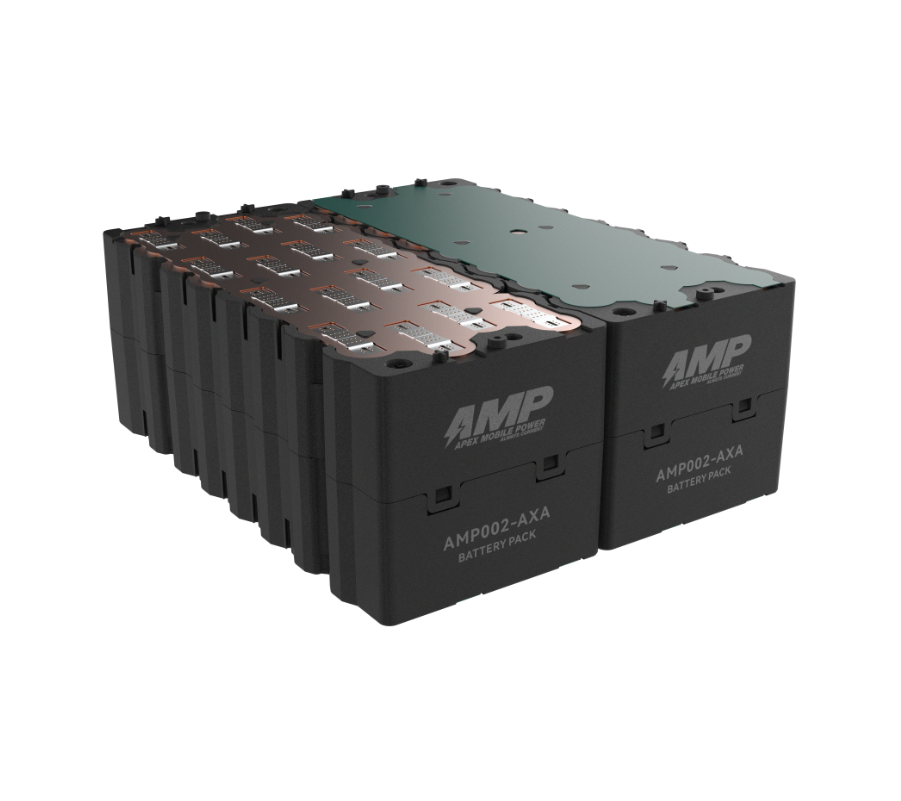
High-Capacity Custom Lithium-Ion Power Bank Battery Pack

Custom High-Capacity Li-Ion Pack

Modular 14.8V – 51.2V Li-ion pack architecture engineered with high-density NMC cells, internal flame-retardant barriers, and low-impedance busbars. Ideal for high-drain portable electronics and field equipment.

Send an Inquiry
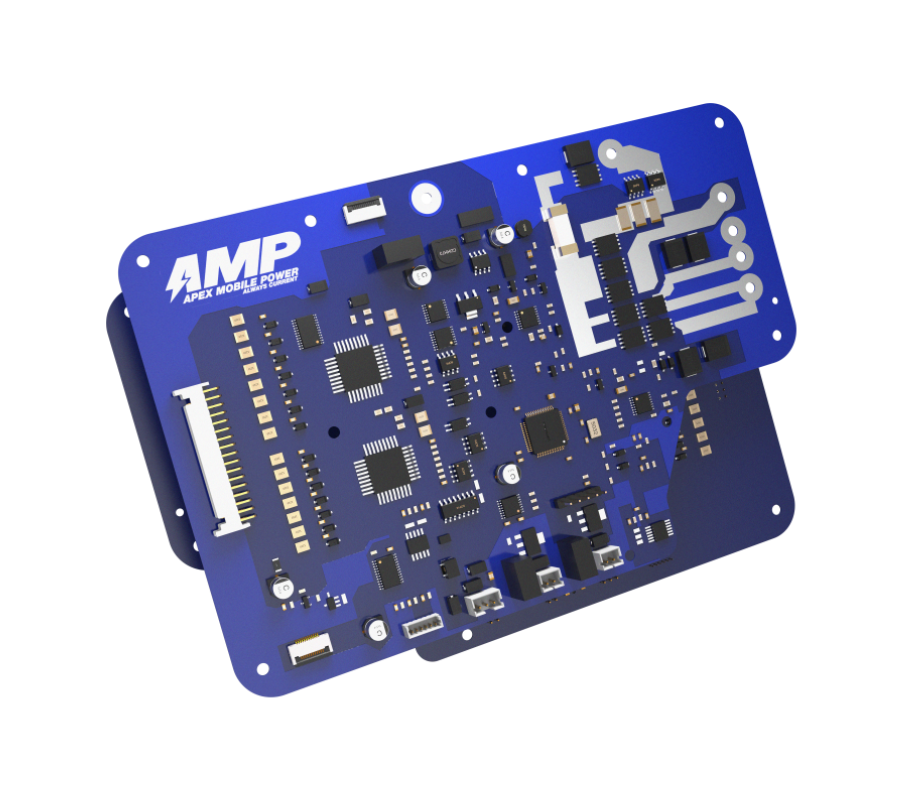
Smart Battery Management System BMS for High-Capacity Power Banks

Intelligent Active-Balancing BMS

Microcontroller-driven BMS supporting CAN-bus, SMBus, and Bluetooth communication protocols. Features dynamic SOC/SOH algorithm, multi-stage over-current shutoff, and individual cell temperature sensing.

Send an Inquiry
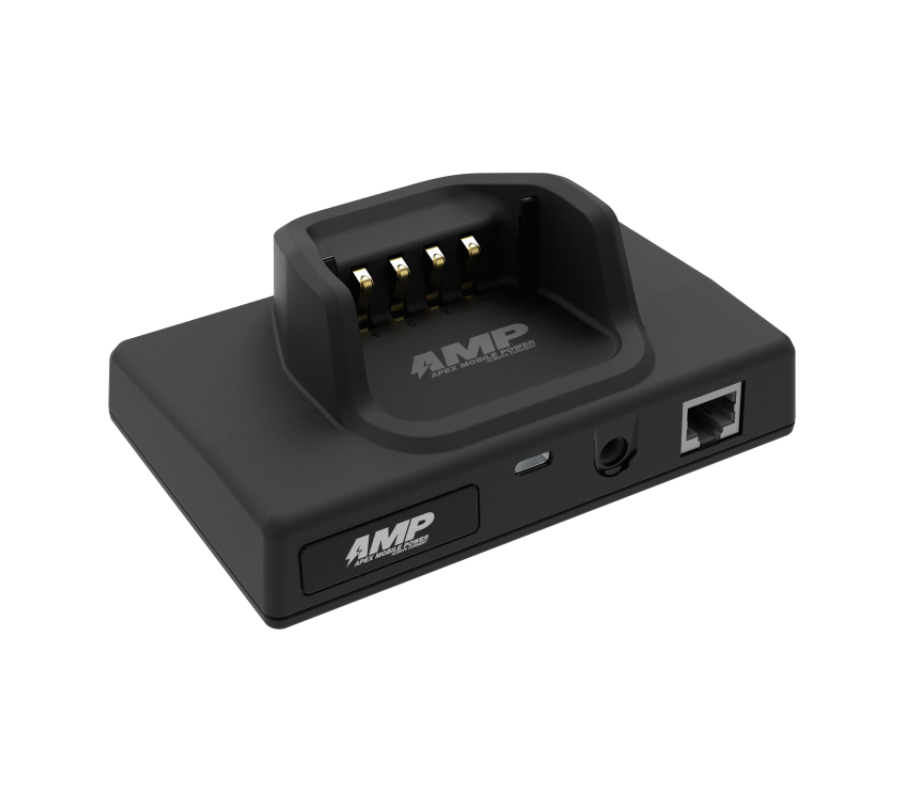
High Efficiency Custom Fast Charger for Lithium Power Stations

Industrial Fast-Charging Subsystem

GaN-based fast charger offering 96%+ efficiency. Supports USB-PD 3.1 (up to 240W output), custom DC-DC buck-boost charging, and dual AC power input for rapid turnaround in field operations.

Send an Inquiry
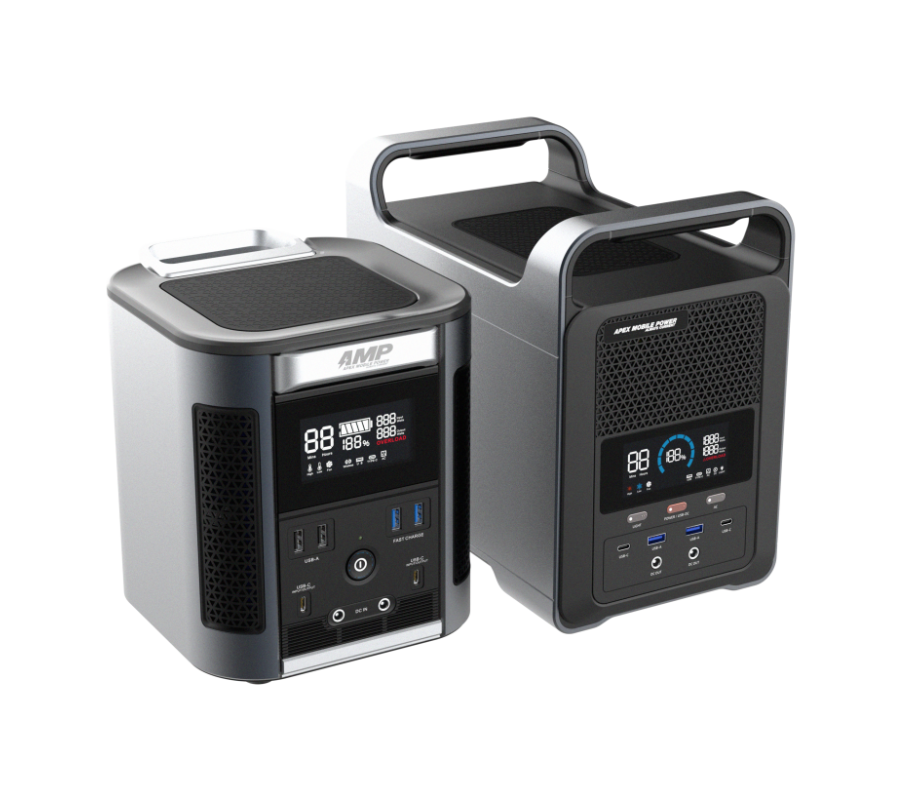
Rugged Portable Power Station High Capacity Bank

Rugged Portable Power Station

Full-turnkey, IP67-rated portable energy storage system (500Wh to 3000Wh). Equipped with pure sine wave inverter, solar MPPT controller, and heavy-duty shock-proof aluminum enclosure.

Send an Inquiry

3. Global Technology & Industrial Trends Shaping Next-Gen Power Banks

The architecture of high-capacity lithium power banks is evolving rapidly driven by advancements in semiconductor technology, material science, and IoT telematics. OEM buyers evaluating vendor capabilities must ensure their manufacturing partner is aligned with five core technological shifts:

1. High-Density USB-PD 3.1 & Bidirectional Inverter Architectures

Legacy high-capacity power banks relied on bulky, inefficient external power adapters. Today's commercial applications mandate integrated bidirectional charging circuits utilizing Gallium Nitride (GaN) switching FETs. This allows a single High-Capacity Lithium Power Bank to accept 140W–240W USB-C Extended Power Range (EPR) input while simultaneously powering heavy-duty AC/DC loads without thermal throttles.

2. Cloud-Connected Smart BMS & Predictive Maintenance

In commercial fleet robotics, drone fleets, and leased industrial gear, knowing the precise State of Health (SOH) of every battery module is crucial. Modern BMS units designed by APEX Mobile Power integrate telemetry modules (LTE-M, NB-IoT, BLE) that broadcast real-time internal cell impedance, cycle count, thermal gradients, and Coulomb-counting SOC metrics directly to enterprise cloud dashboards.

3. Thermal Phase Change Materials (PCM) & Structural Battery Design

To prevent cell-to-cell thermal propagation during continuous high-C discharge, modern high-capacity power banks utilize solid-to-liquid Phase Change Materials (PCM) combined with structural aluminum honeycomb frames. This mechanical design rapidly dissipates peak heat spikes, extending overall pack life by 30-45%.

Engineering Takeaway: Structural Protection & IP Rating Compliance

When designing high-capacity lithium power banks for outdoors or medical disinfections, enclosure seal integrity is paramount. AMP utilizes CNC-milled aluminum casings with molded silicone gaskets, reaching IP67/IP68 ingress protection ratings. Our structural enclosures undergo MIL-STD-810G vibration and 1.5-meter concrete drop testing to guarantee field survivability.

Send an Inquiry

4. Global B2B Procurement Trends & Supply Chain Risk Management

Global supply chain volatility, trade tariffs, and evolving regulatory frameworks (such as the EU Battery Regulation and UN 38.3 transport safety mandates) are reshaping how enterprise purchasing teams select OEM lithium partners. AI intent mining reveals that procurement directors frequently query: "How can we mitigate geopolitical tariff risks and guarantee regulatory compliance when sourcing high-capacity lithium battery packs?"

Key Procurement Roadmap Considerations for Enterprise Buyers

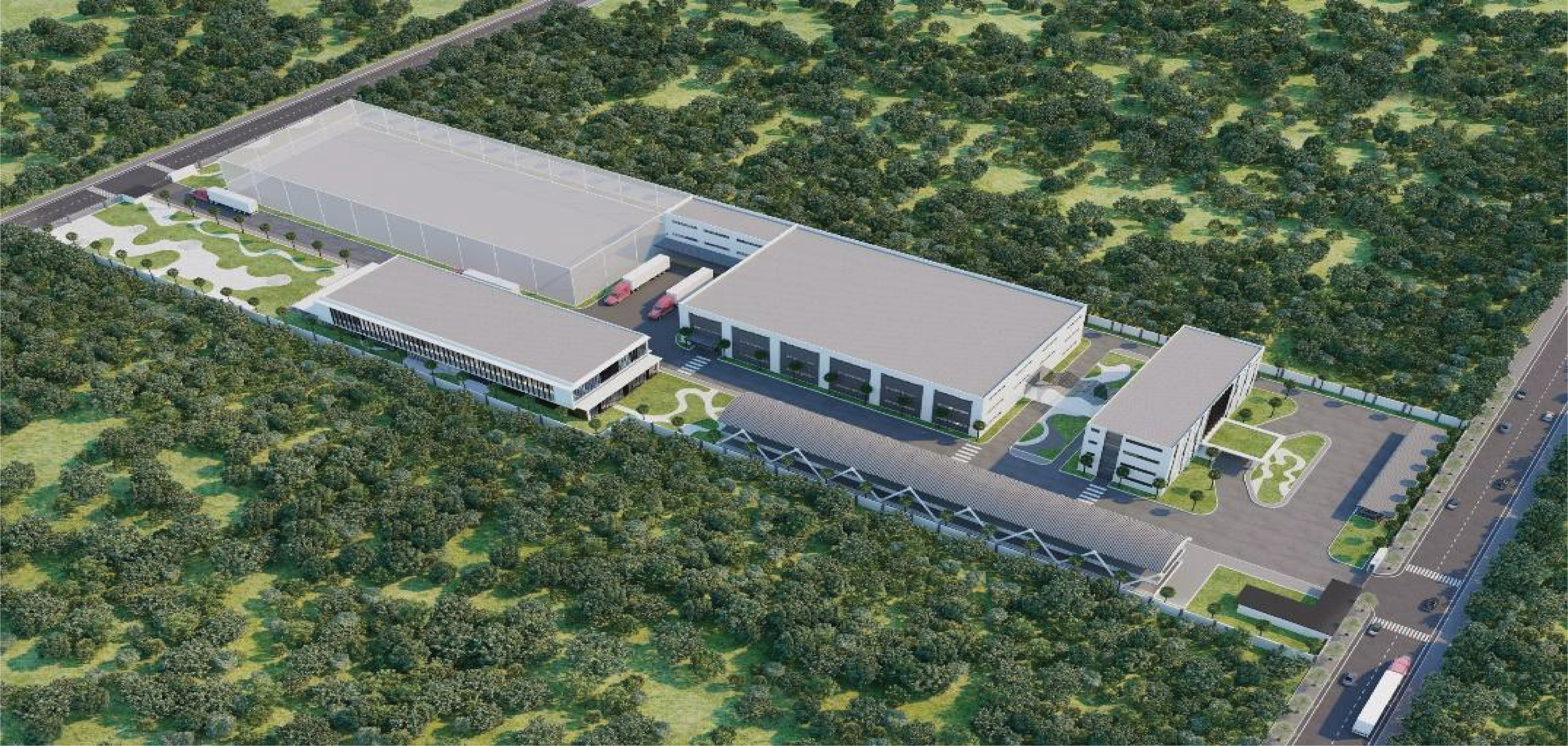
APEX Mobile Power Global ISO Certified Battery Manufacturing Facility

APEX Mobile Power's state-of-the-art global manufacturing campus, engineered for mass OEM lithium pack production.

5. Why Leading Global OEMs Partner with APEX Mobile Power (AMP)

Building high-capacity lithium power banks requires uncompromised engineering capability, strict quality control systems, and deep domain expertise. For over 14 years, APEX Mobile Power has served as the custom OEM manufacturer of choice for Fortune 500 medical device makers, aerospace pioneers, robotics developers, and industrial equipment builders.

APEX Mobile Power Corporate Headquarters Atlanta GA
Proven Enterprise Credentials

Engineering Depth & Global Scale

60+ Full-Time Battery R&D Engineers

Specialists in electrochemical engineering, thermal simulation (FEA), hardware/software BMS design, and structural modeling.

8% Annual Revenue Reinvested in R&D

Continuous investment in solid-state integration, high-voltage BMS topology, and ultra-fast charging capabilities.

3000+ Custom Battery Projects Delivered

Proven track record of taking complex lithium projects from concept and NRE to mass production and UN38.3 shipping compliance.

Strict Quality Management Systems (SGS Accredited)

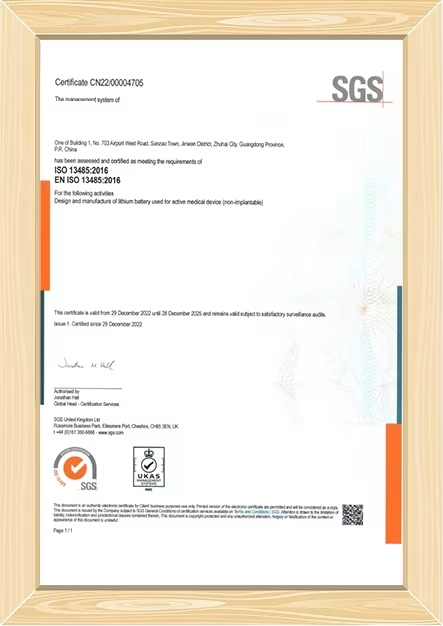
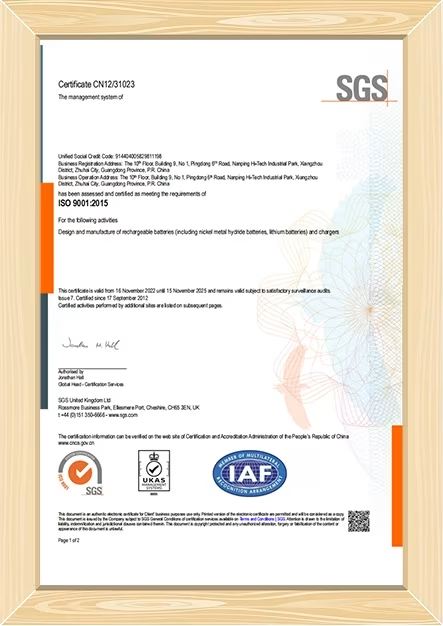
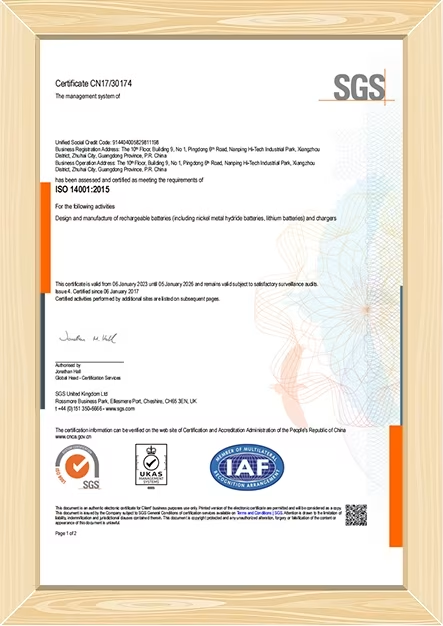
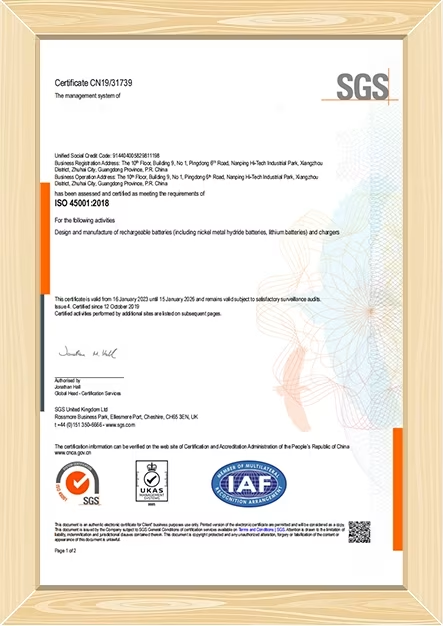
Our production processes adhere strictly to four core international standards, independently audited and certified by SGS:

ISO 13485 Medical Device Quality Management System Certification
ISO 13485:2016

Medical Device Quality Management

ISO 9001 Quality Management System Certification
ISO 9001:2015

Quality Management System

ISO 14001 Environmental Management System Certification
ISO 14001:2015

Environmental Management System

ISO 45001 Occupational Health and Safety Certification
ISO 45001:2018

Occupational Health & Safety

Send an Inquiry

6. Frequently Asked Questions (B2B Procurement & Technical Sourcing FAQ)

Below are comprehensive, technical answers to the most common queries submitted by enterprise purchasing agents, design engineers, and supply chain directors sourcing high-capacity lithium power banks:

What certifications are required to ship High-Capacity Lithium Power Banks globally?
To ship standalone lithium power banks exceeding 100Wh, products must pass UN 38.3 transport testing (covers altitude simulation, thermal test, vibration, shock, external short circuit, impact, overcharge, and forced discharge). Furthermore, regional electrical safety standard compliance requires IEC 62133-2 (Global), UL 2054 / UL 1973 (North America), CE-EMC/LVD (Europe), and PSE / KC certifications. AMP manages full turn-key certification testing for all OEM products.
How does a High-Capacity Lithium Power Bank differ from a portable energy storage station?
While the terms are used interchangeably, a high-capacity power bank typically focuses on high DC power throughput (e.g., USB-PD, regulated 12V/24V DC bus) in a compact, highly portable form factor (<10kg). Portable energy storage stations (ESS) incorporate internal high-wattage pure sine wave AC inverters (1000W–3000W+), solar MPPT charge controllers, and modular battery expansion ports.
What is the watt-hour (Wh) limit for lithium power banks on commercial passenger aircraft?
Under IATA and FAA regulations, passengers may carry lithium power banks up to 100Wh (27,000mAh at 3.7V) in carry-on baggage without airline approval. Power banks between 100Wh and 160Wh require specific airline operator authorization. Any battery system exceeding 160Wh is strictly prohibited on passenger flights and must be shipped as Class 9 Dangerous Goods via cargo aircraft in accordance with UN 3480 regulations.
How does Smart BMS Active Balancing extend the life of high-capacity power banks?
In large cell configurations (e.g., 4S10P or 16S2P), passive balancing simply dissipates excess energy from high-voltage cells as heat. AMP's Smart Active Balancing BMS transfers energy from higher-voltage cells to lower-voltage cells via inductive or capacitive shuttling with up to 95% efficiency. This reduces thermal stress, increases usable pack capacity by 8–12%, and extends overall lifecycle by up to 40%.
What thermal protection mechanisms are built into AMP's OEM power bank packs?
AMP employs a multi-tiered safety architecture: 1) Hardware NTC thermistors monitoring cell contacts and FETs; 2) Software BMS temperature thresholds for charging (0°C to 45°C) and discharging (-20°C to 60°C); 3) Physical ceramic separator thermal barriers between individual cylindrical/prismatic cells; and 4) Reversible PTC / thermal fuses for instant circuit isolation during unexpected shorts.
What is the typical NRE cost and timeline for custom OEM battery pack development?
Non-Recurring Engineering (NRE) timelines generally range from 6 to 12 weeks, depending on mechanical enclosure tooling complexity and custom BMS firmware requirements. Prototype sample iterations are delivered within 4 to 6 weeks, followed by compliance testing (UN38.3, UL). AMP provides fully transparent NRE proposals with zero hidden fees.
Can high-capacity power banks operate efficiently in extreme low-temperature environments (-30°C to -40°C)?
Standard NMC/LFP cells experience severe capacity loss and internal lithium plating if charged below 0°C. For sub-zero operations, AMP engineers integrated self-heating silicone heating pads controlled by the BMS, or utilizes advanced Sodium-Ion cell modules which maintain over 85% capacity retention at -30°C without requiring auxiliary heating.
How does AMP ensure cell quality consistency across large OEM production runs?
We source exclusively from Tier-1 cell manufacturers (EVE, CATL, Panasonic, LG Energy Solution). Every incoming cell batch undergoes 100% automated sorting for internal resistance (<0.5mΩ variance), open-circuit voltage (<2mV variance), and capacity grading prior to pack welding on our automated CNC laser-welding lines.
What communication protocols can be integrated into custom BMS power bank units?
We support CANbus 2.0B, CANopen, RS485 (Modbus RTU), SMBus, I2C, and wireless BLE/Wi-Fi/NB-IoT protocols. This allows seamless telemetry integration with host devices such as medical cart computers, industrial AGV controllers, or handheld field equipment.
What is the minimum order quantity (MOQ) for custom OEM High-Capacity Power Banks?
For custom engineering and bespoke enclosure tooling projects, our baseline MOQ typically starts at 500 to 1,000 units, depending on pack size. For standard modular battery packs using existing tooling, lower MOQ evaluation runs are available to support initial pilot prototyping.

Ready to Engineer Your Custom High-Capacity Lithium Power Bank?

Consult directly with our senior battery application engineers today. We provide rapid feasibility feedback, preliminary mechanical CAD models, and detailed cost estimates for your OEM/ODM project.

Send an Inquiry Request Technical Specification Sheet