Engineered for continuous monitoring, sub-dermal therapeutic pads, digital blood pressure cuffs, and high-precision pulse oximeters.
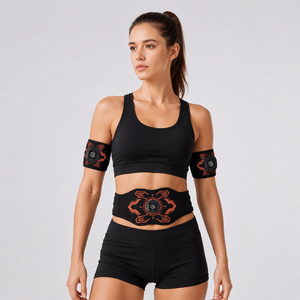
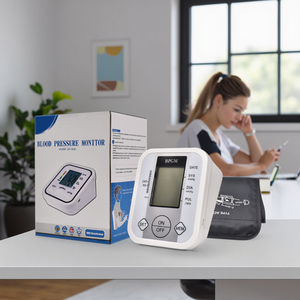
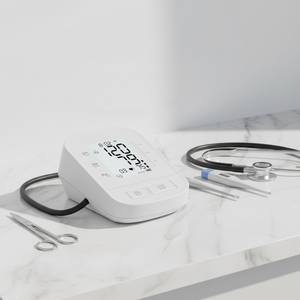
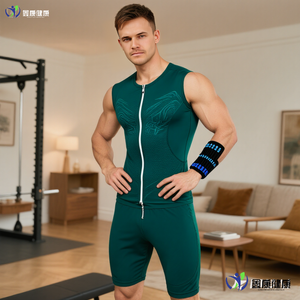
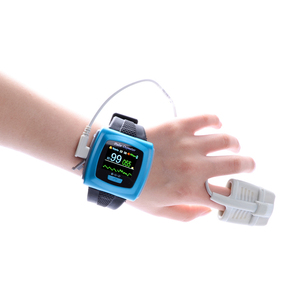
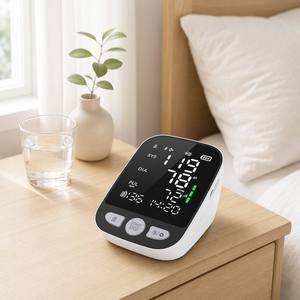
The global market for wearable medical devices is undergoing an unprecedented transition. Driven by continuous physiological monitoring, decentralized clinical trials, personalized therapeutics, and ambulatory patient care, medical original equipment manufacturers (OEMs) require battery architectures that transcend consumer electronics standards. Wearable medical devices—ranging from continuous glucose monitors (CGMs), smart bio-patches, sub-dermal EMS therapeutic belts, digital wrist/arm blood pressure monitors, to pulse oximetry arrays—demand miniature power sources with ultra-high volumetric energy density, rigorous biocompatibility, zero-gassing stability, and infallible Battery Management Systems (BMS).
As a senior OEM power architect and global exporter, APEX Mobile Power operates at the intersection of electrochemical innovation and medical regulatory compliance. Selecting the right lithium battery factory is no longer merely a commercial sourcing exercise; it is a critical engineering safeguard. A minor voltage fluctuation, localized thermal surge, or premature capacity fade can jeopardize sensor accuracy, interrupt life-critical data streams, or invalidate regulatory approvals under FDA 21 CFR Part 820 and the European Union Medical Device Regulation (MDR 2017/745).
Core Engineering Insight: Medical-grade lithium batteries require structural hermetic sealing, low-quiescent-current BMS protection (<1.5µA), ceramic-coated separators to mitigate micro-dendrite growth, and full ISO 13485 quality control traceability from raw material powder to finalized battery pack packaging.
Medical wearable devices present highly diverse duty cycles and spatial constraints. Designing a robust battery pack requires matching the device's discharge profile (continuous micro-amp draw vs. high-current RF transmission bursts) with the optimal electrochemical cell chemistry. Below is a deep analytical comparison of the primary lithium chemistries deployed across global medical OEM manufacturing.
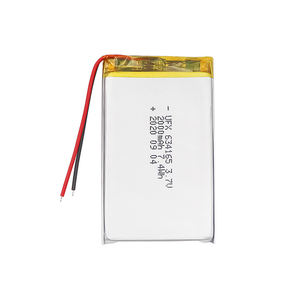
Lithium-ion polymer cells utilize a gelled polymer electrolyte encapsulated in flexible aluminum-laminated film. This architecture allows custom pouch geometry—including curved, ultra-thin (<2.0mm), and trapezoidal shapes—ideal for ergonomic integration into wrist cuffs, EMS belt controllers, and body-worn monitors like the UFX 634165 2000mAh 3.7V module. With volumetric energy densities reaching 550–680 Wh/L, LiPo micro-pouch cells deliver high nominal voltage (3.7V) and low internal resistance (ESR), supporting brief pulse loads during Bluetooth LE or Wi-Fi telemetry transmissions.
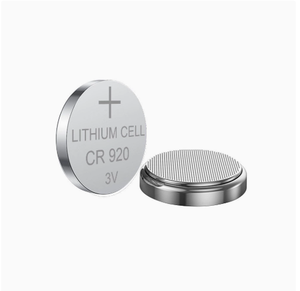
For non-rechargeable patches, disposable Continuous Glucose Monitors (CGMs), and ultra-compact diagnostic nodes, primary Manganese Dioxide Lithium (Li/MnO2) button cells (such as the 3V CR920 series) provide an exceptionally low self-discharge rate (<1% per year at 20°C). Secondary (rechargeable) Lithium Button cells (LIR series) leverage NMC or LCO cathodes to supply repeatable charge/discharge cycles in miniaturized footprints where traditional pouch cells cannot fit.
When absolute thermal safety and cycle longevity override strict miniaturization demands (e.g., intensive EMS training vests with 20+ stimulation electrodes), LiFePO4 chemistry excels. Featuring an olivine crystal structure, LiFePO4 cells resist thermal runaway up to 60°C operating environments, offering over 2,000 to 3,000 100% DOD charge cycles with minimal degradation.
| Electrochemical Chemistry | Nominal Voltage (V) | Volumetric Energy Density | Self-Discharge Rate | Cycle Life (80% Capacity) | Primary Medical Applications | Safety / Compliance Status |
|---|---|---|---|---|---|---|
| Lithium Polymer (LiPo Pouch) | 3.7V – 3.85V | 500 - 680 Wh/L | < 2.5% / month | 500 - 1,000 cycles | EMS Belts, Smart Arm Monitors, Wearable Sensors | IEC 62133 / UL 1642 |
| Li/MnO2 Button Cell (CR Series) | 3.0V | 280 - 400 Wh/L | < 1.0% / year | Primary (Single-Use) | CGM Glucose Meters, Patch Sensors, Telemetry Tags | UN 38.3 Bio-Safe |
| Lithium Iron Phosphate (LiFePO4) | 3.2V | 320 - 420 Wh/L | < 3.0% / month | 2,000 - 3,500 cycles | EMS Vests, Portable Clinical Defibrillators | Intrinsic Safety / ISO 13485 |
| Solid-State Micro-Cell (Emerging) | 3.8V | 700 - 900 Wh/L | < 0.5% / year | > 5,000 cycles | Sub-dermal Implants, Smart Contact Lenses | Clinical Trial Stage |
A lithium cell without intelligent monitoring is a potential point of failure. In medical wearable hardware, the Battery Management System (BMS) serves as the primary electronic safety firewall. Unlike consumer power banks, a medical-grade BMS must be engineered with micro-power hardware components to avoid draining the host cell during prolonged idle states.
Medical wearables spend up to 90% of their operational life in sleep mode. APEX Mobile Power integrates specialized Texas Instruments (TI) and Analog Devices (ADI) fuel gauge ICs capable of operating with quiescent current draw under 1.2 µA. This guarantees that devices stored in clinical inventory maintain shelf life for 18–24 months without suffering deep discharge damage.
Our OEM custom packs incorporate redundant protection mechanisms against:
Navigating international medical regulations is the most stringent hurdle when exporting battery packs to North America, the European Union, and Asia-Pacific regions. A global lithium battery supplier must provide fully documented audit trails and standardized test reports.
Quality Management Systems specifically tailored for medical device component manufacturing, risk management (ISO 14971), and complete batch trace-ability.
Mandatory safety testing for portable sealed secondary cells, evaluating mechanical shock, vibration, thermal abuse, and internal short-circuit resistance.
Eight-stage transportation safety validation including altitude simulation, thermal testing, vibration, shock, external short circuit, impact, and overcharge.
Procurement directors and supply chain executives facing 2026–2030 manufacturing roadmaps are executing strategic shifts to de-risk battery sourcing:
Standard rectangular batteries force medical designers to compromise device ergonomics. Leading OEM brands are increasingly investing in upfront Non-Recurring Engineering (NRE) to co-develop custom pouch shapes, integrated flexible PCBA substrates, and custom plastic enclosures. This co-engineering approach maximizes interior volume utilization, boosting device battery life by up to 35%.
Geopolitical uncertainties and tariff structures have led tier-1 medical OEMs to require dual-hub manufacturing capability. APEX Mobile Power operates state-of-the-art manufacturing facilities in both China and Vietnam. This dual-factory network provides tariff optimization, supply chain redundancy, and risk mitigation against regional logistical disruptions.
With the implementation of the EU Battery Regulation (2023/1542), exporters must provide carbon footprint declarations, ethical cobalt/nickel sourcing documentation, and design packs for end-of-life recyclability. Partnering with a factory that strictly adheres to ISO 14001 environmental standards ensures seamless access to European markets.
The next decade will witness revolutionary breakthroughs in wearable medical energy storage. Factories investing heavily in R&D are pioneering three transformative vectors:
Vertical integration from raw chemical cell selection to automated assembly, BMS programming, and worldwide export compliance.
Over 60 dedicated electrochemical, mechanical, and software engineers with 8% of annual revenue directly reinvested into R&D innovation.
Seamless logistics, UN 38.3 certified packaging, and customs clearance handling for medical OEMs across North America, EU, and APAC.
Automated production lines Operating under ISO 13485, ISO 9001, ISO 14001, and ISO 45001 certified cleanroom environments.
Addressing key engineering, regulatory, and commercial inquiries for medical device lithium battery sourcing.
Connect directly with APEX Mobile Power's senior engineering team to request custom specifications, sample evaluation, ISO 13485 documentation, or formal quotation.
Contact Us