Precision-engineered active equalizer boards, smart battery management systems (BMS), and power protection modules designed for heavy-duty electric scooter and micro-mobility lithium packs.
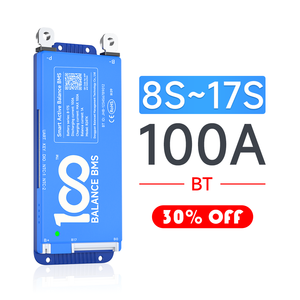
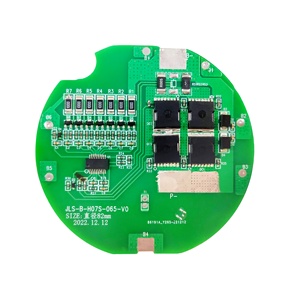
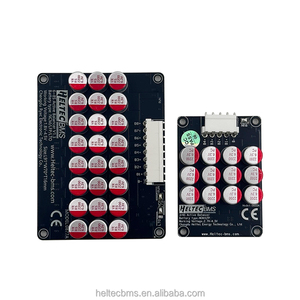
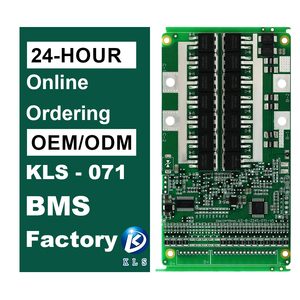
Combining over 14 years of OEM custom battery expertise with SGS-certified quality systems to deliver high-reliability energy solutions for demanding global industries.
The global transition toward light electric mobility—encompassing electric scooters, e-bikes, cargo moped fleets, and last-mile logistics vehicles—has accelerated at an unprecedented rate. Central to this paradigm shift is the core power assembly: the custom lithium battery unit. According to modern market analysis, China manufactures over 70% of the world’s micro-mobility lithium battery packs, leveraging a hyper-integrated supply chain spanning raw precursor processing, advanced cell synthesis (LiFePO4, NMC, Sodium-Ion), automated SMT circuit assembly, and intelligent Battery Management System (BMS) software optimization.
For international OEM buyers, commercial fleet operators, and regional distributors, identifying top-tier Chinese manufacturers requires looking beyond surface-level unit prices. It demands a detailed evaluation of cell grade consistency, thermal dissipation architecture, vibration-resistant structural encapsulation, and active cell balancing technology. In high-demand e-mobility applications, minor cell voltage imbalances during deep discharge cycles can trigger premature capacity degradation or system cut-offs. Thus, leading China exporters are shifting from basic passive-protection battery packs to Smart Active-Balancing Lithium Systems engineered for long cycle lives and rigorous international safety compliance (UN38.3, UL2271, IEC62133, and CE).
SEO & Information Gain Insights: High-performance e-scooter lithium battery units require strict voltage tolerances, real-time thermal telemetry, and active energy transfer balancing. The integration of 5A inductive/capacitive active balancers can extend usable pack life by up to 35% compared to conventional resistor-based passive balancing.
Selecting the appropriate chemical pairing is foundational to balancing power density, safety, thermal ceiling, and operational expenditure. Below is an engineering overview of the primary chemistry options deployed by Chinese OEMs:
| Chemistry Profile | Nominal Voltage | Gravimetric Energy Density | Typical Cycle Life (80% DOD) | Thermal Runaway Threshold | Primary E-Mobility Application |
|---|---|---|---|---|---|
| LiFePO4 (LFP) | 3.2V / cell | 140 – 170 Wh/kg | 3,500 – 6,000 Cycles | ~270°C (Extremely Safe) | Fleet Scooter Swapping & Commercial Logistics |
| NMC (Nickel Manganese Cobalt) | 3.6V – 3.7V / cell | 210 – 260 Wh/kg | 1,000 – 2,000 Cycles | ~210°C (Requires Advanced Thermal BMS) | High-Speed Personal E-Scooters & Compact Folding Bikes |
| Sodium-Ion (Na-Ion) | 3.0V – 3.1V / cell | 110 – 140 Wh/kg | 2,000 – 4,000 Cycles | ~290°C (Superior Low-Temp Function) | Sub-Zero Winter Fleets & Budget Micro-Mobility |
| LTO (Lithium Titanate) | 2.3V / cell | 80 – 110 Wh/kg | 15,000+ Cycles | Exceedingly Stable | Heavy Duty Industrial AGVs & Ultra-Fast Charging Fleets |
A lithium-ion or LiFePO4 battery pack is only as durable as its monitoring electronics. In an electric scooter operating across rugged urban environments, vibration, rapid acceleration bursts (high C-rate discharge), and fluctuating ambient temperatures create uneven aging across multi-series cell strings (e.g., 13S 48V, 16S 60V, or 20S 72V configurations).
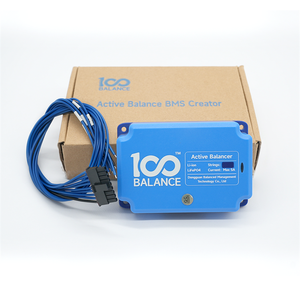
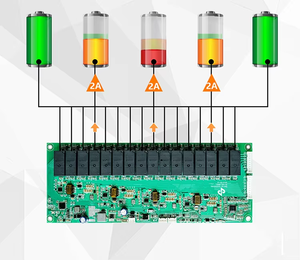
Utilizes high-frequency energy transfer capacitors to shift charge dynamically from high-voltage cells to lower-voltage cells with up to 5A active current, eliminating heat generation from resistive dumping.
Integrated Bluetooth, CAN-bus, and RS485 communication protocols enable real-time state-of-charge (SOC), state-of-health (SOH), and remote cloud monitoring via custom mobile apps.
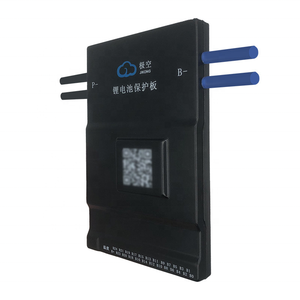
Redundant MOSFET architecture providing instant over-current cut-off, short-circuit isolation, cell over-voltage/under-voltage lockouts, and multi-point NTC temperature sensing.
Traditional passive balancing dissipates excess energy as heat through bleed resistors during the final charge phase, usually limited to a weak 30mA–80mA balance current. In contrast, modern active balancers (such as 1A, 2A, or 5A capacitive balance boards) operate continuously during both charging and discharging. Energy is shuttled seamlessly between cells without energy loss, maintaining cell equilibrium even under intense 3C–5C peak acceleration demands.
For enterprise exporters, offering active balancing inside customized aluminum alloy or IP67 waterproof enclosures significantly reduces warranty claims, prevents premature degradation of individual series blocks, and optimizes overall energy yield per charge cycle.
The landscape of Chinese battery unit exporting is undergoing structural transformations driven by global sustainability mandates, evolving import regulations, and next-generation battery physics. B2B procurement managers must align their supply chain strategies with these critical developments:
Urban e-scooter sharing fleets and ride-hailing services are standardizing on hot-swappable battery modules. Future procurement orders increasingly specify self-locating blind-mate connectors, heavy-duty anti-arcing contacts, robust impact-resistant ABS/PC or extruded aluminum cases, and integrated GPS/GPRS tracking modules powered directly by the main battery assembly.
With the enforcement of the European Union’s new Battery Regulation, global exporters based in China are embedding microchip-level data logs detailing raw material provenance, recycled lithium content percentage, total lifetime cycle history, and carbon footprint telemetry. Leading OEM factories are already auditing their supply lines to issue certified digital battery passports alongside UN38.3 testing reports.
Semi-solid-state lithium cell chemistry is moving from prototype laboratories into commercial production. Offering volumetric energy densities exceeding 300 Wh/L while virtually eliminating flammable liquid electrolytes, semi-solid battery units represent the premium future tier for long-range executive e-scooters and high-performance electric motorcycles.
Modern lithium battery units no longer rely on simple constant-current/constant-voltage (CC/CV) power supplies. Closed-loop communication protocols (via CAN or UART) allow the BMS to actively command charger current output based on cell temperature, real-time internal resistance, and state-of-health, enabling safe 30-minute ultra-fast charging without damaging the cell anode.
Building top-tier electric scooter battery packs requires rigorous industrial management systems. Referencing premier OEM production facilities like APEX Mobile Power, world-class Chinese battery manufacturers operate under stringent global quality framework certifications:
Medical Device Quality Management System standards applied to lithium battery assembly, guaranteeing ultra-low defect rates, total component traceability, and process discipline.
Automotive-grade manufacturing protocols governing cell grading, automated nickel-strip spot welding, ultrasonic wire bonding, and 100% automated optical inspection (AOI).
Environmentally responsible production workflows, occupational safety compliance, and sustainable end-of-life battery recycling management systems accredited by SGS.
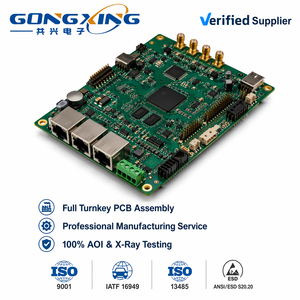
From initial 3D CAD enclosure design and custom thermal modeling to PCB assembly (PCBA) for specialized smart active balancing BMS boards, top China OEM exporters provide comprehensive engineering support:
You should specify nominal pack voltage (e.g., 36V, 48V, 60V, 72V), required amp-hour capacity (Ah), continuous and peak discharge currents (A), dimensions of the battery compartment, desired IP waterproof rating, preferred cell chemistry (LiFePO4 or NMC), and communication protocols (CAN-bus, RS485, or UART).
Electric scooter batteries undergo frequent high-current discharge cycles. Passive balancing only bleeds small amounts of current as heat during charging. Capacitive active balancing transfers up to 5A of balance current between cells dynamically during both charging and discharging, eliminating cell voltage imbalances, reducing internal heat, and increasing usable pack capacity by up to 20%.
Essential shipping and safety certifications include UN38.3 (air/sea transportation testing), MSDS (Material Safety Data Sheet), and Article 38.3 test summaries. Depending on your destination market, products may also require UL2271 (for light electric vehicle batteries), CE, IEC 62133, and RoHS compliance.
Leading factories utilize automated cell-sorting machinery that screens 100% of incoming cells for capacity, open-circuit voltage (OCV), and AC internal resistance (ACIR). Cells are sorted into tight tolerance groups before pack assembly to guarantee uniform performance across every series string.
Initial design engineering, sample 3D modeling, and prototype BMS PCBA customization usually require 2 to 3 weeks. Once prototype testing and customer sign-off are complete, mass production lead times generally range between 25 and 35 days, depending on cell procurement schedules and custom enclosure tooling requirements.
Yes. OEM manufacturers can integrate internal low-voltage heating films controlled by the smart BMS. When a charger is connected in sub-zero temperatures (-20°C to 0°C), the BMS routes energy to pre-heat the cell matrix safely before initiating high-current charging, preserving cell health and preventing lithium dendrite formation.
Looking for custom lithium battery packs, smart active-balancing BMS boards, or turnkey manufacturing solutions engineered to international standards? Connect directly with our technical team today.
Inquire Now