As the global marine sector transitions from high-maintenance lead-acid, AGM, and gel batteries to energy-dense, lightweight Lithium Iron Phosphate (LiFePO4) systems, China has emerged as the global epicenter for OEM/ODM electric boat and trolling motor battery production. Controlling over 85% of the worldwide lithium battery supply chain, Chinese factories offer unprecedented integration—from raw cell synthesis to advanced Active Balancing Battery Management Systems (BMS). This whitepaper provides engineering teams, procurement directors, and marine OEMs with technical criteria to evaluate top-tier Chinese manufacturers.
Engineered for high-thrust marine trolling motors (12V, 24V, 36V, 48V), deep-cycle endurance, active cell balancing, and harsh saltwater environments.
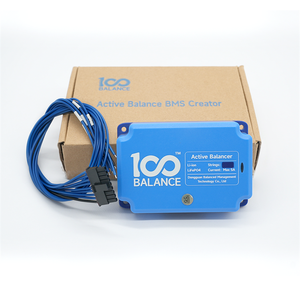
High-efficiency capacitive active balancer designed for high-capacity 48V electric boat trolling motor batteries, eliminating voltage drift across series cells.
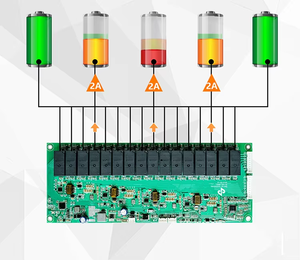
Advanced marine protection board integrated with active cell balancing, temperature telemetry, and high-continuous discharge management for trolling motors.
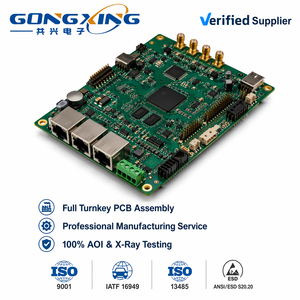
Automotive-grade SMT assembly custom PCBA featuring dual CANbus/RS485 communication protocols for electric outboard motors and marine control systems.
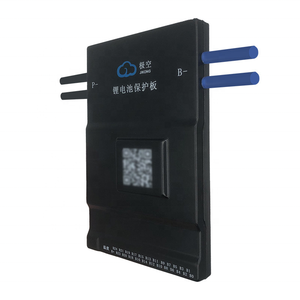
Feature-rich 0.6A active balance BMS supporting 7S to 24S LiFePO4 battery banks with mobile app Bluetooth monitoring and optional remote GPS tracking.
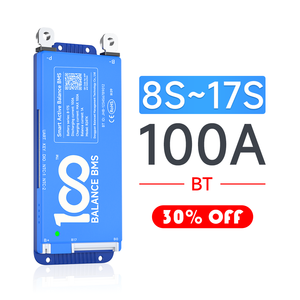
Heavy-duty aluminum heat-sink BMS board for 48V electric boat propulsion, featuring active voltage leveling under continuous high current load.
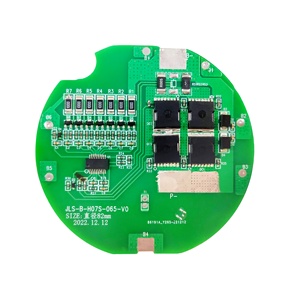
Specially reinforced aluminum alloy housing protecting a 12V 120A continuous discharge circuit, ideal for 12V kayak and bass boat trolling motors.
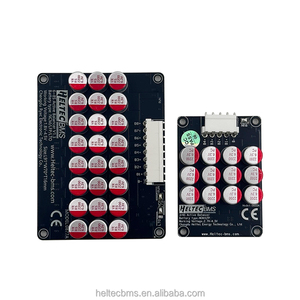
Industry-standard active energy transfer equalizer. Ultra-low internal resistance MOSFETs provide 5.5A balance current for marine pack longevity.
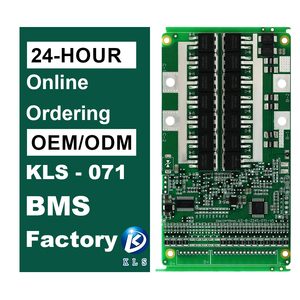
High-capacity marine energy storage and electric outboard engine BMS supporting up to 150A continuous discharge with intelligent thermal cutoff.
Understanding why conventional passive balancing fails in high-vibration, deep-discharge marine applications—and how active capacitive energy transfer restores pack capacity.
Traditional marine lithium batteries utilize passive resistive balancing. When a cell reaches 3.65V during charging, excess energy is bled off as heat through resistors at small currents (30mA to 100mA). In trolling motor applications—where high continuous current draws (80A to 150A) create rapid cell voltage divergence—passive balancing is mathematically incapable of maintaining cell equilibrium. Over 200–300 cycles, capacity degradation accelerates due to early premature low-voltage cutoffs triggered by lagging cells.
Top-tier Chinese OEM exporters utilize 5.0A to 5.5A Active Balancers. Rather than dissipating energy as waste heat, active balancing systems transfer charge dynamically from high-voltage cells to low-voltage cells using switched-capacitor or transformer-based inductive circuits. This active equalization operates continuously during both charge, discharge, and rest cycles, maintaining a cell-to-cell delta voltage below 0.005V and unlocking 15% to 20% more usable amp-hours in marine batteries.
| Performance Parameter | Standard Marine Passive BMS | OEM Active Balancing Smart BMS (e.g., JK / Seplos / KLS) | Impact on Marine Trolling Operations |
|---|---|---|---|
| Equalization Current | 30mA - 100mA (0.03A - 0.1A) | 1.2A - 5.5A (Active Transfer) | 50x faster cell balancing during peak motor usage |
| Thermal Generation | High (Energy burned as heat) | Near Zero (92%+ energy transfer efficiency) | Prevents localized thermal hot-spots inside IP67 sealed cases |
| Voltage Delta Precision | > 0.030V (30mV) divergence | < 0.005V (5mV) cell-to-cell equilibrium | Prevents premature low-voltage cutoffs under heavy prop load |
| Cycle Life Expectancy | 2,000 - 3,000 cycles (80% DOD) | 5,000 - 7,000 cycles (80% DOD) | More than doubles total ROI for commercial electric boat fleets |
| Communication Protocols | None / Hardwired LED indicator | Dual CANbus 2.0B, RS485, NMEA 2000, Bluetooth 5.0 | Real-time telemetry integration with marine chartplotters & displays |
Key engineering shifts shaping global B2B procurement strategies for trolling motors and marine electric propulsion systems.
Historically, freshwater trolling motors operated on 12V or 24V series strings. Modern electric outboards (e.g., 3kW to 10kW equivalents) demand 36V and 48V single-pack architectures. Higher voltage reduces copper wiring gauge requirements, minimizes heat generation ($I^2R$ losses), and improves overall motor-drivetrain efficiency by up to 14%.
B2B buyers are requiring built-in Bluetooth 5.0 and CANbus gateways natively compatible with marine electronics (Lowrance, Garmin, Simrad). Modern marine battery packs transmit cell-level health metrics, estimated runtime down to the minute based on current throttle, and historical charge logs directly to central multifunction displays.
China's top R&D labs are scaling commercial production of semi-solid-state LiFePO4 cells. Offering energy densities exceeding 220 Wh/kg (compared to standard liquid-electrolyte 160 Wh/kg), these cells eliminate volatile liquid electrolytes, making them virtually immune to thermal runaway even under catastrophic hull puncture conditions.
For marine operations in cold climates (northern Europe, Canada, North America), Sodium-Ion (Na-Ion) batteries are emerging as a cost-effective alternative. Exhibiting over 85% capacity retention at -20°C without requiring internal thermal heating pads, Na-Ion cell integration is a key sourcing trend for winter fishing and commercial fleets.
With over 14 years of engineering leadership, 60+ full-time R&D engineers, and an annual reinvestment of 8% of revenue back into advanced battery technologies, APEX Mobile Power sets the global benchmark for custom OEM marine lithium battery pack manufacturing.

APEX Mobile Power State-of-the-Art Global Manufacturing Campus
Our manufacturing processes are audited independently by SGS, ensuring full compliance for marine OEMs and global exporters.
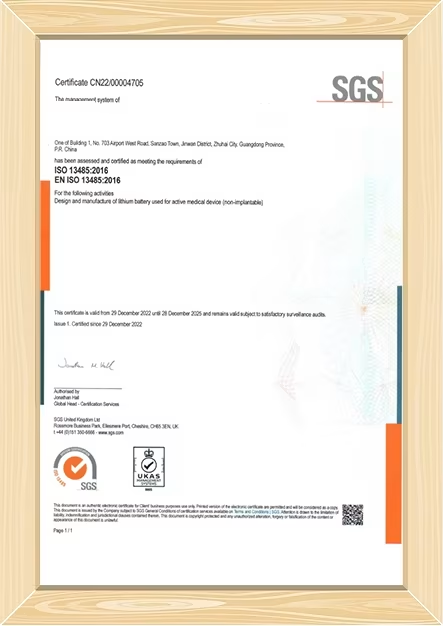
Medical Device Quality Management (Highest Quality Control Standard)
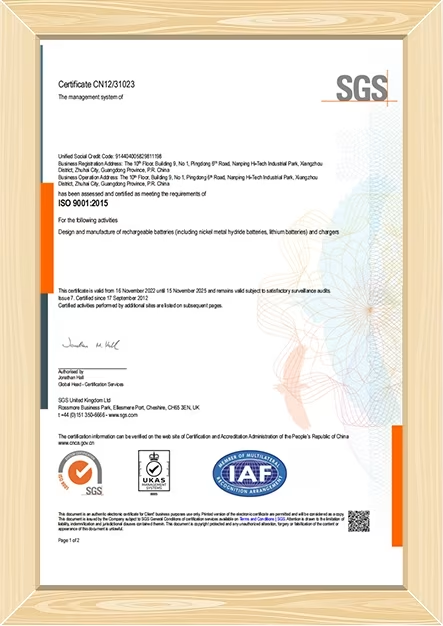
Quality Management Systems for Custom Rechargeable Batteries

UL1973, CE, RoHS, UN38.3 Transport Testing, IEC 62133 Approved
Expert technical answers to essential questions asked by international buyers, marine distributors, and OEM purchasing managers.
Whether you need custom-engineered 12V/24V/36V/48V LiFePO4 battery packs, active balancing smart BMS boards, or full turnkey marine propulsion energy systems, our engineering team is ready to bring your project to market.