High-precision BMS modules, capacitive/inductive active equalizers, and power conversion boards optimized for long-lifecycle LiFePO4 and NCM portable power stations.
A comprehensive analysis of cell chemistry evolution, bidirectional inverter topology, and high-current active balancing BMS integration for B2B sourcing executives.
Modern OEM factories are heavily transitioning from NCM (Nickel Cobalt Manganese) to LiFePO4 (Lithium Iron Phosphate) cell architectures. LiFePO4 delivers an unprecedented 3,000 to 4,500 lifecycle cycles to 80% DOD (Depth of Discharge), compared to NCM's 500 to 800 cycles. Furthermore, LiFePO4 exhibits superior thermal stability (thermal runaway threshold at ~270°C vs NCM's ~210°C), eliminating fire hazards during rapid 1C-2C charging profiles.
Legacy ODM power stations required bulky external AC adapters. Next-gen tier-1 factories utilize Bidirectional AC-DC/DC-AC Inverters integrated with Gallium Nitride (GaN) power switches. This enables ultra-fast flash charging (0% to 80% in under 55 minutes directly via AC wall outlets) while boosting pure sine wave inverter energy efficiency above 94% under full 2000W-3000W load continuous operations.
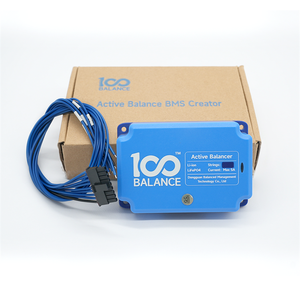
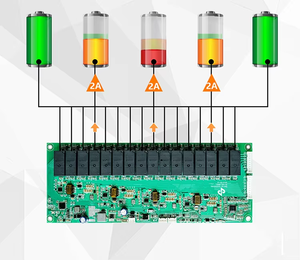
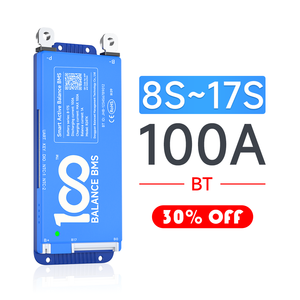
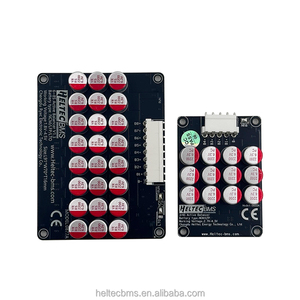
Passive balancing bleeds excess energy as heat, restricting balancing currents to a mere 30mA-50mA. In contrast, Active Balancer BMS systems transfer energy dynamically from high-voltage cells to lower-voltage cells using capacitive or inductive energy transfer at up to 5A-10A currents. This prevents premature pack degradation and extends usable pack capacity by 15-20%.
| Architecture Metric | Standard Entry-Level (Legacy ODM) | High-Performance Industrial (APEX OEM Grade) | Procurement Advantage |
|---|---|---|---|
| Cell Chemistry | NCM / Li-ion (18650/21700) | Grade-A Prismatic / Cylindrical LiFePO4 | >4,000 cycles, higher safety margin, zero thermal runaway risk |
| Balancing Topology | Passive Resistive Dissipation (30-50mA) | Capacitive / Inductive Active Balancing (2A-5A) | Eliminates cell voltage drift, maxes out total pack discharge yield |
| Inverter Circuitry | Traditional Silicon MOSFET Inverter | GaN-based High-Frequency Pure Sine Wave | Compact footprint, 95% peak inverter efficiency, low idle drain |
| AC Charge Speed | Adapter Charging (6-8 Hours) | Integrated Bidirectional Fast Charging (<75 Mins) | Eliminates heavy external bricks; major end-user purchasing driver |
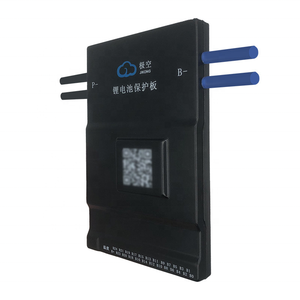
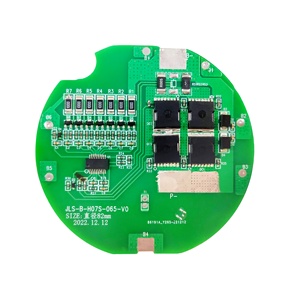
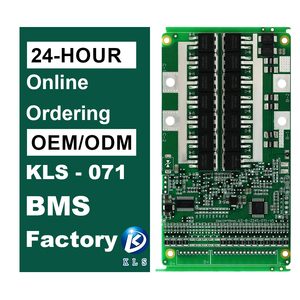
| Protection Protocols | Basic Overcharge / Short-Circuit BMS | Dual MCU Automotive-Grade Smart BMS with CanBUS / Bluetooth | Real-time cell status monitoring, remote OTA firmware maintenance |
Key market shifts driving global B2B supply chains, distributor compliance requirements, and technological integration over the next decade.
B2B purchasers are shifting away from monolithic single-capacity units toward modular expansion systems. Modern brands require base units (e.g., 1kWh to 2kWh) equipped with proprietary high-current DC expansion ports. Users can chain extra battery packs to scale capacity up to 10kWh+. OEM factories must provide robust plug-and-play communication protocols (RS485/CAN) across secondary expansion modules.
Green energy procurement mandates ultra-fast renewable harvesting. Future-proof factories are integrating dual MPPT (Maximum Power Point Tracking) controllers supporting high-voltage PV inputs (up to 120V-150V DC). This enables portable power stations to accept direct solar charging rates of 1000W to 2000W, matching residential rooftop panel outputs for off-grid resilience.
To hedge against lithium carbonate price volatility, leading factories are launching Sodium-ion battery power stations. Sodium-ion chemistry operates down to -30°C without significant capacity fade, offering an ideal procurement solution for extreme cold-climate industrial operations and budget-conscious emergency back-up markets.
Portable power units are converging with Electric Vehicle (EV) ecosystems. OEM designs must support bidirectional V2L charging, allowing portable power stations to be recharged directly from EV charging ports or, conversely, serve as emergency range extenders for electric vehicles and home smart sub-panels.
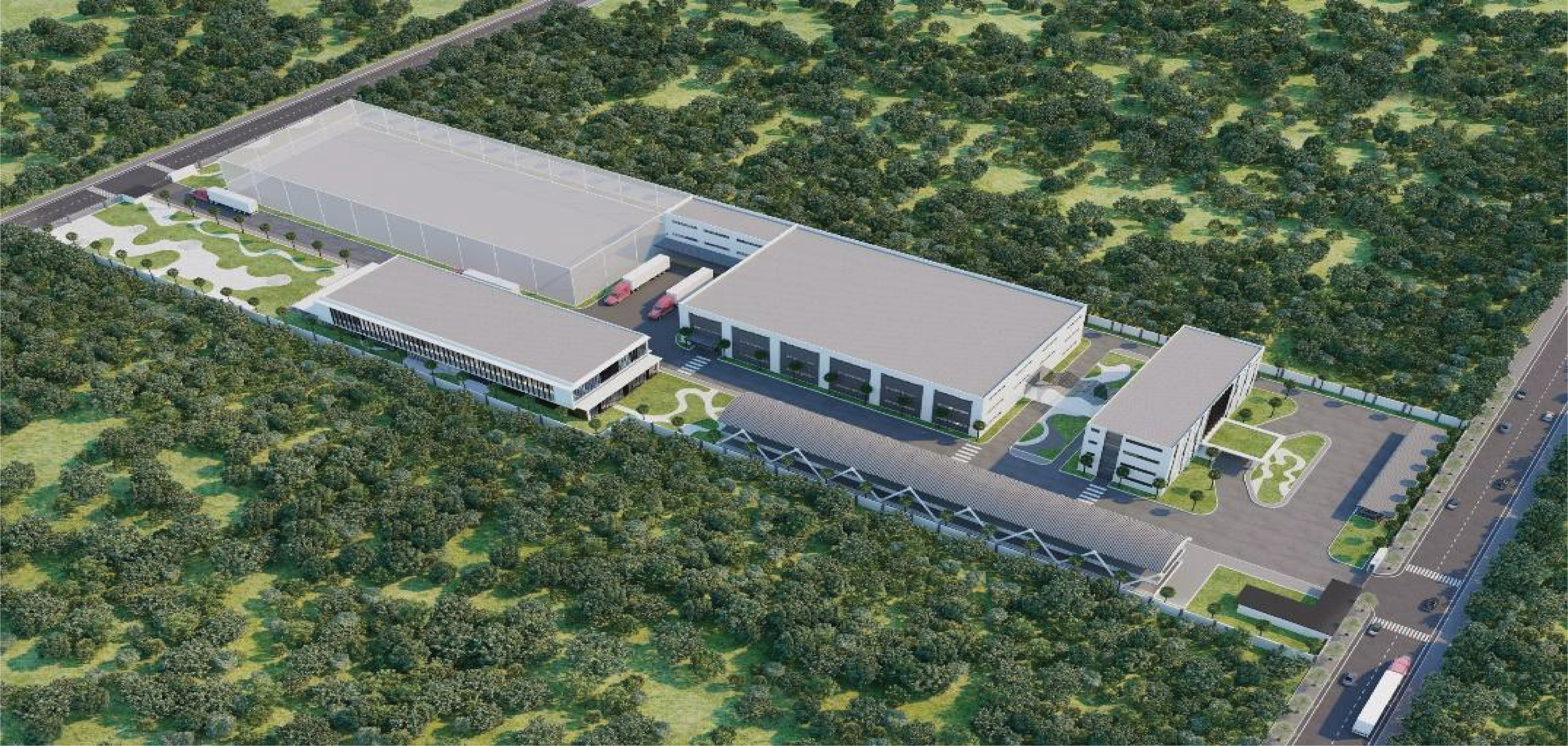
With over 14 years of specialized engineering experience, APEX Mobile Power provides full turnkey customization for world-class portable power stations, active balancing BMS boards, and industrial energy systems.
.png)
Full traceability from cell screening to finished pack assembly. Every power station undergoes 100% aging tests, vibration testing, dynamic load testing, and high-voltage isolation inspection.
Custom ID enclosure design, tooling injection, firmware coding (BMS/LCD display), UI custom branding, packaging design, and worldwide certification handling under one roof.
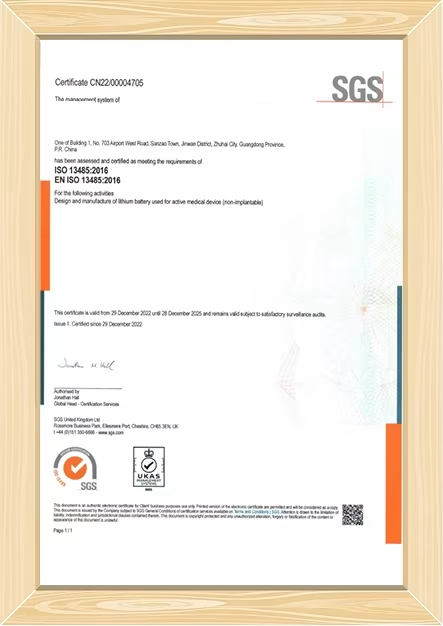
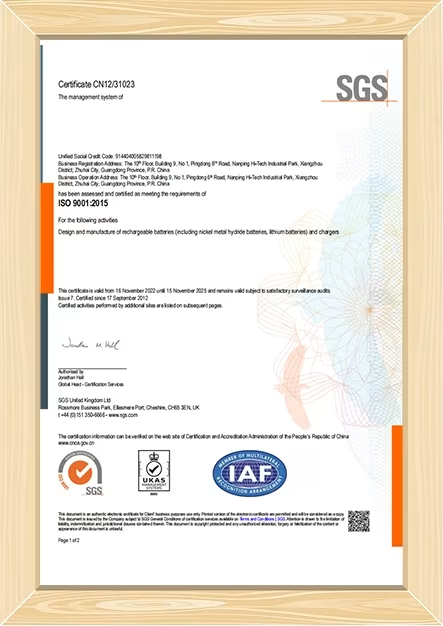
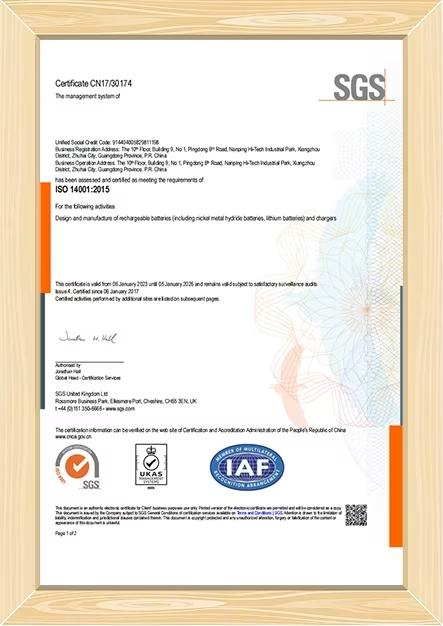
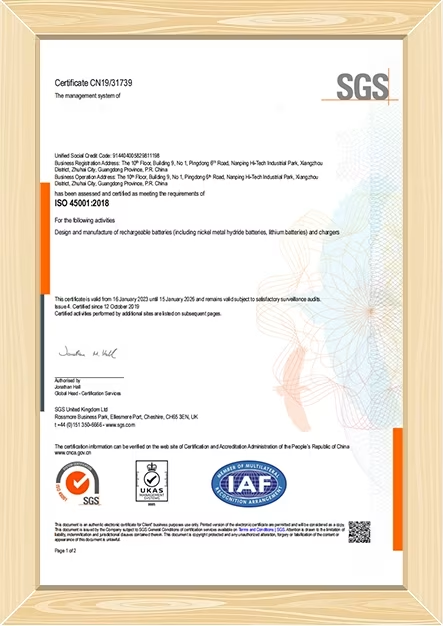
Our designs comply directly with international regulations including UL 2743, UL 1973, CE, UN38.3, IEC 62619, FCC, and RoHS, allowing rapid distribution in EU, US, and APAC markets.
Expert technical answers addressing common procurement inquiries, custom engineering workflows, certification standards, and minimum order parameters.
OEM (Original Equipment Manufacturer): APEX manufactures a portable power station based on your provided engineering specifications, enclosure designs, and technical drawings. You own the intellectual property and tooling.
ODM (Original Design Manufacturer): We provide fully realized, pre-engineered portable power station designs. You customize brand aesthetics, screen interfaces, port configurations, and colorways with minimal initial Non-Recurring Engineering (NRE) investment and faster time-to-market.
LiFePO4 cell voltage curves remain extremely flat across 20% to 80% state-of-charge (SOC), making voltage-based passive balancing inefficient. Passive balancing bleeds energy as wasted heat at tiny current rates (30-50mA). Active balancing uses capacitive or inductive energy transfer to relocate energy from higher-voltage cells to lower-voltage cells at rates up to 2A-5A. This prevents cell divergence, prolongs total battery pack lifespan by up to 30%, and lowers thermal stress inside sealed power station enclosures.
For North America, UL 2743 (Standard for Portable Power Packs) is essential for retail compliance, alongside FCC Part 15 for electromagnetic compatibility and UN38.3 for lithium battery transport certification.
For the European Union, products require CE marking under the Low Voltage Directive (LVD) and EMC Directive, IEC 62368-1 for audio/video/IT equipment safety, IEC 62619 for industrial lithium cells, and RoHS/REACH environmental compliance.
Continuous inverter rating depends on heat dissipation efficiency. High-end OEM factories utilize isolated aluminum cooling channels, thermal paste/pad interfaces between MOSFETs and heatsinks, and temperature-controlled dual ball-bearing fans. Inferior thermal design triggers early BMS thermal throttling, dropping a 2000W continuous unit down to 1000W after only 15 minutes of heavy load operation.
Standard OEM/ODM MOQ starts at 200 to 500 units for customized logo/packaging ODM products. Full custom plastic housing tooling ODM projects require an MOQ of 1,000+ units. Typical lead times are: Prototype engineering samples: 21–30 days; Mass production delivery: 35–45 days after engineering sample sign-off.
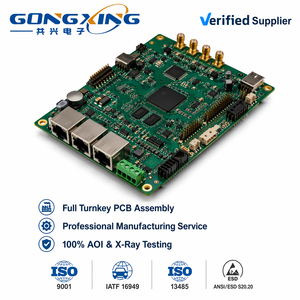
A comprehensive factory audit evaluates four critical gates: 1) Incoming Quality Control (IQC) inspecting cell capacity/internal resistance grading; 2) SMT line inspection for active BMS board soldering integrity; 3) In-Process QC (IPQC) verifying laser welding quality on battery cell busbars; and 4) Outgoing QC (OQC) running full charge/discharge cycle validation, drop tests, and high-temperature environmental chamber aging.
Partner with APEX Mobile Power for world-class engineering, certified LiFePO4 active-balancing integration, and scalable global OEM/ODM manufacturing. Speak directly with our engineering team today.