High-precision active energy balancing systems engineered for extreme sub-zero transport stability (-40°C to +60°C operational range).
Understanding internal polarization, electrolyte freeze resistance, and thermal heating architectures in sub-zero mobile energy storage systems.
At sub-zero operational thresholds (-20°C to -40°C), traditional lithium-ion chemistries experience exponential increases in internal resistance ($R_i$), leading to severe voltage sag and ionic sluggishness. OEM cold chain transport battery systems integrate specialized low-viscosity organic carbonate solvents combined with lithium hexafluorophosphate ($\text{LiPF}_6$) additives, guaranteeing rapid lithium-ion diffusion even under extreme sub-zero freezing stresses.
Charging lithium batteries below 0°C without thermal preparation triggers irreversible lithium plating on the graphite anode, inducing micro-dendrite growth and catastrophic thermal failure. APEX Mobile Power's OEM/ODM cold chain battery packs incorporate intelligent self-heating PTC (Positive Temperature Coefficient) polyimide films governed by smart BMS algorithms, pre-heating cell cores to +5°C prior to charge acceptance.
Quantitative breakdown of LiFePO4, NMC, LTO, and Solid-State formulations under sub-zero logistics operations.
| Chemistry Architecture | Nominal Cell Voltage | -20°C Capacity Retention | -40°C Operating Viability | Cycle Life (80% DOD) | Primary Cold Chain Application |
|---|---|---|---|---|---|
| Low-Temp LiFePO4 (LFP) | 3.2V | 78% - 82% | Requires PTC Heating | 4,000+ Cycles | Reefer Trailers & Telecom Cold Backup |
| High-Rate NMC (Nickel Manganese Cobalt) | 3.6V - 3.7V | 85% - 90% | Functional (Reduced C-Rate) | 2,500+ Cycles | Biomedical Logistics & Air Freight Shippers |
| Lithium Titanate Oxide (LTO) | 2.3V | 92% - 95% | Direct Charge at -40°C | 20,000+ Cycles | Arctic Cold Storage AGVs & Autonomous Shuttles |
| Sodium-Ion (Na-Ion) OEM Modules | 3.0V - 3.1V | 88% - 92% | Functional at -30°C | 3,000+ Cycles | Cost-Optimized Frozen Food Transit Containers |
Strategic supply chain directives shaping the next decade of cold chain temperature-controlled logistics power systems.
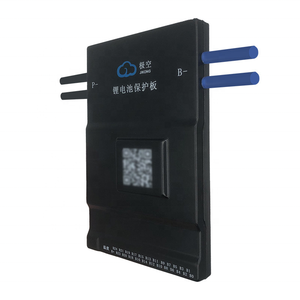
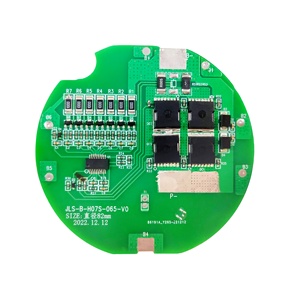
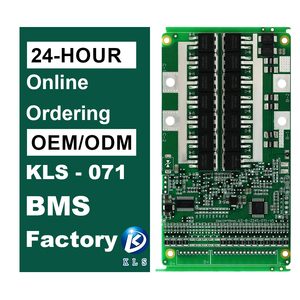
Global procurement executives are shifting toward smart BMS designs integrating 4G-LTE, GPS, and CANbus/RS485 communication protocols. Real-time monitoring of cell voltages, state of charge (SoC), state of health (SoH), and internal temperature gradients enables predictive maintenance before thermal or capacity failures occur in transit.
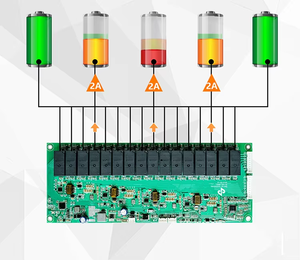
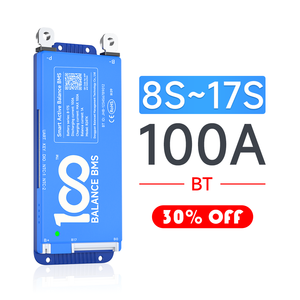
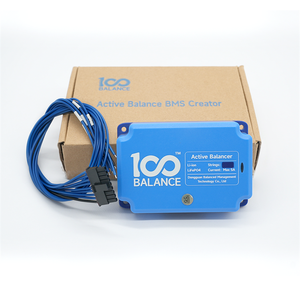
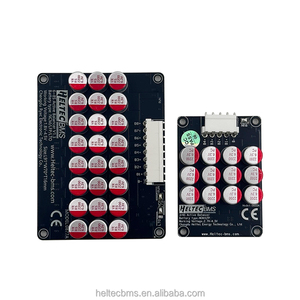
Passive balancing dissipates excess energy as wasted heat through resistors, an inefficient design that introduces thermal stress into cold insulated chambers. Modern OEM specifications mandate capacitive or inductive active balancing (5A to 10A transfer current), moving energy dynamically from high-voltage cells to low-voltage cells with >92% efficiency.
Transitioning across extreme temperature zones (e.g., from -20°C deep freeze to +35°C ambient loading docks) creates severe internal condensation. Future-proof cold chain battery packs incorporate IP68 waterproof aluminum alloy enclosures, automated pressure relief valves, and hydrophobic nano-coatings on BMS PCBA components.
Vertically integrated global manufacturing facilities engineered to meet rigorous aerospace, medical device, and industrial standards.
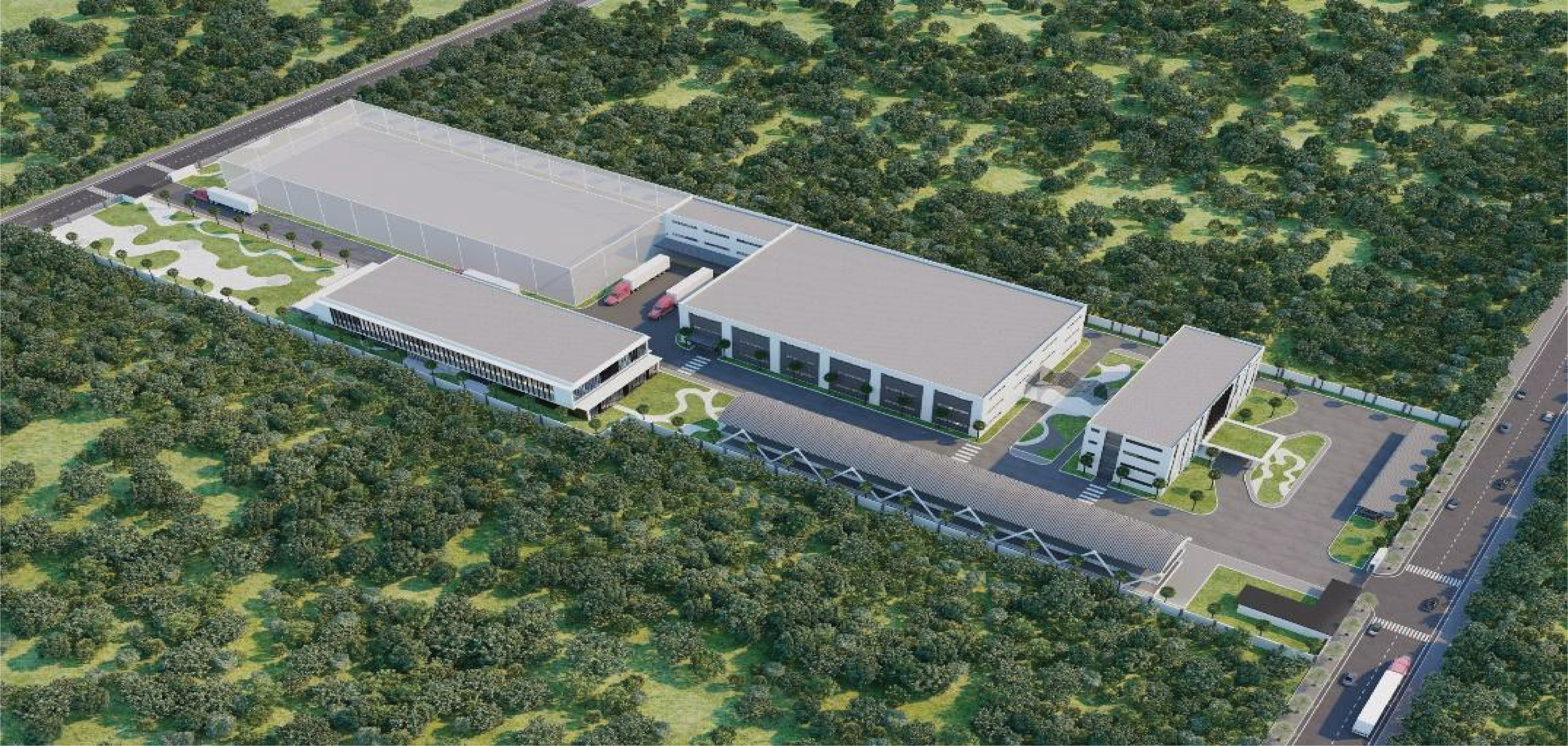
With over 14 years of specialized expertise in custom lithium battery module engineering, APEX Mobile Power serves as an elite OEM/ODM manufacturer for fortune-level procurement buyers across North America, Europe, and Asia-Pacific.
Detailed technical answers to common queries raised by supply chain directors, fleet managers, and system integrators.
Low temperatures increase electrolyte viscosity and decrease ionic conductivity while elevating solid-electrolyte interphase (SEI) resistance. This causes a sharper internal voltage drop ($I \times R_i$) under load, triggering early BMS low-voltage cut-offs even when usable capacity remains stored in the cells. Chemically optimized low-temp electrolytes significantly reduce this effect.
Passive balancing bleeds off excess energy as heat through resistive components. In sealed cold-chain boxes or reefer units, generating waste heat is counterproductive and inefficient. Active balancing transfers charge from stronger cells to weaker cells with over 90% energy efficiency, maximizing overall pack runtime without altering thermal gradients inside the insulated enclosure.
When an external charging source is connected in sub-zero conditions (-20°C), the smart BMS isolates the battery charge path and redirects incoming power directly to internal PTC heating elements. Once cell temperature sensors confirm the pack core has reached a safe charging threshold (+5°C), the BMS automatically opens the main charge MOSFETs/contactors to allow high-efficiency charging without risk of lithium plating.
All commercial lithium battery shipments must hold valid UN38.3 test summary certification (covering altitude simulation, thermal test, vibration, shock, external short circuit, impact/crush, overcharge, and forced discharge). For air freight, packs must comply with IATA Dangerous Goods Regulations (DGR Class 9) and be offered for shipment at a State of Charge (SoC) not exceeding 30% of their rated capacity.
Custom prototype engineering—including mechanical CAD design, custom smart BMS PCB layout, thermal modeling, and initial sample assembly—typically takes 3 to 5 weeks. Mass production lead times range between 4 to 6 weeks following sample validation and regulatory certification clearance (UN38.3 / CE / UL).
Consult with our senior battery engineering team today to review custom voltage, capacity, thermal management, and BMS active balancing requirements for your cold chain logistics fleet.