Precision-engineered lithium battery protection boards, active balancers, and intelligent BMS PCBA architectures built for high-capacity fast charging power banks and energy storage modules.
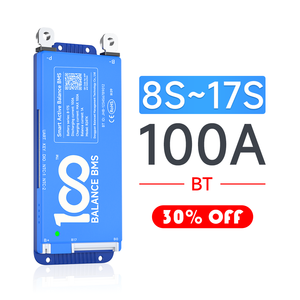
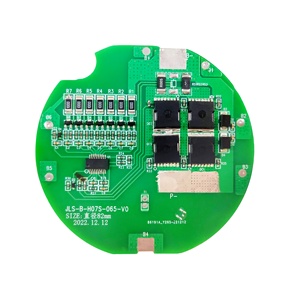
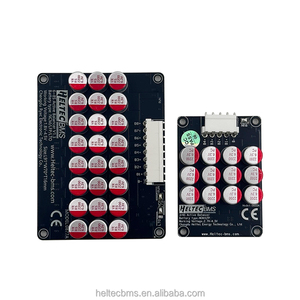
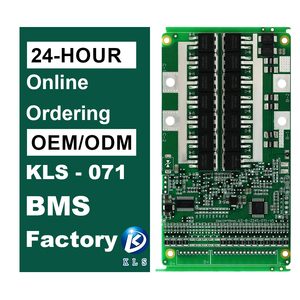
As global reliance on high-drain mobile electronics, laptops, drone fleets, and outdoor energy systems accelerates, B2B procurement standards for OEM power banks have evolved beyond basic lithium storage.
By replacing legacy Silicon MOSFETs with Gallium Nitride (GaN) power switches, our custom fast-charging power banks reduce switching energy losses by up to 40%, allowing ultra-compact enclosures with higher power throughput (100W–240W per port) without thermal throttles.
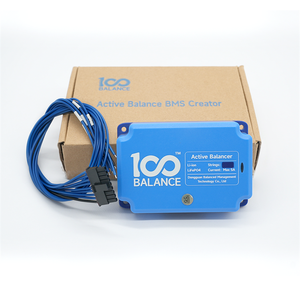
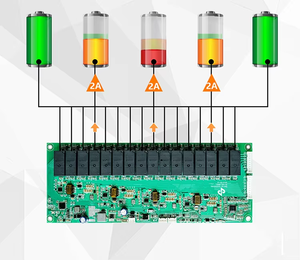
Unlike passive balancing that dissipates excess cell energy as wasted heat, our high-capacity multi-cell packs utilize dynamic capacitive energy transfer (up to 5.5A balance current) to shift charge from high-voltage cells to low-voltage cells continuously during both charge and discharge cycles.
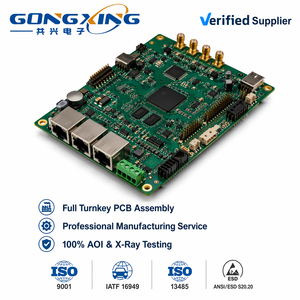
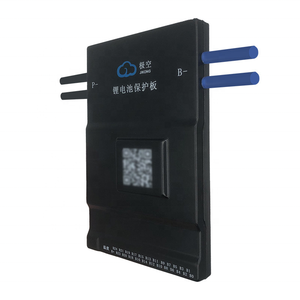
Smart BMS PCBA featuring dual-microcontroller hardware architecture, telemetry logging (UART/RS485/CAN/Bluetooth), hardware overcurrent latching, and real-time NTC thermal array protection meeting ISO 13485 and UL 2056 standard specs.
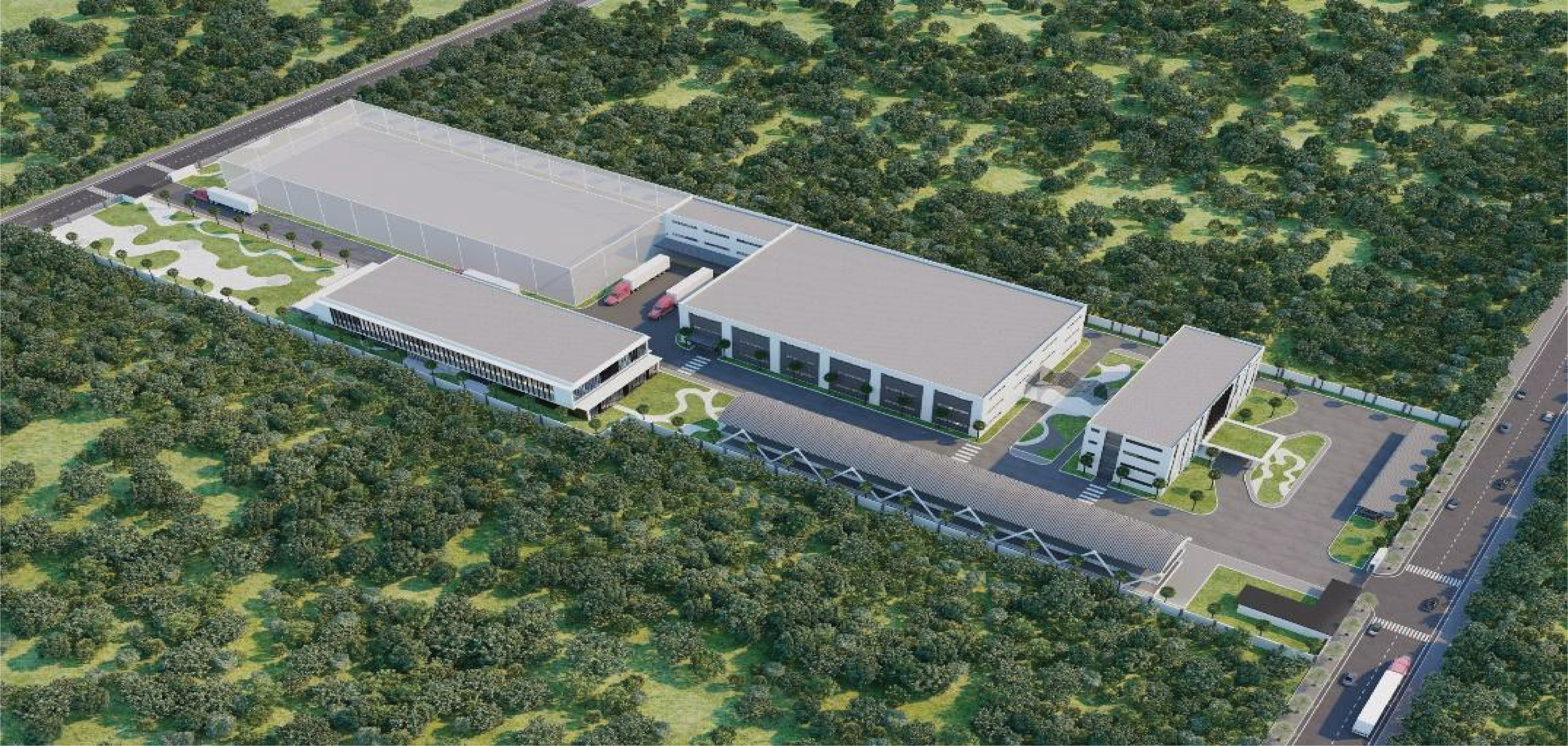
Proven manufacturing infrastructure delivering high-capacity portable power to global brands, tier-1 distributors, and industrial equipment OEMs worldwide.
Key architectural transitions driving the high-capacity power bank manufacturing sector over the next decade.
Modern mobile power stations and high-capacity power banks are shifting away from proprietary protocols toward universal USB Power Delivery (USB PD 3.1 EPR). B2B procurement demands native support for 28V, 36V, and 48V fixed voltage rails alongside Programmable Power Supply (PPS) protocol handling to charge laptops, power tools, and medical workstations seamlessly.
While standard Lithium Nickel Manganese Cobalt (NMC) 18650/21700 cells remain popular for ultra-portable form factors, high-capacity commercial power banks (above 20,000mAh) are aggressively adopting high-density LiFePO4 and semi-solid-state chemistry. This yields enhanced thermal stability, zero thermal runaway propagation, and 3,000+ cycle lifetimes.
Enterprise buyers require transparent power bank diagnostic data. Advanced OEM designs integrate high-resolution color displays or IoT Bluetooth connectivity, showing real-time individual cell voltages, state of charge (SoC), state of health (SoH), internal impedance, board temperature, and accurate remaining runtime calculation down to the second.
| Technical Parameter | Lithium NMC (High Energy Density) | LiFePO4 (Long Life & Safety) | Sodium-Ion (Low Temp & Eco) |
|---|---|---|---|
| Energy Density (Wh/kg) | 220 – 280 Wh/kg | 140 – 180 Wh/kg | 110 – 150 Wh/kg |
| Cycle Life (to 80% Capacity) | 800 – 1,200 Cycles | 3,000 – 5,000 Cycles | 2,000 – 3,500 Cycles |
| Nominal Cell Voltage | 3.6V – 3.7V | 3.2V | 3.0V – 3.1V |
| Fast Charge Rate Capability | 1C – 3C max | 2C – 5C high rate | 3C – 10C ultra fast |
| Low Temp Performance (-20°C) | 70% capacity retention | 55% capacity retention | 88% capacity retention |
| Thermal Runaway Temp | ~210°C | ~270°C (Non-combustible) | ~260°C (Inherently Safe) |
How international buyers, brand owners, and OEM procurement managers are mitigating regulatory risks and optimizing total cost of ownership (TCO).
Global exporters must ensure full compliance with the European Union's mandated digital battery passport, supply chain due diligence, recycled metal content requirements, and strict carbon footprint disclosure starting in 2025/2026. Custom OEM partners must provide complete raw material traceability.
To avoid supply chain vulnerabilities and punitive tariffs, enterprise buyers prioritize OEM manufacturers with multi-region production hubs across Asia (e.g., Vietnam, China) holding unified ISO 9001, ISO 14001, and ISO 45001 accreditations.
High-capacity fast-charging power banks exceeding 100Wh require specialized safety protocols (such as dual physical isolation switches, airline transport mode switches, and UN38.3 drop/thermal shock test certifications) to permit global cargo and carry-on distribution.
From conceptual industrial design to high-speed SMT assembly and automated battery cell sorting, we deliver turnkey manufacturing excellence.
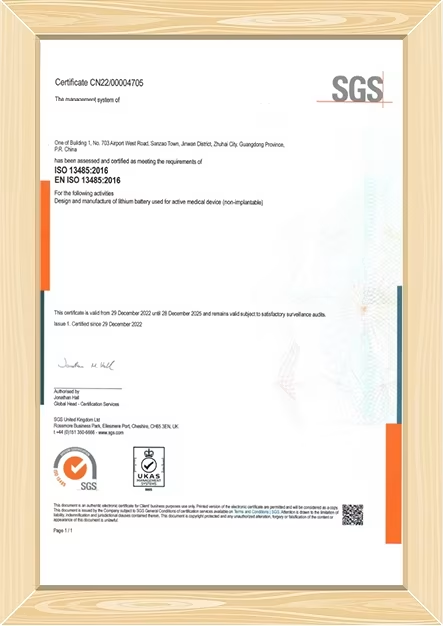 ISO 13485:2016
Medical Device Quality
ISO 13485:2016
Medical Device Quality
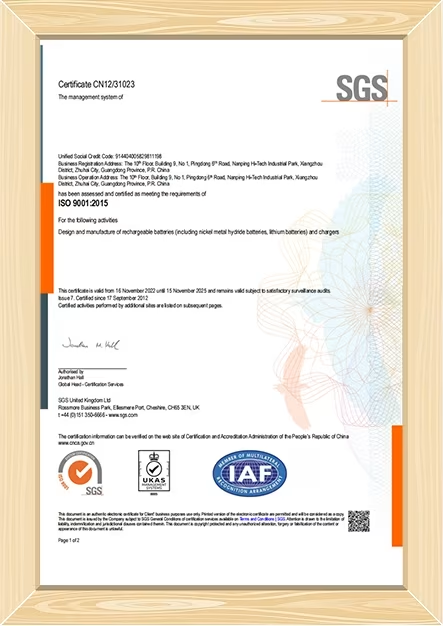 ISO 9001:2015
Quality Management
ISO 9001:2015
Quality Management
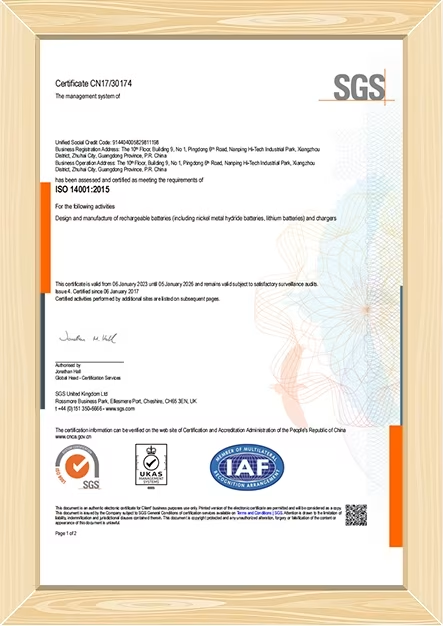 ISO 14001:2015
Environmental Standards
ISO 14001:2015
Environmental Standards
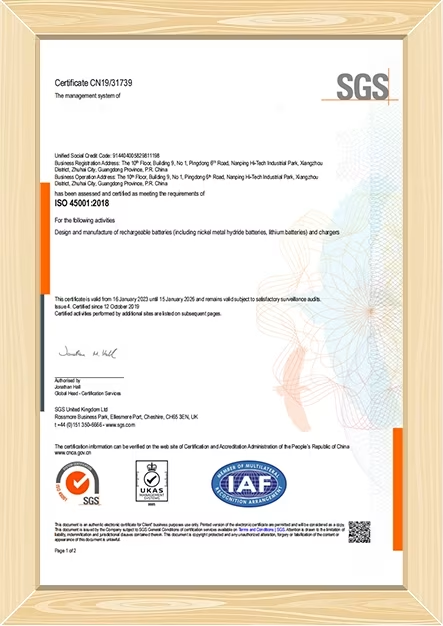 ISO 45001:2018
Occupational Safety
ISO 45001:2018
Occupational Safety
Detailed answers addressing engineering feasibility, minimum order quantities, compliance testing, and custom branding.
Our standard MOQ for full custom OEM power bank manufacturing (including custom tooling enclosures, unique PCBA layout, and branded silk-screening) starts at 1,000 units. For customized branding on existing certified hardware platforms, MOQs start at 500 units.
Passive balancing converts excess energy into heat via resistors, which elevates ambient internal battery temperature and reduces cell lifespan. Active balancing uses capacitive or inductive energy transfer to redistribute energy between cells with up to 92% efficiency, preventing thermal buildup and extending battery pack cycle life by up to 40%.
Our intelligent BMS PCBA designs support USB Power Delivery (USB PD 3.1 EPR up to 240W), Programmable Power Supply (PPS), Qualcomm Quick Charge 5.0/4.0+, UFCS (Universal Fast Charging Specification), Huawei FCP/SCP, and custom industrial DC fast-charge protocols ranging from 12V to 48V inputs.
We design and manufacture battery products to achieve full global compliance, including UL 2056, UL 1642, CE, RoHS, FCC, IEC 62133, CB Scheme, and UN38.3 transport safety certification. Our facilities manage the turnkey testing process with certified labs.
Yes, our R&D engineering team specializes in custom BMS firmware programming. We offer communication protocol integration over SMBus, I2C, UART, RS485, CAN bus, and Bluetooth Low Energy (BLE) to feed state-of-charge, cycle count, and diagnostic data to mobile applications or host devices.
Engineering prototypes and 3D-printed functional samples are delivered within 10–14 days. Custom plastic injection or metal stamping mold tooling requires 25–35 days. Non-Recurring Engineering (NRE) costs vary based on industrial design complexity and are fully refundable upon reaching target production volume milestones.
We employ a multi-layered thermal management strategy combining Gallium Nitride (GaN) semiconductors, high-thermal-conductivity copper heat sinks, Phase Change Material (PCM) encapsulation, and multi-point NTC thermistor array monitoring connected to hardware-level temperature shutdown logic.
Power banks under 100Wh (27,000mAh at 3.7V) are universally approved for passenger aircraft carry-on baggage under IATA regulations. For enterprise power stations exceeding 100Wh, we engineer modular battery pack architectures or specialized air transport isolation switches to meet commercial aviation guidelines.
Partner with an ISO 9001 & ISO 13485 certified OEM manufacturer. Work directly with our senior battery R&D engineers to receive a complete DFM analysis, schematic review, and competitive factory-direct quote.