Direct OEM/ODM Supply Chain Solutions Engineered for Continuous Base Station Operation & Smart Energy Storage Integration.
The rapid global rollout of 5G telecommunication networks has fundamentally altered the power consumption profile of telecom tower base transceiver stations (BTS). Unlike 4G towers, 5G macro stations demand up to three times more peak power due to active antenna units (AAU) and massive MIMO array configurations. Consequently, traditional Valve-Regulated Lead-Acid (VRLA) batteries have proven completely inadequate for modern tower requirements, failing under thermal stress, heavy cycling, and restricted space envelopes.
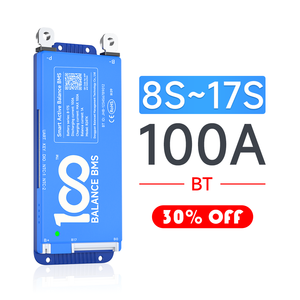
As a premier China wholesale telecom tower lithium battery system factory and OEM supplier, APEX Mobile Power engineers industrial-grade 48V and 51.2V Lithium Iron Phosphate (LiFePO4) energy storage modules designed to replace legacy systems seamlessly. By integrating advanced capacitive and inductive Active Balance Battery Management Systems (BMS), our telecom battery systems achieve unmatched thermal stability, high energy density, and extended cycle longevity exceeding 6,000 charge-discharge cycles at 80% Depth of Discharge (DoD).
This comprehensive industry whitepaper outlines the structural architecture, active equalization physics, future wholesale procurement trends, and rigorous manufacturing certifications necessary for telecom operators, tower companies (TowerCos), and system integrators to achieve lowest Total Cost of Ownership (TCO) and zero-downtime grid independence.
Telecom tower battery back-up systems must guarantee uninterrupted operational power during utility grid outages, voltage sags, and environmental extremes. Standard passive balancing BMS architectures dissipate excess cell energy as heat through resistors, creating thermal hot spots inside sealed 19-inch rack-mount enclosures and wasting precious reserve energy.
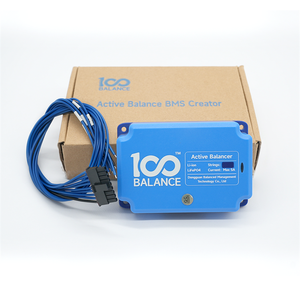
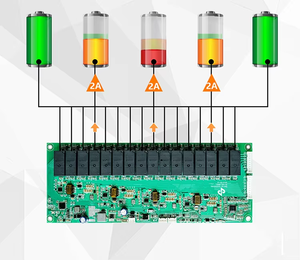
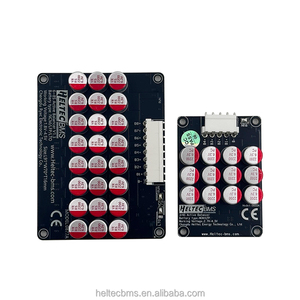
APEX Mobile Power incorporates advanced Active Balance Equalizers (capacitive and transformer-based energy transfer circuits) across our 16S 48V/51.2V telecom modules. Rather than burning off energy from high-voltage cells, active balancers continuously shuttle electrical charge directly from higher-voltage cells to lower-voltage cells with up to 95% efficiency and equalization currents ranging from 0.6A to 5.5A.
| Technical Parameter | Passive Balancing (Legacy) | Active Equalization (APEX System) | Telecom Operator Benefit |
|---|---|---|---|
| Equalization Current | 35mA – 100mA (Dissipative) | 0.6A – 5.5A Dynamic Energy Transfer | 50x faster cell voltage alignment |
| Thermal Impact | High localized heat generation | Near-zero heat generation (<2°C rise) | Prevents thermal runaway risks in enclosed cabinets |
| Usable System Capacity | Limited by weakest cell (~80-85%) | Maximizes full capacity utilization (>98%) | Extended backup runtime during long outages |
| Module Lifespan | 3 - 5 Years in harsh climates | 10 - 15 Years continuous operation | Substantially reduced maintenance and site visits |
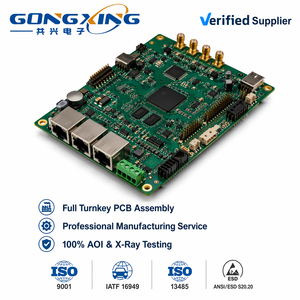
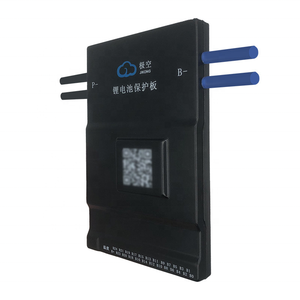
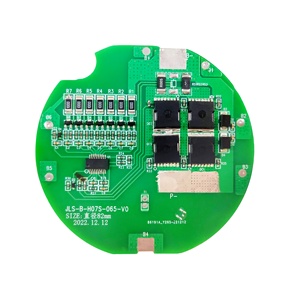
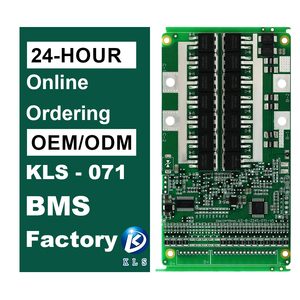
Modern telecom tower management requires complete real-time visibility. Our customized BMS PCBA solutions are equipped with multi-protocol communication buses:
APEX Mobile Power operates state-of-the-art automated manufacturing plants certified under global quality standards including ISO 9001:2015, ISO 14001:2015, ISO 45001:2018, and the stringent medical-grade ISO 13485:2016 quality management system.
Every telecom battery pack undergoes 100% cell sorting and capacity grading using high-precision automated testing channels. Cells are matched within micro-tolerances (≤2mV voltage variance, ≤0.5mΩ internal resistance variance) before automated laser welding and structural assembly.
Our 60+ dedicated R&D engineers reinvest 8% of annual revenue into next-generation battery safety research, including solid-state electrolyte integration, thermal barrier insulation, and multi-tier hardware protection circuits.
Send an Inquiry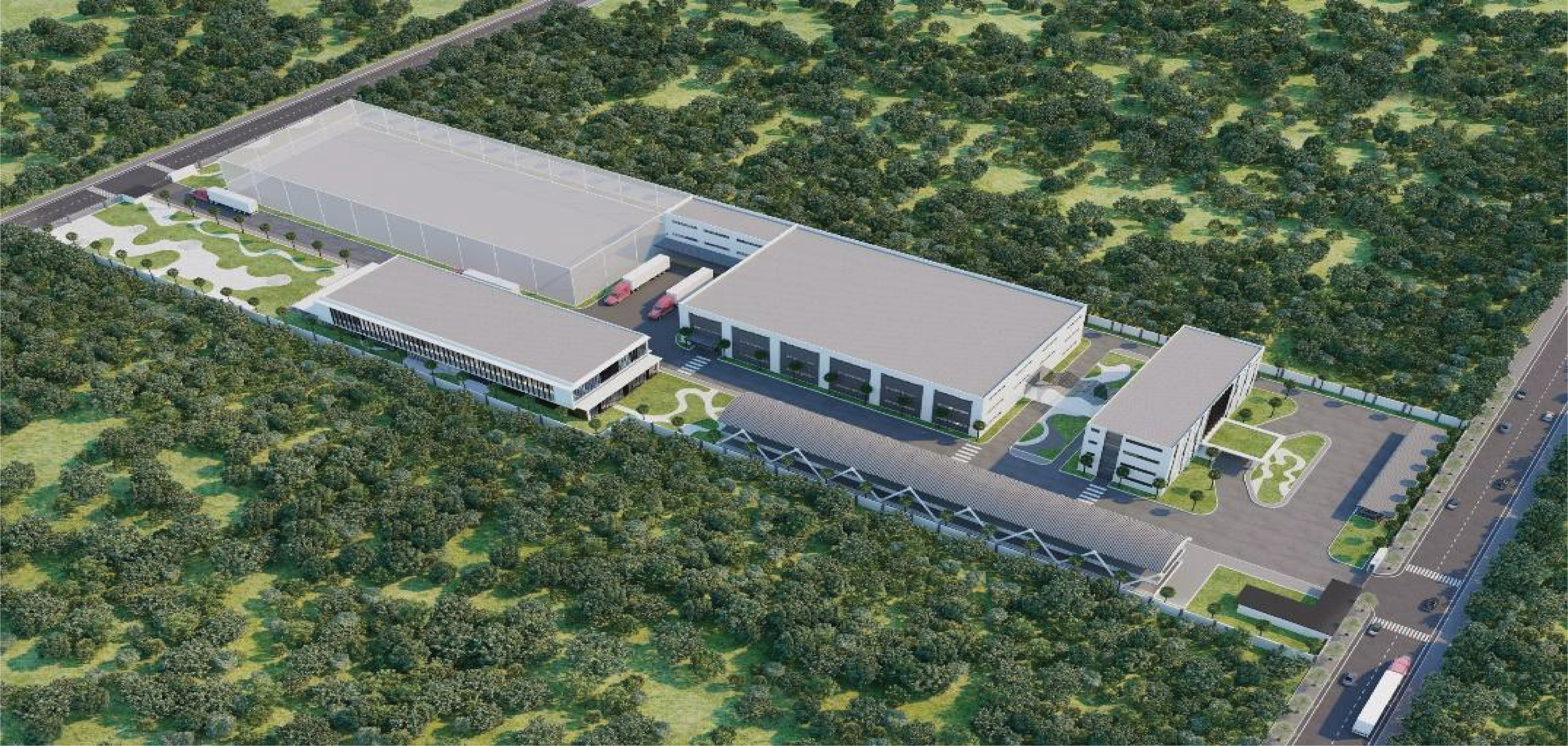
Our global factory complex maintains multi-tier international compliance to guarantee seamless customs clearance, regulatory acceptance, and field reliability across North America, Europe, Asia-Pacific, and Africa.
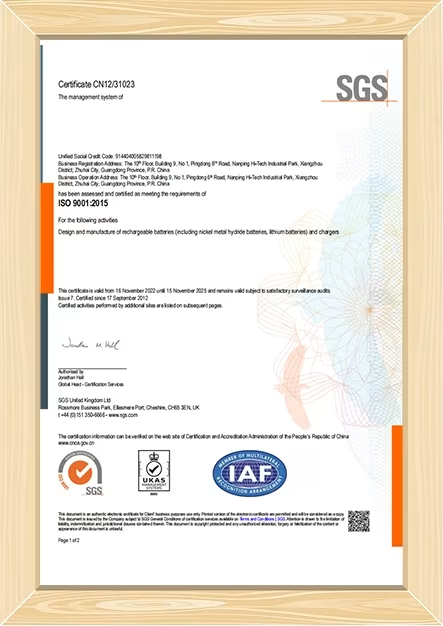 ISO 9001:2015
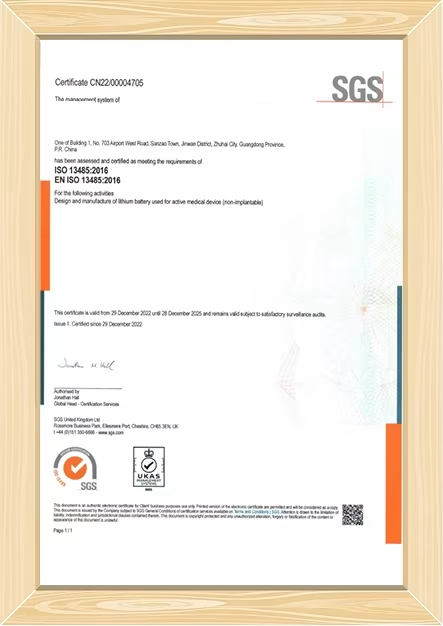 ISO 13485:2016
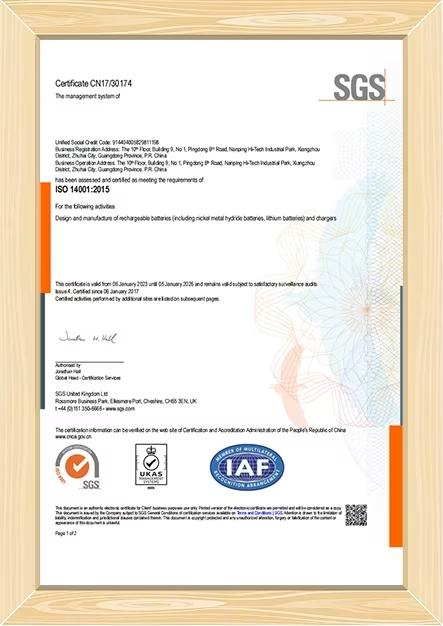 ISO 14001:2015
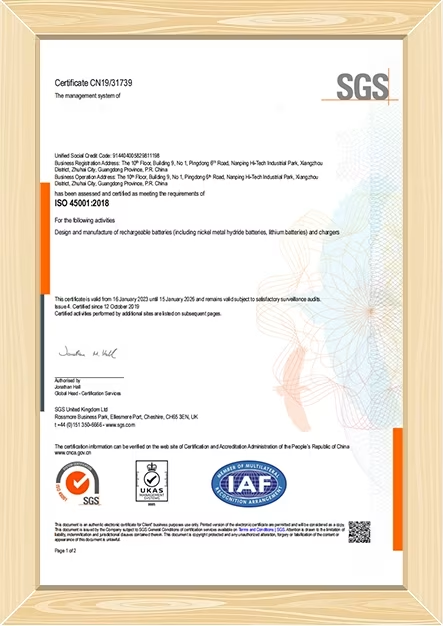 ISO 45001:2018
As global telecom infrastructure evolves toward net-zero carbon targets and decentralized microgrids, telecom power procurement strategies are shifting dramatically. B2B buyers must align their supply chains with four major technological trends:
Off-grid and weak-grid telecom towers are rapidly adopting hybrid energy systems combining solar PV arrays, wind turbines, and high-rate LiFePO4 battery banks. Modern telecom batteries must support wide charge-voltage windows and fast acceptance of solar impulse currents. Our 48V telecom modules support high-C rate continuous charging, enabling rapid energy capture during short solar peak windows.
While LiFePO4 remains the dominant chemistry for high-density energy storage, Sodium-Ion (Na-Ion) batteries are emerging as a complementary technology for sub-zero operating environments (-40°C to +60°C) without requiring active thermal heating elements. OEM suppliers capable of providing dual chemistry (LiFePO4 & Na-Ion) options will hold significant market leverage.
Environmental regulations increasingly require telecom operators to demonstrate end-of-life battery traceability. Advanced Smart BMS with cloud logging track cumulative throughput, enabling secondary deployment of retired EV cells into stationary telecom backup applications before final recycling.
Leading TowerCos are transforming telecom battery assets from passive backup units into revenue-generating Virtual Power Plant (VPP) nodes. By leveraging active balancing BMS and smart bi-directional inverters, towers can feed peak power back into local electricity grids during high-demand periods, creating new monetization channels for infrastructure owners.

Request a customized engineering consultation, technical datasheets, or wholesale factory pricing today.
Send an Inquiry