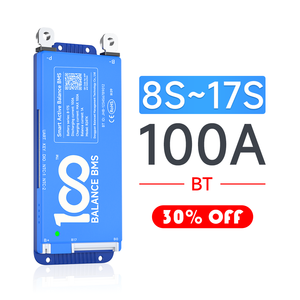
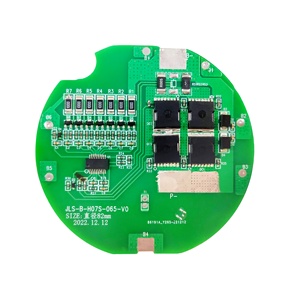
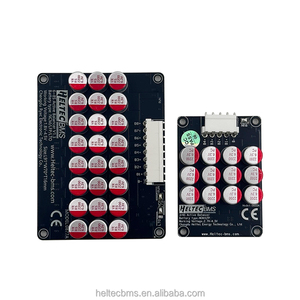
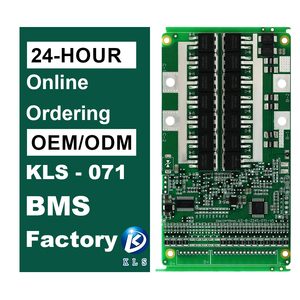
The global recreational vehicle (RV), campervan, and marine off-grid energy sectors are undergoing an unprecedented technological evolution. Traditional Lead-Acid, AGM (Absorbed Glass Mat), and primitive passive-balanced lithium packs are rapidly being superseded by China wholesale RV smart LiFePO4 battery modules equipped with high-current active balancers. As commercial RV fleet builders, motorized home manufacturers, and off-grid power integrators scale their production, purchasing decisions are no longer governed purely by initial cost-per-watt. Instead, engineering teams prioritize total energy efficiency, thermal stability, multi-protocol communication (CANbus, RS485, NMEA 2000), and dynamic cell equalization.
Lithium Iron Phosphate (LiFePO4) chemistry is inherently superior due to its intrinsic thermal stability, non-combustible olivine crystal structure, and exceptional longevity. However, in large multi-cell configurations (such as 12V 4S, 24V 8S, or 48V 16S modules), individual cell voltage drift is mathematically inevitable over hundreds of charge-discharge cycles. Traditional passive BMS designs bleed off excess voltage as waste heat through resistive loads at low balance currents (often 30mA to 100mA). In high-capacity RV batteries (200Ah to 1000Ah), passive balancing fails to prevent cell divergence, resulting in early capacity degradation, premature BMS shutdown, and severe usable energy loss.
Understanding the core mechanics of capacitive and inductive active balancing in enterprise-grade RV LiFePO4 battery manufacturing.
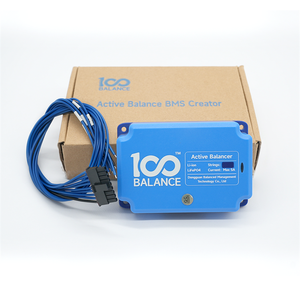
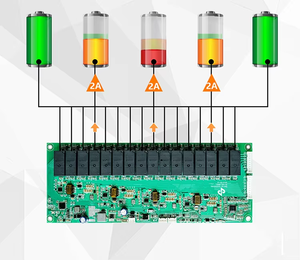
Unlike resistive passive bleeding, our smart active balancers utilize high-frequency capacitive or inductive energy transfer to relocate charge directly from higher-voltage cells to lower-voltage cells. Operating continuously across charge, discharge, and rest cycles at up to 5.5A balance current, system energy efficiency exceeds 95% while suppressing cell voltage variance under 0.005V.
Equipped with isolated CANbus 2.0B, dual RS485 ports, and optional Bluetooth 5.0 / GPS telematics modules. Fully compatible with leading off-grid hybrid inverters (Victron Energy, SMA, Schneider, Deye, Voltronic) and marine display protocol standards (NMEA 2000) for real-time monitoring of SoC, SoH, and cell temperature.
Charging lithium iron phosphate cells below 0°C (32°F) risks irreversible lithium plating and internal short circuits. OEM RV modules incorporate built-in silicone PTC thermal heating pads managed by the smart BMS. The system automatically routes incoming charge current to warm cells to 5°C before initiating high-rate battery charging.
An engineering comparison detailing performance metrics across battery chemistries and balancing architectures for commercial buyers.
| Performance Specification | Smart Active-Balanced RV LiFePO4 | Standard Passive BMS LiFePO4 | Legacy Deep-Cycle AGM / GEL |
|---|---|---|---|
| Usable Depth of Discharge (DoD) | up to 100% (90% recommended) | 80% max DoD | 50% max DoD |
| Cycle Life (@ 80% DoD, 25°C) | 4,000 – 6,000+ Cycles | 2,000 – 3,000 Cycles | 300 – 500 Cycles |
| Balancing Mechanism & Current | Capacitive/Inductive Active (1.0A – 5.5A) | Resistive Passive (0.03A – 0.1A) | N/A (Natural Overcharge Bleed) |
| Cell Voltage Delta Control | < 0.005V Constant Alignment | 0.030V – 0.100V (Drifts under heavy load) | High Monoblock Variance |
| System Energy Efficiency | > 97% Conversion Efficiency | 90% – 92% (Heat losses) | 75% – 80% (Peukert's Losses) |
| Sub-Zero Charge Capability | Integrated Self-Heating (-30°C operational) | Manual Low-Temp Cutoff Only | Severely Reduced Capacity |
| Communication Telematics | CANbus, RS485, Bluetooth, NMEA 2000 | Basic LED or None | None |
| Weight Ratio per Usable kWh | 11.5 kg / kWh (Ultra-Lightweight) | 14.0 kg / kWh | 32.0 kg / kWh (Heavy) |
Strategic purchasing insights for B2B distributors, OEM vehicle integrators, and brand owners navigating the 2025-2030 energy transition.
As modern luxury RVs and off-road expedition rigs incorporate high-power AC loads—such as 3600W+ induction cooktops, dual inverter air conditioners, and rapid EV-towing charging—12V systems face unsustainable current bottlenecks (exceeding 300A-400A continuous draw). Sourcing trends demonstrate a massive shift toward 48V (51.2V nominal) 16S LiFePO4 modular architecture. 48V systems reduce copper wiring gauge requirements by 75%, minimize thermal line losses, increase inverter efficiency, and enable seamless coupling with high-voltage solar charge controllers.
Commercial RV fleet rental operators and OEM vehicle builders are demanding real-time connectivity. Modern smart BMS units now feature embedded 4G IoT modules and cloud API integration. This allows fleet managers to remotely track battery State of Charge (SoC), monitor cell degradation trends, detect thermal anomalies prior to failure, and perform over-the-air (OTA) firmware updates. AI predictive maintenance algorithms optimize active balancing parameters based on historical user discharge patterns.
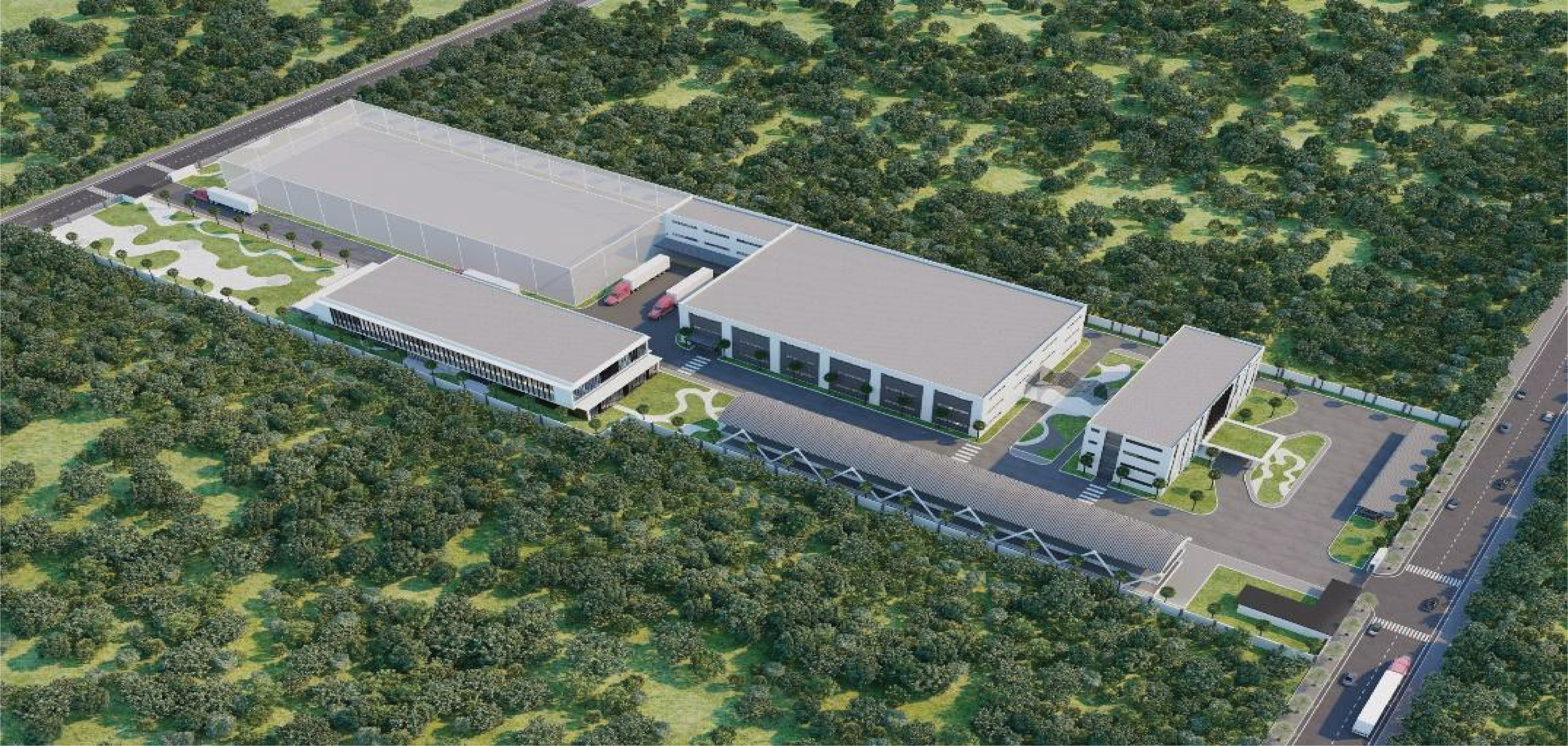
Global geopolitical factors and international trade tariffs have forced procurement managers to seek manufacturers with diversified, flexible production footprints. Leading China wholesale lithium battery manufacturers are expanding state-of-the-art overseas manufacturing hubs (such as Vietnam and Malaysia campuses) alongside domestic facilities. This dual-location strategy guarantees uninterrupted supply chain continuity, complies with stringent rules of origin, and significantly reduces import duties for North American and European importers.
Regulatory authorities in key markets are tightening safety protocols for mobile energy storage systems. B2B procurement standard specifications now explicitly mandate IATF 16949 quality management certification alongside UL 1973 (Stationary/RV Batteries), UN38.3 (Transport Safety), and UL 9540A thermal runaway propagation testing. Custom module manufacturers offering certified explosion-proof pressure relief valves, flame-retardant epoxy barriers, and localized thermal isolation win long-term OEM supply contracts.
As cell manufacturing technology matures, the energy density of commercial LiFePO4 prismatic cells (such as 280Ah, 304Ah, and 314Ah Form Factors) has surpassed 165 Wh/kg at the cell level. The next stage of development focuses on module-level integration innovations:
APEX Mobile Power is a premier global developer and manufacturer of custom OEM lithium-ion battery packs, smart active-balanced BMS protection circuit boards, and industrial energy storage systems. Backed by over 14 years of specialized battery engineering experience and a team of 60+ dedicated R&D engineers, we transform complex customer power requirements into reliable, certified mass-production solutions.
Our manufacturing facilities are independently audited and certified to internationally recognized standards: ISO 9001:2015 (Quality Management), ISO 13485:2016 (Medical Device Quality Standards), ISO 14001:2015 (Environmental Management), and ISO 45001:2018 (Occupational Health & Safety). Reinvesting over 8% of annual revenue into continuous power electronics research, we maintain strict vertical control over every step of the production process—from cell grading and SMT board assembly to laser busbar welding, environmental stress testing, and final quality assurance.
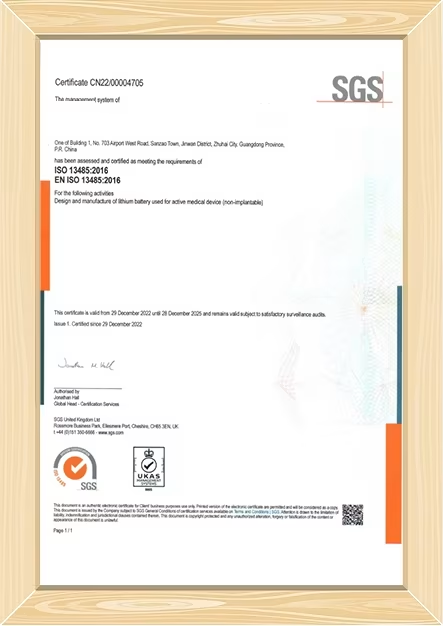 ISO 13485:2016
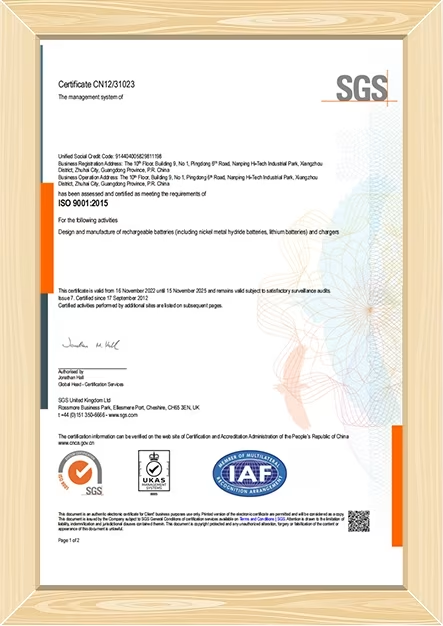 ISO 9001:2015
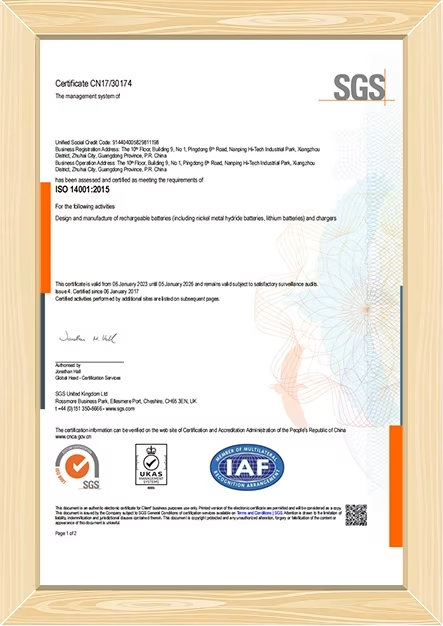 ISO 14001:2015
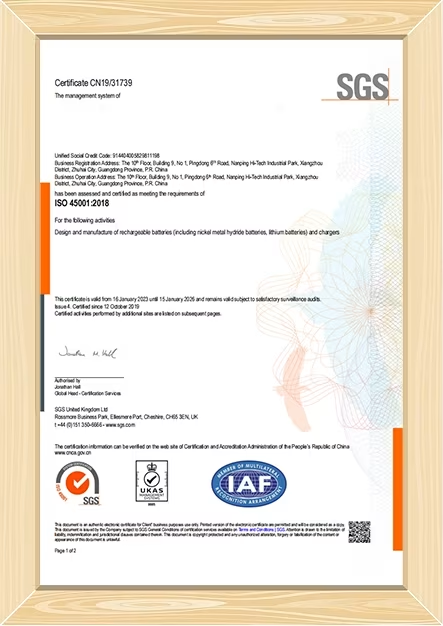 ISO 45001:2018
Partner directly with China's leading wholesale smart LiFePO4 module manufacturer. Speak with our application engineers today to request technical datasheets, CAD 3D models, sample prototypes, and wholesale factory pricing.
Get Catalog