Engineered by leading Chinese OEM manufacturers to guarantee 24/7 continuous uptime, active cell balancing, and extended battery cycle life for outdoor surveillance security systems.
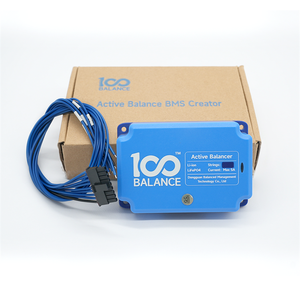
5A continuous energy-transfer capacitive active balancer for 48V LiFePO4 and NMC security backup packs. Eliminates thermal imbalance across series cells.
Next-generation Seplos 3.0 active balance protection system. Features multi-protocol CAN/RS485 communication designed for solar CCTV towers.
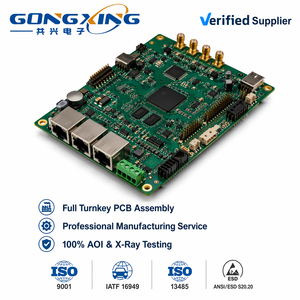
Automotive-grade custom PCBA design with active balancing. Built in IATF 16949 certified electronics manufacturing facilities for extreme reliability.
7S to 24S intelligent BMS platform featuring continuous active balancing, onboard LCD status display, and optional GPS telemetry for remote monitoring.
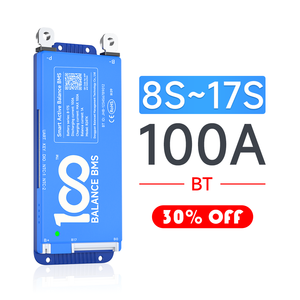
Dedicated 16S 48V protection circuit module with high-precision active balancing. Designed for security rack power units and telecom backup stations.
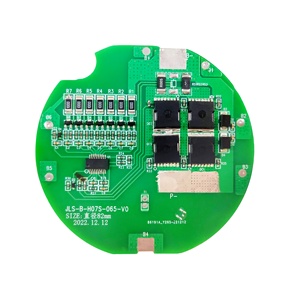
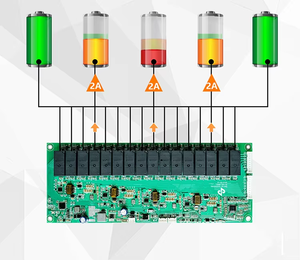
Heavy-duty aluminum heatsink housing module supporting up to 64 series cells with 2A dynamic balancing current for outdoor industrial security power.
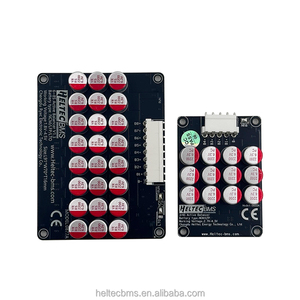
High-efficiency energy transfer capacitor equalizer delivering up to 5.5A balance current across 4S-21S packs to optimize multi-battery surveillance banks.
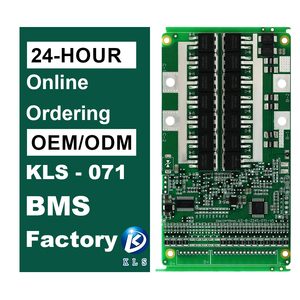
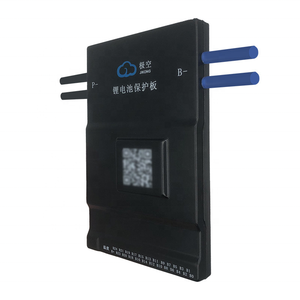
Commercial-grade 150A high-current LiFePO4 battery protection board with precision active cell management for security surveillance power stations.
Our state-of-the-art production campus integrates vertical cell testing, automatic SMT assembly, active balance calibration, and full environmental stress testing.
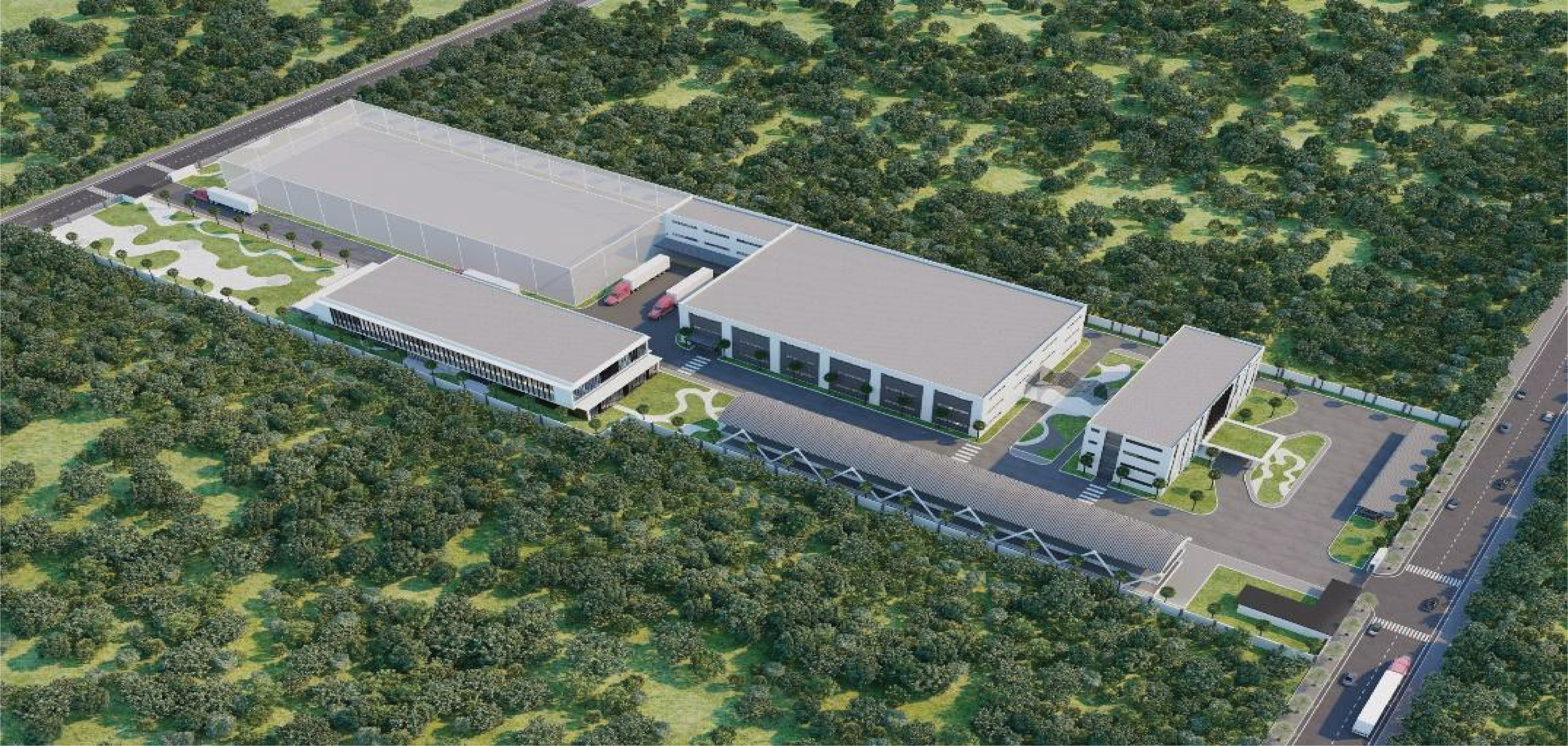
As a leading China OEM/ODM factory specializing in high-reliability power systems, our facilities are independently audited and certified under international standards to guarantee non-stop performance for critical CCTV surveillance infrastructure.
In modern physical security architecture, video surveillance cameras, license plate recognition (LPR) systems, thermal perimeter sensors, and wireless transmission towers represent the first line of defense for critical infrastructure, smart cities, and remote commercial assets. Unlike standard consumer electronics or stationary home battery backups, security surveillance system lithium batteries operate under grueling environmental and electrical conditions: perpetual charge-discharge cycles, continuous micro-current loads, outdoor temperature swings ranging from sub-zero winters (-40°C) to intense desert heat (+75°C), and off-grid solar variability.
Sourcing power hardware from tier-1 China best security surveillance system lithium battery factories has become a vital strategic procurement decision for global system integrators. China's battery manufacturing ecosystem has evolved far beyond raw cell production into advanced full-stack power system engineering. Modern Chinese OEM factories integrate lithium iron phosphate (LiFePO4) chemistry with intelligent Active Balance Battery Management Systems (BMS), capacitive equalizers, and IoT cloud telemetry—delivering over 6,000 deep discharge cycles and zero-downtime uninterrupted power supply (UPS) capabilities.
Selecting the optimal battery chemistry for outdoor video surveillance depends on critical engineering metrics: thermal stability, cycle life, energy density, and Total Cost of Ownership (TCO). Chinese OEM manufacturers primarily offer three core lithium chemistries for security applications. The table below details their technical characteristics:
| Performance Characteristic | LiFePO4 (Lithium Iron Phosphate) | NMC (Nickel Manganese Cobalt) | LTO (Lithium Titanate Oxide) |
|---|---|---|---|
| Nominal Voltage (Cell) | 3.2 V | 3.6 V / 3.7 V | 2.3 V |
| Cycle Life (80% DoD) | 4,000 – 6,500 Cycles | 1,500 – 2,500 Cycles | 15,000 – 25,000 Cycles |
| Operating Temp Range | -20°C to +65°C | -20°C to +55°C | -40°C to +75°C |
| Thermal Runaway Temp | ~270°C (Ultra Safe) | ~210°C (Moderate) | >300°C (Extreme) |
| Energy Density (Wh/kg) | 140 – 170 Wh/kg | 200 – 260 Wh/kg | 80 – 110 Wh/kg |
| Primary Application | Solar CCTV, Smart City Poles, UPS | Compact Mobile Surveillance Carts | Extreme Cold/Hot Military Security |
| OEM Sourcing Cost Efficiency | Highest (Industry Standard) | Moderate | Higher Initial CAPEX |
For over 90% of outdoor security surveillance infrastructure, LiFePO4 chemistry combined with a high-current Active Balance Smart BMS represents the sweet spot for reliability, safety, and operational payback. Leading Chinese factories manufacture standardized 12.8V, 25.6V, and 48V rack-mount or pole-mount LiFePO4 battery modules equipped with high-efficiency active balance equalizers (such as 2A to 5.5A balance boards) to maintain cell voltage equilibrium across multi-year field deployments.
Engineering innovation across China's leading security battery factories is being driven by five core technological trends:
Transitioning from traditional passive dissipative balancing to active capacitive and inductive energy transfer. Active balancers dynamically transfer charge from overcharged cells to lower-voltage cells during both charge and discharge cycles, preventing capacity bottle-necking in 16S 48V battery strings.
Integration of RS485, CANbus, Bluetooth 5.0, and 4G/GPS telemetry directly into the BMS hardware (e.g., JIKONG JK-BD6A24S15P platform). Security technicians can monitor individual cell voltages, temperature sensors, State of Charge (SoC), and State of Health (SoH) via cloud dashboards without physical site visits.
Incorporation of internal PTC heating films managed by the Smart BMS. When ambient temperatures drop below 0°C, incoming solar or grid power is automatically routed to pre-heat the cells to safe charging thresholds, preventing lithium plating and permanent capacity degradation.
Combining Maximum Power Point Tracking (MPPT) solar charge controllers, AC/DC chargers, and Smart BMS boards into unified IP67 weather-proof metal enclosures. This streamlines OEM assembly for off-grid highway monitoring poles and agricultural security setups.
Global procurement teams evaluating Chinese battery manufacturers must navigate technical specifications, quality control protocols, and supply chain logistics. To maximize Return on Investment (ROI) and minimize operational risk, procurement officers should follow a structured evaluation framework:
Security cameras and NVR/DVR storage operate continuously 24 hours a day, 365 days a year. Passive BMS systems balance cells by burning off excess charge as heat through resistors—only during the final stage of charging. Over months of continuous operation, slight cell drift causes premature pack shut-down as the weakest cell triggers low-voltage cut-off. Active Balance BMS dynamically shifts energy from higher-voltage cells to lower-voltage cells throughout both charge and discharge cycles at high currents (up to 5A). This maintains 100% cell consistency, prevents localized thermal buildup inside IP67 surveillance boxes, and prolongs battery pack life by up to 100%.
Top-tier China lithium battery factories engineer environmental resilience through multi-layered thermal management: (1) Low-Temperature Protection & Self-Heating: Smart BMS boards trigger embedded heating pads before allowing charge currents in freezing weather, preventing irreversible lithium dendrite formation. (2) High-Temperature Aluminum Heatsinks: Industrial BMS solutions (like the KLS 64S 120A series) utilize heavy-duty extruded aluminum casings and thermal silicone gel pads to rapidly dissipate MOSFET heat. (3) Tier-1 Cell Chemistry: Utilizing LiFePO4 or LTO cells with extended thermal stability indices prevents thermal runaway up to 270°C ambient exposure.
Traditional Sealed Lead-Acid (SLA) or Gel batteries offer a limited life of 300 to 500 cycles under deep discharge, requiring costly field replacements every 1.5 to 2 years. In contrast, Grade-A LiFePO4 batteries manufactured by OEM China factories provide 4,000 to over 6,000 deep cycles (80% Depth of Discharge), lasting 10+ years without maintenance. While the initial purchasing cost (CAPEX) of LiFePO4 is approximately 1.5x higher than SLA, the Total Cost of Ownership (OPEX) is reduced by 60-70% due to zero maintenance, zero emergency truck rolls, higher round-trip efficiency (98% vs 75%), and smaller physical footprint on surveillance mounting poles.
Leading Chinese OEM manufacturers provide end-to-end custom engineering: (1) Voltage & Capacity Configuration: Custom voltage series (12V, 24V, 36V, 48V, 72V) and scalable Ah capacities tailored to specific load profiles. (2) BMS Protocol Customization: Modbus RS485, CAN 2.0B, SNMP for network UPS integration, and custom mobile apps. (3) Mechanical Enclosures: Custom IP65/IP67 rated weather-proof steel or aluminum enclosures, bracket mountings for pole attachment, and anti-vibration shock mounts. (4) Branding & Packaging: Custom silk-screen branding, private labels, custom cable lengths, and plug-and-play connectors (M12, Anderson, Weipu, aviation sockets).
To ensure smooth customs clearance and regulatory compliance in North America, Europe, and Asia-Pacific, verify that your Chinese supplier provides: UN38.3 Transport Testing Report, MSDS (Material Safety Data Sheet), Air/Sea Transportation Safety Certificates, IEC 62619 (industrial lithium safety), UL 1973 (stationary battery energy safety), CE-EMC, and RoHS compliance. Factories holding ISO 9001, ISO 14001, and IATF 16949 accreditations ensure consistent lot-to-lot production quality.