Engineered for high-stress duty cycles, continuous heavy power output, and advanced thermal management
Empowering global OEMs with custom lithium power packs and intelligent power distribution networks
The global heavy machinery sector—spanning earthmoving excavators, underground mining haul trucks, wheel loaders, port gantry cranes, and mobile elevated work platforms (MEWPs)—is undergoing an aggressive technological paradigm shift. Driven by strict global carbon emissions legislation (EU Stage V, US EPA Tier 4 Final, and China IV non-road standards), coupled with the economic imperative to minimize diesel fuel consumption and operational expenditure (OPEX), industrial OEMs are accelerating the transition from traditional internal combustion engines (ICE) toward zero-emission electric powertrain platforms.
However, electrifying heavy machinery presents vastly different engineering hurdles compared to light commercial electric vehicles (EVs). Heavy equipment operates under continuous high-power load cycles, harsh shock and vibration environments (reaching up to 25G), extreme operating ambient temperatures (-40°C to +65°C), and demanding dust/water ingress conditions (IP67 / IP69K requirements). Consequently, selecting a high-precision, industrial-grade China OEM supplier for heavy machinery lithium power packs has become a strategic procurement mandate for international original equipment manufacturers.
Key Procurement Insight: Unlike light automotive EVs operating on intermittent load cycles, heavy machinery lithium battery architectures demand sustained C-rate discharge capability, advanced active balance cell equalization, and structural mechanical integrity capable of enduring continuous 10-hour working shifts without thermal degradation.
From a fleet management and procurement perspective, while the initial capital expenditure (CAPEX) for a lithium-powered electric excavator or mining truck is approximately 20% to 35% higher than its diesel counterpart, the operational economy yields a complete investment payback within 18 to 24 months.
| Evaluation Parameter | Diesel Engine Powertrain | Standard NMC Lithium Pack | Heavy-Duty Active Balance LiFePO4 Pack |
|---|---|---|---|
| Energy Efficiency Ratio | 25% – 35% (Thermal Loss High) | 85% – 90% | 94% – 97% (Optimal Efficiency) |
| Operating Life Cycle | 8,000 Overhaul Hours | 1,500 – 2,500 Cycles | 4,000 – 6,000 Cycles (8-12 Years) |
| Thermal Stability Limit | High Risk (Combustible Fuel) | Thermal Runaway @ 210°C | Ultra-Safe Runaway @ 270°C+ |
| Maintenance Overhead | High (Oil, Filters, Hydraulics) | Low (BMS Checks) | Minimal (Zero Fuel Maintenance) |
| Equalization Efficiency | N/A | Passive Balancing (Heat Waste) | Active Balance (2A-5A Energy Transfer) |
In high-voltage heavy machinery battery arrays (typically configured in 48V, 80V, 350V, 600V, or up to 800V DC architectures), hundreds of individual lithium-ion cells are wired in series and parallel. Over hundreds of deep charging and discharging cycles, minor variations in cell internal resistance (IR), self-discharge rate, and capacity result in cell voltage divergence.
Traditional passive battery management systems (BMS) dissipate excess energy from higher-voltage cells through resistive heat dissipation. In heavy-duty industrial applications, this approach is fundamentally flawed: passive balancing generates severe localized heat within the enclosure and operates at negligible balancing currents (typically 30mA to 100mA), which is completely ineffective for high-capacity 100Ah – 308Ah industrial battery blocks.
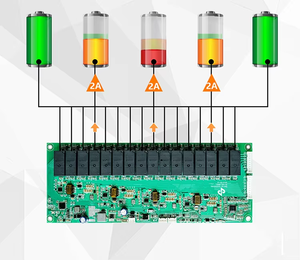
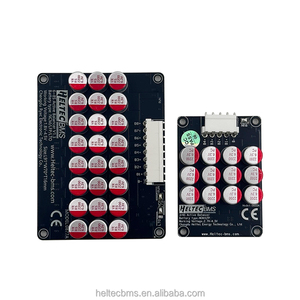
Utilizes high-frequency switched capacitor topologies to dynamically transfer charge directly from high-voltage cells to lower-voltage cells. Achieving transfer currents up to 5A with minimal energy loss.
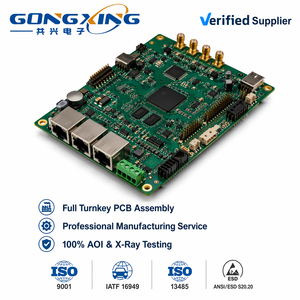
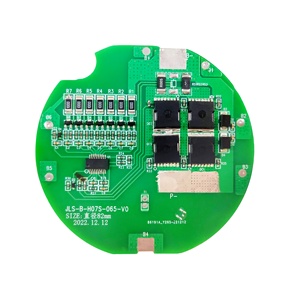
Designed on multi-layer copper PCB boards certified to IATF 16949 and ISO 13485 manufacturing standards. Incorporating hardware-level dual overcurrent, overvoltage, and short-circuit protection loops.
Cast-aluminum heat-sink housings filled with silicone thermal gel. Engineered to endure continuous pressure washing, sub-zero vibration, and direct dust contamination in heavy mining zones.
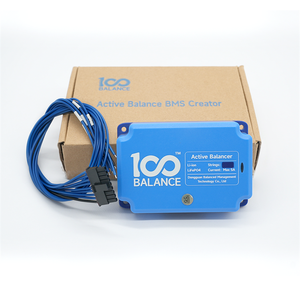
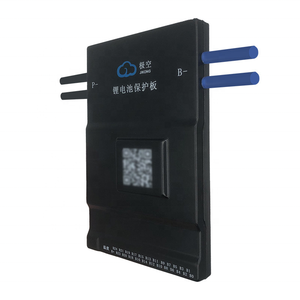
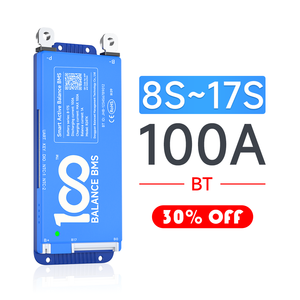
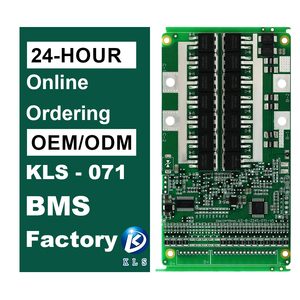
By implementing advanced **Active Balance BMS Technology** (such as our 2A–5.5A capacitive and inductive balancing modules featured above), cell voltage imbalance is continuously rectified during charge, discharge, and rest states. This increases usable battery energy yield by 12% to 18%, extends overall pack cycle life by up to 40%, and mitigates thermal hotspot creation—the primary catalyst for lithium cell degradation.
As global equipment manufacturers re-engineer their chassis platforms for full electrification, purchasing directors and engineering teams must align their supply chain strategies with key emerging technological trends:
Lowering current draw reduces thermal heat loss across heavy gauge wiring (P = I²R). Moving from legacy 48V/80V systems to 600V–800V architectures allows heavy machines to support 350kW+ Ultra-Fast Megawatt Charging Systems (MCS), replenishing 80% battery capacity in under 25 minutes during operator shift changes.
Next-generation OEM battery packs come equipped with integrated 5G/GPS telematics modules and CANbus 2.0B / J1939 protocols. AI algorithms analyze real-time internal resistance growth, temperature variations, and cell degradation vectors to predict pack maintenance weeks before component failure.
While air-assisted cooling fails under high ambient construction heat, dielectric liquid cooling—where coolant circulates directly around prismatic cells—ensures pack temperatures remain strictly within the optimal 25°C to 35°C zone even under continuous 3C discharge rates.
European and North American regulatory mandates require comprehensive carbon footprint tracking across the entire battery lifecycle. Premier Chinese OEM exporters are establishing audited recycling loops and micro-traceability databases for cell mineral provenance.
Selecting the right China OEM manufacturing partner requires auditing rigorous quality control frameworks, engineering depth, and international certification credentials. APEX Mobile Power / Ecolux Energy stands out as an established industry benchmark, leveraging over 14 years of specialized OEM battery pack engineering.
Our manufacturing complexes operate under full SGS-accredited management systems, assuring international buyers of uncompromised quality control, traceability, and environmental stewardship:
Vertical Integration Advantage: With over 60 dedicated R&D engineers on staff and 8% of annual revenue reinvested directly into power electronics innovation, we offer complete turn-key custom engineering—from custom thermal enclosures and active BMS firmware customization to prototype delivery in under 21 days.
Answers to crucial technical and commercial questions encountered by equipment manufacturers purchasing lithium power solutions from China.