Engineered for heavy-duty electric forklifts, material handling AGVs, and industrial motive energy storage.
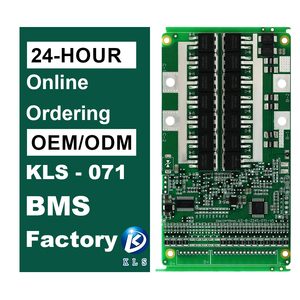
The global material handling industry is undergoing an unprecedented transition from traditional internal combustion (IC) engines and legacy lead-acid batteries to ultra-efficient, zero-emission Lithium Iron Phosphate (LiFePO4) motive power. As logistics hubs, distribution centers, and manufacturing plants operate under intensive 24/7 schedules, the demand for high-reliability electric forklift lithium-ion battery packs has skyrocketed. China has emerged as the global epicenter for forklift lithium battery engineering, cell manufacturing, and smart Battery Management System (BMS) integration, commanding over 70% of global export capacity.
Choosing top-tier Chinese lithium battery factories and OEM exporters is no longer merely a sourcing decision based on unit cost; it is a strategic engineering alignment. Industrial buyers must evaluate manufacturers based on cell chemistry stability, active balancing efficiency, thermal dynamics, structural drop-test integrity, and compliance with stringent international safety benchmarks including UL 2580, IEC 62619, CE, UN38.3, and IATF 16949 certification standards.
Key Takeaway for B2B Fleet Procurement Directors: Modern LiFePO4 forklift battery packs equipped with capacitive active balance equalizers reduce fleet Total Cost of Ownership (TCO) by up to 45% over a 5-year operational lifecycle compared to flooded or AGM lead-acid alternatives.
To make an informed OEM or replacement purchasing decision for Class I, Class II, and Class III electric forklifts, procurement teams must analyze core performance metrics across rival battery chemistries:
| Performance Metric | Industrial LiFePO4 (LFP) | NMC (Nickel Manganese Cobalt) | Traditional Lead-Acid |
|---|---|---|---|
| Cycle Life (80% DOD) | 4,000 – 6,000+ Cycles | 2,000 – 3,500 Cycles | 1,000 – 1,500 Cycles |
| Thermal Runaway Temp | Highly Stable (>270°C) | Moderate Risk (~210°C) | Gas Emission Risk (H2) |
| Opportunity Fast Charging | Supported (0.5C to 1C / Full in 1 hr) | Limited (Causes Degradation) | Not Supported (Requires 8h + 8h Cooling) |
| Energy Efficiency | 95% – 98% Round-Trip | 92% – 95% Round-Trip | 70% – 75% Round-Trip |
| BMS Active Balancing Need | Essential for Voltage Drift Prevention | Standard Passive/Active BMS | Manual Acid Equalization |
| Maintenance Requirement | Zero Maintenance (Sealed) | Zero Maintenance (Sealed) | Weekly Water Topping & Cleaning |
Heavy-duty electric forklifts subject battery packs to massive high-current discharge spikes during mast lifting, acceleration, and heavy load transit. In 48V (15S/16S LiFePO4) and 80V (24S/25S LiFePO4) high-voltage strings, microscopic variations in internal cell resistance and capacity naturally cause cell voltage imbalances over repeated charging cycles.
Conventional passive balancing dissipates excess energy from higher-voltage cells as wasted heat through resistors at small currents (typically 30mA to 100mA). In heavy industrial forklift duty cycles, passive balancing is woefully inadequate to keep pace with severe cell drift.
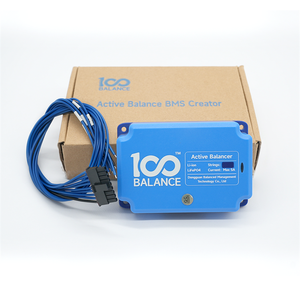
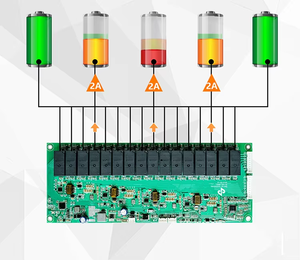
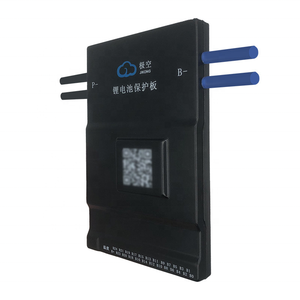
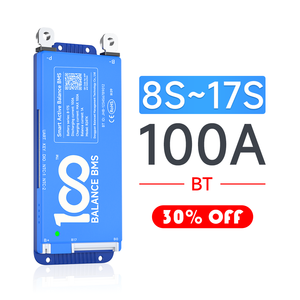
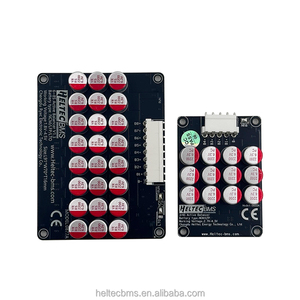
In contrast, advanced Capacitive and Inductive Active Balancers (such as 2A, 5A, and 5.5A equalization systems from leading manufacturers like Seplos, JIKONG JK, and Heltec) dynamically transfer energy from high-voltage cells to lower-voltage cells across the entire battery bank with up to 95% transfer efficiency.
Rapidly equalizes high-capacity forklift cells (100Ah to 600Ah) within minutes during rest or active charge phases.
Unlike passive resistors, lossless capacitive energy transfer prevents localized thermal hotspots inside sealed steel enclosures.
Prevents premature individual cell over-discharge shutdown, ensuring full pack capacity utilization across 5,000+ cycles.
As global supply chains demand greater operational uptime, several breakthrough engineering trends are shaping how OEM warehouse equipment manufacturers select Chinese lithium battery exporters:
Next-generation forklift lithium batteries are no longer isolated power packs. Exporters are embedding IoT modules, GPS location tracking, remote firmware over-the-air (FOTA) updates, and multi-protocol CANbus / RS485 communication (supporting OEM protocols for Toyota, Hyster-Yale, Crown, Linde, and Jungheinrich). Real-time telemetry sends cell voltage analytics, temperature spikes, and health predictions (SOH) straight to cloud fleet management dashboards.
Modern distribution hubs operate on 3-shift schedules with zero time for battery swapping. Chinese factories are optimizing cell internal resistance (IR) and busbar thermal conductivity to support 1-hour fast opportunity charging during operator lunch breaks, completely eliminating dedicated battery-changing rooms and costly spare battery inventories.
Leading OEM exporters are shifting from rigid custom-molded packs to modular plug-and-play lithium building blocks (e.g., 24V or 48V standard modules). This allows warehouse managers to scale battery capacity dynamically by connecting modules in parallel to match varying forklift weight counterbalances and duty cycles.
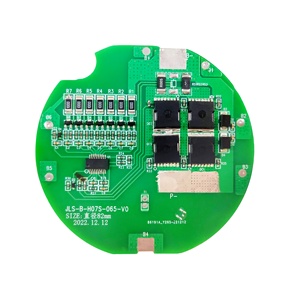
APEX Mobile Power stands at the forefront of custom OEM industrial lithium power manufacturing. Operating state-of-the-art ISO-certified production facilities, we integrate full-stack engineering—from precision cell grading, laser welding, sheet metal counterweight fabrication, to custom BMS PCBA development.
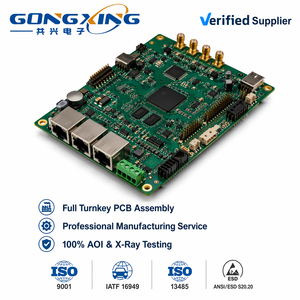
Our production ecosystem adheres strictly to international automotive quality management systems. Every battery module undergoes automated optical inspection (AOI), high-potential insulation testing, vibration simulation, and full-cycle charge-discharge validation before ocean or air shipment.
We partner with global OEMs to deliver customized counterweight forklift lithium batteries engineered with heavy-gauge steel casing, internal shock-absorption dampening, and IP67 dust/water protection for harsh cold-storage or outdoor port environments.
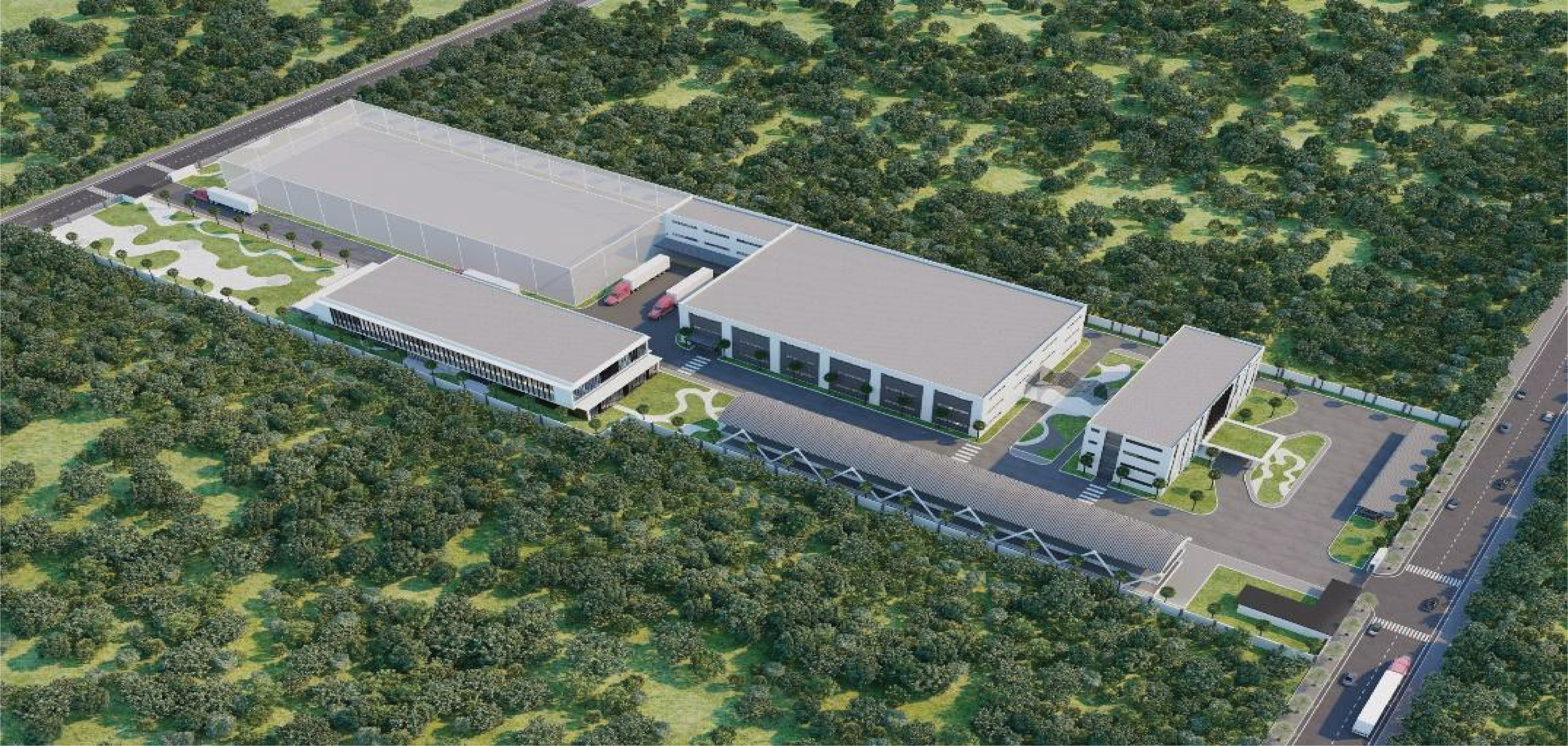
Our facilities are audited and certified by global testing bodies including SGS, UKAS, and IAF:
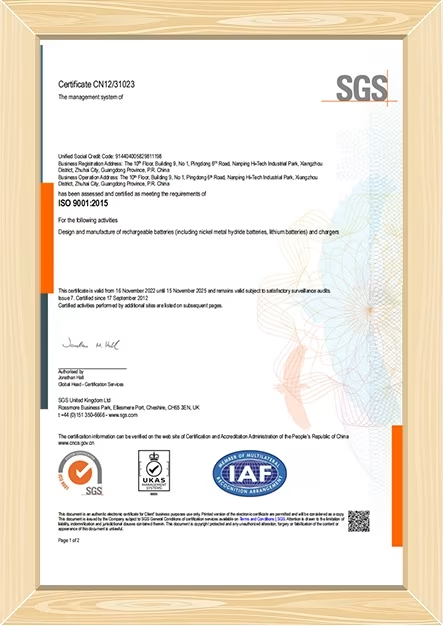 ISO 9001:2015
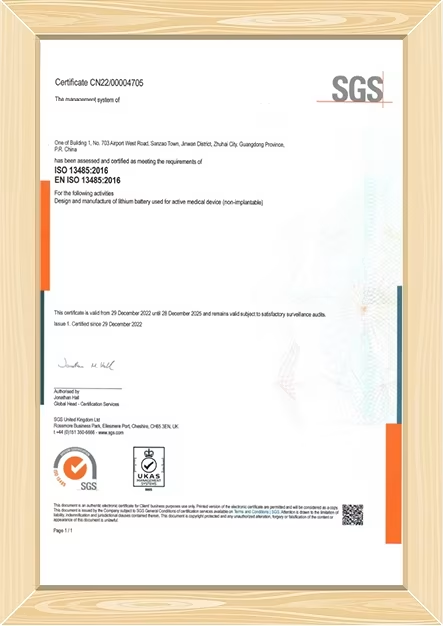 ISO 13485:2016
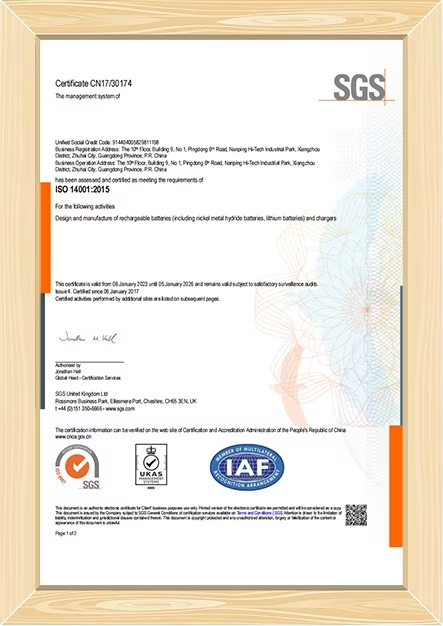 ISO 14001:2015
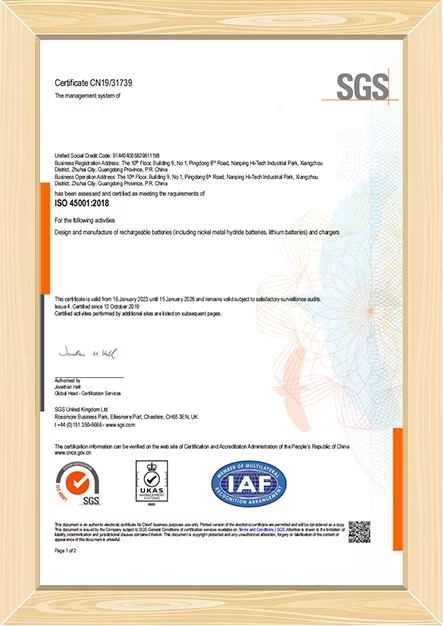 ISO 45001:2018
Ready to upgrade your equipment line or convert your forklift fleet to high-efficiency LiFePO4 motive power? Request our comprehensive technical engineering catalog and factory OEM pricing matrix today.